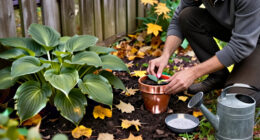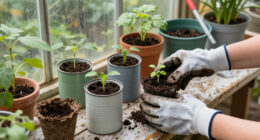
The smartest nutrient setup for your home garden is often simple and moderate. Start by testing your soil to understand its current nutrients, pH, and organic matter. Use organic amendments like compost or manure to improve soil health naturally without overdoing it. Focus on gradual, mindful adjustments based on your soil’s needs, avoiding excess fertilizers. This balanced approach promotes healthy, resilient plants and reduces waste. Keep exploring for more tips on maintaining a thriving garden with ease.
Key Takeaways
- Conduct soil testing to identify exact nutrient needs and avoid unnecessary or excessive amendments.
- Use simple, organic amendments like compost and manure to naturally boost soil health.
- Apply nutrients gradually based on test results to prevent imbalances and promote steady growth.
- Focus on improving organic matter to enhance nutrient retention and overall soil vitality.
- Prioritize sustainable, cost-effective practices over dramatic fertilization for resilient, healthy plants.
Getting your home garden off to a strong start begins with understanding how to set up the right nutrients. It’s tempting to jump straight into adding fertilizers or rich compost, but a smart gardener knows that the foundation lies in understanding what your soil actually needs. Soil testing is your first step. By analyzing your soil, you’ll discover its current nutrient levels, pH balance, and organic matter content. This information helps you avoid over- or under-fertilizing, which can harm your plants and waste money. Instead of guessing, soil testing provides a clear snapshot, guiding you to make informed decisions about fertilization and amendments.
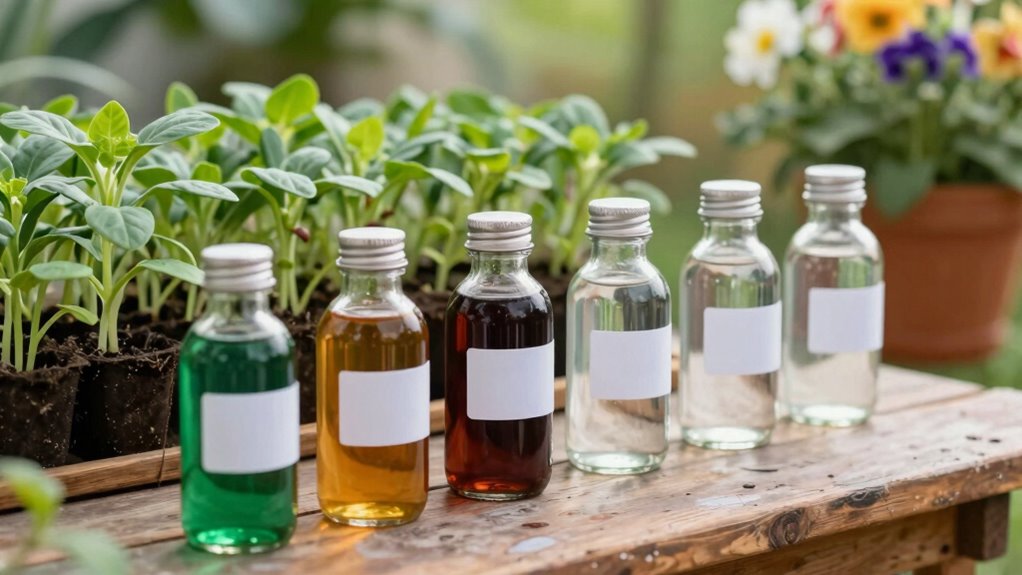
Once you have your soil test results, the next move is to contemplate organic amendments. These are natural materials like compost, manure, bone meal, or kelp that can improve soil health organically. Organic amendments do more than just supply nutrients; they enhance soil structure, increase microbial activity, and promote long-term fertility. Adding compost, for example, not only provides a gentle release of nutrients but also boosts beneficial organisms that keep your soil healthy. Organic amendments are often more forgiving than synthetic fertilizers, reducing the risk of nutrient runoff and environmental damage. They encourage a balanced nutrient profile, which supports steady, healthy plant growth. Recognizing the importance of soil health can lead to more sustainable gardening practices that benefit both your plants and the environment. Additionally, understanding the soil’s organic matter content can help you choose the most effective amendments for your specific conditions. Being mindful of nutrient balance ensures that your plants receive what they need without excess, fostering resilience and vitality.
The key to a less dramatic, more effective nutrient setup is moderation and patience. Instead of applying large amounts of fertilizers that can cause sudden growth spurts or nutrient imbalances, focus on incremental improvements. Use the insights from your soil test to tailor your organic amendments, adding only what’s necessary. This approach prevents overfeeding and makes your garden more resilient. You don’t need fancy or expensive products to succeed. Sometimes, simple organic matter, applied thoughtfully, is enough to set your garden up for success.
As an affiliate, we earn on qualifying purchases.
Frequently Asked Questions
How Often Should I Test My Soil’s Nutrient Levels?
You should test your soil’s nutrient levels at least once a year, preferably in early spring before planting. Regular testing helps you understand soil mineralization and nutrient cycling, ensuring your plants get what they need. If you’re growing nutrient-demanding crops or notice poor growth, test more frequently, around mid-season. This approach keeps your soil balanced and minimizes over-fertilization, promoting healthier, more productive plants.
Can I Use Household Items as Natural Fertilizers?
Imagine you’re a modern gardener, channeling ancient wisdom. Yes, you can use household items as natural fertilizers with household compost and natural remedies. Coffee grounds, eggshells, and banana peels enrich your soil naturally. These simple, eco-friendly options boost plant growth without chemicals. Just remember, balance is key—use these household treasures wisely, and your garden will thrive like a well-kept secret from the days of yore.
What’s the Best Time of Day to Fertilize My Plants?
You should fertilize your plants early in the morning or late in the afternoon when the temperatures are cooler. This fertilizer timing helps maximize plant health by reducing stress and preventing fertilizer burn. Applying during these times allows nutrients to soak in effectively, giving your plants a boost for the day ahead or recovery at the end. Consistent fertilizer timing guarantees your garden stays healthy and vibrant.
Do I Need Different Nutrients for Vegetables and Flowers?
Coincidentally, your plants might need different nutrients for vegetables and flowers. You’ll want to focus on maintaining a balanced plant nutrient balance tailored to each type. Organic fertilizer options work well for both, but choose formulations suited to their specific needs. Vegetables often require higher nitrogen, while flowers benefit from balanced or phosphorus-rich fertilizers. Adjusting your nutrient approach guarantees healthy growth, whether you’re growing carrots or colorful blooms.
How Can I Prevent Nutrient Runoff in My Garden?
To prevent nutrient runoff, use drip irrigation to deliver water directly to plant roots, minimizing waste. Combine this with mulch application around your plants to help retain soil moisture and reduce nutrient leaching. Make certain you’re not over-fertilizing, and adjust your watering schedule based on weather conditions. Regularly check soil health, and apply nutrients gradually, which keeps your garden’s nutrients where they belong—supporting healthy growth without excess runoff.
organic compost for vegetable garden
As an affiliate, we earn on qualifying purchases.
As an affiliate, we earn on qualifying purchases.
Conclusion
Sometimes, the simplest nutrient setup is like a gentle whisper, guiding your garden quietly toward health and abundance. You don’t need flashy tricks or dramatic formulas—just a steady, mindful approach. Trust in the understated, and your plants will flourish in their own quiet way. Remember, it’s often the softest touch that leaves the deepest impression. With patience and care, your garden will reward you with beauty that speaks softly but resonates deeply.
As an affiliate, we earn on qualifying purchases.
As an affiliate, we earn on qualifying purchases.