Separating your seeds by harvest goal instead of plant type helps you manage your garden more efficiently. It allows you to organize seeds based on when you want to harvest, ensuring you focus on crops ready at the same time. This approach streamlines storage, planting schedules, and germination techniques, saving time and resources. By aligning seeds with your specific harvest targets, you can improve success and maximize your gardening efforts—there’s more to discover if you keep exploring.

Get garden gear delivered free with Prime
- Fast, free delivery on millions of items
- Prime Video, Amazon Music and more included
- Member-only deals all year
Key Takeaways
- Organizing by harvest goal streamlines planning and ensures timely planting for specific crop maturity dates.
- It helps prioritize seeds based on their importance to your overall gardening objectives.
- Separating by harvest goal simplifies scheduling for quick or long-term crops, optimizing space and resources.
- This approach reduces confusion, preventing premature or mistimed planting of different plant types.
- Focusing on harvest goals supports tailored germination and care techniques for each crop’s success.
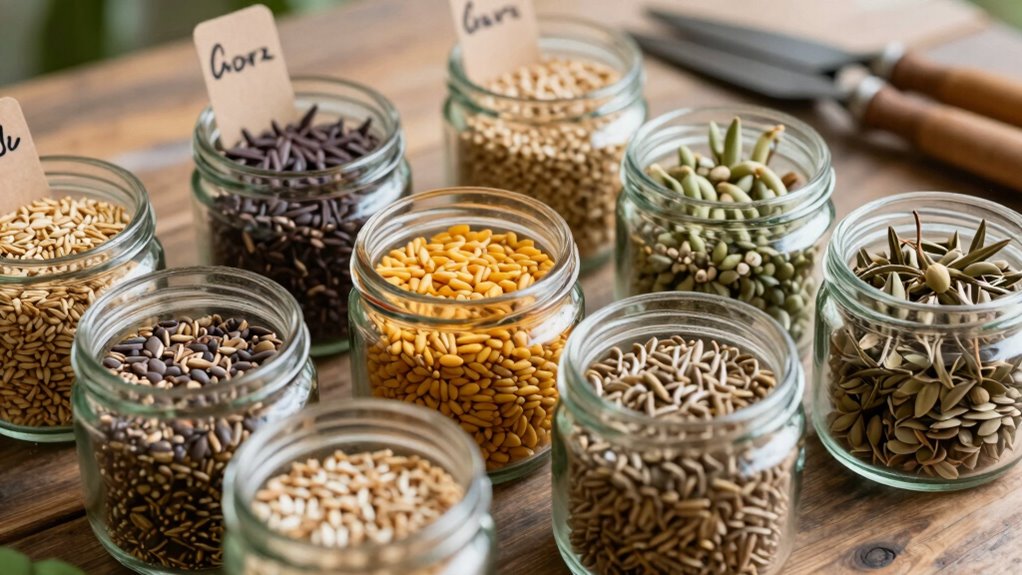
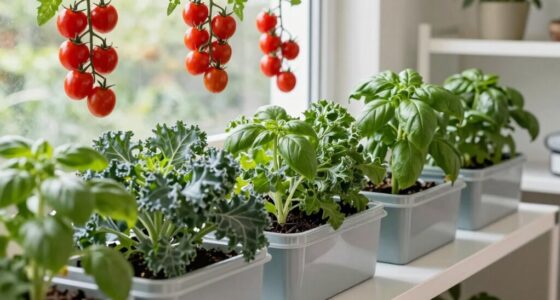
If you’re an indoor gardener aiming for a successful harvest, organizing your seeds by your specific goals can make all the difference. Instead of sorting seeds solely by plant type, consider categorizing them according to your harvest objectives. This approach helps streamline your seed storage and improves your germination techniques, ensuring you get the most out of each planting session. For example, if your goal is to harvest early vegetables for salads, you’ll want to prioritize seeds that germinate quickly and reliably. Conversely, if you’re aiming for a long-term harvest of herbs or fruiting plants, you can focus on seeds that are suited for prolonged growth cycles.
By separating seeds based on your harvest goals, you can better manage your seed storage. Store seeds for high-priority crops in easily accessible containers, and label them clearly with details like planting date, expected harvest time, and germination requirements. This organization prevents confusion, saves time, and allows you to prepare the right germination techniques for each seed type. For instance, some seeds need specific pre-treatment, like soaking or cold stratification, to improve germination rates. Knowing your goals helps you tailor these germination techniques effectively, increasing your success rate and ensuring a steady supply of fresh plants. Additionally, understanding seed viability lifespan can help you prioritize which seeds to plant first to ensure optimal germination success.
When you organize seeds by harvest goal, you also reduce the risk of planting the wrong seeds at the wrong time. If your aim is a quick harvest of leafy greens, you won’t waste space or resources on seeds that take longer to mature. Plus, it makes it easier to plan your planting schedule, so you maximize the growing season and minimize wasted effort. As you work through your seed collection, keep in mind that some seeds are more sensitive to storage conditions than others. Proper seed storage—cool, dry, and dark—preserves seed viability longer, especially when you’re sorting seeds by goals rather than plant type alone. Recognizing seed dormancy requirements can also prevent premature planting and improve overall success. Maintaining appropriate storage conditions can extend the viability of your seeds, making your planning more flexible over time. Being aware of seed longevity can help you better plan your planting timeline and avoid losing valuable seed stock. Furthermore, paying attention to seed germination rates can enhance your overall gardening efficiency and yield.
Products Worth Considering

Orbit B-hyve 12-Zone Indoor/Outdoor Wi-Fi Sprinkler Controller

Orbit B-hyve XR 8-Zone Indoor/Outdoor Smart Sprinkler Controller

Blackstone 2363 20 x 14-Inch Camping Griddle
As an affiliate, we earn on qualifying purchases.
Frequently Asked Questions
How Does Harvest Timing Affect Seed Selection?
Harvest timing directly affects seed selection because harvesting at the right seed maturity guarantees viable, high-quality seeds. If you harvest too early, the seeds might not be fully developed, affecting germination. Using proper harvesting techniques helps you identify when seeds are mature, usually by size, color, or dryness. This assures you save the best seeds for future planting, boosting your garden’s success and crop consistency.
Can Seed Storage Methods Vary by Harvest Goal?
Yes, seed storage methods can vary based on your harvest goal. For example, if you’re saving seeds for long-term viability, you’ll want airtight storage containers to prevent moisture and preserve seed viability. For short-term use, breathable containers might suffice. Adjusting storage methods guarantees your seeds stay healthy and viable, aligning with your specific harvest goal. Proper storage helps maximize germination rates and keeps your seeds ready when you need them.
Are There Specific Seeds Better Suited for Certain Harvest Goals?
Some seeds naturally align better with your harvest goals, making them more suited for specific purposes. For instance, you might find certain varieties ideal for continuous planting schedules or to maximize seed diversity. By choosing seeds that match your desired harvest outcomes, you guarantee better success and efficiency. Always consider the seed’s characteristics and your garden’s rhythm, helping you cultivate a thriving indoor garden tailored to your unique goals.
How Does Harvest Goal Influence Seed Germination Rates?
Your harvest goal directly impacts seed viability and germination rates because seeds saved for different purposes may require distinct handling. For example, seeds intended for future planting might need thorough germination testing to guarantee high viability, especially if stored for long periods. By focusing on your harvest goal, you can select seeds with better germination potential, increasing your success rate and ensuring healthy plant growth right from the start.
What Tools Are Needed to Separate Seeds Effectively?
Did you know that proper seed sorting can increase germination success by up to 20%? To do effective seed sorting, you’ll need simple tools like small tweezers, a magnifying glass, and clean containers. For larger quantities, consider using a seed cleaner or sieve. These tool recommendations help you separate seeds accurately by size, shape, or quality, ensuring you select the best seeds for your harvest goals.
Conclusion
So, next time you’re sorting your seeds, remember—it’s not about what plant they come from, but when you want to enjoy the harvest. Ironically, focusing on your harvest goal rather than plant type can turn your indoor garden into a more predictable, rewarding oasis. Who knew that the secret to success wasn’t just in what you plant, but in when you plan to reap? Sometimes, thinking outside the seed packet makes all the difference.