To avoid salt buildup, focus on managing nutrient cycling and water use effectively. Use salt-tolerant crops, implement proper drainage, and minimize excess irrigation to prevent soil salinity from leaching into reservoirs. Regularly monitor soil and water salinity levels and flush reservoirs with fresh water when needed. By adopting sustainable practices, you can protect water quality and keep salts in check—discover more ways to optimize your reservoir health as you explore further.
Key Takeaways
- Implement optimized irrigation methods like drip irrigation to reduce soil salinity and salt leaching into reservoirs.
- Regularly monitor soil and water salinity to adjust management practices proactively.
- Use salt-tolerant crops and vegetation to absorb residual salts and prevent excessive leaching.
- Periodically flush reservoirs with fresh water to dilute accumulated salts and maintain water quality.
- Employ proper drainage systems and land use practices that prevent over-irrigation and promote nutrient cycling balance.
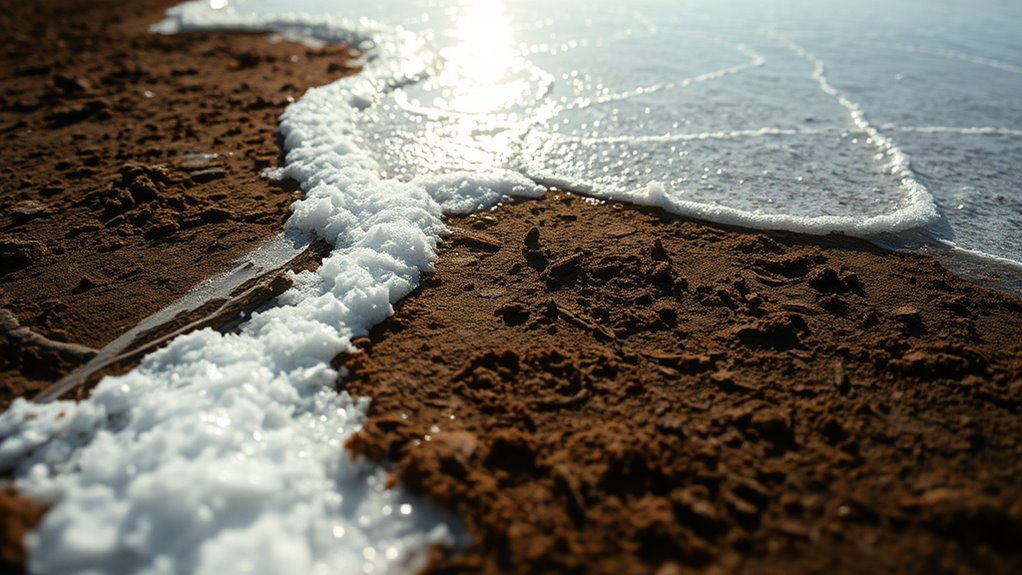
Salt buildup in reservoirs is a pressing issue that can disrupt nutrient cycling and threaten water quality. When salts accumulate, they often originate from soil salinity that leaches into water sources during rainfall or irrigation runoff. This buildup hampers water management efforts because the increased salt concentration affects both the aquatic ecosystem and the usability of water for agricultural or domestic purposes. To prevent these problems, you need to understand how soil salinity contributes to salt accumulation and how effective water management strategies can mitigate it.
Soil salinity occurs when salts in the soil become concentrated enough to impair plant growth and degrade soil health. When irrigating land near reservoirs, salts can dissolve into the water and eventually reach the reservoir. If this process continues unchecked, salt levels in the reservoir rise, making the water unsuitable for many uses. As salts accumulate, they interfere with nutrient cycling by altering the availability of essential nutrients like potassium, calcium, and magnesium. These imbalances can stunt plant growth and reduce the productivity of nearby agricultural lands. Hence, managing soil salinity becomes essential in maintaining a healthy water reservoir.
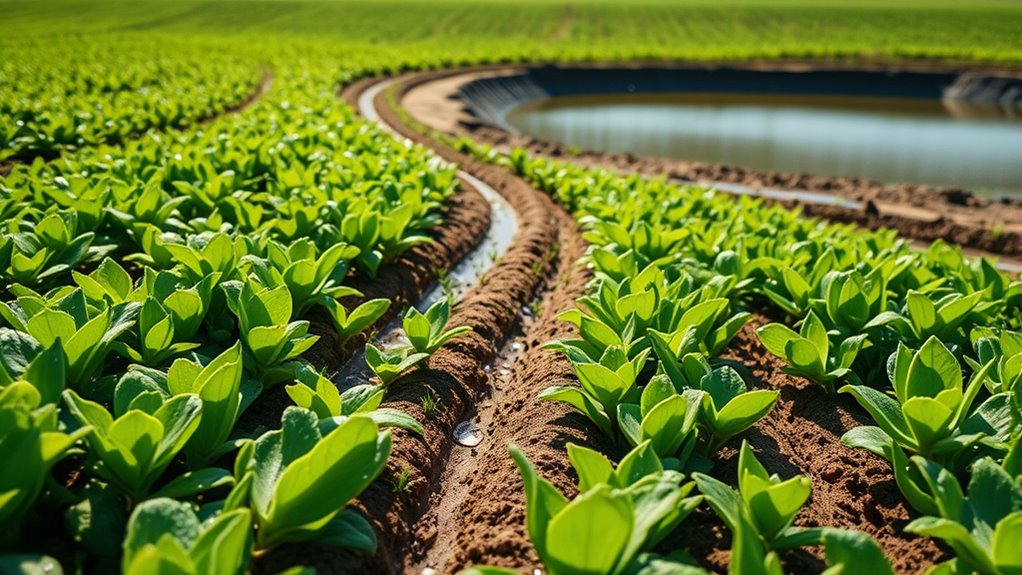
Effective water management plays a pivotal role in controlling salt buildup. You should implement practices that limit excess salt leaching into reservoirs, such as optimizing irrigation techniques. For example, using drip irrigation instead of flood irrigation minimizes water runoff and reduces soil salinity. Additionally, periodically flushing reservoirs with fresh water can dilute salt concentrations, preventing them from reaching problematic levels. Installing drainage systems around fields helps divert saline runoff away from water sources, further reducing salt ingress. Monitoring soil and water salinity levels regularly allows you to adapt your management practices promptly, preventing long-term damage. Moreover, understanding the role of nutrient cycling can help you develop more sustainable strategies to maintain soil and water health.
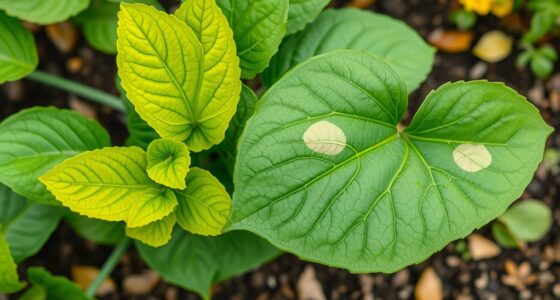
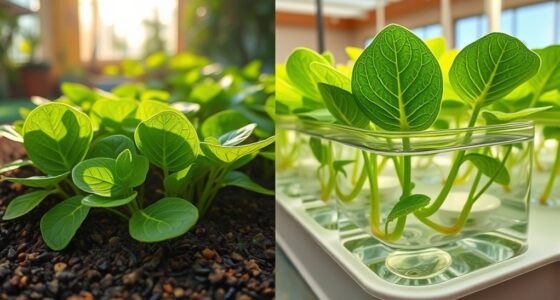
Another key aspect is selecting salt-tolerant crops and vegetation that can withstand higher salinity levels without compromising growth. These plants can help absorb residual salts from the soil and prevent them from leaching into water bodies. Incorporating cover crops or salt-tolerant grasses also stabilizes soil structure, reducing erosion and salt runoff. Furthermore, adopting land use practices that prevent over-irrigation and encourage proper drainage supports overall water management goals. Each of these actions contributes to maintaining balanced nutrient cycling and preserving water quality.
Frequently Asked Questions
How Does Climate Change Influence Salt Accumulation in Reservoirs?
Climate impacts, like increased temperatures and altered precipitation, accelerate salt migration into reservoirs. As evaporation rates rise, salts become concentrated, leading to buildup. You’ll notice this because changing climate patterns can cause more frequent droughts and reduced inflows, which worsen salt accumulation. Managing these effects requires careful reservoir management to prevent excessive salt buildup, ensuring water quality stays suitable for ecosystems and human use amidst climate change challenges.
What Are Innovative Technologies for Real-Time Salt Monitoring?
A stitch in time saves nine, so staying ahead with real-time salt monitoring is vital. You should explore innovative sensor advancements like multi-parameter sensors and IoT devices that provide continuous data. Pair these with data analytics platforms to detect salt buildup patterns early, enabling proactive management. These technologies give you a clear, immediate picture of salt levels, helping to prevent costly reservoir issues before they escalate.
How Do Salt Buildup Issues Vary Between Different Types of Reservoirs?
Salt buildup varies between reservoir types due to differences in sediment layering and water chemistry. In freshwater reservoirs, you mainly see mineral deposits forming from dissolved salts, while in saline or brackish reservoirs, salt concentrations are higher, leading to more significant scaling issues. Water chemistry influences how salts precipitate and accumulate, so understanding these factors helps you manage salt buildup effectively and prevent operational problems.
Can Natural Processes Help Remediate Salt Deposits Effectively?
Imagine salt deposits shimmering like crystals on the reservoir bed. Natural processes, like biological remediation and natural flushing, can help dissolve and carry away these deposits over time. By encouraging aquatic plants and microorganisms, you facilitate biological remediation, transforming salts into harmless compounds. Natural flushing, driven by rain and inflows, further washes away accumulated salts, gradually restoring balance without harsh interventions. This eco-friendly approach harnesses nature’s power to remediate salt deposits effectively.
What Policy Measures Encourage Sustainable Salt Management Practices?
You can promote sustainable salt management through policy incentives like subsidies or tax benefits for eco-friendly practices. Engaging stakeholders—farmers, local communities, and industry players—fosters collaboration and compliance. Enacting regulations that encourage nutrient cycling and responsible reservoir use ensures long-term sustainability. By providing education and support, you empower all involved to adopt effective salt management practices, reducing environmental impact and preserving essential water resources.
Conclusion
To keep your reservoir healthy, think of nutrient cycling as a gentle river flowing, carrying away excess salts before they settle like stubborn sediment. By managing salt buildup wisely, you’re tending a vibrant garden, ensuring each plant—your aquatic ecosystem—thrives without choking on salt’s weight. With vigilant oversight, you prevent the creeping tide of buildup from turning your reservoir into a salty wasteland, keeping the waters clear and life flourishing beneath the surface.