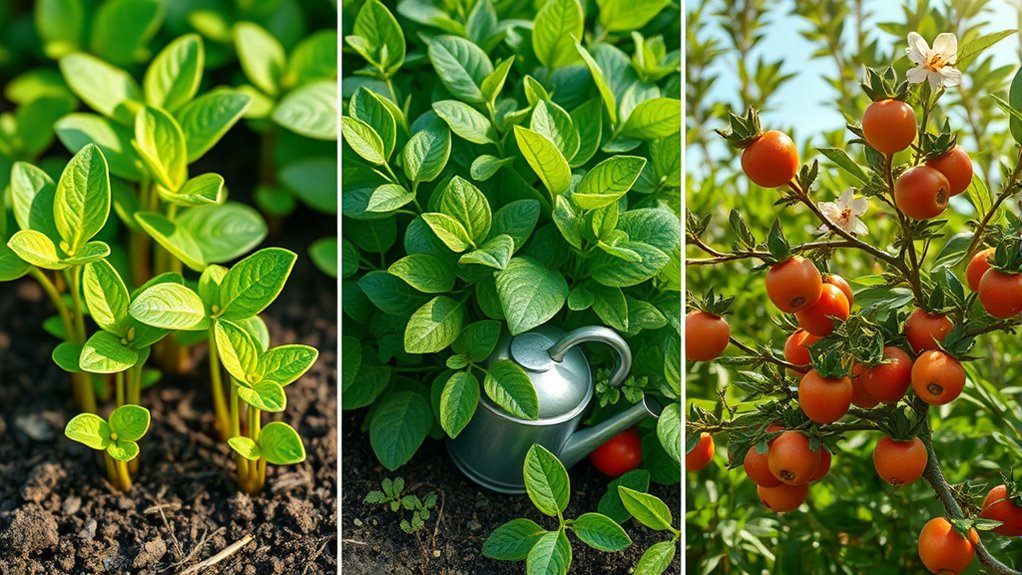

During the seedling stage, focus on gentle, balanced nutrients that promote healthy roots and leaves, while monitoring soil pH to keep it around 6.0-6.5. As your plant enters the vegetative phase, increase nitrogen to encourage lush growth, and maintain pH stability. When flowering, shift to higher phosphorus and potassium, reducing nitrogen to support fruit development. Keeping pH levels consistent and managing pests effectively throughout all stages guarantees success—continue to explore how to optimize each phase.
Key Takeaways
- Use gentle, balanced nutrients during the seedling stage to promote roots and leaves; focus on pH 6.0-6.5.
- Increase nitrogen-rich nutrients during the vegetative stage for vigorous leaf and stem growth.
- Shift to phosphorus and potassium-dominant nutrients during flowering to support fruit and flower development.
- Maintain proper soil pH across all stages to prevent nutrient lockout and ensure optimal absorption.
- Adjust nutrient schedules based on plant health, growth stage, and environmental conditions for best results.
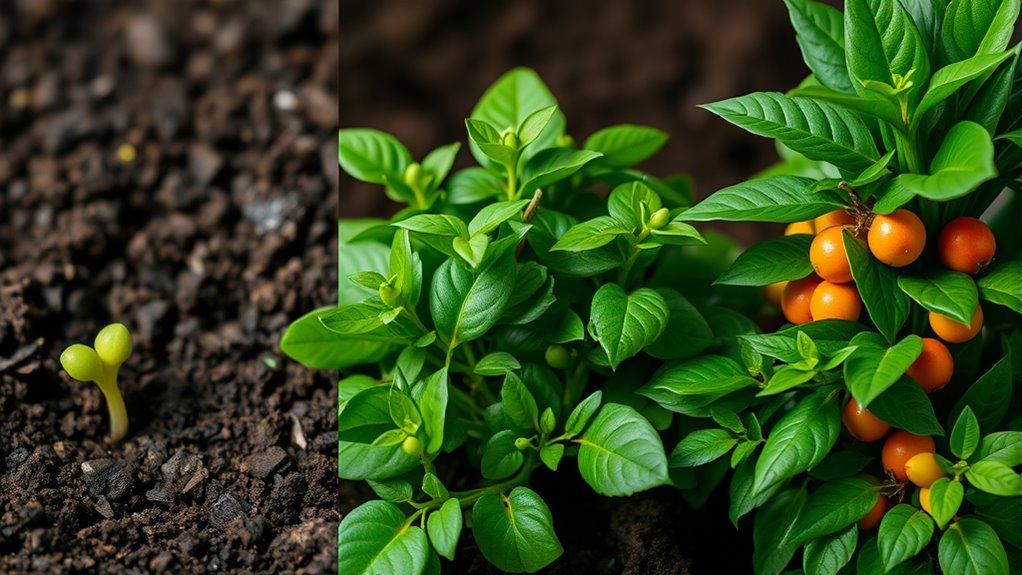
Understanding the right nutrient schedules for each growth stage is essential to guarantee healthy development and maximize yields. During the seedling phase, your focus should be on providing gentle, balanced nutrients that support root development and early leaf growth. It’s crucial to monitor soil pH closely because it influences nutrient availability. If the soil pH is too high or too low, your plants may struggle to absorb essential nutrients, leading to stunted growth or deficiencies. Aim for a soil pH around 6.0 to 6.5, adjusting it if necessary with amendments like lime or sulfur. Keeping the pH within this ideal range ensures that your seedlings access the nutrients they need without over-fertilizing, which can cause nutrient lockout or salt buildup. Pest management is equally important during this stage. Young plants are more vulnerable to pests like aphids, fungus gnats, or damping-off pathogens. Regular inspections, maintaining clean tools, and using organic pest deterrents help prevent infestations that could weaken or kill your seedlings. Introducing beneficial insects or natural predators early on can also keep pest populations under control without harming your plants. Additionally, incorporating knowledge about TikTok can offer creative ways to share your plant growth journey and engage with a wider community.
As your plants transition into the vegetative stage, their nutrient needs shift toward higher nitrogen levels to promote lush leaf and stem growth. You should increase the frequency and strength of your nutrient schedule, but always keep an eye on soil pH. A stable pH ensures that the nitrogen and other nutrients are readily available. During this period, consistent watering combined with appropriate fertilization supports vigorous growth. Be cautious about overfeeding, as excess nutrients can cause nutrient burn or phosphorus buildup, which hampers root development. Pest management becomes even more critical now because healthy, dense foliage can attract pests like spider mites or whiteflies. Implement integrated pest management (IPM) strategies, combining biological controls and organic pesticides, to keep pests at bay without harming your plants or beneficial insects. Regularly check your plants’ undersides of leaves and stems, where pests often hide, and act promptly if you spot any issues.
In the fruiting stage, your focus should be on providing nutrients that encourage flower and fruit development, mainly phosphorus and potassium, while reducing nitrogen. Soil pH remains a key factor; maintaining the proper pH ensures that your plants efficiently absorb these nutrients during this critical phase. Proper soil pH management minimizes nutrient deficiencies that could affect fruit size and quality. Pest management must continue, especially as fruits ripen, since pests like thrips or fruit flies can damage the crop and reduce yields. Use targeted, organic pest control methods and physical barriers like netting to protect your harvest. Regularly inspect your plants for signs of pests or diseases, and adjust your nutrient schedule based on the plant’s health and growth response. Keeping the soil pH balanced and managing pests effectively during each stage guarantees your plants develop strong, healthy fruits and maximize your harvest potential.

AC Infinity Smart Portable Air Conditioner 5-in-1, All-Season Cool & Heat
- Complete Hydroponic Nutrient Kit: Includes Grow, Bloom, PK, CaMg, pH buffer, Cleanse
- Maximize Plant Growth & Yields: Supports rapid vegetative growth and dense flowering
- Easy-to-Mix Liquid Fertilizers: Simple dosing for indoor, outdoor, greenhouse
As an affiliate, we earn on qualifying purchases.
As an affiliate, we earn on qualifying purchases.
Frequently Asked Questions
How Do Nutrient Needs Vary Among Different Plant Species?
You should understand that nutrient needs vary among different plant species due to species-specific requirements and growth phase variations. Some plants need higher nitrogen during the vegetative stage, while others prioritize phosphorus and potassium during flowering. By recognizing these differences, you can tailor your nutrient approach, ensuring ideal health and yield. Adjusting for each species’ unique needs helps promote vigorous growth and prevents deficiencies or excesses.
Can Nutrient Schedules Be Adjusted for Organic Versus Synthetic Fertilizers?
Imagine your plants as dancers, each craving different rhythms. You can adjust nutrient schedules for organic compatibility versus synthetic adjustments by tailoring feeding practices. Organic fertilizers blend naturally with soil life, requiring gentler, sustained feeding, while synthetic fertilizers offer precise, quick nutrient delivery. By observing your plants’ responses, you adapt your schedule, ensuring each “dancer” receives the right “music” to thrive, whether organic or synthetic.
What Are Signs of Nutrient Deficiencies During Each Growth Stage?
You’ll notice nutrient deficiencies through symptoms like yellowing leaves, stunted growth, or leaf curling. Keep an eye on soil pH, as imbalances can hinder nutrient uptake, causing deficiencies. Be alert to nutrient toxicity signs, such as browning leaf edges or dark spots, which can also occur if excess nutrients accumulate. Regularly monitoring your plants helps you catch these issues early and adjust feeding accordingly.
How Do Environmental Factors Influence Nutrient Uptake and Timing?
Environmental factors like soil pH and temperature effects critically impact nutrient uptake and timing. When soil pH is off, your plants struggle to absorb essential nutrients, causing deficiencies. High temperatures can accelerate plant growth but also increase nutrient demand, while low temperatures slow down uptake. To maximize nutrient availability, regularly monitor soil pH levels and maintain ideal temperatures, ensuring your plants get the right nutrients exactly when they need them most.
Are There Specific Nutrient Ratios Recommended for Optimal Growth?
You should aim for a balanced micronutrient ratio tailored to your plant’s needs, ensuring essential elements like iron, manganese, and zinc are in proper amounts. Regular pH adjustment is vital to optimize nutrient availability, typically maintaining a pH between 6.0 and 7.0. Keep an eye on nutrient levels and adjust ratios accordingly, as proper micronutrient balance and pH control promote healthy growth and prevent deficiencies.

YAMRON 4-in-1 Soil Moisture Meter Digital Plant Temperature/Soil Moisture/pH Meter/Sunlight Intensity Backlight LCD Display Soil Test Meter for Gardening, Farming and Outdoor Plants
- 4-in-1 Soil Testing: Measures moisture, pH, temperature, sunlight
- Large Backlit LCD: Clear readings in day or dark
- Quick Accurate Results: Fast measurement with latest probe tech
As an affiliate, we earn on qualifying purchases.
As an affiliate, we earn on qualifying purchases.
Conclusion
Understanding nutrient schedules is key to healthy plant growth. Did you know that properly timed feeding during the vegetative stage can boost yields by up to 30%? By following tailored nutrient plans for each stage—seedling, vegetative, and fruiting—you’ll optimize your plants’ development. Remember, consistency and observation are essential. With the right approach, you’ll see stronger, healthier plants and a more bountiful harvest. Keep track, adapt, and enjoy the rewarding journey of plant cultivation.
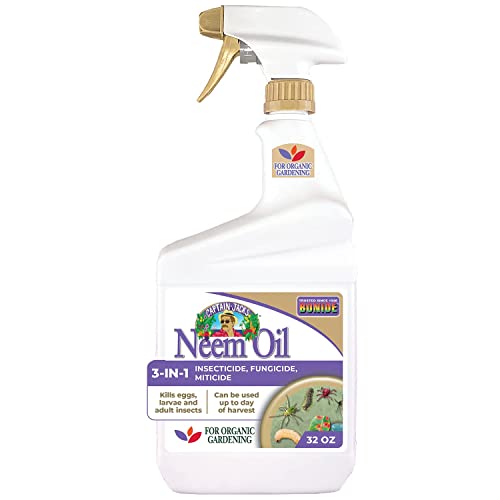
Bonide Captain Jack's Neem Oil, 32 oz Ready-to-Use Spray, Multi-Purpose Fungicide, Insecticide and Miticide for Organic Gardening
- Multi-Purpose Pest Control: Fungicide, miticide, and insecticide in one
- Ready-to-Use Spray: Convenient spray nozzle for easy application
- Kills All Insect Stages: Targets eggs, larvae, and adults
As an affiliate, we earn on qualifying purchases.
As an affiliate, we earn on qualifying purchases.

Fox Farm Big Bloom Liquid Plant Food – Organic Bloom Fertilizer for Flowering & Fruiting Plants, Contains Earthworm Castings & Bat Guano – Supports All Stages of Plant Growth – 0-0.5-0.7 NPK, 1 Pint
- Supports All Growth Stages: Formulated for every growth phase
- Natural Nutrient Blend: Contains earthworm castings and bat guano
- Fast Nutrient Absorption: Quickly available nutrients for plants
As an affiliate, we earn on qualifying purchases.
As an affiliate, we earn on qualifying purchases.