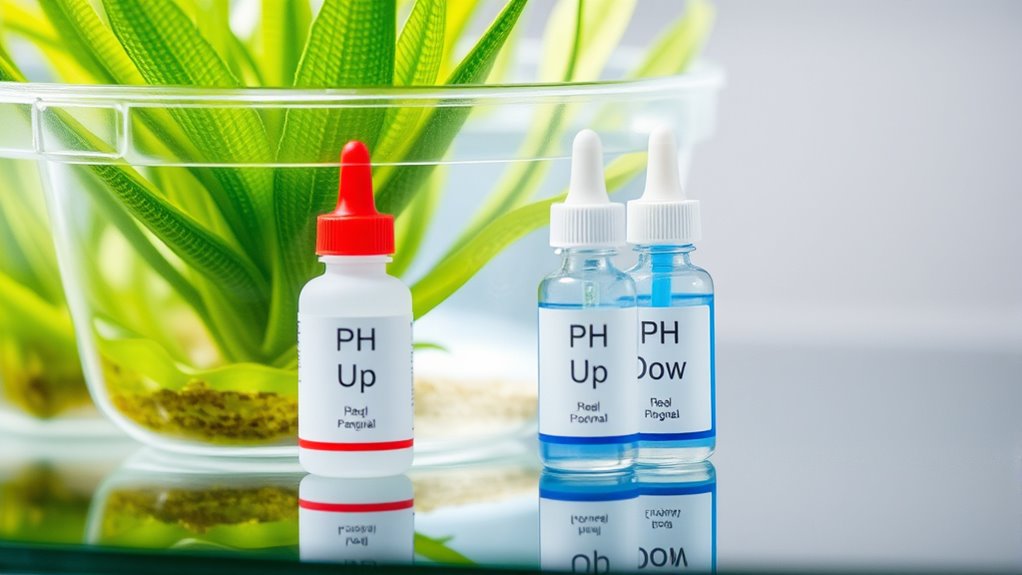

To safely adjust pH using pH up or pH down, test your water or soil carefully first. Add small amounts gradually, giving time for the pH to stabilize before testing again. Use protective gear and follow the product instructions to prevent overshooting the desired pH level. Regular monitoring helps keep pH stable and healthy for aquatic life, plants, or chemical processes. Want to learn more about maintaining pH balance safely? Keep exploring these essential tips.

Get garden gear delivered free with Prime
- Fast, free delivery on millions of items
- Prime Video, Amazon Music and more included
- Member-only deals all year
Key Takeaways
- Always test water or soil pH before adjusting to determine the precise amount needed.
- Add pH up or down gradually in small increments to prevent overshooting the target pH.
- Use appropriate protective gear and handle chemicals carefully to ensure safety during application.
- Continuously monitor pH levels after each adjustment to maintain stability and avoid stress.
- Follow manufacturer instructions for chemical products to ensure safe and effective pH management.
Have you ever wondered why maintaining the right pH level is essential for your water or soil? pH adjustment involves balancing acidity or alkalinity to create ideal conditions for plants, aquatic life, or chemical processes. Proper testing water quality is the first step. Using a reliable pH meter or test kit, you can determine whether your water or soil is too acidic or too alkaline. This information guides your next move, ensuring you make precise adjustments. Without accurate testing, you risk overcorrecting, which can harm your plants, aquatic organisms, or the integrity of chemical reactions. Consistent monitoring helps maintain stable pH levels, preventing fluctuations that could cause stress or damage.
Maintaining proper pH levels is essential for healthy water, soil, and chemical processes.
Chemical balancing is key to achieving and maintaining the desired pH. When your water or soil tests show it’s too acidic, you’ll need to raise the pH. Conversely, if it’s too alkaline, lowering the pH becomes necessary. Here, products like pH up and pH down come into play. pH up typically contains substances such as potassium carbonate or sodium carbonate, which increase alkalinity quickly and effectively. pH down often includes acids like phosphoric, sulfuric, or hydrochloric acid, which lower pH levels efficiently. It’s important to use these products carefully, adding small amounts incrementally rather than all at once, to avoid overshooting your target.
When applying pH up or pH down, always do so gradually. Measure and test your water or soil after each adjustment to see how it responds. This step-by-step process ensures you don’t create sudden shifts that could stress aquatic life or harm plants. Wearing protective gear is also advised, especially when handling acids or strong chemicals, to prevent accidents. Keep in mind that different environments require different pH ranges. For example, most freshwater aquariums thrive around 6.5 to 7.5, while garden soil may prefer a slightly acidic to neutral pH. Knowing your specific needs helps you tailor your chemical balancing approach.
Regularly testing water quality and making small, precise adjustments with pH up or down keeps your environment stable and healthy. This proactive approach minimizes stress on aquatic animals or plants, promotes optimal growth, and ensures the effectiveness of your chemical processes. Remember, pH levels can fluctuate due to many factors, such as water source, fertilizer use, or biological activity. Consistent monitoring and cautious adjustments allow you to maintain a safe, balanced environment, ultimately supporting your goals—whether it’s a thriving garden, a healthy aquarium, or a controlled chemical setting. Understanding pH stability is essential for reliable chemical balancing and maintaining a healthy environment.
Frequently Asked Questions
How Often Should I Check My Ph Levels?
You should check your pH levels at least once a week to guarantee ideal intervals for safe adjustment. Testing frequency depends on your setup, but regular checks help you catch fluctuations early. If you’re making frequent adjustments with pH up or down, consider testing every few days. Monitoring consistently allows you to maintain stable pH levels, promoting healthy plant growth and preventing issues from pH imbalances.
Can Incorrect Ph Adjustment Harm My Plants?
Sure, messing with your pH can’t hurt, right? Wrong. Incorrect pH adjustment can cause nutrient lock and root damage, making your plants’ lives more stressful than a Monday morning. When the pH isn’t just right, essential nutrients can’t get absorbed, leading to deficiencies and stunted growth. So, be precise—your plants will thank you, and you’ll avoid the ironic frustration of seeing healthy plants suffer just because of a tiny pH mistake.
What Signs Indicate Ph Imbalance in My Water?
You’ll notice signs of pH imbalance in your water quality, such as leaf discoloration, wilting, or slowed growth. pH fluctuation can cause nutrient lockout, making it hard for plants to absorb essential nutrients. If your plants show stress or unusual changes, check your water’s pH levels regularly. Maintaining stable pH helps prevent these issues, ensuring your plants stay healthy and thrive.
Are There Natural Alternatives to Ph up and Down?
Imagine your water as a garden needing balance; you can turn to natural solutions instead of chemicals. Nutritional supplements like potassium bicarbonate or organic amendments such as compost or lime help adjust pH naturally. These options gently restore equilibrium, supporting healthier water and plant growth, without harsh chemicals. You’ll find that using natural alternatives not only stabilizes pH but also enriches your water with beneficial nutrients.
What’s the Safest Way to Dispose of Excess Ph Solution?
You should never pour excess pH solution down the drain without proper disposal methods. Instead, follow chemical safety guidelines by neutralizing it with water or a neutralizing agent, then check local regulations for disposal. Contact your local waste management or hazardous waste facility for specific instructions. Proper disposal prevents environmental harm and guarantees safety. Always wear protective gear and handle chemicals carefully to avoid accidents during disposal.
Conclusion
Remember, maintaining the right pH levels is key to healthy plants and ideal growth. Using pH Up and pH Down safely ensures your garden thrives without harm. Did you know that plants absorb nutrients best within a specific pH range, usually between 6.0 and 7.0? By adjusting your pH correctly, you can boost nutrient availability and increase yields. So, handle those solutions carefully, and watch your garden flourish with vibrant, healthy plants!
Fall yard work Picks
leaf blowers
As an affiliate, we earn on qualifying purchases.