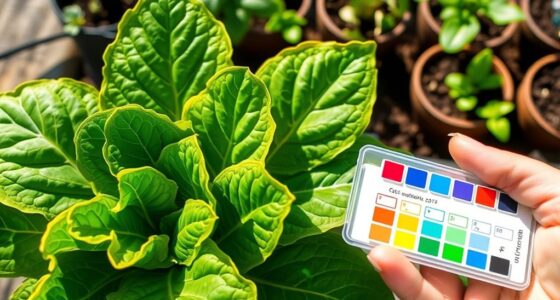
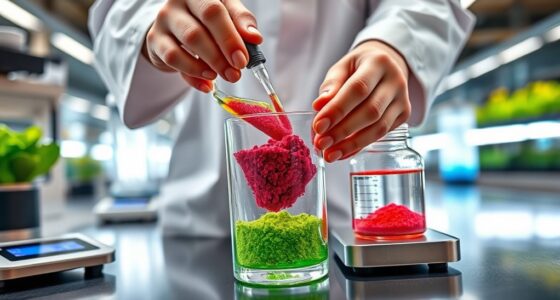
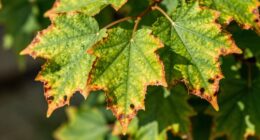
To meet organic certification, choose hydroponic fertilizers made from natural sources like compost teas, fish emulsions, and seaweed extracts. Guarantee your nutrient solutions are free from synthetic chemicals, fillers, or additives and use approved ingredients that promote microbial activity and nutrient availability. Regularly test and adjust pH and electrical conductivity to maintain ideal conditions. Staying compliant involves proper documentation and using certified ingredients—continue exploring to learn more about creating truly organic hydroponic systems.
Key Takeaways
- Use only approved organic nutrient sources such as compost teas, herbal infusions, or fish emulsions.
- Ensure all ingredients comply with local organic certification standards and avoid synthetic additives.
- Pre-process or select water-soluble extracts to maintain proper solubility and nutrient availability.
- Regularly test and adjust pH and electrical conductivity to meet crop needs and certification requirements.
- Document all inputs and procedures to demonstrate compliance with organic certification regulations.
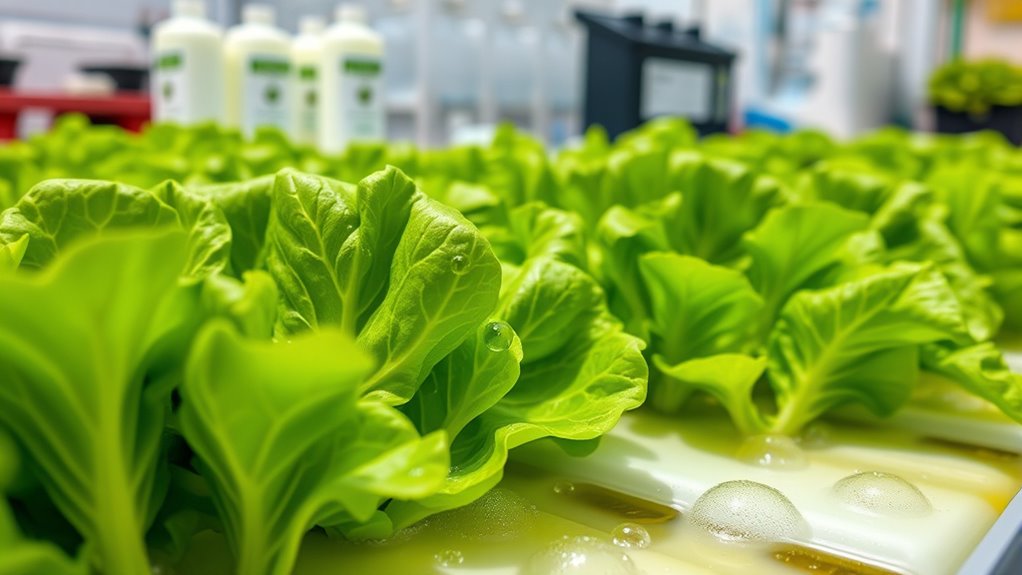
Hydroponic fertilizers are specially formulated nutrients designed to support plant growth in soil-free systems. When you’re working toward organic certification, choosing the right plant nutrient solutions becomes essential. Unlike conventional fertilizers, organic options focus on natural sources that align with organic standards, guaranteeing your hydroponic setup remains compliant. Organic fertilizer sources, such as compost teas, fish emulsions, and plant extracts, can be integrated into hydroponic systems to create nutrient solutions that nourish your plants without synthetic chemicals. These solutions are tailored to deliver essential macro and micronutrients while maintaining the integrity of organic certification.
Organic hydroponic nutrients like compost teas and fish emulsions ensure compliant, natural plant growth without synthetic chemicals.
You’ll find that formulating plant nutrient solutions from organic fertilizer sources requires a good understanding of nutrient availability and solubility. Organic fertilizers often contain complex compounds that need microbial activity or transformation to become accessible to plants. In hydroponics, this means you may need to pre-process or carefully select liquid extracts that dissolve easily in water. For example, fish emulsion provides a rich source of nitrogen, while seaweed extracts supply trace minerals and plant growth hormones. When combined properly, these sources create a balanced nutrient solution that supports vigorous plant development while adhering to organic standards.
One key aspect to consider is avoiding synthetic additives or fillers that could jeopardize your organic certification. Instead, focus on natural, plant-based, or mineral-derived ingredients that are approved for organic production. You might also explore plant nutrient solutions made from concentrated herbal infusions or compost teas, which can provide a broad spectrum of nutrients and beneficial microbes. These organic solutions not only promote healthy plant growth but also enhance the microbial life in your hydroponic system, contributing to a sustainable and resilient environment.
Additionally, maintaining proper nutrient ratios is essential. Organic fertilizers tend to release nutrients more slowly, so you’ll need to monitor your plants closely and adjust your solutions as needed. Regular testing of your nutrient solution’s pH and electrical conductivity helps guarantee optimal nutrient uptake. Using organic fertilizer sources also means you should be prepared for variability, as natural ingredients can differ in nutrient content. Developing a routine of mixing and testing your solutions ensures your plants receive consistent nourishment, which is indispensable for maintaining organic certification.
Furthermore, understanding the importance of local regulations and ensuring your fertilizer sources are compliant can help prevent issues during certification inspections.

WZQH Leather Work Gloves for Men or Women.Gardening,Welding,Coffee-grey L
- Material and Design: 100% split cowhide leather with soft cotton lining
- Protection Features: High abrasion, puncture, cut, and heat resistance
- Reinforced Palm: Extra protection for hands during heavy work
As an affiliate, we earn on qualifying purchases.
Frequently Asked Questions
Can Organic Fertilizers Be Used in All Types of Hydroponic Systems?
Yes, you can use organic fertilizers in most hydroponic systems, but it depends on maintaining organic certification. Organic fertilizers support nutrient absorption naturally, but they must be carefully managed to prevent clogging your system. You’ll need to monitor nutrient levels closely to guarantee your plants get what they need without compromising organic standards. Proper filtration and regular testing help keep your hydroponic setup compliant and productive with organic inputs.
How Do Organic Fertilizers Affect Nutrient Availability in Hydroponic Setups?
Imagine your hydroponic system as a vibrant garden where organic fertilizers act as lively messengers, enhancing microbial interactions. They influence nutrient availability by improving nutrient solubility, allowing plants to absorb essential elements more effectively. While organic fertilizers may release nutrients slowly, their positive impact on microbial life boosts overall nutrient access, creating a balanced environment where plants thrive naturally, even in a soilless setup.
Are Organic Fertilizers Cost-Effective Compared to Synthetic Options?
Organic fertilizers can be cost-effective depending on your budget considerations. While they often have a higher initial cost, they may last longer and improve overall plant health, reducing long-term expenses. Conduct a cost comparison tailored to your setup, factoring in availability and application rates. If you’re committed to organic practices, investing in organic fertilizers might be worth it, but analyze your specific needs to guarantee it fits within your budget constraints.
What Are the Storage Requirements for Organic Hydroponic Fertilizers?
Think of storing organic hydroponic fertilizers like guarding a treasure chest. You should keep them in a cool, dry, and dark place to guarantee storage safety and extend shelf life. Avoid direct sunlight and extreme temperatures that can degrade nutrients. Proper storage prevents contamination and spoilage, helping your fertilizers stay effective. Regularly check for leaks or spoilage signs, and always reseal containers tightly to preserve their quality and potency.
How Do Organic Fertilizers Influence Plant Disease Resistance?
Organic fertilizers boost your plants’ disease resistance by enhancing the soil microbiome, which strengthens natural defenses. A diverse microbiome suppresses harmful pathogens, reducing disease occurrence. When you use organic fertilizers, you foster beneficial microbes that outcompete or inhibit disease-causing organisms. This disease suppression leads to healthier, more resilient plants, decreasing your reliance on chemical controls and promoting a sustainable, balanced growing environment.

COOLJOB 6 Pairs Gardening Gloves for Women Ladies, Breathable Rubber Coated for Yard Garden, Outdoor Indoor Protective Work with Grip, Medium Size, Red & Green
- Designed for Women: Lightweight, breathable, comfortable fit
- Protective and Durable: Thick fingertips and flexible cuffs
- Multi-Purpose Use: Suitable for gardening, yard work, repairs
As an affiliate, we earn on qualifying purchases.
Conclusion
By choosing hydroponic fertilizers suitable for organic certification, you can grow healthy, sustainable crops without compromising quality. Did you know that the global hydroponic market is expected to reach $16 billion by 2026? This growth highlights how innovative solutions like organic-certified fertilizers are transforming agriculture. Embrace these advancements to boost your yields responsibly while meeting organic standards. With the right fertilizers, you’re not just growing plants—you’re supporting a greener, healthier future.

YRTSH Leather Gardening Gloves for Women, Flexible Breathable Garden Gloves,Thorn Proof Working Gloves for Weeding, Digging and Pruning, Medium, Pink
- Closure Type: Pull On closure
- Material: Abrasion-resistant spandex for durability
- Comfort: Flexible and comfortable for gardening
As an affiliate, we earn on qualifying purchases.

COOLJOB Gardening Gloves for Men, 2 Pairs Breathable Rubber Coated for Garden Weeding Landscaping, Outside Work for Lawn Yard, Men's Large Size, Black & Red
- Breathable and Comfortable Material: Red and black polyester base keeps hands dry
- Flexible and Dexterous Fit: Stretchy seamless knitted design with long cuff
- Durable Rubber Coating: Non-slip latex palm protects and extends glove life
As an affiliate, we earn on qualifying purchases.