You should respect dissolved oxygen as it’s essential for healthy hydroponic plants. Adequate oxygen keeps roots active, improves nutrient absorption, and helps prevent problems like root rot and disease. Factors like water temperature and system design directly impact oxygen levels, so monitoring and maintaining proper oxygenation is important for vigorous growth. If you want your system to thrive, understanding how to keep dissolved oxygen in the right range is key—there’s more to discover on this critical metric.
Key Takeaways
- Dissolved oxygen directly influences root health and nutrient absorption in hydroponic systems.
- Low oxygen levels can cause root rot, plant stress, and stunted growth.
- Proper aeration and temperature control are essential to maintain adequate dissolved oxygen.
- Monitoring dissolved oxygen helps prevent hypoxia and promotes vigorous plant development.
- Respecting this metric ensures healthier plants and higher hydroponic yields.
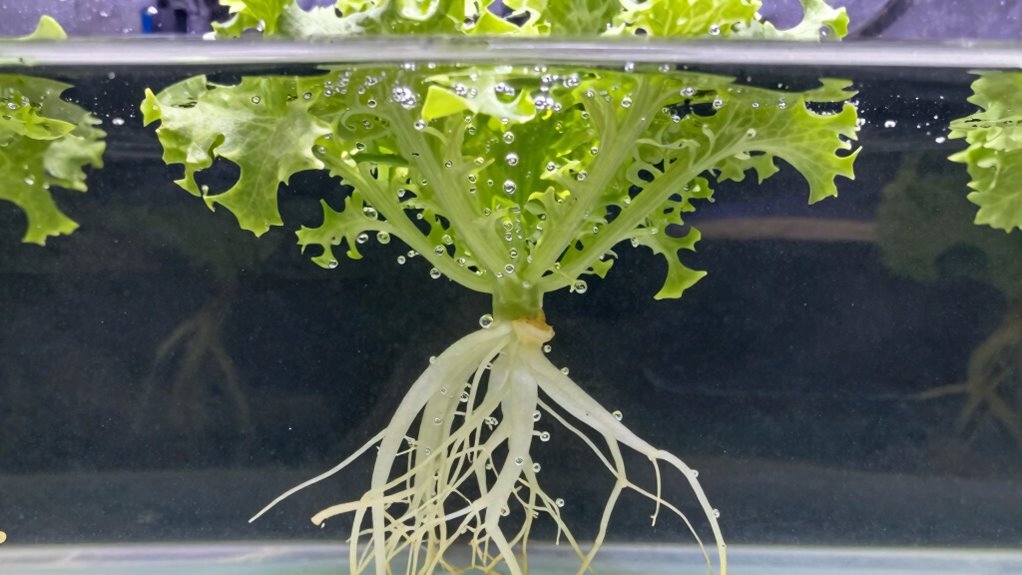
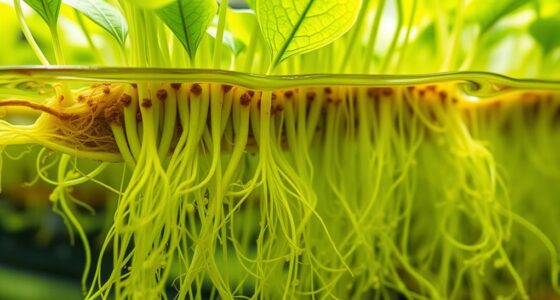
Dissolved oxygen is an essential metric in hydroponic systems because it directly affects plant health and growth. When oxygen levels in your nutrient solution are ideal, your plants’ roots stay healthy and active. Healthy roots are fundamental because they serve as the primary site for nutrient absorption, allowing your plants to access vital minerals and compounds efficiently. Without enough dissolved oxygen, roots can become stressed, leading to poor nutrient uptake, stunted growth, and increased susceptibility to disease. By paying close attention to dissolved oxygen levels, you guarantee that your plants’ roots stay vigorous and capable of absorbing nutrients effectively, which is the foundation of a thriving hydroponic system.
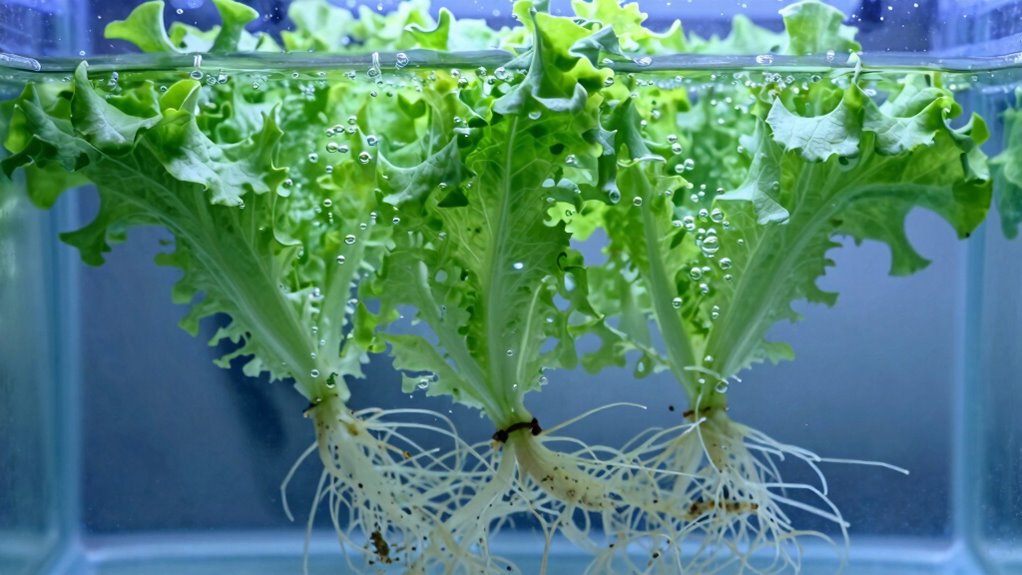
In a hydroponic setup, oxygen dissolves into the water, and the amount present can fluctuate based on factors like temperature, agitation, and system design. If oxygen levels drop too low, your plants can experience hypoxia, a condition that hampers root respiration. Roots rely on oxygen to generate energy for growth and nutrient transport. When oxygen is scarce, they can become oxygen-deprived, leading to root rot and other problems that compromise the entire plant’s health. You might notice wilting, yellowing leaves, or slow growth—clear signs that your plants aren’t getting enough oxygen. To prevent this, you can use aeration devices like air stones, diffusers, or circulating pumps to keep dissolved oxygen levels high and guarantee your roots stay healthy. Proper oxygen management is essential for maintaining optimal plant performance. Additionally, understanding oxygen fluctuations can help you anticipate and respond to changes in your system more effectively. Recognizing how oxygen levels impact plant health can guide you in making more informed adjustments to your setup. Regularly monitoring these oxygen dynamics allows for proactive adjustments to prevent issues before they arise.
Maintaining proper dissolved oxygen levels also boosts nutrient absorption. When roots have sufficient oxygen, they actively take in nutrients from the solution, supporting robust plant development. Conversely, low oxygen levels can cause nutrient deficiencies because roots can’t efficiently uptake minerals and other essential elements. This imbalance can lead to deficiencies that stunt growth or cause deformities. It’s important to regularly test your nutrient solution’s oxygen levels, especially during warmer months when oxygen solubility naturally decreases. Adjusting system parameters, like increasing aeration or reducing water temperature, can help maximize oxygen levels for healthy root health and nutrient uptake. Additionally, understanding dissolved oxygen fluctuations can help you better manage your hydroponic system’s overall health.
In the end, respecting and maintaining proper dissolved oxygen levels isn’t just a minor detail; it’s a critical aspect of successful hydroponic cultivation. By guaranteeing your roots stay healthy and your plants efficiently absorb nutrients, you’re setting the stage for higher yields and healthier crops. Don’t overlook this essential metric—monitor it consistently, adjust your system as needed, and watch your plants thrive with vibrant growth and strong roots that support their overall vitality.

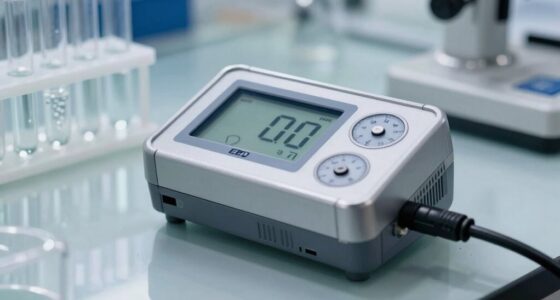
EZTOCH Portable Dissolved Oxygen Meter for Pond, Digital Dissolved Oxygen Test Kit for Fish Tank, Do Meter Oxygen Analyzer with 3.6ft Probe for Koi Pond Aquarium, Measure DO in Water, Aquaponics
Digital Dissolved Oxygen Meter: Has two measurement units: mg/L (dissolved oxygen content per liter of water) and %…
As an affiliate, we earn on qualifying purchases.
As an affiliate, we earn on qualifying purchases.
Frequently Asked Questions
How Does Dissolved Oxygen Impact Plant Growth in Hydroponics?
Dissolved oxygen directly impacts plant growth in hydroponics by supporting root health and enhancing oxygen diffusion to roots. When oxygen levels are high, roots stay healthy, absorb nutrients efficiently, and grow vigorously. Conversely, low dissolved oxygen causes root suffocation, leading to weak growth and potential disease. You should monitor and optimize oxygen diffusion in your system to guarantee your plants thrive, maximizing productivity and overall health.
What Are the Ideal Dissolved Oxygen Levels for Different Crops?
Think of the root zone as a bustling city thriving on oxygen diffusion. Most crops prefer dissolved oxygen levels around 6-8 mg/L, guaranteeing roots breathe easy and grow robustly. Leafy greens like lettuce thrive at the higher end, while fruiting plants such as tomatoes need slightly lower levels. Maintaining ideal dissolved oxygen ensures healthy roots, better nutrient uptake, and a thriving hydroponic garden.
How Can I Increase Dissolved Oxygen in My Hydroponic System?
To boost dissolved oxygen in your hydroponic system, you should improve aeration techniques, such as adding air stones or diffusers, which increase oxygen diffusion into the nutrient solution. You can also gently agitate the water or use pumps to enhance oxygen exchange. These methods guarantee your plants get enough oxygen, promoting healthy root development and better overall growth. Regularly monitor levels to maintain ideal dissolved oxygen.
Does Temperature Affect Dissolved Oxygen Levels in Nutrient Solutions?
While gentle temperature fluctuations may seem harmless, they considerably influence oxygen solubility in your nutrient solution. Lower temperatures enhance oxygen solubility, helping your plants breathe easier, whereas higher temperatures reduce it, risking stress. To keep oxygen levels ideal, maintain consistent temperatures within your system. This balance ensures your plants receive the oxygen they need for healthy growth, highlighting how subtle environmental shifts impact your hydroponic success.
Are There Tools to Measure Dissolved Oxygen Easily at Home?
Yes, you can perform DIY testing of dissolved oxygen at home using affordable oxygen sensors. These sensors are easy to use and provide real-time readings, helping you monitor your nutrient solutions effectively. Simply immerse the sensor in your hydroponic reservoir, follow the instructions, and keep a close eye on oxygen levels. This allows you to maintain ideal conditions for healthy plant growth without needing complex or expensive equipment.

AQUANEAT Aquarium Air Stones 1 inch 12 Pack, Bubble Stone, Aerator Bubble Diffuser, Air Pump Accessories for Aquariums, Fish Tanks, and Hydroponics
Widely applicable: suitable for small fish tanks and aquariums, helping extend the life of your nutrient solution
As an affiliate, we earn on qualifying purchases.
As an affiliate, we earn on qualifying purchases.
Conclusion
You can’t afford to overlook dissolved oxygen in your hydroponic system—it’s the heartbeat of your plants’ health. Without enough oxygen, your crops falter faster than a flame in a hurricane. Respect this often-overlooked metric, because it’s the difference between thriving, lush growth and a garden that’s as lifeless as a ghost town. Embrace the power of oxygen, and watch your hydroponic success soar beyond your wildest dreams.

AQUANEAT Aquarium Air Pump, 100gal Fish Tank Air Bubbler, Adjustable Dual-Outlet Hydroponic Oxygen Aerator with Stones, Airline Tubing, Check Valves
This air pump fits for up to 100gal fish tank; Dimension: 4×2.25×1.75 inches (L x W x H)
As an affiliate, we earn on qualifying purchases.
As an affiliate, we earn on qualifying purchases.
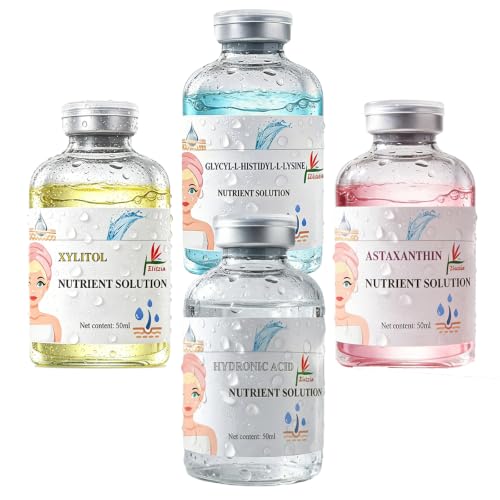
Oxygen Facial Machine Nutrient Solution, Hydrating & Anti-Aging
Xylitol Nutrient Solution: Our Elitzia Xylitol Nutrient Solution is rich in moisturizing ingredients such as glycerin and sodium…
As an affiliate, we earn on qualifying purchases.
As an affiliate, we earn on qualifying purchases.