Microgreens and sprouts differ in their growth stages, nutrients, and safety. Microgreens are grown in soil or medium and take 1-3 weeks to develop, offering richer flavor and more diverse nutrients. Sprouts grow quickly in water, are harvested just a few days after germination, but have a higher risk of bacteria contamination. To enjoy them safely, it’s essential to follow proper hygiene practices. Keep exploring to find expert tips for safe and successful cultivation.
Key Takeaways
- Microgreens are grown from soil or medium and harvested after 1-3 weeks, offering diverse nutrients; sprouts grow in water and are harvested in days.
- Microgreens develop true leaves, have complex flavors, and higher nutrient concentrations; sprouts are tiny shoots with mild taste and fewer nutrients.
- Sprouts are more prone to bacterial contamination due to moist water-based growth; microgreens are generally safer with lower contamination risk.
- Both require proper hygiene; sourcing high-quality seeds and maintaining cleanliness are essential for safe cultivation at home.
- Microgreens need controlled light and temperature, while sprouts require rinsing and water management for safe, successful growth.

When you compare microgreens and sprouts, you’ll find that both are nutrient-packed young plants, but they differ considerably in how they’re grown and consumed. This difference is especially evident in their growing methods and nutritional content. Microgreens are cultivated from seeds that are sprouted and then grown in soil or a soil substitute, usually under controlled light and temperature conditions. You typically harvest microgreens after they develop their first true leaves, which usually takes about one to three weeks. In contrast, sprouts are germinated directly in water, often in jars or trays, and they’re harvested when the tiny shoots are just a few days old. Their growing methods are simpler and faster, but they also influence the nutritional content of each.
Microgreens are grown by spreading seeds over soil or a growing medium, then watering and providing light for photosynthesis. This process allows the plants to develop a broader array of nutrients, including vitamins, minerals, and antioxidants, often in higher concentrations than mature vegetables. Because they grow in soil or a medium that supplies nutrients, microgreens tend to have a richer and more complex nutritional profile. Their vibrant flavors and textures come from the variety of greens you choose to grow, like kale, radish, or beet greens. These young plants concentrate nutrients in their tiny leaves, making them an excellent addition to salads, sandwiches, or smoothies.
Sprouts, on the other hand, are grown in water without soil. You soak seeds in water, rinse them periodically, and allow them to germinate over a few days. Since they are just sprouted seeds, their nutritional content mainly consists of enzymes, some vitamins, and plant proteins. However, they may lack the full spectrum of nutrients found in microgreens, which develop more complex phytochemicals as they grow. While sprouts are quick and easy to produce, their nutritional value is generally less diverse, but they still offer a good source of plant-based nutrients and are popular in health-conscious diets.
Both microgreens and sprouts can be grown at home, but you should be aware of safety concerns, especially with sprouts, which are more vulnerable to bacterial contamination due to their moist environment. Proper hygiene and sourcing seeds from reputable suppliers are essential. Microgreens, while also needing clean growing conditions, tend to be safer because they grow in soil or medium and are harvested after a longer period, reducing the risk of contamination. Understanding the differences in growing methods and nutritional content helps you choose the right option for your health, taste preferences, and gardening setup.
Frequently Asked Questions
Are Microgreens or Sprouts More Nutritious?
You’ll find microgreens more nutritious than sprouts because their growing methods concentrate essential nutrients. Microgreens are harvested after just a few weeks, offering a richer mix of vitamins, minerals, and antioxidants. Sprouts, while still healthy, often have less concentrated nutritional content due to their shorter growth period. If you’re aiming for maximum health benefits, including microgreens in your diet is a smart choice, as they pack a more potent nutritional punch.
How Long Do Microgreens and Sprouts Typically Last?
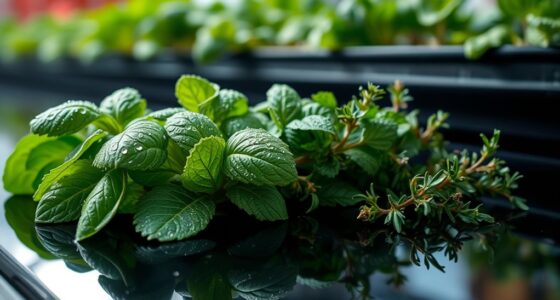
Imagine your vibrant microgreens and fresh sprouts, their colors bright and leaves crisp. Typically, they last about 1-2 weeks when stored properly. Keep microgreens in a breathable container in the fridge’s crisper drawer, and sprouts in a sealed container with a paper towel to absorb excess moisture. These storage tips help extend their shelf life, ensuring you enjoy their freshness and nutrition longer.
Can Microgreens and Sprouts Carry Harmful Bacteria?
Yes, microgreens and sprouts can carry harmful bacteria due to pathogen risks and contamination concerns. Since they grow in moist environments, bacteria like Salmonella or E. coli can thrive if not handled properly. To reduce risks, always buy from reputable sources, wash them thoroughly, and guarantee proper sanitation during growing and preparation. Being vigilant helps you enjoy these nutritious greens safely without exposure to potential contaminants.
Which Is Easier to Grow at Home?
Growing microgreens at home is like planting a tiny garden that blooms quickly. They’re easier than sprouts because you only need a shallow container, some soil or growing medium, and proper lighting. Microgreens thrive with bright, indirect light and flexible container options, making them ideal for small spaces. Sprouts require less equipment but need careful rinsing and controlled moisture, so microgreens are generally the simpler choice for beginners.
Are There Any Allergies Associated With Microgreens or Sprouts?
You might experience allergies to microgreens or sprouts if you’re sensitive to seed allergies or pollen allergies. Some microgreens, like sunflower or cilantro, can trigger seed allergies, while sprouting conditions may release pollen that causes reactions in allergy sufferers. To stay safe, check seed labels carefully, wash greens thoroughly, and observe for any allergic reactions. If unsure, consult with an allergist before adding microgreens or sprouts to your diet.
Conclusion
Now that you know the differences between microgreens and sprouts, imagine holding a handful of vibrant, delicate greens or a jar filled with tiny, sprouting seeds. Each offers a fresh burst of flavor and nutrients, but remember to handle them with care. By following safety tips and choosing wisely, you can enjoy these tiny treasures safely. Embrace the crisp crunch or the tender sprout, and let nature’s miniature wonders brighten your plate and your health.