
Focusing on leaf texture helps you gauge your plant’s overall health better than just tracking growth speed. Healthy leaves are glossy, firm, and show proper adaptation to light and nutrient levels, while dull or fragile leaves warn of deficiencies or environmental issues. By paying attention to texture, you can make precise adjustments to watering, lighting, and fertilization, ensuring stronger, more vibrant plants. Keep exploring how leaf cues can reveal your plant’s full potential and create a thriving indoor garden.

Get garden gear delivered free with Prime
- Fast, free delivery on millions of items
- Prime Video, Amazon Music and more included
- Member-only deals all year
Key Takeaways
- Leaf texture reveals nutrient deficiencies or imbalances that growth speed alone may overlook.
- Healthy leaf texture indicates optimal light exposure and proper fertilization, promoting resilient plants.
- Texture changes can signal environmental stressors before visible growth issues occur.
- Focusing on leaf quality ensures overall plant health, not just rapid growth.
- Monitoring texture helps fine-tune care routines for sustainable, vibrant indoor gardens.
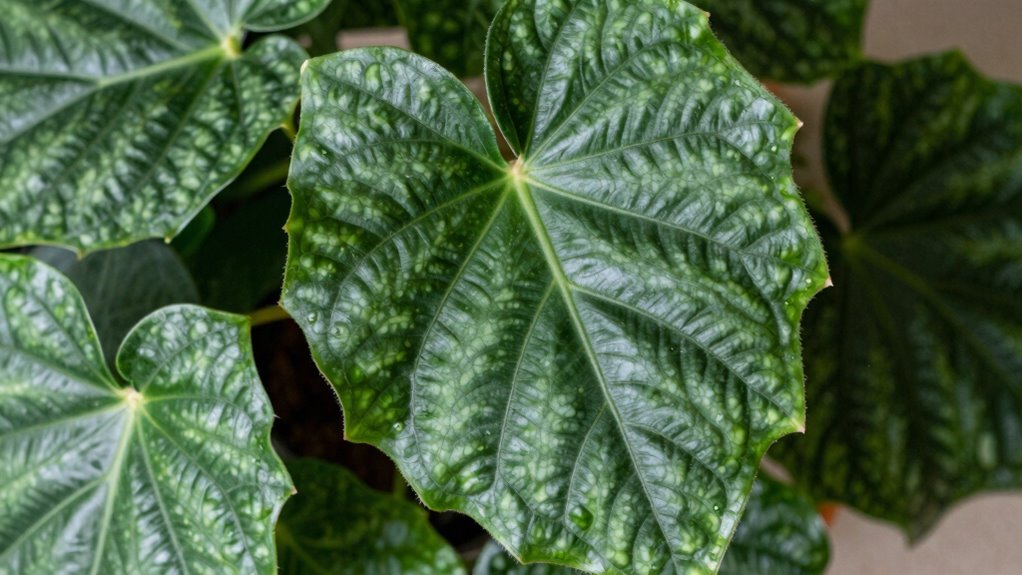
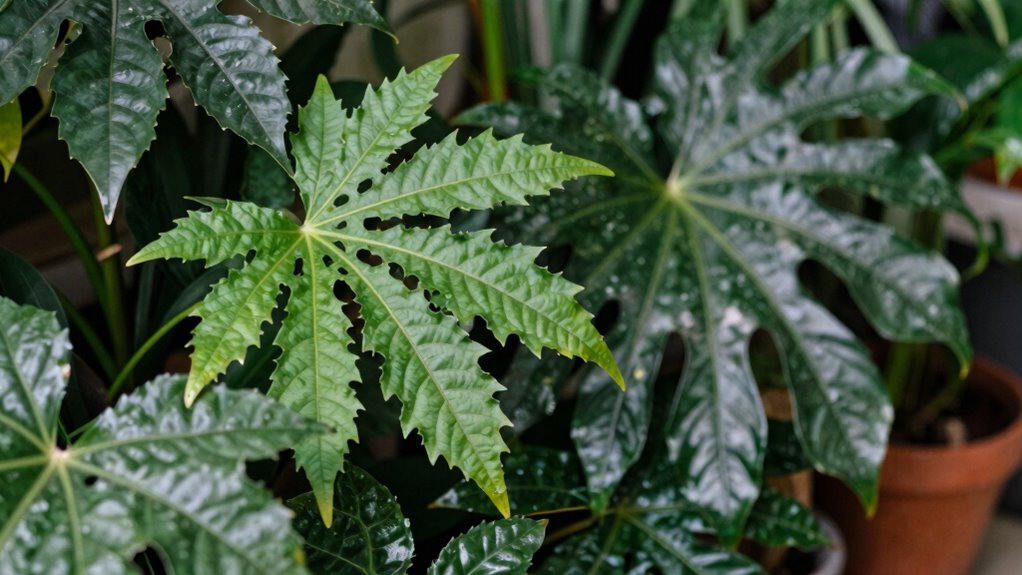
Indoor gardeners often focus on the visual appeal of their plants, and one of the most striking features they appreciate is leaf texture. While growth speed and size often take center stage, paying attention to leaf texture can deepen your understanding of your plants’ health and overall well-being. Leaf texture reveals much about a plant’s nutritional needs and how well you’re maximizing light exposure. When leaves feel thick, waxy, or leathery, it indicates that the plant is adapting to its environment, often in response to light levels and nutrient availability. Recognizing plant adaptation signals can help you respond more effectively to your plants’ changing conditions. Additionally, understanding how leaf texture relates to biodiversity and plant resilience can guide you in fostering a more robust indoor ecosystem.
Healthy leaf texture isn’t just about aesthetics; it signals whether your plant is getting the right nutrients. For instance, a glossy, firm leaf usually means your plant is receiving adequate nitrogen and potassium, which are essential for cell development and strength. Conversely, pale or dull leaves with a papery feel suggest deficiencies or imbalance. By observing these subtle cues, you can adjust your fertilizing routine, ensuring your plant gets the specific nutrients it needs to thrive. Proper plant nutrition directly influences leaf texture, making it a useful guide for maintaining ideal health. Recognizing these signs of nutrient deficiency through leaf texture can prevent more serious issues down the line. Moreover, understanding the significance of leaf texture in plant health can help you develop a more attentive and responsive care routine.
Healthy leaf texture indicates proper nutrients; glossy, firm leaves show good health, while dull, papery leaves signal deficiencies.
Light exposure plays a vital role in shaping leaf texture as well. If your plant isn’t getting enough light, the leaves may become elongated, thin, or weak, reflecting a struggle to photosynthesize efficiently. On the other hand, too much direct sunlight can cause leaves to develop a scorched or crispy texture. To maximize light exposure, you should position your plants where they receive bright, indirect light for most of the day. If natural light is limited, supplement with grow lights that mimic the spectrum of sunlight, promoting healthy leaf growth and texture. Understanding the interaction of light and plant health can further enhance your indoor gardening success.
Understanding the interplay between plant nutritional needs and light exposure helps you cultivate vibrant, textured leaves that enhance the visual appeal of your indoor garden. When you pay attention to leaf texture, you gain insights that go beyond surface appearance. It’s about nurturing your plants at a deeper level, ensuring they’re not just growing quickly but also developing strong, resilient, and beautiful foliage. This approach encourages you to be more mindful of your plant care routine, adjusting watering, fertilizing, and lighting to support their natural tendencies. Ultimately, focusing on leaf texture helps you create an indoor garden that’s not only lush and attractive but also healthy and sustainable.
indoor plant leaf texture monitor
As an affiliate, we earn on qualifying purchases.
As an affiliate, we earn on qualifying purchases.
Frequently Asked Questions
How Does Leaf Texture Affect Plant Health and Resilience?
Your plant’s leaf texture directly impacts its health and resilience. Thick, waxy leaves often boost pest resistance and reduce water loss, making your plants more durable. Fine, soft leaves enhance aesthetic appeal, but may be less pest-resistant. By understanding leaf textures, you can choose varieties that suit your environment, ensuring your indoor garden stays vibrant and healthy. So, pay attention to leaf texture for stronger, more attractive plants.
Can Leaf Texture Influence a Plant’s Drought Tolerance?
Yes, leaf texture can greatly influence a plant’s drought tolerance. Thick, leathery leaves tend to have better water retention and resist drought stress, showcasing higher drought resistance. In contrast, thin, delicate leaves lose moisture quickly and are less drought-resistant. As an indoor gardener, choosing plants with textured leaves suited to your environment helps guarantee they conserve water effectively, thriving even in drier conditions.
Are Certain Leaf Textures Better for Indoor Air Purification?
Certain leaf textures can enhance indoor air purification, especially those with a rough or hairy surface that traps airborne pollutants effectively. You’ll find that textured leaves not only boost aesthetic appeal but also improve pest resistance, reducing maintenance. By choosing plants with specific leaf textures, you can create a healthier, more visually appealing environment while minimizing pest issues, making your indoor garden both functional and attractive.
How Do Different Lighting Conditions Impact Leaf Texture Development?
Different lighting conditions impact your plant’s leaf surface by influencing leaf texture development. A full light spectrum encourages thicker, more textured leaves, while limited or artificial light may lead to smoother, thinner surfaces. You should modify your light setup based on your desired leaf texture, as the spectrum affects cell growth and surface structure. Proper lighting ensures your indoor garden’s foliage looks healthy, lush, and appropriately textured.
Is Leaf Texture Linked to a Plant’s Nutrient Absorption Efficiency?
Yes, leaf texture is linked to a plant’s nutrient absorption efficiency. When your plant has a smoother leaf surface, it often indicates better nutrient uptake, while rougher textures can hinder absorption. Think of the leaf surface as a gatekeeper; a healthy, well-textured leaf allows nutrients to pass through more easily, boosting overall growth. Paying attention to leaf texture helps you fine-tune your care for best plant health.
plant nutrient deficiency test kit
As an affiliate, we earn on qualifying purchases.
As an affiliate, we earn on qualifying purchases.
Conclusion
So, next time you’re tending to your indoor oasis, remember that leaf texture is the secret whisper of your plant’s health. Like the delicate brushstrokes on a masterpiece, each leaf’s feel reveals its story—whether it’s thriving, stressed, or in need of care. Pay close attention, and you’ll nurture not just rapid growth, but a vibrant, resilient garden that dances with life’s subtle textures. Your plants will thank you with a symphony of lush, textured beauty.
As an affiliate, we earn on qualifying purchases.
As an affiliate, we earn on qualifying purchases.
Fall Picks
fall essentials
As an affiliate, we earn on qualifying purchases.