TL;DR
The seasonal houseplant-care guide recommends checking light, potting-mix moisture and indoor conditions as winter brings shorter days and home heating. Because plants and growing conditions differ, it advises monitoring each plant rather than following one seasonal care schedule.
A seasonal houseplant-care guide advises growers to reassess light, watering and indoor conditions as winter brings shorter days, cooler temperatures and drier air from home heating. The guide stresses that care needs vary by species and growing conditions, so there is no single winter schedule that suits every plant.

Get garden gear delivered free with Prime
- Fast, free delivery on millions of items
- Prime Video, Amazon Music and more included
- Member-only deals all year
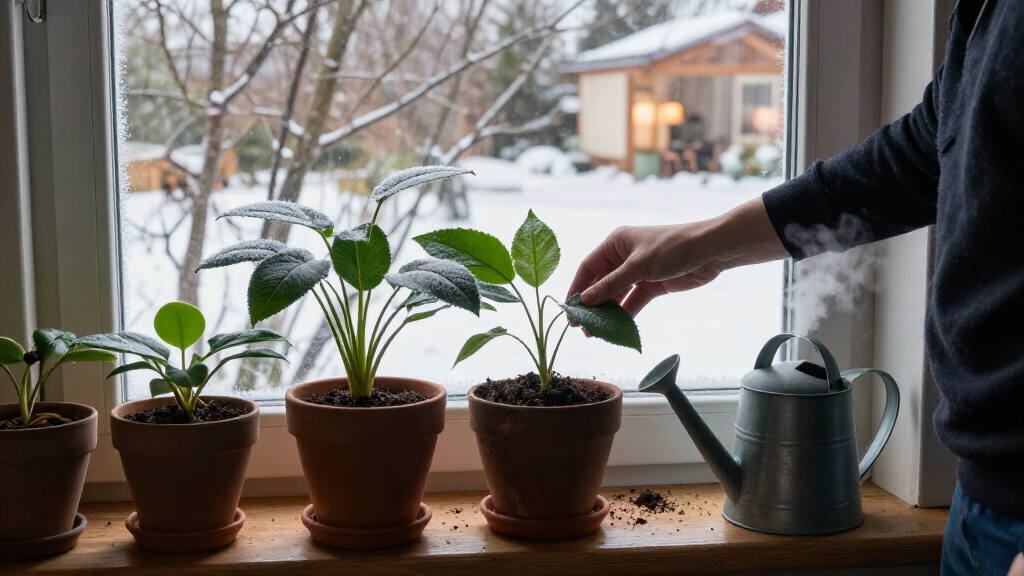
The guide says less daylight can slow growth for many houseplants, particularly in northern locations, as explained in this guide to winter houseplant rest. It gives Montreal as an example: daylight falls from about 15 hours and 40 minutes in June to about 8 hours and 45 minutes in December. It also notes that winter sunlight is less intense. The guide lists smaller leaves, stretching toward a window, yellowing, loss of older leaves and fewer flowers as possible signs of insufficient light, while cautioning that these symptoms can have other causes.
To increase exposure, the guide recommends moving plants closer to bright windows, cleaning the glass and opening curtains; it also suggests removing window screens where practical, a topic covered in this advice on washing windows for houseplants. It says south-facing windows generally receive the most winter sun in much of Canada and the United States. The guide advises placing higher-light plants nearer those windows and lower-light plants farther back or near an east-facing window, while keeping foliage from touching cold glass.
The guide describes grow lights as optional, but potentially useful for plants expected to keep growing through winter. It suggests starting with 12 to 14 hours of light daily on a timer and says the appropriate distance depends on the fixture’s design and output. A light placed too far away may not provide enough illumination, even if it runs for many hours.
On watering, the guide recommends responding to potting-mix moisture rather than a fixed calendar, alongside other winter houseplant care considerations. It explains that reduced light can slow growth and water use, leaving soil wet longer, while a warm, dry home, pot size or a grow light supporting continued growth can affect drying time. It advises checking moisture with a finger or assessing the pot’s weight, and following the species’ preferences. When watering is needed, the guide generally recommends wetting the root ball thoroughly and allowing excess water to drain.
Care for houseplants through winter
Shorter days and home heating change light and moisture conditions. Check each plant and its potting mix rather than following one winter schedule.
Adjust light for the plant
Winter sunlight is shorter and less intense; signs of low light can also have other causes.
Move toward bright windows
Clean the glass and open curtains. Keep foliage from touching cold window glass.
Consider a grow light
For plants expected to keep growing, use a timer and set distance for the fixture’s design and output.
Water by checking the mix
Lower light can slow growth and water use, while a warm, dry home or grow light can change drying time.
Test the potting mix with a finger or lift the pot to judge its weight.
Some plants dry slightly between waterings; others prefer moist mix or thorough drying.
When needed, wet the root ball thoroughly and let excess water drain.
Prevent waterlogged roots
The surface can look dry while lower layers remain wet.
- Use a pot with drainage holes.
- Check below the surface or lift the inner pot from its cachepot.
- Let excess water drain.
- Empty collected water from saucers and cachepots.
Recheck changing conditions
Room temperature, humidity, pot size and growing medium can all affect care.
- Watch where sunlight reaches and keep glass clean.
- Reassess after moving a plant or changing heating or lighting.
- Adjust light, moisture and other conditions to the individual plant.
Winter Changes Plant Care Needs
The guide says winter conditions can affect plants and roots in different ways. Less light often means slower growth and lower water use, while heated indoor air may dry potting mix faster for some plants. For that reason, it cautions against treating “water less in winter” as a universal rule and recommends checking each pot to avoid both saturated roots and drying out plants that remain actively growing.
The guide also emphasizes drainage. It recommends using pots with drainage holes and not leaving water for long in a saucer or decorative outer pot, called a cachepot. It explains that persistently waterlogged mix can limit oxygen around roots and cause them to deteriorate. Because the surface can look dry while lower layers remain wet, the guide advises checking below the surface or lifting the inner pot from its cachepot.
Products Worth Considering

VEVOR Walk-In Tunnel Greenhouse with Watering System, 15 x 7 x 7 ft

Blackstone 22-Inch Tabletop Griddle with Stainless Steel Faceplate

Solo Stove Pi Prime Portable Propane Pizza Oven
As an affiliate, we earn on qualifying purchases.
Shorter Days, Drier Indoor Air
The guide describes winter changes including shorter daylight, less intense sun, colder outdoor conditions and drier indoor air when homes are heated. It says these conditions can alter plant growth and how quickly potting mix dries, and identifies light, watering, humidity and temperature as conditions to monitor. It also says fertilization may need reconsideration.
The guide does not propose a universal formula, noting that houseplants differ in their light needs, growth patterns and preferred soil moisture. It describes many tropical plants as able to dry slightly between waterings, while others prefer consistently lightly moist mix. Cacti and many succulents generally prefer more thorough drying. Some wetland plants tolerate wetter conditions, but most common houseplants do not.
The source provides no single fertilizer schedule or humidity target. Its broader recommendation is to account for the individual species and changing conditions, including when a plant is moved, heating is adjusted or a grow light is added.
Plant Needs Vary by Home
The guide offers general seasonal advice rather than a diagnosis for a particular plant. It notes that yellow leaves, leaf loss, stretched stems and reduced flowering can have causes other than low light and does not identify a specific cause for any individual plant. It also says winter effects depend on species, room temperature, humidity, pot size and growing medium.
The guide does not know which plants a reader has, how much natural light their rooms receive or how quickly their potting mix dries. Its suggested 12-to-14-hour grow-light period is a starting point, not a guarantee of adequate light for every setup; suitable distance depends on the fixture. The source supplies no precise humidity, temperature or fertilization targets.
Monitor Conditions Through Winter
Following the guide’s advice, check each plant as winter conditions change rather than relying on a fixed routine. Observe where sunlight reaches, keep glass clean and watch for contact with cold windows. Before watering, test the mix or lift the pot; afterward, empty collected water from saucers and cachepots. Recheck after moving a plant or changing heating or lighting, since those changes can affect growth and drying time.
For plants that need more light, the guide suggests considering a grow light and adjusting it according to its output and distance from foliage. It leaves species-specific decisions to the grower: match light, moisture and other conditions to each plant’s preferences, then observe its response.
Key Questions
Should I water houseplants less often in winter?
The guide says lower light often slows growth and water use, so potting mix may stay moist longer. Room warmth, dry air, plant type, pot size and lighting also matter. Check the mix before watering instead of following a fixed calendar.
Where should I put houseplants during winter?
The guide recommends moving plants that need more light closer to the brightest windows. It says south-facing windows generally receive the most winter sun across much of Canada and the United States, while lower-light plants may be placed farther into a room. Keep leaves from touching cold window glass.
Do houseplants need a grow light in winter?
Not necessarily. The guide describes grow lights as optional, but says they can help plants continue growing when natural light is limited. It suggests 12 to 14 hours per day as a starting point, with distance set according to the light’s output and design.
How can I tell whether a plant needs water?
The guide recommends checking potting mix with a finger or lifting the pot to judge its weight. Learn whether that plant prefers a slight drying period, consistently moist mix or more thorough drying. When watering, it generally advises moistening the root ball and allowing excess water to drain.
Why should I empty a plant saucer or cachepot?
The guide explains that water left around the pot can keep the mix saturated and reduce oxygen around roots, potentially causing them to deteriorate. Check the bottom of decorative outer pots as well as the soil surface, which may not show how wet the lower mix is.
Source: laidbackgardener.blog