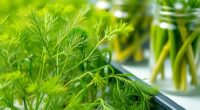
Growing and brewing your own herbal infusions is a simple way to enjoy fresh, flavorful teas while supporting sustainability. You can cultivate herbs like mint, chamomile, and lemon balm in your garden, harvest them at their peak, and dry or use them fresh for brewing. This process enhances your wellness routine and reduces reliance on store-bought products. Keep exploring to discover more tips on cultivating herbs and creating delicious infusions at home.
Key Takeaways
- Choose easy-to-grow herbs like mint, chamomile, and lemon balm for fresh, flavorful infusions.
- Harvest herbs at their peak for maximum flavor and medicinal benefits, then dry them properly.
- Brew herbal infusions by steeping fresh or dried herbs in hot water to create personalized teas.
- Incorporate mindful harvesting and brewing practices to enhance relaxation and connect with nature.
- Growing herbs at home reduces packaging waste and supports eco-friendly, sustainable living.

Have you ever wondered how herbal infusions can enhance your wellness routine? Crafting your own herbal infusions isn’t just about enjoying a soothing beverage; it’s a way to tap into the powerful herbal benefits while promoting sustainable gardening. Growing your own herbs allows you to select the freshest leaves, which means your infusions will be richer in nutrients and flavor. Plus, cultivating herbs at home reduces reliance on store-bought products, cutting down on packaging waste and supporting eco-friendly practices. When you grow herbs sustainably, you’re not only benefiting your health but also contributing to a healthier planet.
Growing herbs sustainably enriches your wellness routine and helps protect the environment.
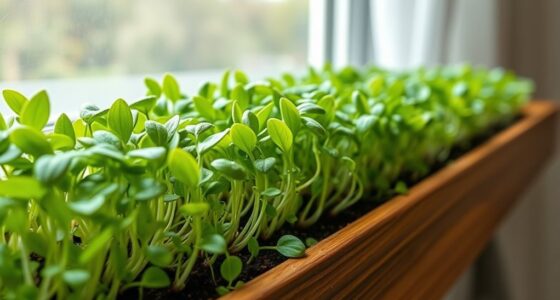
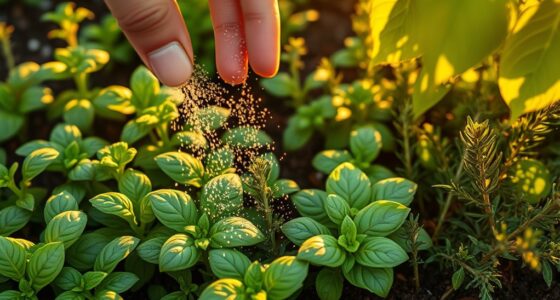
Starting a herbal garden is simple, especially if you choose easy-to-grow plants like mint, chamomile, or lemon balm. These herbs thrive in various climates and require minimal resources, making them ideal for sustainable gardening. By planting your herbs organically, you avoid harmful pesticides and synthetic fertilizers, ensuring that your infusions are pure and free of chemical residues. This approach enhances the herbal benefits, as you can be confident that your herbs are as natural as possible. Over time, you’ll notice your garden becoming a vibrant source of fresh herbs, ready to be harvested whenever you want to brew a calming tea or invigorating infusion.
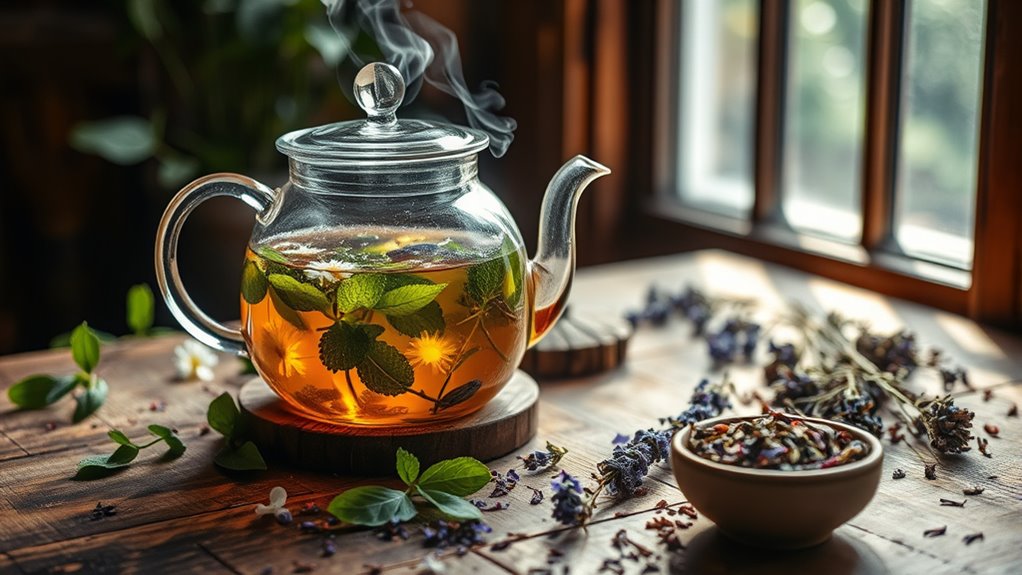
Once your herbs are established, harvesting becomes an essential part of the process. Picking herbs at their peak ensures you capture the full spectrum of flavors and medicinal properties. Drying them properly, away from direct sunlight, preserves their essential oils and active compounds. Proper herbal drying techniques can significantly extend the shelf life and potency of your herbs, ensuring you enjoy their benefits long after harvest. When it’s time to brew, simply steep the fresh or dried herbs in hot water, allowing their natural flavors and herbal benefits to infuse into your cup. The result is a personalized, aromatic tea that’s both delicious and nourishing. This practice encourages mindfulness and a deeper connection to nature, turning your tea time into a relaxing ritual that supports your overall well-being.
Growing and brewing your own herbal infusions promotes a sustainable lifestyle and offers countless health benefits. It’s a rewarding way to integrate nature’s healing power into your daily routine while reducing your environmental footprint. As you nurture your garden and experiment with different herbs, you’ll discover new flavors and remedies, making every cup a reflection of your dedication to wellness and sustainability. So, why not start today? Embrace the joys of sustainable gardening and enjoy the herbal benefits of your very own herbal infusions. Your body, mind, and planet will thank you.
Frequently Asked Questions
What Are the Best Herbs for Beginners?
If you’re new to herb harvesting and infusion flavoring, start with easy-to-grow herbs like mint, basil, and chamomile. These herbs thrive with minimal care, making them perfect for beginners. You can harvest leaves regularly to keep plants healthy and use them to create flavorful infusions. Their versatile flavors add a invigorating touch to your teas, and growing these herbs is a simple way to enhance your herbal brewing experience.
How Long Can Homemade Herbal Infusions Be Stored?
Think of your homemade herbal infusions as fine wines—they need proper care to stay fresh. Usually, you can store dried herbs for 6 to 12 months if you use good herb drying techniques and keep them in airtight containers. Follow storage safety tips by keeping them away from sunlight, heat, and moisture. This way, your herbal infusions will stay flavorful and safe to enjoy over time.
Are There Any Herbs to Avoid During Pregnancy?
You should always consider herb safety and pregnancy precautions before using herbs during pregnancy. Some herbs, like basil, parsley, and rosemary, are best avoided because they may stimulate contractions or cause other issues. Always consult your healthcare provider to verify an herb is safe for you. Staying informed about safe herb choices helps protect your health and your baby’s development throughout pregnancy.
Can I Mix Different Herbs in One Infusion?
You can mix different herbs in one infusion, but use blending techniques carefully to balance flavors and prevent overpowering any single herb. Experiment with flavor combinations that complement each other, such as mint and lemon or chamomile and vanilla. Always start with small amounts to taste, and remember that some herbs may interact or cause reactions. Mixing thoughtfully ensures a delightful and safe herbal infusion experience.
What Equipment Is Essential for Brewing Herbal Teas?
Think of your brewing setup as the orchestra conductor for perfect herbal teas. To get started, you’ll need essential equipment like tea strainers to catch loose herbs and herbal infuser bottles for steeping. These tools help you control the flavor and clarity of your infusions. With just these essentials, you’re ready to craft delicious, aromatic herbal teas anytime, turning simple ingredients into a symphony of soothing flavors.
Conclusion
As you craft your herbal infusions, remember each sip is a quiet promise of self-care and discovery. Like planting seeds in fertile ground, your patience nurtures growth and healing. With every brew, you’re tending a garden of calm and clarity within yourself. Embrace this ritual as a symbol of your nurturing spirit—each cup a small, blooming reminder that you hold the power to cultivate wellness from nature’s gentle gifts.