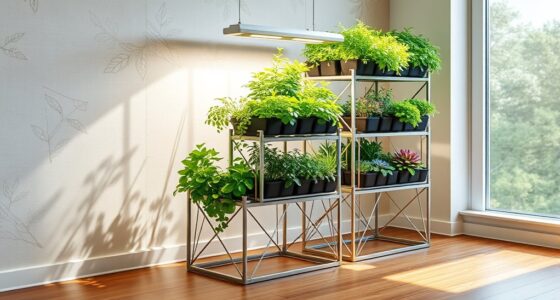
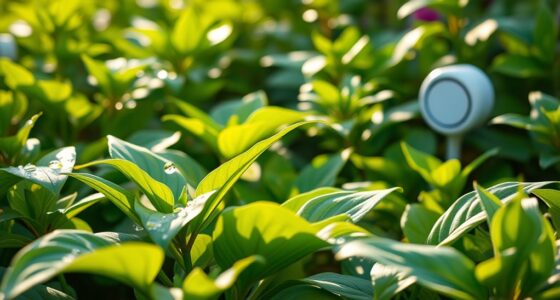
For a silent, reliable ventilation setup, you want a system that provides fresh air, controls odors, and keeps noise to a minimum. Look for energy-efficient fans with advanced noise-reduction technology and activated carbon filters for discreet odor management. Proper airflow prevents hot spots and maintains humidity, creating a healthy environment for your plants. If you keep exploring, you’ll discover more tips on building the perfect quiet ventilation system for your indoor garden.

Get garden gear delivered free with Prime
- Fast, free delivery on millions of items
- Prime Video, Amazon Music and more included
- Member-only deals all year
Key Takeaways
- Quiet, energy-efficient fans that operate silently to prevent noise disturbance during indoor gardening.
- Effective odor control solutions like activated carbon filters to maintain discretion and freshness.
- Proper ventilation systems that ensure even airflow, preventing hot spots and stagnant air.
- Reliable, low-maintenance setups that regulate humidity and temperature consistently.
- Compact, discreet designs that blend seamlessly into indoor environments without drawing attention.

Have you ever wondered why some indoor gardens thrive while others struggle? The answer often comes down to proper ventilation. Good air circulation is essential because it guarantees your plants receive fresh air, which helps prevent issues like mold, pests, and stagnant environments. Without enough airflow, your plants can become stressed, leading to slow growth or disease. A well-designed ventilation system moves air evenly throughout your space, keeping humidity levels balanced and preventing hot spots that could damage delicate leaves. When air circulates properly, it also discourages the buildup of excess heat from grow lights, helping to maintain a stable environment for your plants.
Proper ventilation keeps indoor gardens healthy by ensuring fresh air, preventing mold, pests, and uneven humidity.
Odor control is another significant factor that many indoor gardeners overlook until it becomes a problem. As your plants grow and mature, especially flowering or fruiting varieties, they can produce strong smells that might become overwhelming or undesirable in your home. A silent ventilation setup not only manages airflow but also helps control these odors effectively. Many odor control systems use activated carbon filters or other stealthy technologies that work quietly in the background, removing odors before they escape into your living space. This way, you enjoy the benefits of a thriving garden without sacrificing comfort or privacy.
You want a system that’s unobtrusive—silent, even—so it doesn’t disturb your daily routines or sleep. Modern ventilation setups use advanced fans and filters designed for quiet operation, giving you the airflow you need without the noise. This is especially important if your garden is in a shared space or near your living area. You shouldn’t have to deal with loud humming or whirring sounds that distract or annoy you. Instead, you get a seamless, almost invisible system that works behind the scenes to keep the environment perfect and odor-free. Incorporating soundproofing technology can further enhance the quiet operation of your setup, ensuring minimal disturbance. Additionally, choosing energy-efficient fans can help reduce ongoing operating costs while maintaining optimal airflow.
A silent ventilation setup also gives you peace of mind. It’s easy to forget how essential airflow and odor control are until something goes wrong. When you have a reliable, quiet system in place, you know your plants are getting the fresh air they need and that any odors are being managed discreetly. Proper ventilation systems are crucial for maintaining a healthy environment, especially since they help regulate humidity and temperature. Using airflow management techniques can optimize your system’s efficiency and effectiveness. This creates a healthier, more pleasant environment for both your plants and yourself. Ultimately, investing in a well-designed, silent ventilation setup transforms your indoor gardening experience—making it more successful, enjoyable, and hassle-free.
As an affiliate, we earn on qualifying purchases.
Frequently Asked Questions
How Often Should I Clean My Ventilation System?
You should clean your ventilation system every 3 to 6 months, depending on your indoor garden’s size and air quality. Regular air filter maintenance is vital to keep airflow at its best and prevent mold or pests. Consider ventilation system upgrades if you notice reduced airflow or increased noise. Keeping your system clean and upgraded guarantees a healthy environment for your plants and improves overall air quality.
Can Ventilation Improve Plant Growth in Small Indoor Spaces?
Think of your indoor garden as a thriving heart, where air circulation is the pulse and CO2 enrichment fuels growth. Proper ventilation boosts plant growth in small spaces by revitalizing the environment and ensuring even distribution of nutrients. With good airflow, plants receive essential CO2, promoting healthier, faster development. So, yes—effective ventilation acts as the lifeblood of your garden, opening its full potential and creating a more vibrant, productive oasis.
What’s the Ideal Humidity Level for Indoor Gardens?
You should aim for a humidity level between 40-60% for your indoor garden. Proper humidity control helps prevent mold and pests while supporting healthy plant growth. To achieve this, optimize airflow with your ventilation system, ensuring consistent circulation and preventing stagnant air. Regularly monitor humidity levels with a hygrometer, adjusting your ventilation or adding a humidifier or dehumidifier as needed to maintain ideal conditions for your plants.
Are There Eco-Friendly Ventilation Options Available?
Eco-friendly ventilation options are so advanced, they practically breathe for you. You can harness natural filtration and promote efficient air exchange with solar-powered fans or passive vents that blend seamlessly into your garden design. These solutions not only cut energy use drastically but also keep your indoor environment fresh and healthy. Embrace green tech, and watch your garden thrive while you do your part for the planet!
How Do I Reduce Noise From My Ventilation System?
To reduce noise from your ventilation system, focus on noise reduction techniques like installing soundproof ducting and vibration dampers. Regular ventilation maintenance is key; clean and check fans and filters to keep noise levels down. You can also add acoustic insulation around ductwork and mount fans on vibration-absorbing pads. These steps help keep your indoor garden peaceful, ensuring your system runs quietly while maintaining ideal airflow.
activated carbon filter for grow room
As an affiliate, we earn on qualifying purchases.
As an affiliate, we earn on qualifying purchases.
Conclusion
Think of your indoor garden as a delicate symphony, each element in perfect harmony. A silent ventilation system acts as the conductor, quietly guiding the airflow without disrupting the melody of growth. When you choose the right setup, your plants flourish in a peaceful, balanced environment—like a serene breeze gently stirring leaves. With this harmony, your indoor garden becomes a thriving oasis, whispering life and importance in every breath.
quiet exhaust fan for indoor garden
As an affiliate, we earn on qualifying purchases.
As an affiliate, we earn on qualifying purchases.
energy-efficient ventilation system for plants
As an affiliate, we earn on qualifying purchases.
As an affiliate, we earn on qualifying purchases.
Halloween Picks
halloween
As an affiliate, we earn on qualifying purchases.