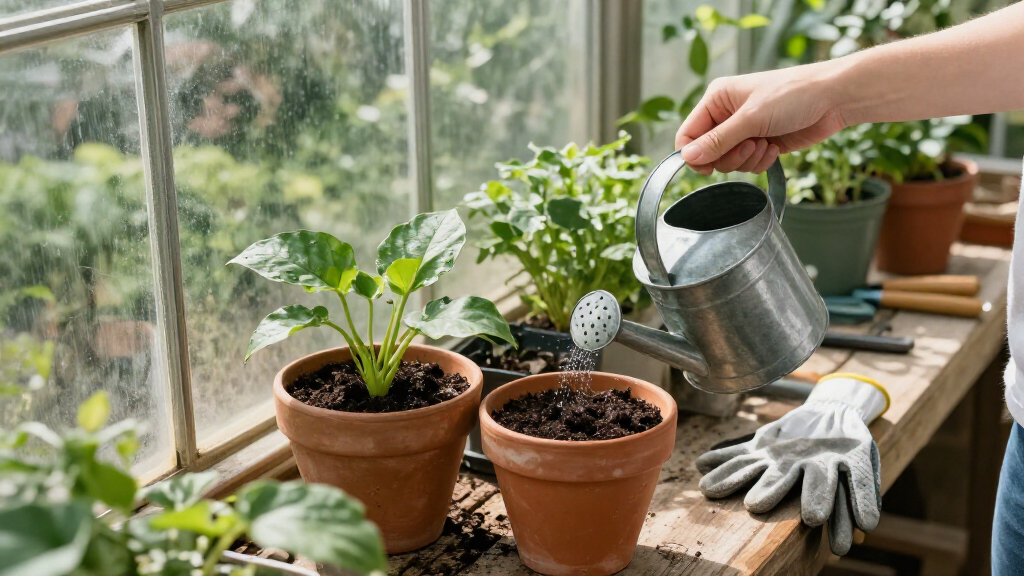
The best houseplant supplies depend on what your plants need most: a better growing medium, dependable feeding, easier watering checks, or help with pests and repotting. My best overall pick is Miracle-Gro Indoor Potting Mix for All Plants, a practical starting point for routine indoor planting; the XLUX Plant Soil Moisture Meter stands out for growers who struggle to judge watering, while Bonide Systemic Houseplant Insect Control Granules addresses pest problems rather than everyday care. The main tradeoffs are convenience versus control, general-purpose formulas versus specialized materials, and bundled quantities versus buying only what you need. I compare all 15 options by purpose, ease of use, versatility, and limitations. Continue reading for the full breakdown and help matching supplies to your plant-care routine.

Get garden gear delivered free with Prime
- Fast, free delivery on millions of items
- Prime Video, Amazon Music and more included
- Member-only deals all year
Complete the kit


Key Takeaways
- Miracle-Gro Indoor Potting Mix for All Plants earns the overall lead because it serves a common need—refreshing indoor potting soil—while specialized mixes such as orchid bark and perlite are better used as targeted components.
- The fertilizer lineup splits by application style: liquid options offer flexible feeding, spikes reduce routine measuring, and water-soluble food requires mixing before use.
- XLUX’s battery-free moisture meter offers a different kind of value from soil amendments: it can help growers who tend to water by schedule rather than checking the root zone.
- Back to the Roots Organic Indoor Potting Mix and Miracle-Gro mixes give buyers a meaningful choice between an organic-focused formulation and familiar general-purpose indoor options.
- The roundup includes both prevention and problem-solving supplies: the repotting mat and scissors support maintenance, while Bonide granules are aimed at active insect-control needs and call for label-directed use.




| houseplant supplie | Brand |
|---|---|
| Miracle-Gro Water Soluble All- | Miracle-Gro |
| Miracle-Gro Indoor Potting Mix | Miracle-Gro |
| Miracle-Gro Houseplant Potting | Miracle-Gro |
| Bonide Systemic Houseplant Ins | Bonide |
| XLUX Plant Soil Moisture Meter | XLUX |
| Back to the Roots Organic Indo | — |
| Indoor Plant Food | TPS Nutrients |
| Miracle-Gro Indoor Plant Food | Miracle-Gro |
| HNXTYAOB Waterproof Repotting | — |
| Better-Gro Orchid Bark | Better-Gro |
| Miracle-Gro Indoor Plant Food | Miracle-Gro |
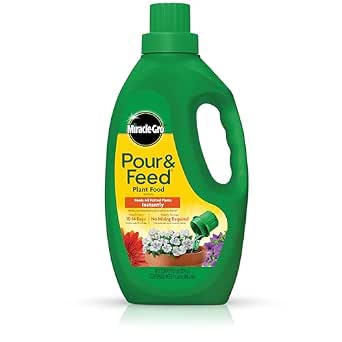
| Miracle-Gro Pour & Feed Liquid | Miracle-Gro |
| VIVOSUN 6.5-Inch Gardening Sci | VIVOSUN |
| Back to the Roots Organic Perl | Back to the Roots |
| Purived All-Purpose Liquid Pla | Purived |
More Details on Our Top Picks
Miracle-Gro Water Soluble All-Purpose Plant Food, 1.5 lb
One fertilizer for indoor and outdoor plants gives this mix a broader role than the houseplant-specific options in this roundup. Diluted at the listed indoor rate, it can feed a range of plants, while the same package also covers outdoor containers and garden beds. The 24-8-16 NPK ratio and quick-acting, water-soluble format suit plant owners who prefer to add feeding to a watering routine rather than use slow-release mix alone.
The tradeoff is the extra measuring and repeat schedule: indoor plants need feeding every two weeks, unlike the Miracle-Gro Indoor Potting Mix, which includes up to six months of feeding. I’d choose this for a varied collection that needs adjustable feeding, but skip it if mixing fertilizer or keeping to a regular schedule is a hassle.
Pros:- Suitable for a broad range of indoor and outdoor plants
- Water-soluble formula starts working when applied as directed
- Can be used for container plants and in-ground gardens
- One package provides separate mixing rates for indoor and outdoor use
Cons:- Must be measured and mixed with water before application
- Indoor plants need repeat feeding every two weeks
- Requires careful dilution to follow the stated application directions
Best for: Houseplant owners who also care for outdoor containers or garden plants and want one fertilizer with separate indoor and outdoor mixing rates.
Not ideal for: Busy plant owners who want a low-maintenance feeding routine or anyone who prefers a ready-to-use liquid or fertilizer included in potting mix.
- Brand:Miracle-Gro
- Weight:1.5 lb
- NPK ratio:24-8-16
- Plant coverage:Indoor and outdoor plants
- Application:Mix with water before use
- Indoor mixing rate:1/2 tsp per gallon of water
- Indoor reapplication:Every 2 weeks
- Outdoor reapplication:Every 7 to 14 days
- Coverage:Approximately 600 sq. ft.
Our verdict“Choose this if you want one adjustable fertilizer for houseplants and outdoor plants; choose the Miracle-Gro Indoor Potting Mix for less frequent feeding work.”
Miracle-Gro Indoor Potting Mix for All Plants, 6 qt, 2-Pack
Two ready-to-use bags make this a practical pick for repotting several houseplants, rather than buying one small batch for a single container. Its peat moss, coconut coir, and perlite blend is designed to retain and release water, while the formula feeds plants for up to six months. Compared with the Miracle-Gro Houseplant Potting Mix, this pack supplies more total mix and is suited to a wider range of indoor plants, including herbs and flowering plants.
The bark- and compost-free formula is designed to reduce fungus gnat habitat, but it is still an indoor container mix—not an all-purpose option for garden beds. Coverage also depends on each plant’s root ball and pot size, so the stated four 6-inch containers per bag is a guide, not a guarantee. I’d pick it for a planned batch of indoor repotting, not for outdoor use or a one-pot job.
Pros:- Two bags provide more mix for multiple indoor repots
- Ready to use without blending or preparation
- Feeds houseplants for up to six months
- Bark- and compost-free formula is designed to reduce fungus gnat habitat
Cons:- Designed for indoor container plants rather than general outdoor use
- Actual container coverage varies with pot size and root ball
- Water retention may not suit every plant or watering routine
Best for: Houseplant owners repotting several indoor containers, including foliage plants, herbs, or flowering plants, who want ready-to-use mix with built-in feeding.
Not ideal for: Gardeners looking for one mix for outdoor beds or buyers who need soil for only a single small repot.
- Brand:Miracle-Gro
- Pack count:2
- Volume:6 qt per bag
- Ingredients:Sphagnum peat moss, coconut coir, and perlite
- Feeding duration:Up to 6 months
- Suitable for:Indoor container plants, including herbs, foliage, climbing, and flowering plants
- Formula:Does not contain compost or bark
- Coverage:Each bag fills about four 6-inch containers
Our verdict“Choose this two-pack for several indoor repots and built-in feeding, while the single 4-quart mix makes more sense for a smaller job.”
Miracle-Gro Houseplant Potting Mix, 4 qt
A compact, houseplant-focused bag makes this a straightforward choice when one tropical plant needs fresh soil rather than several containers needing a bulk supply. The blend combines perlite, peat moss, coir, fertilizer, and a wetting agent, and feeds plants for up to six months. That built-in feeding sets it apart from potting media without fertilizer, while its formulation is intended to be less prone to fungus gnats.
Compared with the Miracle-Gro Indoor Potting Mix 2-Pack, this option offers less total mix and is aimed at indoor tropicals, but the smaller 4-quart size may be easier to match to one repot. Its stated coverage is one 8-inch container, though root-ball size changes the amount needed. A container with drainage is required, and this is not the pick for outdoor beds or a multi-plant repotting day.
Pros:- Includes fertilizer for up to six months of feeding
- Blend contains perlite, peat moss, coir, and a wetting agent
- Formulated to be less prone to fungus gnats
- Sized for a focused indoor repot rather than a large supply
Cons:- One bag is listed to fill only one 8-inch container
- Actual coverage varies with root-ball size
- Requires a container with drainage
Best for: A houseplant owner refreshing one indoor tropical, such as a pothos, monstera, or spider plant, in a pot with drainage.
Not ideal for: Anyone repotting several plants at once, needing outdoor potting soil, or using a container without drainage.
- Brand:Miracle-Gro
- Volume:4 qt (128 oz)
- Pack count:1
- Ingredients:Perlite, sphagnum peat moss, coir, fertilizer, and wetting agent
- Feeding duration:Up to 6 months
- Recommended use:Indoor tropical container plants
- Coverage:One 8-inch container
Our verdict“Choose this for a single indoor tropical repot; the two-pack is a better fit when several containers need fresh mix.”
Bonide Systemic Houseplant Insect Control Granules, 8 oz
Root-absorbed protection lasting up to eight weeks gives these granules a different purpose from the soil mixes and feeding products elsewhere in the lineup: they are for listed insect problems, not routine plant care. The ready-to-use granules are mixed into soil and watered in, avoiding the need to prepare a spray. Their low-odor format may also suit indoor containers better than a strong-smelling treatment.
Unlike the XLUX Plant Soil Moisture Meter, which helps guide watering without treating pests, this product acts on insects that feed on treated plants. That narrower function comes with firm limits: it is not intended for edible plants, including herbs, vegetables, or fruit-bearing plants, and it only affects insects that feed on plants. I’d reserve it for eligible ornamental containers where longer-lasting treatment is wanted, not as a general preventative for every plant.
Pros:- Ready-to-use granules do not require liquid mixing
- Root-absorbed protection lasts up to eight weeks
- Low-odor format suits indoor container use
- Can be used on indoor and outdoor container plants
Cons:- Not intended for edible plants, including herbs and fruit-bearing plants
- Only affects insects that feed on treated plants
- Must be mixed evenly into soil and watered in
Best for: Plant owners dealing with listed insect pests on indoor or outdoor ornamental container plants who want a ready-to-use treatment with extended protection.
Not ideal for: People growing herbs, vegetables, fruit-bearing plants, or anyone seeking a broad treatment for insects that do not feed on the plant.
- Brand:Bonide
- Form:Granules
- Net weight:8 oz
- Protection duration:Up to 8 weeks
- Application:Mix evenly into soil and water in
- Suitable for:Indoor and outdoor container plants
- Not intended for:Edible plants, including herbs, vegetables, and fruit-bearing plants
- Model number:951
Our verdict“Choose these granules for eligible ornamental containers with feeding-insect concerns, and skip them for edible plants or general plant maintenance.”
XLUX Plant Soil Moisture Meter, Battery-Free
A battery-free dial for checking soil moisture makes this a practical tool for plant owners who tend to water by habit instead of checking near the roots. Its slim stainless steel probe is designed to disturb less soil than a broader tool, and the large color-coded dial translates readings across 10 scales into a quick dry-to-wet reference. Unlike the Miracle-Gro Water Soluble All-Purpose Plant Food, it does not feed plants; it helps inform when watering may be needed.
The tradeoff is that readings apply to soil only, so it cannot check water or other liquids. The probe also needs to be removed within five minutes, wiped clean, and stored in its sleeve. I’d choose it for someone building a more consistent watering routine across indoor and outdoor pots, but skip it if a simple finger check already works or if you need a tool for liquid measurements.
Pros:- Battery-free operation provides readings without charging or replacement batteries
- Large color-coded dial is quick to read
- Slim stainless steel probe is designed to minimize soil disturbance
- Can be used with indoor or outdoor soil
Cons:- For soil use only and not suitable for liquids
- Probe should be removed within five minutes after insertion
- Needs cleaning and careful storage after use
Best for: Houseplant owners who want a quick soil-moisture check near roots, especially those managing several pots with different watering needs.
Not ideal for: People who need to test liquids, want a device that can remain in the soil, or are comfortable judging moisture without a meter.
- Brand:XLUX
- Model:T10
- Probe material:304 stainless steel
- Power:No batteries required
- Display:Color-coded dial with 10 scales
- Dimensions:2.36 in W × 10.24 in H
- Use:Soil only; remove within 5 minutes after insertion
- Pack quantity:1
Our verdict“Choose this for quick soil checks across a varied plant collection; choose fertilizer instead only when the need is feeding, not watering guidance.”
Back to the Roots Organic Indoor Potting Mix, 6 Quarts
For indoor growers who want peat-free soil, this mix pairs organic yucca extract with mycorrhizae and dolomitic limestone. The yucca is intended to help the mix retain moisture, while mycorrhizae support root development and nutrient uptake; limestone helps balance acidity. Compared with Miracle-Gro Indoor Potting Mix for All Plants, this pick stands out for its peat-free formula and the stated absence of bark and compost, which may appeal to growers trying to reduce indoor gnat concerns. Its 6-quart bag is a practical amount for a few pots, but it is not an all-purpose outdoor medium, and the product data does not describe a specialized mix for plants with unusual drainage needs. Choose it for routine indoor repotting, not as a single soil solution for every garden task.
Pros:- Peat-free formula for buyers avoiding peat-based mixes
- Yucca extract is included to help retain moisture
- Mycorrhizae support root development and nutrient uptake
- Made without bark or compost, which may reduce sources associated with indoor gnats
Cons:- Formulated for indoor plants rather than outdoor gardening
- A 6-quart bag may not cover many large pots or frequent repotting
- Not presented as a specialized medium for plants with distinct drainage requirements
Best for: Houseplant owners seeking a peat-free indoor mix for repotting a small collection and wanting ingredients intended to support moisture retention and root development
Not ideal for: Gardeners who need one potting medium for indoor and outdoor beds, or growers whose plants require a specialized gritty or bark-heavy mix
- Volume:6 quarts
- Weight:3.6 pounds
- Peat-free:Yes
- Notable ingredients:Organic yucca extract, mycorrhizae, and dolomitic limestone
- Made in:USA
- Pack count:1
Our verdict“Pick this 6-quart mix for peat-free indoor repotting, but choose a plant-specific medium when your collection needs a distinct soil structure.”
Indoor Plant Food, Complete Liquid Fertilizer for Houseplants, 8 oz
This liquid concentrate suits plant owners who already water with a can and want to fold feeding into that routine. It is described as suitable for a broad range of houseplants, from pothos and monstera to snake plants and peace lilies, and its kelp-enriched formula is intended to support roots and foliage. Unlike Miracle-Gro Indoor Plant Food, which can be applied directly or mixed and comes as a two-bottle pack, this option is a single concentrate that requires dilution. That gives the grower control over mixing, but adds a measuring step and means feeding is less convenient when time is short. The 8-ounce bottle also offers less format flexibility than a larger container. I’d choose it for a varied indoor collection and a regular watering-can routine, rather than for anyone wanting a ready-to-apply feed.
Pros:- Suitable for a wide range of indoor plants
- Kelp-enriched formula is intended to support root growth
- Concentrate can be incorporated into a regular watering routine
- Gentle formula is described as suitable for weekly feeding
Cons:- Must be mixed with water before application
- Available in an 8-fluid-ounce bottle, which may be limiting for larger collections
- Formulated for indoor plants rather than outdoor use
Best for: Houseplant owners with several indoor species who routinely use a watering can and are comfortable measuring concentrate into water
Not ideal for: Growers who want a ready-to-use fertilizer, dislike mixing, or need a larger bottle for frequent feeding across a big collection
- Brand:TPS Nutrients
- Form:Liquid
- Liquid volume:8 fluid ounces
- Application method:Watering can
- Mixing ratio:2 ounces per gallon or 1 tablespoon per gallon
- Target plants:Indoor plants
Our verdict“Choose this concentrate if you want one fertilizer for varied houseplants and do not mind measuring it into watering-can water.”
Miracle-Gro Indoor Plant Food for All Plants, 8 fl oz, 2-Pack
For convenience across a mixed indoor container garden, this two-bottle set offers two application routes: apply the liquid directly to soil and water, or dilute four pumps in a quart of water. The listed target plants include houseplants, flowers, vegetables, and herbs, making it broader in scope than TPS Nutrients Indoor Plant Food, which is specifically framed for houseplants and requires dilution. The tradeoff is a defined two-week reapplication schedule; it is not a set-and-forget option, and larger pots call for a different dose of two pumps followed by watering. The two 8-ounce bottles provide a ready supply, though the directions still require attention to container size and repeat timing. I’d favor it when ease and plant variety matter more than a weekly-feed concentrate routine.
Pros:- Suitable for a range of indoor container plants, including herbs and vegetables
- Can be applied directly to soil or mixed with water
- Two 8-fluid-ounce bottles provide a supply for repeated feeding
- Feeds plants instantly, according to the product description
Cons:- Requires reapplication every two weeks
- Dose changes for larger pots, adding a step to feeding
- The stated use is for indoor container plants, not outdoor garden beds
Best for: Indoor gardeners with a mix of houseplants, herbs, flowers, or vegetables who want direct-application or diluted feeding options
Not ideal for: Plant owners who prefer less frequent feeding, need outdoor fertilizer, or want a single dosing instruction for pots of different sizes
- Brand:Miracle-Gro
- Form:Liquid
- Bottle size:8 fluid ounces
- Pack size:2 bottles
- Application options:Apply directly to soil and water, or dilute in water
- Mixing ratio:4 pumps per quart of water
- Application frequency:Every two weeks
- Target plants:Indoor container houseplants, flowers, vegetables, and herbs
Our verdict“Choose this set for flexible feeding across varied indoor containers, provided you are willing to follow its two-week schedule and pot-size directions.”
HNXTYAOB Waterproof Repotting Mat, 27 x 27 Inches
This mat is a tidy-workstation tool for small indoor repotting jobs, not a substitute for a large gardening surface. Snap the corners together to make a shallow tray that helps contain soil and water; afterward, the waterproof polyethylene can be wiped or rinsed, dried, and folded or rolled for storage. Compared with the Back to the Roots Organic Indoor Potting Mix, which helps with the planting medium itself, this mat addresses the mess around the task. Its 27-by-27-inch footprint is handy for succulents and small pots, but limits room for large containers or spreading out several supplies. The foldable design and included strap make storage straightforward, though corner snaps and a compact surface are less suited to heavy-duty, high-volume repotting. I’d pick it for an apartment or occasional small-plant refresh.
Pros:- Waterproof on both sides to help contain soil and water
- Snapped corners form a tray around small repotting jobs
- Can be wiped or rinsed, then dried for reuse
- Folds or rolls for storage and includes a strap
Cons:- The 27-by-27-inch work area is limited to small plants and compact tasks
- A small mat leaves little room for large pots or several supplies
- Corner snaps create a shallow tray rather than a large, rigid work surface
Best for: Apartment plant owners who repot succulents and small houseplants at a table and need a reusable, storable surface to contain soil
Not ideal for: Growers repotting large floor plants, multiple big pots at once, or needing a broad work area for extensive soil mixing
- Dimensions:27 x 27 inches
- Material:Polyethylene (PE)
- Color:Pale green
- Shape:Square
- Features:Waterproof on both sides, foldable, reusable, portable, and quick-drying
- Included components:Repotting mat and strap
- Recommended use:Small potted plants and succulents
Our verdict“Choose this mat for cleaner, occasional repotting of small plants when compact storage matters more than a large work area.”
Better-Gro Orchid Bark – Potting Medium for Orchids & Tropical Plants, 4 qt
Epiphytic orchids and other bark-friendly tropicals need a different medium from the general indoor mix in this roundup. Better-Gro uses grower’s-grade western fir bark, with the product description highlighting drainage, water retention, and root development. That makes it a more targeted option than Back to the Roots Organic Indoor Potting Mix, which is designed as a peat-free indoor potting mix rather than an orchid bark medium. Bark can also serve as a base for custom blends, giving experienced growers room to adjust a mix for their plants. The tradeoff is its specialization: the listing says it is not ideal for terrestrial orchids, and some plants may need additional components to meet their growing needs. I’d buy it for epiphytic orchids or a bark-based tropical blend, not as a universal houseplant soil.
Pros:- Western fir bark provides a plant-specific alternative to general potting mixes
- Described as supporting drainage, water retention, and root development
- Can be used for potting, repotting, or as a base for custom mixes
- Suitable for epiphytic orchids, bromeliads, ferns, and other tropical plants
Cons:- Not ideal for terrestrial orchids
- Some plants may need additional components to suit their growing needs
- A specialized bark medium is less versatile as a general-purpose houseplant mix
Best for: Orchid growers with epiphytic varieties and tropical-plant owners who want western fir bark for potting, repotting, or a custom blend
Not ideal for: Growers looking for one ready-to-use medium for all houseplants, especially those potting terrestrial orchids or plants needing added mix components
- Brand:Better-Gro
- Material:Western fir bark
- Volume:4 quarts
- Weight:16 ounces
- Suitable plants:Epiphytic orchids, bromeliads, ferns, and tropical plants
- Uses:Potting, repotting, or as a base for custom mixes
Our verdict“Choose this bark for epiphytic orchids or custom tropical blends, but use a general indoor mix for routine repotting across a mixed collection.”
Miracle-Gro Indoor Plant Food Spikes for All Plants, 48 Count
These spikes suit houseplant owners who prefer a scheduled, low-mess feed over repeated liquid applications. Inserted into the soil, they provide nutrition for up to two months when used as directed, so they ask less of you than Miracle-Gro Pour & Feed Liquid Plant Food, which needs reapplying every 10–14 days. The 48-count pack can cover multiple pots, and the same product is listed for flowers, vegetables, and herbs as well as houseplants. The tradeoff is that feeding is less adjustable once a spike is in place, and the number needed depends on pot size. Each spike also requires making a hole in the soil, so this is not quite a no-effort option. I’d pick it for routine maintenance, not for fine-tuning individual plants’ liquid feeding.
Pros:- Provides nutrition for up to two months when used as directed
- No liquid dilution or repeated pouring is needed
- Listed for houseplants, flowers, vegetables, and herbs
- 48 spikes offer supplies for multiple pots
Cons:- The number of spikes required depends on pot size
- Each spike requires a hole in the soil before insertion
- Less adjustable than a liquid fertilizer that can be portioned at each feeding
Best for: Houseplant owners with several established potted plants who want less frequent feeding and a simple soil-applied routine
Not ideal for: Growers who want to adjust fertilizer amounts or timing for individual plants, since spikes are less flexible than liquid feed and use varies by pot size
- Brand:Miracle-Gro
- Product form:Sticks
- Count:48 spikes
- Application method:Insert into a hole in the soil and cover
- Coverage duration:Up to 2 months when used as directed
- Target plants:Houseplants, flowers, vegetables, and herbs
- Model number:3421848
Our verdict“Choose these spikes for a lower-frequency feeding routine; pick Miracle-Gro Pour & Feed instead if you want to control each application.”
Miracle-Gro Pour & Feed Liquid Plant Food, 32 fl. oz.
For container growers who want to feed without measuring or mixing concentrate, this is the straightforward choice: shake, then pour onto the soil. That ease sets it apart from Purived All-Purpose Liquid Plant Fertilizer, which must be diluted before use but supports soil drenching, foliar feeding, and hydroponic growing. Miracle-Gro Pour & Feed is aimed at indoor and outdoor container plants, with a stated feeding schedule of every 10–14 days. The 32-fluid-ounce bottle gives you a ready-to-use supply, though it also means more frequent feeding sessions than the Indoor Plant Food Spikes. Its use is limited to potted and container-grown plants, and the repeated schedule may not suit anyone seeking a low-intervention routine. I’d choose it for convenience and skip it for broader growing methods.
Pros:- Ready to use with no mixing required
- Poured directly onto the soil
- Suitable for indoor and outdoor container plants
- Clear feeding interval of every 10–14 days
Cons:- Requires applications every 10–14 days
- Limited to potted and container-grown plants
- Less versatile than Purived for foliar or hydroponic feeding
Best for: People caring for indoor or outdoor container plants who want a ready-to-use liquid feed without dilution
Not ideal for: Plant owners seeking infrequent feeding or fertilizer for garden beds and other non-container plantings
- Brand:Miracle-Gro
- Form:Liquid
- Volume:32 fluid ounces
- Weight:3 pounds
- Application method:Pour directly onto soil
- Mixing required:No
- Feeding frequency:Every 10–14 days
- Use:Indoor and outdoor container plants
Our verdict“Pick this for uncomplicated feeding of container plants, provided you are comfortable applying it every 10–14 days.”
VIVOSUN 6.5-Inch Gardening Scissors with Straight Stainless Steel Blades
These compact scissors are the pruning pick for trimming small leaves, deadheading flowers, and shaping houseplants where control matters more than reach or cutting power. Their 2.1-inch straight stainless steel blades are suited to close, detailed cuts, while the ambidextrous handles accommodate left- and right-handed users. A sideways lock helps keep the blades closed when stored. Compared with potting supplies such as Back to the Roots Organic Perlite, these scissors solve a different but useful care task: tidy plant maintenance rather than soil improvement. Their small format is also the limitation. They are designed for small plants and precise work, not woody stems or larger pruning jobs, and the blades need cleaning after use. I’d keep them for regular grooming, not as a substitute for heavier garden pruners.
Pros:- Precision-sharpened straight blades suit detailed trimming and deadheading
- Ergonomic handles are designed to reduce hand strain
- Ambidextrous design works for left- and right-handed users
- Sideways lock keeps blades closed during storage
Cons:- Designed for small plants and precise cuts rather than larger pruning jobs
- Blades should be cleaned after each use
- Single pair offers no alternate blade shape for different cutting tasks
Best for: Houseplant owners who regularly trim small leaves, remove spent blooms, or shape compact plants
Not ideal for: Gardeners pruning thick stems, large plants, or woody growth who need longer blades and more cutting capacity
- Brand:VIVOSUN
- Length:6.5 inches
- Blade length:2.1 inches
- Cutting width:2.7 inches
- Weight:0.07 kg
- Blade material:Stainless steel
- Handle material:Stainless steel
- Hand orientation:Ambidextrous
Our verdict“Choose these for careful grooming of small houseplants, but use a larger pruner for thick or woody stems.”
Back to the Roots Organic Perlite, 8 Quart
Perlite is a soil-mix ingredient, not a ready-made potting medium, and this bag makes sense for plant owners adjusting a mix that holds too much moisture. Its horticultural-grade material can improve aeration and drainage in indoor or outdoor mixes, and it can also be used in seed-starting blends. That gives it a different job from Back to the Roots Organic Indoor Potting Mix, which is a potting mix rather than a single soil amendment. With 8 quarts in the bag, there is room to amend multiple pots, but you’ll need another material to create a complete growing medium. The suggested seed-starting blend also requires mixing with other materials. I’d buy this for a specific drainage or aeration adjustment, not for someone who simply needs soil ready to use.
Pros:- Helps improve soil aeration and drainage
- Suitable for indoor and outdoor gardening
- Can be incorporated into seed-starting blends
- Eight-quart volume can serve multiple mixing projects
Cons:- Not a complete potting medium on its own
- Seed-starting use requires mixing with other materials
- Requires the buyer to blend it into an existing or custom mix
Best for: Plant owners mixing their own potting medium or improving drainage in moisture-retentive soil
Not ideal for: Beginners who want a complete, ready-to-use potting mix and do not want to combine separate materials
- Brand:Back to the Roots
- Volume:8 quarts
- Item weight:16 ounces
- Material:Horticultural-grade perlite
- Pack count:1
- Made in:USA
Our verdict“Choose this perlite to amend a custom mix for better aeration and drainage, not as a stand-alone soil purchase.”
Purived All-Purpose Liquid Plant Fertilizer, 16 fl oz
Purived stands out for growers who use more than one feeding method: the formula is listed for soil drenching, foliar feeding, and full or semi-hydroponics. That breadth gives it an advantage over Miracle-Gro Pour & Feed, which is ready to use but intended for container plants and poured onto soil. Purived’s 16-fluid-ounce bottle makes up to 50 gallons when mixed as directed, and the product has a two-year shelf life, useful if feeding needs are occasional. The tradeoff is an extra preparation step: one capful must be diluted in a gallon of water before use. That may feel less convenient than a ready-to-pour product, and buyers need to follow the dilution ratio. I’d choose it for mixed growing setups, while routine soil-only feeders may prefer the simpler Pour & Feed bottle.
Pros:- Supports soil drench, foliar, full hydroponic, and semi-hydroponic feeding
- One 16-fluid-ounce bottle makes up to 50 gallons
- Two-year shelf life suits occasional use
- Listed as odorless and fast-feeding
Cons:- Requires dilution before use
- The mixing ratio adds measuring to each application
- Less convenient than Miracle-Gro Pour & Feed for soil-only container feeding
Best for: Houseplant keepers who feed both soil-grown and hydroponic plants, or who want one fertilizer for soil and foliar applications
Not ideal for: Buyers who want fertilizer ready to pour without measuring or dilution
- Brand:Purived
- Form:Liquid
- Volume:16 fl oz
- Coverage:Makes up to 50 gallons
- Mixing ratio:320:1
- Application methods:Soil drench, foliar feed, full and semi-hydroponics
- Shelf life:2 years
- Country of manufacture:USA
Our verdict“Choose Purived if you need one diluted fertilizer for several growing methods; choose a ready-to-use feed for simpler soil applications.”
How We Picked
I ranked these supplies by how directly they solve common indoor-plant care needs, how simple they are to use, and how many situations they can reasonably serve. For mixes and amendments, I prioritized their stated purpose and whether they work as a general medium or a more specialized ingredient. For fertilizers, I compared application format and the amount of measuring or preparation involved; for tools and pest products, I focused on the specific job they address and the limits of that use.
The ordering favors versatile essentials that suit a wide range of routine care, then moves toward products with narrower uses or more specific application needs. A dedicated orchid medium, pruning scissors, or systemic insect-control product can be the better choice for the right problem, but each serves fewer buyers than general indoor mix or a moisture-checking tool. I also weighed practical tradeoffs such as package quantity, whether a product is a standalone supply or an amendment, and the need to follow product directions carefully. This ranking is based on product purpose and fit, not price, ratings, or claims of hands-on testing.
Factors to Consider When Choosing Best Houseplant Supplies
Build a supply kit around the care problems you actually face, not the number of products you can store. I would start with the plant’s growing conditions and your own routine, then add specialized supplies only when they address a clear need.
Match Potting Mix to the Plant and the Pot
A bag labeled for indoor plants is a convenient baseline, but it does not make every plant’s roots behave the same way. Plants that prefer a faster-drying mix may need an amendment such as perlite, while orchids and some tropical plants call for chunkier media such as bark. Before buying a large quantity, check that the mix suits the container’s drainage and the plant’s watering pattern. A decorative pot without drainage can hold excess water even when the soil itself is appropriate. One common mistake is treating amendments as complete potting mixes; perlite and bark often need to be combined with other materials to suit the plant. Choose a general mix for routine repotting and add specialty components only when you can explain what problem they solve.
Choose Fertilizer by Routine, Not Just by Label
Fertilizer format shapes how consistently you can feed. Liquid concentrates and water-soluble products offer control over dilution, but they require measuring and attention to directions. Spikes reduce preparation, though they provide less flexibility than a diluted feed when you want to adjust a routine across different plants. A ready-to-pour formula can suit someone who values speed, but convenience does not remove the need to follow the label. Avoid stacking several fertilizers simply because each promises broad plant support; overlapping applications can make it harder to track what your plants receive. Match the format to the routine you can maintain, and keep a simple record if you use multiple products.
Treat Moisture Checks as a Clue, Not a Watering Command
A moisture meter can help reveal conditions below the surface, particularly in deeper pots where a finger check reaches only the top layer. It cannot account for every difference in soil texture, root density, or plant preference, so use its reading alongside the pot’s weight and the plant’s condition. A frequent mistake is watering automatically whenever a tool gives a particular reading without learning how that reading relates to the plant and mix. Check in more than one spot if the root ball is large or unevenly moist. A meter is most useful as a learning aid for consistent patterns, not as a substitute for observing the plant. If your collection is small and pots are easy to inspect, a dedicated meter may be less useful than improving your watering routine.
Separate Routine Care from Pest Response
Preventive habits and pest treatments serve different jobs. Regularly inspecting leaves, isolating an affected plant, and cleaning tools can help limit problems before they spread; a systemic product is intended for a more specific insect-control purpose. Read the label before choosing any treatment, especially if you have children, pets, edible plants, or sensitive species at home. Do not apply a pest product simply because it is part of a houseplant kit, and do not assume it addresses every kind of insect. Identify the pest as accurately as you can and check that the product directions match the plant and situation. When the problem is unclear, quarantine and careful identification are safer first steps than applying several treatments at once.
Buy Tools That Fit Your Repotting and Pruning Habits
A repotting mat can make soil work easier to contain, but its value depends on whether you repot indoors and have a surface that needs protection. Scissors are useful for trimming damaged leaves and small stems, yet they do not replace a suitable tool for thick or woody growth. Clean cutting tools between plants when disease or pests are a concern, and keep blades dry after use to limit wear. Consider where supplies will live: bulky bags of mix and amendments need more storage space than a small bottle of fertilizer or a compact tool. Buying supplies in larger quantities can reduce repeat purchases, but only when you have enough plants and storage to use them sensibly. For occasional repotting, a simple setup may serve better than a full collection of specialized gear.
Decide When a Specialized Supply Is Worth Adding
Specialty supplies make the most sense when a plant’s needs differ from the rest of your collection. Orchid bark, perlite, and targeted pest control each address distinct situations; they are not automatic upgrades to a general-purpose kit. Before adding one, ask whether the issue is persistent and whether a change in watering, drainage, placement, or inspection habits could address it. Buying a specialized material without a plan can leave you with an incomplete mix or unused leftovers. On the other hand, repeatedly trying to make one general product serve every plant can create avoidable care problems. I would add specialty items after identifying a clear need, then keep routine supplies simple.
Frequently Asked Questions
Can one potting mix work for every houseplant?
A general indoor potting mix can cover many routine repotting jobs, but it will not match every plant’s preferred drainage and structure. Orchids and plants that need a chunkier root environment may call for bark, while some mixes benefit from an amendment such as perlite. Check the plant’s care needs and the pot’s drainage before choosing. If you keep only common foliage plants, one general mix may be enough to start. Add specialty ingredients when a plant’s needs or your watering conditions give you a clear reason.
Should I choose liquid fertilizer, water-soluble food, or spikes?
Choose based on how much control and preparation you want. Liquid and water-soluble formulas involve measuring or mixing, which lets you manage dilution but adds steps to feeding day. Spikes are simpler to place, though they offer less flexibility when plants have different needs or you want to change a feeding routine. No format is automatically better for every collection. Follow the product directions and avoid combining formats without a clear feeding plan.
Is a soil moisture meter useful if I already check soil by hand?
It can add information when pots are deep or the surface dries faster than the root zone, but it is not required for every grower. Hand checks, pot weight, and plant condition can work well when you know how your mix dries. A meter is most helpful when you are learning a new plant or often misjudge moisture below the surface. Readings should be interpreted in light of the specific soil and pot rather than treated as an automatic watering signal. If your current checks give consistent results, a meter may not change your routine much.
Do I need a systemic insect-control product as a preventive measure?
Not every collection needs a systemic treatment as part of routine care. Regular inspections, isolating new or affected plants, and cleaning tools can help you spot and contain problems early. A product such as Bonide’s granules is a more targeted option, so use it only when its label matches the pest and plant situation. Read all directions and safety guidance before application, particularly around pets, children, or edible plants. If you cannot identify the pest, start with isolation and identification rather than applying a treatment blindly.
Which supplies should a first-time houseplant owner buy first?
Start with supplies tied to the plants you own: a suitable indoor potting mix, a way to check watering needs, and a basic cutting tool if you expect to prune or remove damaged leaves. Fertilizer can wait until you understand the product directions and your plants’ feeding needs. Specialty bark, perlite, and pest products are easier to choose once you know which plants or problems call for them. A repotting mat is useful if you work indoors, but it is not a plant-care requirement. This staged approach limits clutter and helps you learn what your collection actually uses.
Conclusion
For most indoor growers, I would start with Miracle-Gro Indoor Potting Mix for All Plants as the best overall routine supply, then add tools or amendments based on specific needs. The best value choice depends on what you use most: the two-pack indoor mix suits repeat repotting, while a fertilizer format that fits your routine can prevent unused supplies. For beginners, the XLUX moisture meter can help build a better sense of watering, though it should support—not replace—plant observation. For specialized care, choose Better-Gro Orchid Bark for plants that need a chunkier medium, Back to the Roots Perlite when you need an amendment, or Bonide granules only for a matching pest-control need. A best premium pick is less meaningful than buying the right supply for your plants; prioritize fit and ease of use over assembling every product in the roundup.