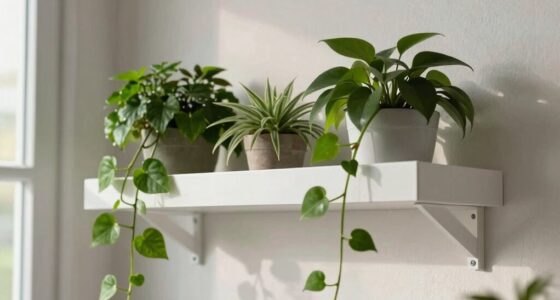
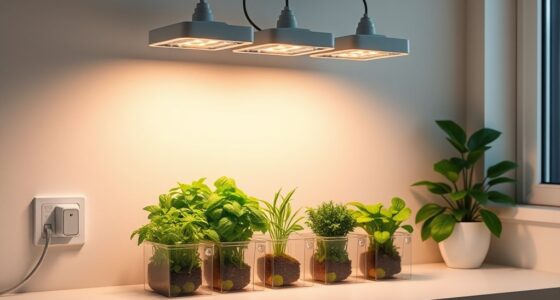
When choosing LED grow lights, focusing on coverage area is essential because it directly affects plant health, growth consistency, and energy efficiency. Proper coverage guarantees your plants get the right amount of light, preventing issues like stretching or uneven development. It also helps you save on electricity and cooling costs. Starting with coverage as your main metric makes planning easier and more effective. Keep exploring to discover how to optimize your grow setup for top results.
Key Takeaways
- Coverage area directly impacts plant growth, ensuring uniform light distribution and optimal photosynthesis.
- Starting with coverage helps prevent over- or under-lighting, promoting healthier plants and better yields.
- Focusing on coverage simplifies comparing grow lights, making selection more straightforward and cost-effective.
- Proper coverage reduces energy waste, lowering electricity costs and extending light lifespan.
- Prioritizing coverage creates a more efficient grow environment, enhancing overall productivity and resource management.

Understanding LED grow light coverage is essential for maximizing your grow space effectively. When you focus on coverage, you’re ensuring that every plant receives the right amount of light, which directly impacts their growth and yield. Light intensity plays a vital role here, as it determines how effectively the plants can photosynthesize. Too little light, and your plants may stretch or become weak; too much, and you risk light burn or wasted energy. By starting with coverage, you can better gauge how much light your setup needs, avoiding under- or over-lighting. This approach helps you optimize your resources, making sure you’re not overspending on unnecessary wattage or risking poor plant development. Additionally, understanding how light distribution works can help prevent uneven growth and maximize the efficiency of your lighting setup. Recognizing the importance of coverage area also allows for more precise planning and placement of your lights. Properly assessing and adjusting coverage can also extend the lifespan of your grow lights by preventing overuse.
Focusing on coverage ensures optimal light for plants, boosting growth while conserving energy and resources.
Energy efficiency is another key benefit of paying attention to coverage. When you choose a grow light based on the area you need to illuminate, you’re more likely to use only what’s necessary, reducing waste. An efficient LED grow light provides high light output while consuming less power, which saves you money on electricity bills over time. This efficiency becomes even more important as your grow operation expands, since scaling up can greatly increase energy costs. By understanding coverage, you can select a light that maximizes energy efficiency, ensuring you get the most output for your investment. Proper coverage also minimizes heat output, which means you may not need additional cooling systems, further saving on costs.
Another advantage of starting with coverage as your primary metric is that it simplifies your planning process. Instead of getting overwhelmed by wattage, lumen ratings, or fancy features, you focus on how much space you need to cover and how well the light can do that. This makes it easier to compare different models and find one that fits your exact needs. Proper coverage also helps you prevent uneven light distribution, which can cause some plants to thrive while others lag behind. When your plants receive uniform light, they grow more evenly and produce better yields. Understanding how to measure and calculate coverage can also assist in scaling your grow operation efficiently. In addition, paying attention to coverage metrics can help you better understand the overall efficiency and suitability of a grow light for your specific needs.
In essence, understanding and prioritizing LED grow light coverage helps you create a more efficient and effective grow environment. It ensures your plants get the right light intensity, avoids unnecessary energy expenditure, and ultimately leads to healthier growth and higher yields. Starting with coverage as your main consideration simplifies decision-making and helps you set up a successful grow operation that’s both cost-effective and productive.
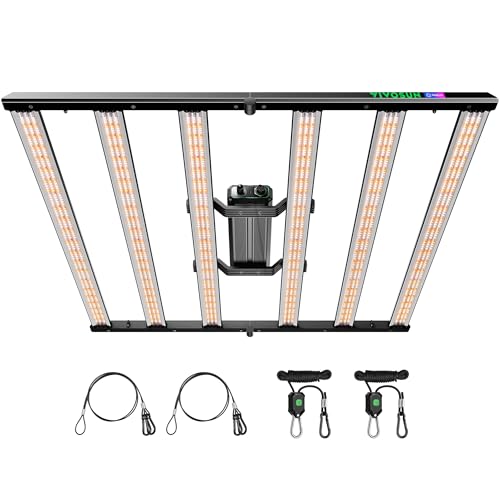
VIVOSUN LumaLight 500W LED Grow Light, Full Spectrum Indoor Plant Light with Deep Canopy Penetration, Smart Dimmable LED Bar Lamp for Vegetables, Herbs, Flowers, 4x4ft Coverage, GrowHub Compatible
Even, Powerful Light for Full Tent Coverage: The scientifically-arranged light-bar matrix delivers uniform light across the entire canopy;…
As an affiliate, we earn on qualifying purchases.
As an affiliate, we earn on qualifying purchases.
Frequently Asked Questions
How Does Light Spectrum Affect Plant Growth?
The light spectrum markedly impacts plant growth by influencing photosynthesis efficiency. Different light wavelengths, like blue and red, are essential for various growth stages. Blue light promotes vegetative growth, while red enhances flowering and fruiting. When you choose a grow light with the right spectrum, you’re optimizing photosynthesis efficiency, helping your plants grow healthier and faster. So, understanding how light wavelength affects plants is key to successful cultivation.
What Are the Energy Costs of LED Grow Lights?
You’ll be amazed at how energy-efficient LED grow lights are—they use a fraction of the energy compared to traditional lighting! Their energy consumption keeps costs low, making them incredibly cost-efficient for your garden. With LEDs, you save money on electricity bills while still providing your plants with the perfect light spectrum. So, investing in LEDs means better growth results without draining your wallet. It’s a win-win for your plants and your budget!
How Long Should Plants Be Exposed to LED Grow Lights Daily?
You should expose your plants to LED grow lights for about 12 to 16 hours daily, adjusting based on plant height and light intensity. For taller plants, increase exposure slightly, but make sure they don’t get too much light to prevent stress. Monitor their growth and look for signs of light deficiency or excess. Proper timing promotes healthy development without wasting energy or risking light burn.
Are There Environmental Benefits to Using LED Grow Lights?
Did you know LED grow lights use up to 75% less energy than traditional lighting? This considerably reduces your environmental impact and boosts sustainability benefits. Using LEDs lowers carbon emissions, conserves resources, and produces less heat, which means less cooling needed. By choosing LED grow lights, you’re supporting eco-friendly practices and making a positive difference for the planet while growing healthy plants efficiently.
What Is the Lifespan of Typical LED Grow Lights?
You’ll find that typical LED grow lights last around 50,000 to 100,000 hours, thanks to high spectral efficiency and durability. Longevity factors like quality components and proper cooling play vital roles in extending their lifespan. By choosing models with advanced spectral efficiency, you guarantee your grow lights stay effective longer, saving you money and reducing waste over time. Proper maintenance also helps maximize their longevity and performance.

Aokrean Plant Grow Light, 48 LEDs Full Spectrum Grow Lights for Indoor Plants, Height Adjustable Small Halo Grow Light with Base, 3 Optional Spectrums, Auto Timer 3/9/12Hrs, 10 Brightness, 3 Pack
NOTE: The product stand needs to be pressed down by the flower pot to be stable. Not wireless…
As an affiliate, we earn on qualifying purchases.
As an affiliate, we earn on qualifying purchases.
Conclusion
Imagine the gentle glow spreading across your plants like dawn’s first light, each leaf basking in just the right amount of warmth and brightness. By starting with LED grow light coverage, you set the perfect stage for lush, thriving growth. It’s like painting a vibrant canvas where every corner receives the attention it needs. So, focus on coverage first, and watch your garden flourish in a symphony of light and life.
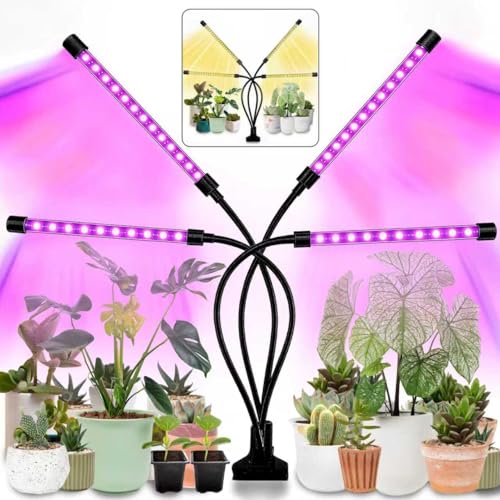
LEOTER Grow Light for Indoor Plants – Upgraded Version 80 LED Lamps with Full Spectrum & Red Blue Spectrum, 3/9/12H Timer, 10 Dimmable Level, Adjustable Gooseneck,3 Switch Modes
🌻Efficient LED Combination: This LED lamp has grow lights made up of 80 efficient growing LEDs ( 32…
As an affiliate, we earn on qualifying purchases.
As an affiliate, we earn on qualifying purchases.
LEOTER Grow Light for Indoor Plants – Upgraded Version 80 LED Lamps with Full Spectrum & Red Blue Spectrum, 3/9/12H Timer, 10 Dimmable Level, Adjustable Gooseneck,3 Switch Modes
🌻Efficient LED Combination: This LED lamp has grow lights made up of 80 efficient growing LEDs ( 32…
As an affiliate, we earn on qualifying purchases.
As an affiliate, we earn on qualifying purchases.