TL;DR

Get garden gear delivered free — and shop member deals
- Fast, free delivery on millions of items
- Access to Prime Big Deal Days deals on October 6–7
- Prime Video, Amazon Music and more included
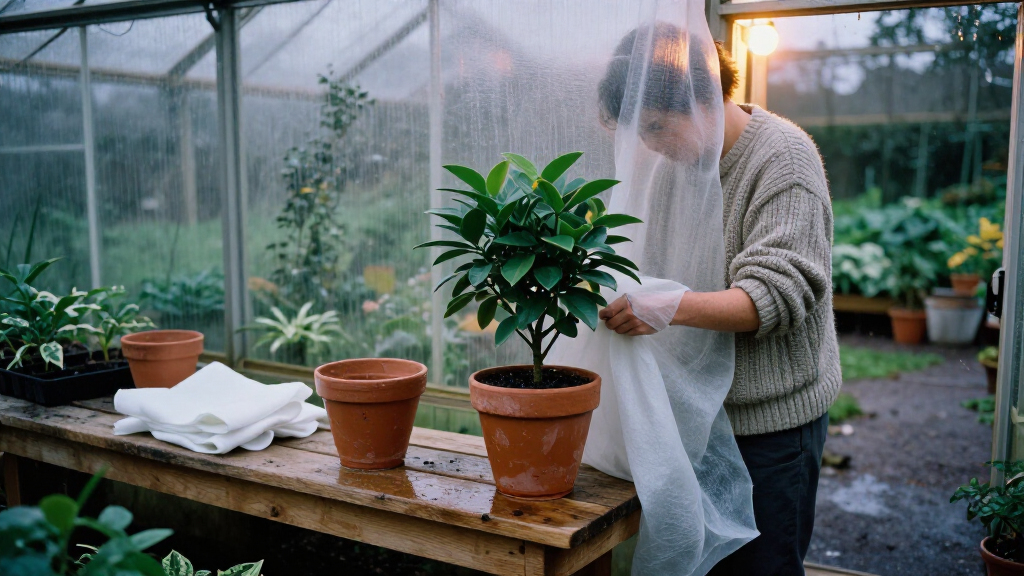
A gardening report published Oct. 7 recommends preparing vulnerable perennials before winter weather arrives. It advises lifting pelargoniums and gladioli, storing them in suitable conditions, and potting up tender bedding plants, while noting that local weather should guide timing.
Amateur Gardening published advice on Oct. 7 for protecting tender plants ahead of winter, recommending that gardeners lift pelargoniums and gladioli and store them in appropriate conditions. The guidance matters as cold, wet or changeable weather can put vulnerable plants at risk, though the right time to act depends on local conditions.
The report says pelargoniums rarely survive winter outdoors and recommends lifting them and potting them in peat-free multipurpose compost. After watering them well, gardeners can cut shoots back to the lowest healthy leaf bud. The article says this can reduce the risk of mould and shape plants for renewed growth. Once dormant, the plants may need little or no water for weeks, according to the report; gardeners should monitor their own plants and conditions rather than treating that interval as a fixed rule.
Gladioli are vulnerable to rotting in damp soil, the report says, and are best lifted and kept somewhere dry and frost-free. It advises cutting stems back by half, saving new bulblets attached to mature corms, and discarding older corms that are soft or shrivelled. The report also describes potting up tender perennial bedding plants, including petunias, lobelia and calibrachoas, and keeping them in a greenhouse. Its author says she had success with those plants the previous year, but that is an account of personal experience, not a guarantee of results.
Removed pelargonium shoots can be used as cuttings, the report says: pot them in seed or cuttings compost and grow them on a light indoor windowsill. It recommends trimming leaves on tender bedding plants by half and watering them thoroughly before limiting further watering until spring growth begins. The precise care needed will vary with plant health, storage conditions and how quickly new growth appears.
Protecting Plants Before Cold Weather
For gardeners, the practical concern is avoiding the loss of plants that may be damaged by frost or persistently damp soil. Lifting corms and moving tender plants into protected storage can help preserve them for another growing season, while keeping sound new bulblets and taking cuttings offers ways to retain plant material.
The advice also highlights a timing trade-off: taking plants in too early may not suit every garden, while waiting can leave them exposed to a sudden change in weather. The report does not promise that stored plants will survive; outcomes depend on local temperatures, moisture, plant condition and storage care.
pelargonium plant pots for winter storage
As an affiliate, we earn on qualifying purchases.
As an affiliate, we earn on qualifying purchases.
Timing Depends on Local Conditions
The article frames its guidance around uncertainty about the coming winter. It mentions possible torrential rain, a late cold snap and a dry season, but these are scenarios rather than a forecast. The report refers to a cold snap in March 2018 and wet weather the previous year as examples of conditions that can affect gardens.
Its timing advice is regional: gardeners in northern areas or exposed gardens may want to act sooner, while those experiencing warm, dry weather can wait a few weeks. The source gives no specific temperature threshold or region-by-region forecast, so gardeners will need to judge conditions in their own area.
“I’d not place a wager on what weather this winter will bring.”
— Ruth Hayes, Amateur Gardening
As an affiliate, we earn on qualifying purchases.
Winter Forecast and Plant Survival
The winter weather remains uncertain in the source report, which does not provide a seasonal forecast. It is also unclear how well the recommended storage methods will work in any particular garden: the article shares guidance and one gardener’s experience, not controlled trial results. It gives no detailed storage-temperature range, inspection schedule or watering timetable for all plant types. Gardeners should check plants during storage and adapt care to their condition.
tender perennial bedding plant containers
As an affiliate, we earn on qualifying purchases.
As an affiliate, we earn on qualifying purchases.
Gardeners Should Watch Conditions
The next step is to assess local weather and the condition of plants. Where cold or wet conditions are approaching, gardeners can lift gladioli and pelargoniums, remove damaged corms, and move suitable tender plants into dry, frost-free or greenhouse storage. In warmer, dry locations, the report says it may be reasonable to wait a few weeks.
During winter, stored plants should be checked for signs of rot, mould or new growth, with watering adjusted accordingly. The report sets no further publication date or forecast milestone; its immediate guidance is to prepare according to local conditions and reassess as the season develops.
frost-free plant storage solutions
As an affiliate, we earn on qualifying purchases.
As an affiliate, we earn on qualifying purchases.
Key Questions
When should I lift tender plants?
The report advises acting in early autumn where gardens are exposed or conditions are turning cold and wet. In warm, dry areas, it says gardeners can wait a few weeks. It gives no universal date or temperature threshold.
How should pelargoniums be stored?
Pot them in peat-free multipurpose compost, water them well and cut shoots back to the lowest healthy leaf bud, according to the report. Keep them protected, and check them during dormancy rather than assuming every plant will need no water for the same length of time.
What should I do with gladioli corms?
Lift them from damp soil, cut stems back by half and store the corms somewhere dry and frost-free. Keep attached new bulblets and discard old corms that are soft or shrivelled, the report advises.
Can I keep petunias and lobelia over winter?
The report says its author successfully potted up petunias, lobelia and calibrachoas and stored them in a greenhouse the previous year. That personal experience does not guarantee survival; results will depend on plant health and storage conditions.
Source: rss
Fall yard work Picks
leaf blowers
As an affiliate, we earn on qualifying purchases.