Poor light distribution in your indoor garden wastes energy by illuminating areas that don’t benefit your plants, leading to higher electricity bills. It causes uneven growth, making some plants thrive while others weaken, which can reduce your yields and require costly replacements or extra pruning. Over time, this inefficiency can harm your plants’ health and increase your overall costs. If you want to discover simple ways to fix this and save money, continue exploring.
Key Takeaways
- Poor light distribution causes uneven plant growth, reducing overall garden productivity and aesthetics.
- Inefficient lighting increases energy costs due to longer or more powerful fixtures needed.
- Underlit areas weaken plant health, leading to higher maintenance and replacement expenses.
- Uneven illumination diminishes crop yields and visual appeal, impacting profitability.
- Suboptimal lighting practices contribute to energy waste and environmental impact.
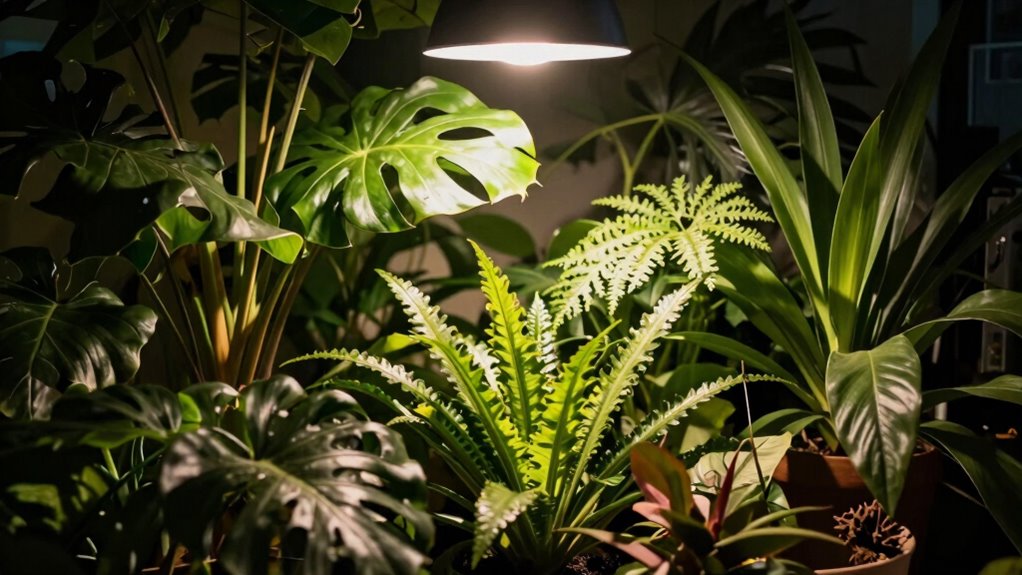
Lighting costs for an indoor garden can vary widely depending on the size of your space and the type of lighting you choose. But beyond just the upfront expenses, poor light distribution can markedly impact your garden’s health, growth, and overall costs. When your plants don’t receive the right amount or quality of light, their growth can slow down or become uneven, leading you to use more energy and resources to try to compensate. This inefficiency not only wastes electricity but also hampers plant development, which can result in lower yields or less vibrant foliage.
Poor light distribution increases costs and hampers plant growth, leading to inefficiency and lower yields.
If your indoor garden suffers from bad light distribution, you might notice plants stretching toward the light source or leaning unnaturally, indicating they’re not getting consistent illumination. This uneven lighting causes some plants to grow faster while others lag behind, disrupting the uniformity you’re aiming for. Over time, this can lead to increased energy costs because you’ll likely need to run additional or higher-powered lights to address weak spots. Instead of optimizing your setup, you end up spending more on electricity, which isn’t sustainable or cost-effective in the long run.
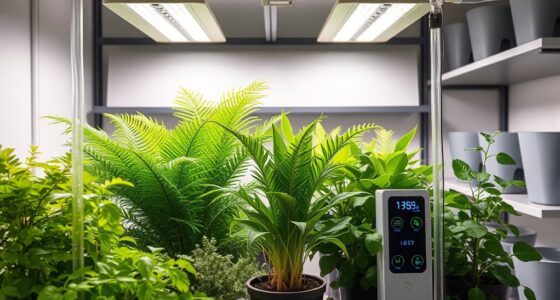
Energy efficiency is a vital factor when considering the real cost of poor lighting. When your light sources aren’t properly spread out, a lot of energy gets wasted illuminating areas that don’t benefit your plants. In addition, you might be tempted to leave your lights on longer or upgrade to more powerful fixtures, both of which drive up your energy bills. The result? You end up spending more money without necessarily improving plant growth. Proper light distribution ensures that every part of your garden receives the right light intensity, promoting healthy, vigorous plant development without wasting electricity. Incorporating smart lighting solutions**** can help optimize energy use and improve overall plant health.
Poorly distributed light can also lead to uneven plant growth, which affects the overall aesthetic and productivity of your indoor garden. You might notice some plants thriving while others struggle, forcing you to prune or replace weaker specimens more frequently. This uneven growth can make your garden look unkempt and reduce its overall yield. Additionally, plant health can decline if certain areas are consistently underlit, making it even more important to optimize your lighting setup. Improving light distribution can also help prevent issues like light pollution, which can negatively impact plant growth and energy use. Correcting bad light distribution with better placement or lighting solutions is an investment that pays off through healthier plants, better energy efficiency, and lower ongoing costs. Recognizing the importance of light distribution can help you implement better strategies for a thriving garden.
In essence, neglecting proper light distribution costs you more in the long run—through increased energy bills, subpar plant growth, and the need for more frequent interventions. To truly maximize your indoor garden’s potential, focus on efficient, well-distributed lighting. It’s the key to healthier plants, smarter energy use, and cost savings over time. Understanding light distribution can help you optimize your setup and ensure your garden thrives while minimizing expenses.
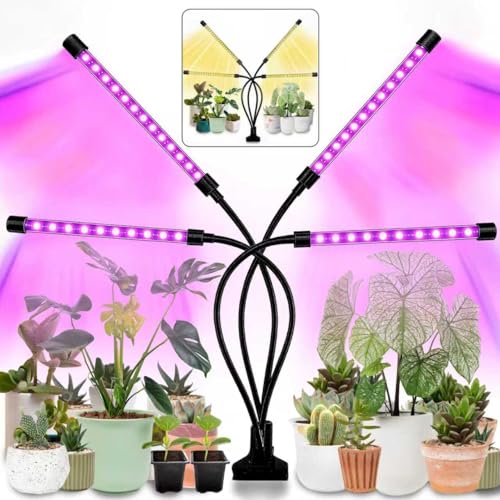
LEOTER Grow Light for Indoor Plants – Upgraded Version 80 LED Lamps with Full Spectrum & Red Blue Spectrum, 3/9/12H Timer, 10 Dimmable Level, Adjustable Gooseneck,3 Switch Modes
🌻Efficient LED Combination: This LED lamp has grow lights made up of 80 efficient growing LEDs ( 32…
As an affiliate, we earn on qualifying purchases.
As an affiliate, we earn on qualifying purchases.
Frequently Asked Questions
How Does Light Distribution Impact Plant Growth Quality?
Poor light distribution reduces light uniformity, causing some plants to receive less light and others to get too much. This imbalance hampers photosynthesis efficiency, leading to uneven growth and lower plant quality. When light isn’t evenly spread, plants struggle to develop strong leaves and stems, affecting yield and overall health. To improve growth quality, you need to maximize light distribution, ensuring all plants get consistent, adequate light for ideal photosynthesis.
Can Poor Light Distribution Cause Specific Plant Diseases?
Poor light distribution can promote plant diseases by disrupting photosynthesis efficiency, weakening plant defenses, and creating damp, shady spots. These areas become breeding grounds for pests and pathogens, increasing pest attraction and disease risk. When plants don’t receive uniform illumination, they struggle to stay healthy, making them more vulnerable to issues like mold, mildew, and fungal infections. Ensuring even light helps keep plants vigorous, reducing disease chances and pest problems.
What Are the Signs of Inadequate Light Coverage?
You’ll notice signs of inadequate light coverage when your plants show uneven growth, with some stretching towards the light and others staying compact. Plant energy decreases, leading to weak stems and poor flowering. You might also see light reflection on the leaves, indicating uneven illumination. These signs mean your plants aren’t getting consistent light, so adjusting your setup guarantees better light distribution, promoting healthier growth and maximizing your indoor garden’s potential.
How Often Should Indoor Garden Lighting Be Upgraded?
You should upgrade your indoor garden lighting about every 1 to 2 years, as lighting technology evolves faster than most plants can adapt. Just like plants exhibit phototropism to seek better light, your setup needs to keep pace with advancements to maximize growth. Regular updates guarantee your lights provide ideal spectrum and intensity, preventing deficiencies and promoting healthy development. Stay ahead of your plants’ needs, and your garden will flourish.
Are There Budget-Friendly Solutions for Improving Light Distribution?
Yes, you can improve light distribution with affordable lighting options and DIY light reflectors. Consider using inexpensive, energy-efficient LED grow lights that provide good coverage. You can also make your own reflectors using aluminum foil or reflective materials to direct light more effectively onto your plants. These solutions are budget-friendly and simple to implement, helping you maximize your indoor garden’s light without breaking the bank.

T5 Grow Lights for Seed Starting, 16 inches, 2-Count (10W x2) Full Spectrum LED Plant Light Bar w/Reflectors for Seedlings, 4000K White Growing Strips for Shelf/Rack
✅【3 in 1 Full Spectrum+】: Bokeedo plant light (T5 1.4ft X2) is 3 in 1 combo: 3000k full…
As an affiliate, we earn on qualifying purchases.
As an affiliate, we earn on qualifying purchases.
Conclusion
So, next time you skimp on proper lighting, remember—you might just be watering your plants with tears, watching them wilt under a poorly planned glow. That cheap setup may save you bucks now, but it’ll cost you in dead leaves and fading blooms later. Ironically, your indoor garden’s brightest future depends on paying a little more upfront. After all, isn’t it fun watching your lush paradise turn into a shadow of what it could be?

Indoor Garden Growing Systems Self-Watering Plant Pot Smart Gardening System with 17 Watts LED Grow Light Auto Timer Gardening Plant Gifts for Mom Plant Pot for vegetables herbs(No Seeds&Soil)
EFFICIENT & INTELLIGENT: LED Grow Lights are a better alternative to sunlight in terms of stability and planting…
As an affiliate, we earn on qualifying purchases.
As an affiliate, we earn on qualifying purchases.

Grow Light Bulbs, Briignite LED Grow Light Bulb A19 Bulb, Full Spectrum Grow Light Bulb, Plant Light Bulbs E26 Base, 11W Grow Bulb 100W Equivalent, Grow Light for Indoor Plants, Seed Starting, 2Pack
Full Spectrum & Natural Light: A19 full spectrum grow light appears 4000K white to the eye but has…
As an affiliate, we earn on qualifying purchases.
As an affiliate, we earn on qualifying purchases.