
You might not notice poor air exchange until heat and humidity build up indoors, making the air feel stale and uncomfortable. Without proper ventilation, pollutants and allergens like mold thrive, worsening air quality and causing symptoms like headaches or fatigue. Regularly improving airflow helps control humidity and keep indoor air fresh. Keep in mind, understanding effective ventilation strategies can greatly boost your comfort and health—stay with us to explore how to get it right.

Get garden gear delivered free with Prime
- Fast, free delivery on millions of items
- Prime Video, Amazon Music and more included
- Member-only deals all year
Key Takeaways
- Poor ventilation can go unnoticed until heat and humidity cause indoor air to become uncomfortable and stale.
- Elevated heat and moisture levels trap pollutants, worsening indoor air quality and highlighting ventilation deficiencies.
- Inadequate air exchange allows mold and allergens to thrive, often only noticed when health symptoms appear.
- Neglecting ventilation maintenance leads to increased energy use and HVAC system wear, which are often overlooked initially.
- Proper design and regular upkeep of ventilation systems prevent heat and humidity buildup, maintaining healthy indoor air.
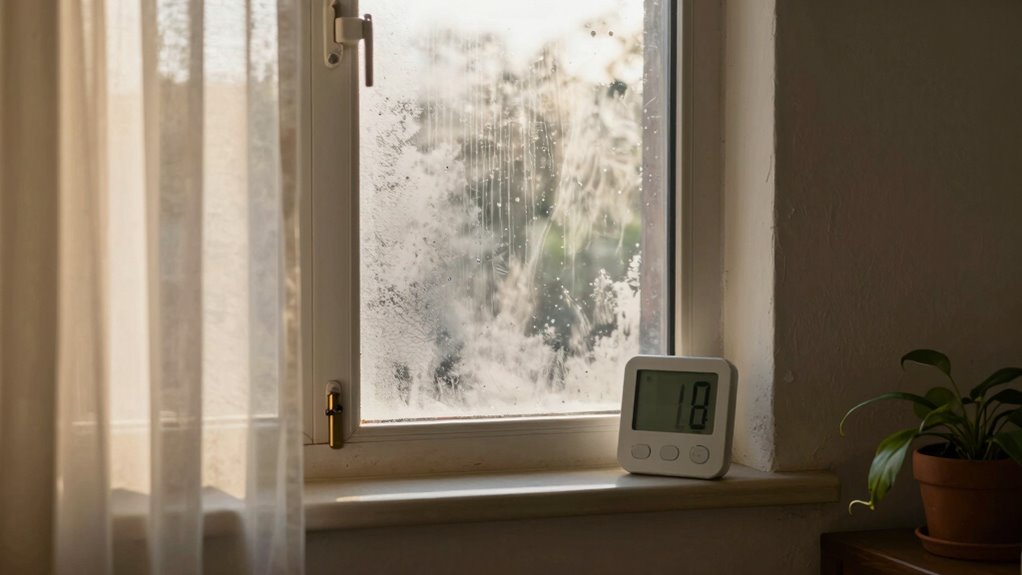
You might not notice it at first, but when heat and humidity start to build up indoors, poor air exchange quickly becomes a problem. As temperatures rise and moisture levels increase inside your space, the air begins to feel stagnant, stuffy, and uncomfortable. This is when the importance of ventilation effectiveness becomes clear. Proper ventilation isn’t just about bringing in fresh air; it’s about guaranteeing that the air inside remains healthy, safe, and comfortable. When ventilation falls short, indoor air quality declines, and you may start to notice symptoms like headaches, congestion, or fatigue.
Poor air exchange causes stagnant, uncomfortable indoor air, impacting health and comfort. Proper ventilation is essential for a healthy environment.
The link between heat, humidity, and indoor air quality is direct. High humidity levels can cause mold growth, dust mites, and other allergens to thrive, affecting your health and comfort. Without sufficient air exchange, these problems compound because stale, humid air stays trapped, creating an environment where pollutants linger. You might think opening a window or turning on a fan helps, but if your ventilation system isn’t effective, these measures won’t considerably improve air quality. You need a well-designed ventilation strategy that actively exchanges indoor air with outside air, reducing humidity and removing contaminants. Understanding indoor air quality is essential to grasping how ventilation impacts your health.
In many homes and buildings, the challenge lies in balancing airflow—enough to improve air quality without wasting energy or creating drafts. Modern ventilation systems, like heat recovery ventilators or energy-efficient exhaust fans, enhance ventilation effectiveness by controlling airflow precisely. They allow fresh air to circulate while exhausting humid, stale air, which keeps indoor conditions stable. This balance is vital because poor ventilation not only impacts comfort but also accelerates wear on your heating and cooling systems. When air doesn’t circulate properly, your HVAC system has to work harder to maintain a comfortable temperature, leading to higher energy bills and potential system breakdowns. Additionally, ventilation system maintenance plays a crucial role in ensuring these systems operate efficiently and effectively. Ensuring your ventilation system is properly designed and maintained can make a significant difference in indoor air quality.
energy-efficient bathroom exhaust fan
As an affiliate, we earn on qualifying purchases.
As an affiliate, we earn on qualifying purchases.
Frequently Asked Questions
How Often Should I Check My Home’s Air Exchange System?
You should check your home’s air exchange system at least once every three to six months. Regular ventilation maintenance helps improve indoor air quality and prevents heat and humidity buildup. Keep an eye on filters, ducts, and vents for dust or blockages, and guarantee the system operates efficiently. Properly maintained ventilation keeps your home comfortable, healthy, and energy-efficient, so don’t neglect these routine checks.
Can Poor Air Exchange Cause Long-Term Health Issues?
Yes, poor air exchange can cause long-term health issues. When your home doesn’t ventilate properly, indoor pollutants build up, leading to respiratory problems, allergies, and even asthma. Additionally, stagnant air promotes mold growth, which can worsen allergies and cause infections. Over time, these factors may contribute to chronic health conditions. Regularly checking and maintaining your air exchange system helps reduce these risks and keeps indoor air healthy.
What Signs Indicate Insufficient Ventilation in My Home?
If you notice stuffy air, persistent odors, or condensation on windows, these are signs of insufficient ventilation. You might also experience allergies, headaches, or fatigue, which indicate indoor pollutants aren’t being cleared effectively. To improve air quality, consider ventilation upgrades like exhaust fans or air purifiers. Regularly opening windows can help, but investing in proper ventilation systems guarantees better airflow, reducing health risks associated with poor air exchange.
Are There Specific Seasons When Air Exchange Is More Crucial?
Back in the day, seasonal ventilation becomes more essential during summer and winter. During these times, humidity control matters most, as heat and moisture can build up quickly. You should prioritize increasing air exchange when outdoor conditions are extreme, like hot, humid summers or cold winters, to maintain good air quality and comfort. Proper ventilation helps prevent mold, condensation, and stuffiness, keeping your home healthier year-round.
How Does Air Exchange Impact Energy Efficiency?
You impact energy efficiency by ensuring proper air exchange, which maintains good indoor air quality and prevents heat buildup. When you allow fresh air in and stale air out, your heating and cooling systems don’t have to work as hard, leading to energy savings. Proper ventilation reduces humidity and prevents overheating, making your home more comfortable and energy-efficient, especially during extreme seasons when heat and humidity tend to accumulate.
As an affiliate, we earn on qualifying purchases.
Conclusion
Just like Icarus soaring too close to the sun, ignoring proper air exchange can lead to a fiery descent of discomfort. When heat and humidity build up, it’s easy to forget a simple truth: ventilation keeps us cool and comfortable. Don’t let your space become a trap—embrace fresh air before the heat becomes your downfall. Remember, even the mightiest wings need proper airflow to stay aloft. Keep the air flowing, and stay cool.
As an affiliate, we earn on qualifying purchases.
automatic window ventilation system
As an affiliate, we earn on qualifying purchases.
As an affiliate, we earn on qualifying purchases.
Halloween Picks
halloween
As an affiliate, we earn on qualifying purchases.