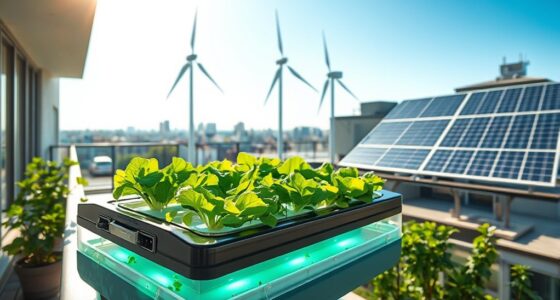
Adjusting your kit height during spring and summer is vital for ideal plant growth. It helps you manage light exposure, preventing plants from stretching or getting sunburned. Proper height support keeps plants stable and encourages upright growth. It also improves air circulation, reducing pests and disease risks. As plants grow faster in warmer months, regular height adjustments ensure they stay healthy and vibrant. Keep going to discover more tips for perfect plant care this season.

Get garden gear delivered free with Prime
- Fast, free delivery on millions of items
- Prime Video, Amazon Music and more included
- Member-only deals all year
Key Takeaways
- Proper height adjustment ensures plants receive optimal light, preventing stretching and promoting healthy growth during spring and summer.
- Adjusting kit height supports strong stems and structures, reducing the risk of damage from wind or toppling as plants grow taller.
- Correct height management improves airflow, decreasing disease risk and maintaining plant health in warmer seasons.
- Seasonal adjustments accommodate expanding root systems and plant size, optimizing nutrient absorption and overall development.
- Maintaining appropriate height promotes upright growth and stability, maximizing light exposure and productivity during peak seasons.

As the seasons shift to spring and summer, adjusting the height of your kit becomes essential for supporting healthy growth. During these warmer months, plants tend to grow faster and more vigorously, which can impact how well they absorb nutrients and maintain stability. By fine-tuning your kit’s height, you create an environment that encourages ideal nutrient absorption and helps your plants stand upright against the stronger sunlight and breezes typical of this time of year.
When you raise or lower your kit, you’re effectively controlling the distance between the light source and your plants. This adjustment guarantees they receive the right amount of light without stretching excessively or becoming sunburned. Proper light exposure directly influences nutrient absorption, as plants need adequate light to produce energy through photosynthesis. If the kit is too low, plants can become scorched or stressed, reducing their ability to absorb essential nutrients efficiently. Conversely, if it’s too high, they might stretch toward the light, weakening their stems and making them less stable. Maintaining the correct height supports balanced growth, enabling your plants to take in nutrients more effectively and develop strong, healthy structures. Additionally, light management plays a crucial role in ensuring your plants grow optimally during peak seasons. Regular height adjustments also help prevent overcrowding and promote uniform growth across your plants.
Plant stability is another key factor that hinges on kit height. As plants grow taller in spring and summer, their stems and roots face increased demands to support the new growth. If the kit isn’t adjusted to accommodate this growth, plants can become top-heavy or sway excessively in the wind, risking toppling over or developing weak stems. Adjusting the height helps reinforce plant stability by providing a supportive framework that adapts to their evolving size. This stability not only prevents damage but also encourages upright growth, which is crucial for maximizing light exposure and overall health. Proper kit height adjustment also allows for better air circulation around the plants, reducing the risk of pests and diseases that thrive in stagnant conditions. Furthermore, maintaining the appropriate height can improve ease of access for watering and care routines, making plant management more efficient.
Additionally, seasonal changes demand a proactive approach to kit height. As your plants grow, their root systems expand, and their need for space increases. Keeping the kit at the appropriate height ensures proper airflow and reduces the risk of disease. It also allows for better management of watering and fertilization, ensuring nutrients reach the roots efficiently. The combined effects of proper height adjustment lead to healthier plants, better nutrient uptake, and stronger stability, setting the stage for robust growth throughout spring and summer.
Products Worth Considering

Greenworks 80V Cordless Axial Leaf Blower Kit with 4Ah Battery and Charger

EAGLE PEAK 12 x 8 ft Walk-In Pop-Up Greenhouse with Support Pole

IDEALHOUSE 6 x 9 ft Polycarbonate Greenhouse with Lockable Door, Adjustable Roof Vent, and Gutters
As an affiliate, we earn on qualifying purchases.
Frequently Asked Questions
How Often Should I Adjust the Kit Height During Spring and Summer?
You should adjust the kit height weekly during spring and summer to keep up with seasonal growth and maximize sunlight exposure. As plants grow faster in warmer months, regular adjustments guarantee they’re not too close or too far from the light source. Monitoring your plants closely allows you to make timely changes, promoting healthy growth and preventing issues like stretching or uneven development.
What Tools Are Needed for Kit Height Adjustment?
To adjust the kit height, you’ll need a wrench or spanner to loosen and tighten bolts. Keep in mind, proper soil aeration helps roots expand freely, so avoid over-tightening. Use your tools carefully to raise or lower the kit gradually, ensuring even height and ideal conditions for root expansion. Regular adjustments promote healthy growth during spring and summer, so having the right tools on hand makes this process easier and more effective.
Can Improper Height Adjustment Harm Plant Growth?
A stitch in time saves nine, and the same applies to your plant care. Improper height adjustment can harm plant health and disrupt growth consistency, leading to uneven development or stress. When you overlook proper kit height, you risk stunting growth or causing damage. Regular, correct adjustments ensure your plants thrive, promoting healthy, uniform growth during spring and summer. Proper care keeps your garden vibrant and flourishing.
Is Kit Height Adjustment Necessary for All Plant Types?
Kit height adjustment isn’t necessary for all plant species, but it’s vital during various growth stages for many. You should consider adjusting the kit based on plant type and its development phase to optimize growth. For example, young seedlings may need a different height setting than mature plants. Monitoring and adjusting guarantees your plants receive proper light and support, promoting healthy growth throughout spring and summer.
How Does Kit Height Affect Watering and Nutrient Delivery?
You’ll find that kit height directly influences watering and nutrient delivery by optimizing lighting and promoting healthy root development. When you adjust the height, you make certain light reaches all parts of the plant evenly, preventing over- or under-watering. It’s a case of hitting the sweet spot—too high or low can hinder growth. Proper kit height ensures your plants get the right nutrients and light, boosting overall health and yield.
Conclusion
Just like a gardener adjusts the trellis to support each vine’s growth, tweaking your kit height guarantees your plants thrive through spring and summer. It’s a small change that acts as a guiding hand, shaping healthy, vibrant growth. Think of it as tuning a instrument—small adjustments lead to a harmonious harvest. Keep your eyes on the future, and remember, a well-placed adjustment today can turn your garden into a flourishing masterpiece tomorrow.