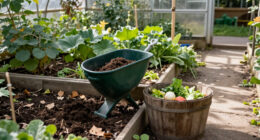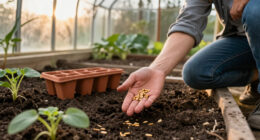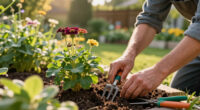
To succeed in indoor gardening, you need to start with your harvest goals rather than focusing on hardware. Clarify whether you want herbs, vegetables, or foliage, and let that guide your plant choices, lighting, and nutrients. By prioritizing your end results, you avoid unnecessary expenses and choose equipment that truly supports your plans. Keep in mind that your setup should directly match what you want to grow and harvest—more details on this approach follow.

Get garden gear delivered free with Prime
- Fast, free delivery on millions of items
- Prime Video, Amazon Music and more included
- Member-only deals all year
Key Takeaways
- Define specific harvest goals to determine necessary plant types, nutrition, and equipment, avoiding unnecessary purchases.
- Prioritize plant needs and growth stages to select appropriate lighting and soil amendments.
- Tailor equipment choices to support targeted yields, ensuring efficient use of resources.
- Focus on end results to guide decisions, rather than following trends or hardware features.
- Align all setup components with harvest objectives for a cohesive, goal-oriented indoor garden.
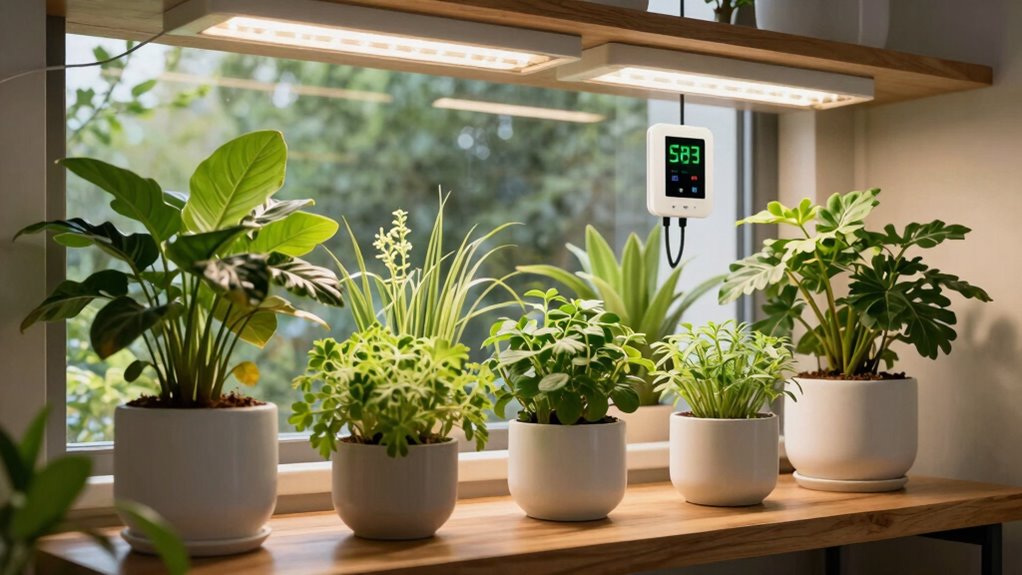
When you’re considering an indoor garden, understanding the key factors that influence your buying decision can make the process much smoother. Instead of rushing to purchase the latest grow lights or fancy containers, start by clarifying your harvest goals. Do you want fresh herbs for daily cooking, vibrant vegetables, or a lush collection of foliage? Your end goals will shape every decision you make, from the type of plants you choose to the equipment you’ll need. Knowing what you want to harvest helps you prioritize essential features and avoid unnecessary expenses.
Plant nutrition plays a crucial role in your indoor garden’s success. Different plants have varying requirements for nutrients, so understanding what each needs will guide your choices. For example, leafy greens often thrive with nitrogen-rich feeds, while fruiting plants may need additional potassium and phosphorus. Before investing in fertilizers or soil amendments, assess the nutritional needs of your intended plants. This awareness ensures you’re providing the right balance of nutrients, which directly impacts plant health, growth rate, and yield. Proper plant nutrition also reduces the risk of deficiencies or over-fertilization, both of which can compromise your harvest. Recognizing the importance of plant nutrition helps you develop a more effective and sustainable feeding plan. Additionally, understanding the nutrient requirements of your plants can help you avoid common pitfalls that hinder growth. Incorporating soil health practices can further enhance your plants’ ability to absorb nutrients efficiently.
Lighting requirements are another fundamental factor to consider. Many indoor gardeners believe that the most expensive or high-tech grow lights are necessary, but that’s not always true. Instead, focus on the specific light needs of your plants. Some plants require intense, full-spectrum light for several hours each day, while others can thrive with lower light levels or shorter durations. Understanding your plants’ lighting requirements helps you select appropriate fixtures—whether LED, fluorescent, or other options—and positions them correctly. Proper lighting not only supports healthy growth but also influences flowering and fruit production. Over- or under-lighting can lead to weak, leggy plants or poor yields, so invest in the right setup based on your goals.
Additionally, customizing your setup with the right equipment based on your harvest goals can significantly improve your results. Ultimately, your indoor gardening success hinges on aligning your equipment choices with your harvest goals. When you focus on what you want to achieve, you’ll naturally prioritize plant nutrition and lighting requirements, ensuring your plants get what they need to thrive. This approach prevents unnecessary spending and simplifies decision-making. Instead of getting caught up in the latest gadgets or trends, you’ll build a tailored, efficient system that supports your desired harvest. Remember, the best indoor garden starts with clear goals—knowing what you want to harvest guides you to the right plants, nutrition plan, and lighting setup, making your indoor gardening journey more enjoyable and productive.
Products Worth Considering
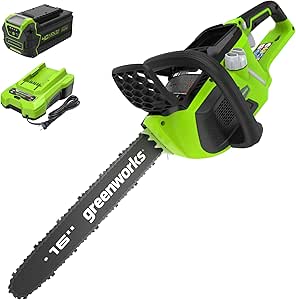
Greenworks 40V Brushless Cordless Chainsaw Kit, 16-Inch Bar, 4.0Ah Battery and Charger

Greenworks 40V Cordless Chainsaw Kit with 12-Inch Bar, 2Ah Battery and Charger

Orbit B-hyve 12-Zone Indoor/Outdoor Wi-Fi Sprinkler Controller
As an affiliate, we earn on qualifying purchases.
Frequently Asked Questions
How Do I Determine the Right Harvest Goals for My Space?
To determine your harvest goals, consider your available space and desired plant diversity. Think about how much produce you want and the variety you enjoy. Assess your soil selection to make certain it supports healthy growth for your target plants. Set realistic expectations based on your gardening experience and space limitations. This approach helps you plan effectively, ensuring your indoor garden meets your needs without overextending your resources.
What Factors Influence Indoor Garden Success Beyond Hardware Choices?
Success in your indoor garden depends on factors like lighting optimization and pest management. You need to guarantee your plants get enough light, which means choosing the right type and schedule, and maintaining it consistently. Also, keep pests at bay by regularly inspecting plants and using integrated pest management strategies. These efforts help promote healthy growth, maximize yields, and prevent issues that hardware alone can’t address, ensuring your harvest goals are met effectively.
How Can I Prioritize Plant Types Based on My Harvest Goals?
Did you know that choosing plants aligned with your harvest timeline boosts success by 70%? To prioritize plant types based on your harvest goals, start with plant selection that matches your desired growth cycles. For quick yields, choose fast-growing herbs or leafy greens. For longer-term harvests, opt for fruiting plants like tomatoes or peppers. Matching growth cycles with your goals guarantees a more rewarding indoor gardening experience.
What Budget Considerations Should I Keep in Mind for Indoor Gardening?
When budgeting for indoor gardening, consider lighting requirements, which can vary in cost depending on the setup and plant needs. Allocate funds for pest management supplies to prevent infestations that could ruin your harvest. Don’t forget to account for ongoing expenses like replacement bulbs, fertilizers, and pest control products. Prioritizing these costs guarantees your garden stays healthy and productive without overspending, helping you meet your harvest goals efficiently.
How Do Seasonal Changes Affect Indoor Garden Planning?
Seasonal changes can dramatically impact your indoor garden, almost like flipping a switch on your plants’ needs. You need to adjust lighting schedules to mimic natural daylight, ensuring healthy growth year-round. During colder months, pest management becomes trickier, so stay vigilant and keep an eye out for pests that thrive in indoor environments. By adapting these strategies, you’ll keep your garden thriving regardless of the season’s whims.
Conclusion
Remember, your garden’s true worth isn’t measured by the latest gadget, but by your harvest goals. Like a ship steered by its destination, your choices should align with what you want to grow and achieve. When you focus on your end goal, every decision becomes clear—cutting through the clutter like a lighthouse guiding a lost sailor. So, plan thoughtfully, nurture patiently, and let your harvest be the proof that your vision has taken root.