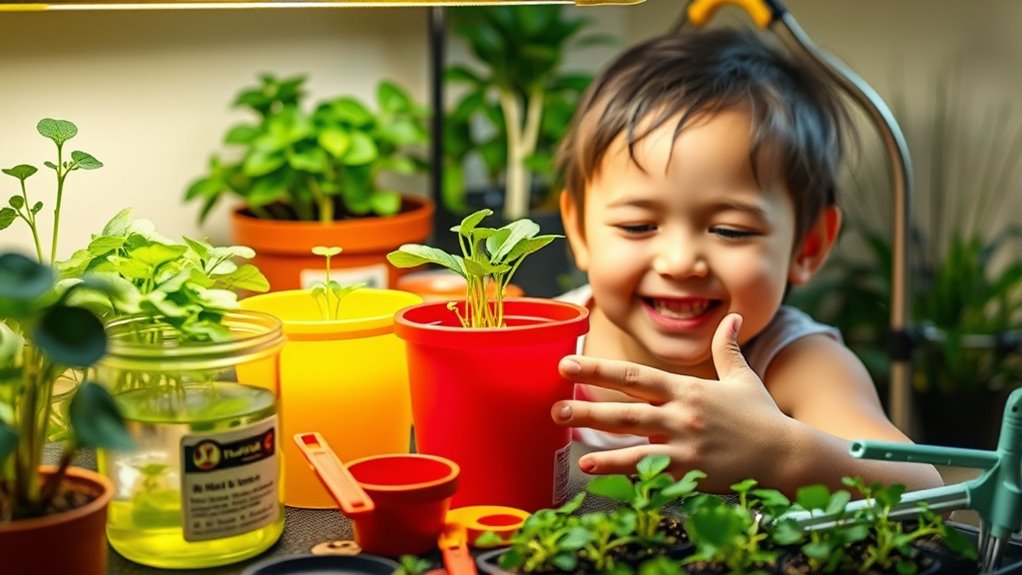

To make hydroponic kits kid-friendly, choose non-toxic, edible plants and child-safe materials, clearly labeling safe parts. Supervise children closely and guide safe handling to prevent accidents. Use colorful, small tools and involve kids in all steps, from planting to watering, turning it into a fun game. Incorporate visual charts, stickers, and routines to foster ownership. If you keep exploring, you’ll discover more creative ways to guarantee safety while sparking their interest.

Get garden gear delivered free with Prime
- Fast, free delivery on millions of items
- Prime Video, Amazon Music and more included
- Member-only deals all year
Key Takeaways
- Use non-toxic, child-safe materials and edible plants to ensure safety during handling and ingestion.
- Incorporate colorful, easy-to-handle tools and decorations to engage children actively.
- Clearly label parts and parts that shouldn’t be touched or eaten, guiding safe interaction.
- Supervise activities closely and store hazardous tools out of children’s reach to prevent accidents.
- Create simple, interactive routines like tracking growth with charts to foster ownership and routine.
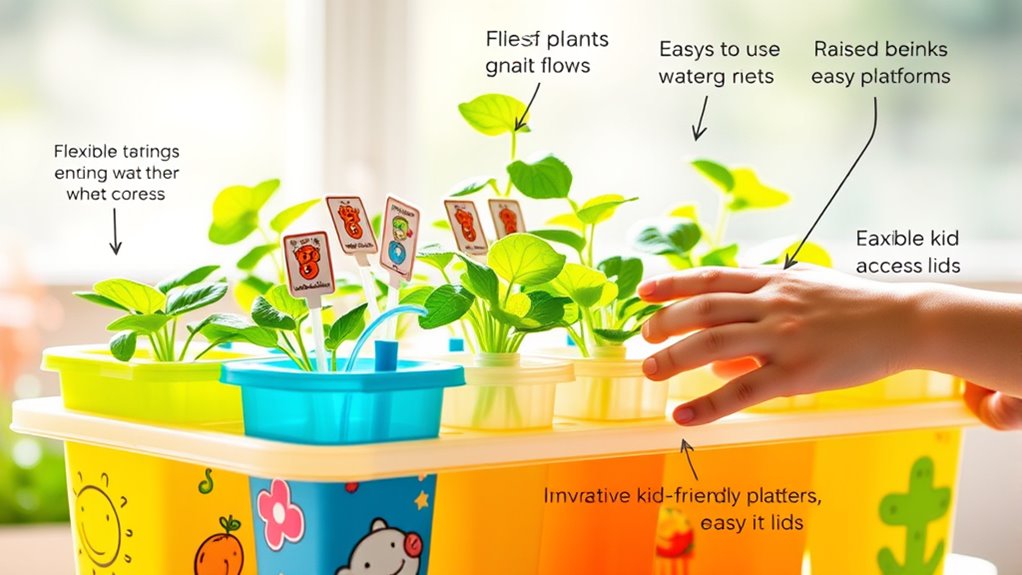
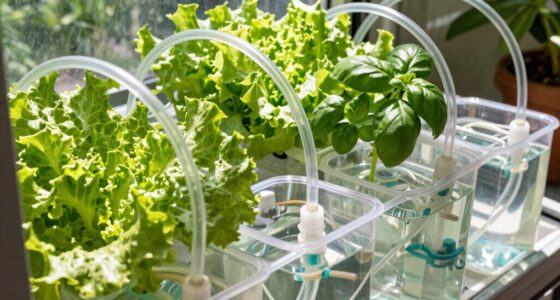
Hydroponic kits are a fantastic way to introduce kids to gardening, but making them engaging and easy to use can sometimes be a challenge. As a parent or educator, your goal is to ensure that children enjoy the experience while staying safe. The first thing you should focus on is plant safety. Kids are naturally curious, and they might want to touch or taste the plants, but some plants or nutrients can be harmful if mishandled. To prevent accidents, choose kits with non-toxic, child-safe materials. Make sure the plants included are edible and safe for kids to handle, like lettuce or herbs, and avoid anything with chemicals that could cause irritation or poisoning. Use clear labels and instructions, and explain the importance of not ingesting or touching certain parts of the plants. Position the kit in a safe, stable spot away from young children’s reach when they’re not supervised, and always supervise their activities around the hydroponic system.
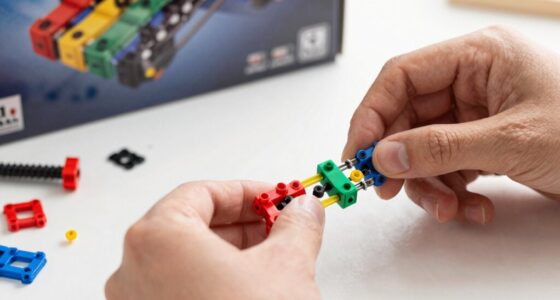
Child engagement is just as critical as safety. Kids learn best when they’re actively involved, so turn the gardening process into a fun, interactive experience. Incorporate simple, colorful tools designed for little hands, and encourage them to participate in every step—filling the containers, planting seeds, and watering. You can make it a game by setting challenges like “who can spot the first sprout?” or “how many leaves can you count?” This keeps their attention focused and makes the activity more memorable. Use visual aids, like charts or stickers, to track plant growth, and let kids decorate the outside of the kit with stickers or drawings. Giving them a sense of ownership boosts their enthusiasm and curiosity.
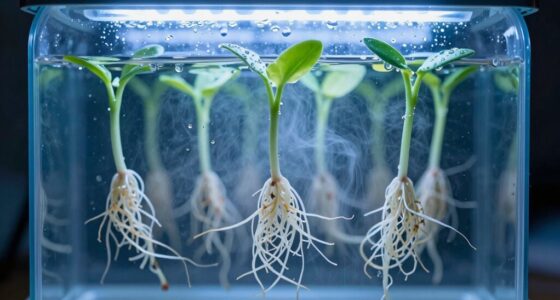
Another way to enhance child engagement is to teach them about the science behind hydroponics in a simplified way. Explain how roots absorb nutrients from water instead of soil, and involve them in measuring pH levels or nutrient solutions. Keep instructions straightforward and hands-on, so they feel like real gardeners rather than just spectators. It’s also helpful to set regular routines—watering, checking for growth, and observing changes—so they develop a habit and become more invested.
kid-friendly hydroponic gardening kit
As an affiliate, we earn on qualifying purchases.
As an affiliate, we earn on qualifying purchases.
Frequently Asked Questions
Are There Safety Certifications for Kid-Friendly Hydroponic Kits?
You might wonder if there are safety certifications for kid-friendly hydroponic kits. Yes, these kits often meet safety standards set by organizations like ASTM or CPSC. Look for certification labels on the packaging, which indicate the product has been tested for safety and non-toxicity. Always read the labels carefully to verify the kit complies with relevant safety standards, giving you peace of mind while kids enjoy learning and gardening.
How Do I Prevent Kids From Tampering With Nutrient Solutions?
To prevent kids from tampering with nutrient solutions, you should use child-proof containers and secure lid designs. Make sure the containers are sturdy and difficult for children to open, and always keep the lids tightly sealed. You can also place the nutrient solutions in a designated, inaccessible area. Regularly check that lids are secure and containers are intact, ensuring your hydroponic kit stays safe and tamper-proof for kids.
Can These Kits Be Used Outdoors Safely?
Sure, you can use these kits outdoors, but don’t forget weather considerations—rain, wind, and direct sun can sabotage your efforts. Pests might find your plants irresistible, so pest management becomes essential. Ironically, the very outdoors that promises fresh air and sunshine can turn into a battleground. With proper shelter, protection, and monitoring, you can enjoy your hydroponic garden outside without turning it into a pest paradise.
What Age Is Appropriate for Children to Operate Hydroponic Kits?
When deciding if your child can operate hydroponic kits, consider their age and maturity. Usually, children ages 8 and up can handle basic tasks with close child supervision. This activity offers educational benefits, teaching responsibility and science concepts. Always supervise their work to make sure of safety, especially around electrical components and water. As they gain confidence, you can gradually give them more independence, making it a fun, educational experience.
How Do I Clean and Maintain Kid-Friendly Hydroponic Systems?
Did you know kids are 4 times more likely to develop healthy eating habits with hands-on gardening? To keep their hydroponic systems safe and fun, follow simple cleaning procedures like rinsing components weekly and removing debris. Regular maintenance tips include checking water levels, replacing nutrient solutions every few weeks, and inspecting for mold or pests. This way, you guarantee a clean, healthy environment that encourages their growth and curiosity.
child-safe hydroponic plant growing set
As an affiliate, we earn on qualifying purchases.
As an affiliate, we earn on qualifying purchases.
Conclusion
By turning your hydroponic kit into a kid-friendly project, you’re fostering curiosity and teaching valuable lessons about sustainability. Kids who grow their own plants are 25% more likely to develop healthy eating habits later on. So, get creative with these hacks, and watch your little ones develop a love for nature and science. With just a few simple tweaks, you’re not only making gardening fun but also planting the seeds for a greener future.
educational hydroponic kit for children
As an affiliate, we earn on qualifying purchases.
As an affiliate, we earn on qualifying purchases.
non-toxic hydroponic gardening tools for kids
As an affiliate, we earn on qualifying purchases.
As an affiliate, we earn on qualifying purchases.
Halloween Picks
halloween
As an affiliate, we earn on qualifying purchases.