
Using two smaller hydroponic kits instead of one large system can give you better nutrient control, making your plants healthier. Smaller setups are easier to maintain, troubleshoot, and expand as needed, offering more flexibility and less hassle. They also allow you to test different plants, nutrients, or lighting without risking your entire crop. If you want to discover how this approach can improve your hydroponic efforts further, keep exploring the options.

Get garden gear delivered free with Prime
- Fast, free delivery on millions of items
- Prime Video, Amazon Music and more included
- Member-only deals all year
Key Takeaways
- Smaller kits allow for precise nutrient control, reducing waste and promoting healthier plant growth.
- They offer greater flexibility for space optimization and easier expansion.
- Multiple units enable testing different plant varieties or conditions simultaneously.
- Maintenance is simpler and quicker, minimizing downtime and troubleshooting complexity.
- Modular setups facilitate gradual scaling and better management of system limitations.
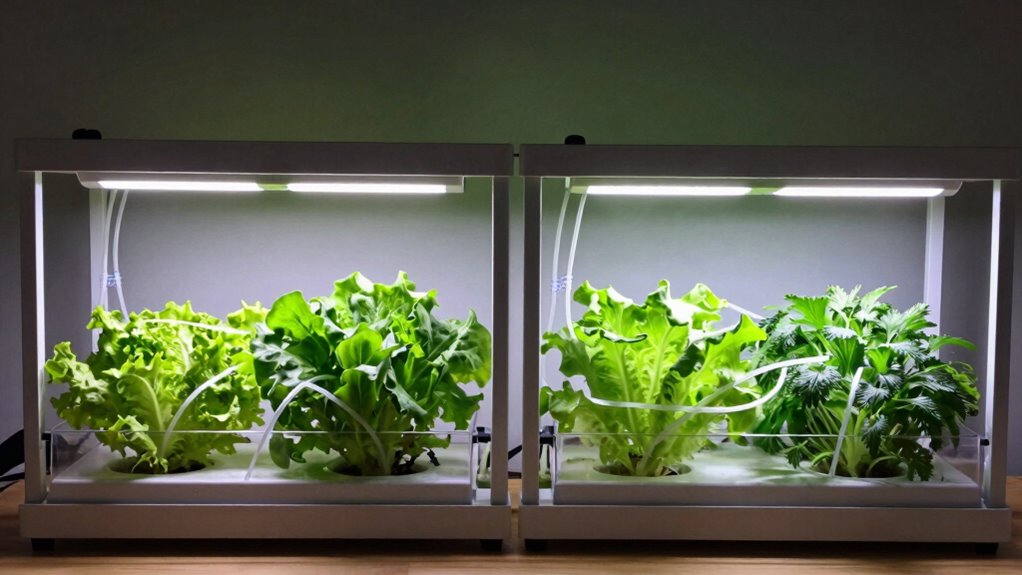
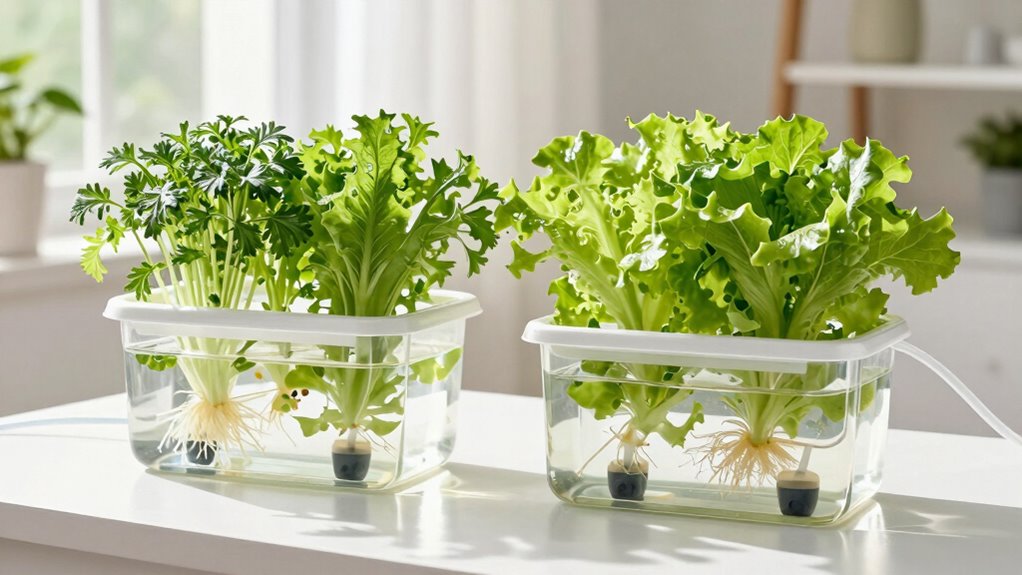
While a giant hydroponic system might seem like the most efficient way to grow a large number of plants, using two smaller kits often proves to be more effective. When you split your setup into two smaller units, you gain better control over nutrient delivery. Large systems can sometimes struggle with inconsistent nutrient flow, leading to uneven growth or deficiencies. Smaller kits allow you to tailor nutrient solutions more precisely for each batch, ensuring your plants receive what they need at every stage. This targeted approach minimizes waste and maximizes growth potential, making your overall yield more reliable and healthier.
Splitting into smaller units improves nutrient control, ensuring healthier plants and more reliable yields.
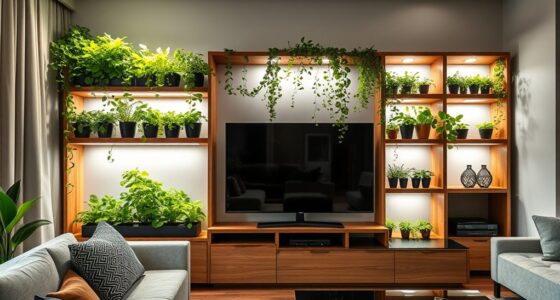
Space optimization is another critical benefit of using two smaller hydroponic kits. Big systems often require a dedicated, spacious area, which might limit where you can set them up. Smaller kits are more adaptable; you can position them in tighter spots, such as shelves, corners, or underutilized spaces. This flexibility means you can expand your garden without needing a larger dedicated room. Plus, if one setup needs maintenance or troubleshooting, you’re not left without any plants—your other hydroponic kit can continue producing, keeping your harvest steady. Additionally, managing two smaller kits can help you better understand nutrient flow and how it impacts plant growth, leading to more efficient system management. Incorporating proper monitoring tools can further enhance your ability to maintain consistent conditions across both units. Understanding system scalability is also easier with smaller setups, allowing for gradual expansion based on your needs. Recognizing system limitations early on can help you plan for future growth more effectively.
Managing two smaller kits also enhances your ability to experiment and learn. You can test different plant varieties, nutrient mixes, or lighting conditions in each setup without risking your entire crop. This compartmentalization gives you more control and insight, allowing you to optimize conditions more effectively than with a single large system. If a problem arises, it’s easier to isolate and resolve issues without affecting the other plants. This agility can lead to faster improvements in your hydroponic practice and better overall results. Moreover, smaller kits often have a simpler assembly process, making it easier for beginners to get started and troubleshoot issues early on.
Additionally, smaller kits are generally easier to assemble, clean, and troubleshoot. You spend less time on maintenance and more time tending to your plants. If one kit encounters a pest or disease, you can address it without shutting down your entire operation. This modular approach also means that if you decide to expand in the future, it’s simpler to add more units rather than overhaul a massive system.
Products Worth Considering
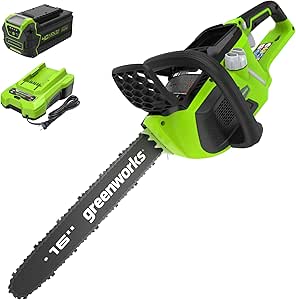
Greenworks 40V 16-Inch Brushless Cordless Chainsaw Kit with 4.0Ah Battery and Charger

VEVOR Walk-In Tunnel Greenhouse with Watering System, 15 x 7 x 7 ft

Greenworks 40V Cordless Chainsaw Kit with 12-Inch Bar, 2Ah Battery and Charger
As an affiliate, we earn on qualifying purchases.
Frequently Asked Questions
How Do Maintenance Costs Compare Between Small and Large Hydroponic Kits?
You’ll find that maintenance costs are generally lower for smaller hydroponic kits. They use less water, promoting water conservation, and are easier to clean, reducing pest control issues. Smaller systems often require fewer replacements and repairs, saving you money over time. Plus, their manageable size helps you spot and address problems early, making maintenance more straightforward and cost-effective compared to larger setups.
Can Smaller Kits Be Scaled up Easily for Larger Production?
Yes, smaller hydroponic kits can be scaled up more easily for larger production. You can adjust plant nutrition and water management by customizing each kit’s settings, ensuring ideal growth. As you expand, you can add more units incrementally, simplifying maintenance and troubleshooting. This approach helps prevent system overloads and allows you to monitor and control plant health effectively, making scaling a manageable and flexible process.
Are There Specific Crops Better Suited for Smaller Hydroponic Systems?
Think of smaller hydroponic systems as tailored suits—they’re perfect for certain crop varieties. Leafy greens like lettuce and herbs thrive in these setups because they adapt well to controlled growing environments. These crops grow quickly, require less space, and are easy to monitor. If you’re aiming for quick harvests and flexibility, smaller systems are your best bet, making them ideal for experimenting with different crop varieties without overhauling your entire operation.
What Are the Energy Efficiency Differences Between the Two Setups?
You’ll find that smaller hydroponic kits often use energy more efficiently because lighting optimization is easier, allowing you to target specific areas without wasting power. Plus, managing nutrient formulation becomes simpler, reducing excess consumption. In contrast, larger systems may require more intense lighting and broader nutrient mixes, increasing energy use. Overall, smaller setups tend to save energy, especially when you optimize lighting and carefully tailor nutrient delivery.
How Does System Failure Impact Crop Yield in Small Versus Large Kits?
Did you know that small hydroponic systems often recover faster from failures, maintaining around 80% of crop yield? When a failure occurs, system redundancy in smaller kits means damage is contained, limiting crop loss. Large systems, however, risk total crop failure. This approach helps with cost optimization, as fixing or replacing smaller components is cheaper and quicker, ensuring steady yields and less overall disruption.
Conclusion
Imagine trying to carry a single, heavy box versus two lighter ones—you’ll find the two smaller boxes easier to handle and organize. Similarly, using two smaller hydroponic kits can be more efficient and manageable than one giant system. Just like splitting a big task into smaller steps makes it easier to succeed, dividing your setup helps you monitor and troubleshoot more effectively. Sometimes, less is truly more when it comes to growing your garden.