TL;DR

Get garden gear delivered free with Prime
- Fast, free delivery on millions of items
- Prime Video, Amazon Music and more included
- Member-only deals all year
Ideal Home’s gardening report names seven fruit trees that can suit small gardens: pear, plum, fig, apple, mulberry, cherry and peach. Experts quoted in the report recommend compact or dwarfing trees, and note that pots and wall training can help gardeners work with limited space.
Ideal Home has outlined seven fruit trees that can suit smaller gardens, recommending pears, plums, figs, apples, mulberries, cherries and peaches. The report, drawing on advice from gardening experts, says dwarfing rootstocks, self-fertile varieties and space-saving training can help people grow fruit where a full-sized tree or orchard would not fit.
The recommendations pair each fruit with ways to manage its size or pollination needs. For pears, British Garden Centres’ head of plants Julian Palphramand advises choosing trees on dwarfing rootstocks and, where possible, varieties that do not need a second tree for pollination. He names ‘Concorde’ as a self-fertile option, while saying ‘Doyenné du Comice’ needs a pollinator if there is room for one.
For plums, gardening and greenhouse expert Lucie Bradley recommends the self-fertile varieties ‘Opal’ and ‘Victoria’. Figs can be grown in pots, and their branches can be trained flat against a wall, according to Richard Barker, a horticultural expert and commercial director of LBS Horticulture; trees grown in containers can also suit compact gardens. Barker says restricting a fig’s roots can support cropping.
Apples offer several space-saving options: some can grow in large pots or be trained as cordons or espaliers against a wall. Barker cautions that most apple varieties need another tree for pollination, suggesting ‘Braeburn’ or ‘Red Falstaff’ for gardeners with room for only one. For cherries, experts recommend self-fertile choices such as ‘Stella’, ‘Lapins’ and ‘Sunburst’. The source also lists dwarf or patio mulberries and dwarfing peaches, particularly when trained against a warm, sunny wall.
Small Spaces Can Still Bear Fruit
The advice addresses a practical barrier for home growers: limited garden space. Instead of treating fruit trees as an option only for large plots, the report describes approaches that can fit a tree into a pot, a narrow wall or a compact garden. That can also help readers avoid buying a variety that grows too large or requires a pollination partner they cannot accommodate.
The recommendations are not a guarantee of a particular harvest. Results depend on the variety, growing conditions and care, and the report offers general guidance rather than a site-specific planting plan. Still, knowing whether a tree is self-fertile and how it can be trained gives readers useful information before choosing what to plant.
dwarf fruit trees for small gardens
As an affiliate, we earn on qualifying purchases.
As an affiliate, we earn on qualifying purchases.
Choosing Trees for Tight Gardens
The report’s advice focuses on matching the tree to the space. A dwarfing rootstock limits growth compared with a more vigorous tree, while cordon and espalier training guide branches along a wall or support. Pots can also make figs and some apples viable in a small garden, though container growing requires care suited to the plant and its conditions.
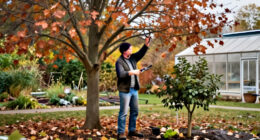
Planting time is another part of the guidance. Pim Dickson, senior horticulturist at Fothergill’s, says autumn soil remains warm and seasonal rainfall supplies moisture, giving plants time to establish roots before spring and summer growth. The report presents autumn as a suitable planting period, not as a guarantee that every tree or local climate will have the same conditions.
“The trick is to choose trees bred to stay small (often called “dwarfing” rootstocks) and, where possible, self-fertile varieties so you don’t need a second tree to pollinate them.”
— Julian Palphramand, head of plants at British Garden Centres
As an affiliate, we earn on qualifying purchases.
Local Growing Conditions Still Matter
The report does not give a complete growing plan for each tree or specify how much space every variety needs. It also does not provide a publication date, regional planting calendar, or comparative yield data. Its suggestions should be treated as general expert guidance, rather than a promise that each variety will thrive in every garden.
The peach section is cut off in the supplied source after noting that dwarfing peaches and nectarines can suit small gardens, particularly against a warm, sunny wall. It does not provide a named peach variety or the rest of the care advice. Gardeners would need to check the tree’s pollination needs, mature size and suitability for local conditions before buying.
wall-trained fig trees for containers
As an affiliate, we earn on qualifying purchases.
As an affiliate, we earn on qualifying purchases.
Check Variety Before Planting
Readers considering a tree should check its rootstock, mature size and pollination requirements with a nursery or reliable plant supplier. They can then match the variety to a pot, wall or available ground space and follow planting and pruning instructions for that specific tree. The source identifies autumn as a planting opportunity, but does not announce a scheduled follow-up or a new horticultural study.
As an affiliate, we earn on qualifying purchases.
Key Questions
Which seven fruit trees does the report recommend?
It lists pear, plum, fig, apple, mulberry, cherry and peach as options for smaller gardens.
Can one fruit tree produce fruit without a second tree?
Some varieties are self-fertile, but requirements vary. The report names pear ‘Concorde’, plums ‘Opal’ and ‘Victoria’, apple ‘Braeburn’ and ‘Red Falstaff’, and cherries ‘Stella’, ‘Lapins’ and ‘Sunburst’ as self-fertile choices. Check the details for the exact variety before buying.
Can fruit trees grow in pots?
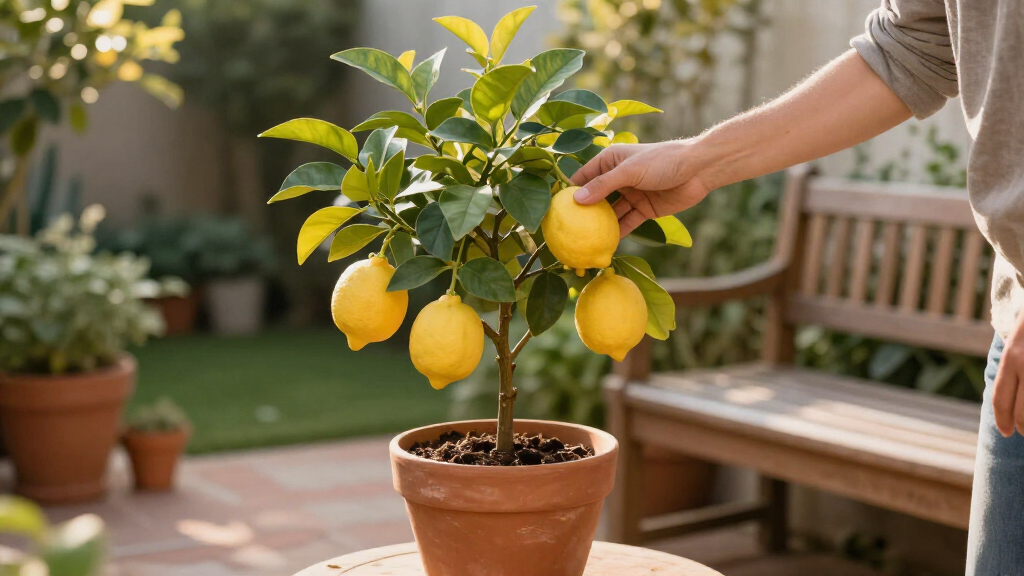
Yes, according to the report, some are suited to containers. It highlights figs, whose roots can be restricted, and says some apple varieties thrive in large pots. Choose a variety and container appropriate to the plant’s eventual size.
When does the report recommend planting?
It describes autumn as a suitable time, citing warm soil and rainfall that can help plants establish roots. Local weather and the type of tree still matter, so follow the supplier’s planting guidance.
Source: rss
Halloween Picks
halloween
As an affiliate, we earn on qualifying purchases.