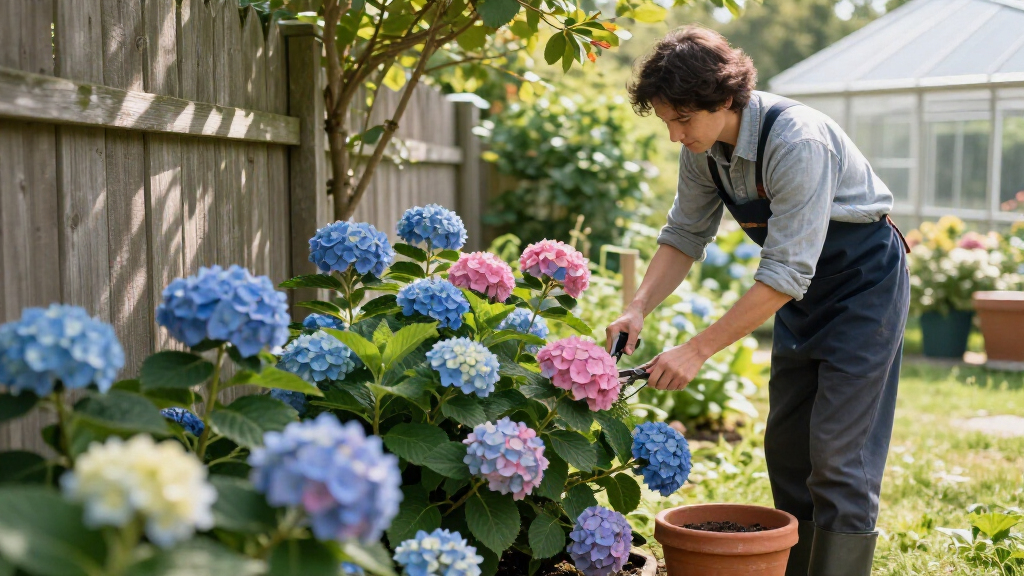
The 12 best hydrangea plants for colorful, reliable blooms balance flower impact with the growing conditions your garden can provide. My best overall pick is the Endless Summer BloomStruck Bigleaf Hydrangea for repeat-bloom potential, while Vanilla Strawberry stands out for flowers that shift from white to pink and red. For a smaller-space option, Fairytrail Bride offers a different, trailing habit. The main tradeoffs are mature size, bloom timing, color variability, and how much care a plant needs to flower well. Read on for the full comparison, buying advice, and picks for different garden priorities.

Get garden gear delivered free with Prime
- Fast, free delivery on millions of items
- Prime Video, Amazon Music and more included
- Member-only deals all year
Complete the kit


Key Takeaways
- Bloom reliability favors named shrubs over seeds: the established shrub selections provide clearer expectations for growth and flowering than the mixed-color seed packet, which adds uncertainty about color and time to bloom.
- BloomStruck leads for repeat-flowering potential: it is the strongest fit for gardeners who want more than one flush, while actual performance still depends on climate, care, and plant establishment.
- Vanilla Strawberry is the standout for changing color: its flowers shift through a seasonal palette, unlike the blue-focused live plants, which offer a more specific color direction.
- Plant habit matters as much as flower color: Fairytrail Bride suits a different design role from upright shrubs such as Spring Sizzle and Let’s Dance Skyview.
- Small live plants ask for patience: several 6–12-inch plants and the 4–6-inch French Hydrangea may need time to fill out, while the 2- and 3-gallon shrubs offer a more developed starting point.
| French Hydrangea Live Plant, 4–6 Inches Tall |  | Best for Soil-Responsive Color | Plant type: French hydrangea (Hydrangea macrophylla) | Starting height: 4–6 inches | Sunlight exposure: Full sun | VIEW ON AMAZON | See Our Full Breakdown |
| First Editions Spring Sizzle Hydrangea Shrub |  | Best for Reliable Color Progression | Plant type: Panicle hydrangea shrub | USDA hardiness zones: 3–8 | Sun exposure: Full sun to part shade | VIEW ON AMAZON | See Our Full Breakdown |
| Pink-to-Red Oakleaf Hydrangea Live Plant, 6–12 Inches Tall |  | Best for Borders and Containers | Plant type: Oakleaf hydrangea | Starting height: 6–12 inches | Sunlight exposure: Full sun | VIEW ON AMAZON | See Our Full Breakdown |
| Vanilla Strawberry Hydrangea Shrub, 3 Gallon |  | Best for a Large, Multi-Stage Display | Botanical name: Hydrangea paniculata ‘Renhy’ PP20,670 | USDA hardiness zones: 3–8 | Expected plant height: 72 inches | VIEW ON AMAZON | See Our Full Breakdown |
| Deep Purple Blue Hydrangea Live Plant, 6–12 Inches Tall |  | Best for a Compact Color Accent | Plant type: Live hydrangea shrub | Starting height: 6–12 inches | Mature height: 3–6 feet | VIEW ON AMAZON | See Our Full Breakdown |
| Blue Hydrangea Live Plant, 6–12 Inches Tall in 2.5-Inch Pot |  | Best for a Blue-Bloom Container Start | Plant type: Live rooted hydrangea | Plant height at arrival: 6–12 inches | Expected plant height: 72 inches | VIEW ON AMAZON | See Our Full Breakdown |
| 150+ Mixed-Color Hydrangea Seeds for Gardens and Containers |  | Best for Patient Seed Starters | Seed count: 150+ | Listed colors: Blue, pink, and purple | Plant type: Perennial | VIEW ON AMAZON | See Our Full Breakdown |
| Proven Winners Fairytrail Bride Hydrangea Shrub, 2 Gallon |  | Best for Cascading White Blooms | Plant type: Cascade hydrangea shrub | Container size: 2 gallon | Flower color: White | VIEW ON AMAZON | See Our Full Breakdown |
| Endless Summer BloomStruck Bigleaf Hydrangea Live Shrub, 3 Gallon |  | Best for Repeat Color | Plant type: Deciduous flowering shrub | Botanical name: Hydrangea macrophylla ‘PIIHM-II’ (PP# 25566) | Container size: 3 gallons | VIEW ON AMAZON | See Our Full Breakdown |
| Pink, Blue, and Purple Hydrangea Live Plant, 6–12 Inches Tall |  | Best for a Dormant Rooted Starter | Plant type: Flowering hydrangea shrub | Height: 6–12 inches | Bloom colors: Blue, pink, and purple | VIEW ON AMAZON | See Our Full Breakdown |
| Blue Hydrangea Live Plant, 6–12 Inches |  | Best for Flexible Planting | Plant type: Flowering shrub | Plant height: 6–12 inches | Flower color: Blue; may vary with weather | VIEW ON AMAZON | See Our Full Breakdown |
| Proven Winners Let’s Dance Skyview Hydrangea Shrub – 2 Gallon |  | Best for Compact Landscape Design | Plant type: Deciduous shrub | Package size: 2 gallons | Mature height: 24–36 inches | VIEW ON AMAZON | See Our Full Breakdown |
| hydrangea plants for colorful reliable bloom | Plant type | USDA hardiness zones | Sunlight exposure |
|---|---|---|---|
| French Hydrangea Live Plant | French hydrangea (Hydrangea macrophylla) | 6–9 | Full sun |
| First Editions Spring Sizzle H | Panicle hydrangea shrub | 3–8 | — |
| Pink-to-Red Oakleaf Hydrangea | Oakleaf hydrangea | — | Full sun |
| Vanilla Strawberry Hydrangea S | — | 3–8 | — |
| Deep Purple Blue Hydrangea Liv | Live hydrangea shrub | — | Full sun listed; description calls for filtered shade |
| Blue Hydrangea Live Plant | Live rooted hydrangea | 3–9 | Full sun to partial shade |
| 150+ Mixed-Color Hydrangea See | Perennial | 3–9 | Full sun |
| Proven Winners Fairytrail Brid | Cascade hydrangea shrub | 6–9 | — |
| Endless Summer BloomStruck Big | Deciduous flowering shrub | — | — |
| Pink | Flowering hydrangea shrub | — | — |
| Blue Hydrangea Live Plant | Flowering shrub | 3–9 | Full sun |
| Proven Winners Let’s Dance Sky | Deciduous shrub | 4–9 | — |
More Details on Our Top Picks
French Hydrangea Live Plant, 4–6 Inches Tall
This well-rooted French hydrangea starter suits gardeners who want blue-to-pink mophead blooms and are willing to manage the conditions that influence color. Its soil-pH-dependent flowers offer more color flexibility than First Editions Spring Sizzle Hydrangea, whose white-to-red shift is described as part of its flowering cycle. The tradeoff is that color is less predictable here: soil conditions matter, and the plant needs regular watering. At just 4–6 inches tall, it also asks for patience while it establishes, unlike the larger Vanilla Strawberry Hydrangea Shrub. Its stated hardiness range of zones 6–9 makes it a fit for milder regions, but a less versatile choice for colder gardens. Choose it for adjustable-color potential, not immediate garden impact.
Pros:- Well-rooted starter plant gives it a foundation for establishment.
- Mophead blooms may range from blue to pink depending on soil pH.
- Spring-to-summer bloom period adds seasonal color.
- Low maintenance once established, according to the product description.
Cons:- Regular watering is needed, especially while the small plant establishes.
- Bloom color depends on soil conditions and may be difficult to predict.
- Its 4–6-inch starting height means it offers less immediate presence than larger shrubs.
Best for: Gardeners in USDA zones 6–9 who enjoy adjusting soil conditions and can keep a young hydrangea regularly watered.
Not ideal for: Gardeners who need an established, large shrub quickly, live outside zones 6–9, or want flower color that does not depend on soil conditions.
- Plant type:French hydrangea (Hydrangea macrophylla)
- Starting height:4–6 inches
- Sunlight exposure:Full sun
- USDA hardiness zones:6–9
- Expected blooming period:Spring to summer
- Moisture needs:Regular watering
- Quantity:1 plant
Our verdict“Pick this compact French hydrangea if you want soil-responsive color and can provide steady water while it grows.”
First Editions Spring Sizzle Hydrangea Shrub
Spring Sizzle earns this spot for a clear, season-long color story: its white flowers appear in early summer and turn deep red even in warm climates. That makes its color change less dependent on soil chemistry than the French Hydrangea Live Plant, which may bloom blue or pink according to soil pH. Strong stems help keep the flower heads upright, a practical advantage for a 4–6-foot hedge or foundation planting. It also covers a broader stated range, USDA zones 3–8. The tradeoffs are its deciduous habit and dormant winter-to-early-spring shipping, so it may arrive without foliage and needs appropriate planting timing. Compared with the larger Vanilla Strawberry Hydrangea Shrub, Spring Sizzle is a more compact choice, though its stated mature width still calls for room.
Pros:- Flowers change from white to deep red, including in warm climates.
- Strong stems help flowers stay upright rather than flop.
- Mature size suits hedges and foundation plantings.
- USDA zones 3–8 and full sun to part shade offer a broad planting range.
Cons:- Ships dormant from winter through early spring and may arrive without foliage.
- Deciduous foliage drops in winter.
- Mature width of 4–5 feet requires adequate spacing.
Best for: Gardeners in USDA zones 3–8 seeking a medium-sized hedge or foundation shrub with a predictable white-to-red bloom progression and sturdy stems.
Not ideal for: Buyers who want evergreen foliage, a plant that arrives leafy during dormant shipping season, or a small-space shrub that can be planted close together.
- Plant type:Panicle hydrangea shrub
- USDA hardiness zones:3–8
- Sun exposure:Full sun to part shade
- Mature height:4–6 feet
- Mature width:4–5 feet
- Recommended spacing:36 inches
- Growth habit:Deciduous
- Average shipping height:12–18 inches
- Shipping condition:Dormant in winter through early spring
Our verdict“Choose Spring Sizzle for a compact-to-medium shrub with upright flowers and a more predictable color change than soil-sensitive bigleaf types.”
Pink-to-Red Oakleaf Hydrangea Live Plant, 6–12 Inches Tall
This 6–12-inch oakleaf hydrangea is aimed at gardeners who want to start with one young plant for a border or porch container and value large flower clusters. Its pink-to-red color range gives it a different look from Spring Sizzle Hydrangea, whose stated flowers begin white before turning deep red. The apparent color flexibility is a draw, but this listing also ties bloom color to soil conditions, so the final shade is not guaranteed. Its zones 5–9 range is narrower than Spring Sizzle’s zones 3–8, and the full-sun requirement may rule out gardens with only shaded planting spots. Regular watering and annual pruning add recurring care. Compared with the 4–6-inch French Hydrangea starter, this plant begins taller, but it still needs time and attention before it becomes a substantial display.
Pros:- Large flower clusters can provide a showier display than a small starter plant.
- Pink-to-red color range offers a different look from white-to-red panicle varieties.
- 6–12-inch starting height is taller than the French Hydrangea starter.
- Listed for both garden borders and porch containers.
Cons:- Full-sun exposure limits placement options.
- Regular watering and annual pruning require ongoing care.
- Bloom color may vary with soil conditions.
Best for: Gardeners in USDA zones 5–9 who want a young hydrangea for a sunny border or porch container and can keep up with watering and annual pruning.
Not ideal for: Gardeners with shaded sites, those wanting a low-pruning option, or buyers who need flower color unaffected by soil conditions.
- Plant type:Oakleaf hydrangea
- Starting height:6–12 inches
- Sunlight exposure:Full sun
- Hardiness zones:5–9
- Bloom color:Pink to red, depending on soil conditions
- Unit count:1 plant
- Care needs:Regular watering and annual pruning
Our verdict“Choose this oakleaf hydrangea for a sunny border or container if you want large clusters and accept regular pruning and soil-dependent color.”
Vanilla Strawberry Hydrangea Shrub, 3 Gallon
For gardeners who want the largest color presence among these five picks, Vanilla Strawberry has a strong case: its upright flower heads open creamy white, turn pink as temperatures cool, and deepen to strawberry red in fall. That staged progression differs from Spring Sizzle’s white-to-deep-red change and gives the garden a longer visual shift. The listed plant height is 72 inches, with a mature spread of 60–72 inches, so it can anchor a landscape or supply stems for fresh and dried arrangements. It also tolerates full sun to partial shade and is listed for zones 3–8. The tradeoff is space: it is far larger than the small live starters here and needs room to spread. Its foliage is deciduous, and dormant-season shipping may mean a bare-looking arrival.
Pros:- Flower heads shift from creamy white to pink and strawberry red.
- Large upright blooms can be used in fresh or dried arrangements.
- Full sun to partial shade allows more placement flexibility than full-sun-only picks.
- Listed for USDA zones 3–8.
Cons:- Mature size requires substantial garden space and careful spacing.
- Deciduous foliage drops in winter.
- May ship dormant from winter through early spring.
Best for: Gardeners in USDA zones 3–8 with room for a large shrub who want changing flower color and blooms suitable for cutting or drying.
Not ideal for: Container gardeners with limited space, buyers seeking evergreen winter structure, or anyone unable to leave several feet for the mature spread.
- Botanical name:Hydrangea paniculata ‘Renhy’ PP20,670
- USDA hardiness zones:3–8
- Expected plant height:72 inches
- Mature size:72–96 inches tall × 60–72 inches wide
- Sun exposure:Full sun to partial shade
- Water needs:Moderate
- Bloom color:Creamy white, turning pink and then strawberry red
- Recommended spacing:60 inches
- Foliage:Deciduous
Our verdict“Pick Vanilla Strawberry for a roomy landscape where a large shrub can deliver an extended white-to-strawberry-red flower display.”
Deep Purple Blue Hydrangea Live Plant, 6–12 Inches Tall
This 6–12-inch live hydrangea is the more compact route to a colorful focal point, border, or container, with a stated mature height of 3–6 feet. Its large flower clusters may range from deep purple-blue to deep pink, giving it a broader color description than the pink-to-red Oakleaf Hydrangea Live Plant. But the listing is less specific about bloom timing and hardiness zones, so buyers have less information for planning reliable seasonal color. It calls the plant winter hardy while listing full sun exposure, yet the description also says it needs filtered shade; that guidance is inconsistent and worth clarifying before choosing a site. Regular watering is required. Compared with the more clearly specified Spring Sizzle, this pick offers a compact accent role but less dependable planting guidance.
Pros:- Large flower clusters are described in deep purple-blue to deep pink shades.
- Starting height of 6–12 inches is suited to smaller planting projects.
- Listed mature height of 3–6 feet gives it a defined role as a moderate-sized accent.
- Can be used in borders, containers, or as a focal point.
Cons:- Consistent watering is required.
- Light guidance conflicts: the specs list full sun while the description calls for filtered shade.
- No specific USDA hardiness range or bloom period is provided.
Best for: Gardeners seeking a single young hydrangea for a border, container, or focal point who can provide consistent water and confirm suitable light conditions.
Not ideal for: Buyers who need a clearly stated hardiness range, dependable bloom-color expectations, or unambiguous guidance on sun and shade.
- Plant type:Live hydrangea shrub
- Starting height:6–12 inches
- Mature height:3–6 feet
- Color:Deep purple-blue to deep pink
- Sunlight exposure:Full sun listed; description calls for filtered shade
- Unit count:1 plant
- Brand:AKTRD
- Water needs:Consistent watering
- Suggested uses:Borders, containers, or focal point
Our verdict“Choose this as a compact color accent only if you can verify its light requirements and accept less detailed growing guidance than Spring Sizzle provides.”
Blue Hydrangea Live Plant, 6–12 Inches Tall in 2.5-Inch Pot
This rooted starter is a practical choice for gardeners who want to place a hydrangea in a border or container and watch it develop. Its large, ball-shaped blooms offer a bolder display than the trailing white flowers of Proven Winners Fairytrail Bride, while its color-changing blooms add some variation. At just 6–12 inches tall in a 2.5-inch pot, though, it arrives as a young plant rather than an instant focal point, so patience and room to grow matter. The listed zones 3–9 give it a broad stated climate range, but it still needs suitable light, well-drained soil, and consistently moist—not waterlogged—conditions. Compared with the more established 3-gallon BloomStruck, this is a smaller-scale starting point with less immediate garden impact.
Pros:- Rooted live plant can be planted into a garden bed or container
- Large ball-shaped clusters provide a bold bloom form
- Listed for USDA hardiness zones 3–9
- Color-changing flowers offer more visual variation than a single fixed shade
Cons:- Small 2.5-inch pot and 6–12-inch arrival height mean it needs time to fill out
- Regular watering is needed to keep soil consistently moist
- Bloom performance depends on providing suitable light and well-drained soil
Best for: Gardeners who want an affordable-sized rooted starter for a patio container or border and can provide regular watering as it establishes
Not ideal for: Buyers seeking a mature shrub or immediate flowers, or gardeners unable to keep the soil evenly moist and well drained
- Plant type:Live rooted hydrangea
- Plant height at arrival:6–12 inches
- Expected plant height:72 inches
- Pot size:2.5 inches
- Bloom shape:Large, ball-shaped clusters
- Blooming period:July through September
- Sunlight exposure:Full sun to partial shade
- USDA hardiness zones:3–9
- Watering:Regular; keep soil consistently moist but not waterlogged
Our verdict“Choose this young plant for a flexible, colorful container or border start, not for instant mature-shrub impact.”
150+ Mixed-Color Hydrangea Seeds for Gardens and Containers
This packet is the pick for gardeners who enjoy starting plants from seed and value quantity over quick results. It lists 150+ seeds in blue, pink, and purple shades, giving a careful grower many chances to raise plants for beds, borders, or containers. That is a very different proposition from the established-root shrubs in this lineup: compared with the 6–12-inch Blue Hydrangea Live Plant, seeds need more time and care before they can provide a garden display. The listing describes the plants as perennial and hardy in zones 3–9, but it does not give a germination timeline or a guarantee of bloom color. It also lists full sun and regular watering, so this is better for seed-starting hobbyists than for anyone seeking a predictable, near-term show of hydrangea blooms.
Pros:- Over 150 seeds provide many opportunities to grow plants
- Blue, pink, and purple shades are listed in the mix
- Perennial plants are intended to return year after year
- Suitable for outdoor beds, borders, and containers
Cons:- Seeds take longer to produce a flowering display than established live plants
- The listing does not specify germination timing or expected time to bloom
- Regular watering is needed, and seed-grown results may be less predictable
Best for: Experienced or patient gardeners who enjoy raising many plants from seed and can wait for them to mature
Not ideal for: Gardeners who need reliable blooms soon, want a known mature plant size, or prefer the simpler establishment of a rooted shrub
- Seed count:150+
- Listed colors:Blue, pink, and purple
- Plant type:Perennial
- Indoor/outdoor use:Outdoor
- Expected blooming period:Spring to fall
- Sunlight exposure:Full sun
- USDA hardiness zones:3–9
- Expected plant height:3 feet
- Soil and watering:Loam; regular watering
Our verdict“Pick this packet if you enjoy the time and uncertainty of seed starting; choose a rooted shrub for faster, more predictable garden color.”
Proven Winners Fairytrail Bride Hydrangea Shrub, 2 Gallon
Fairytrail Bride earns its place through form as much as flower color: its trailing stems and frilly white blooms can spill over a retaining wall, container, or hanging basket rather than standing as a conventional rounded shrub. That makes it a useful contrast to BloomStruck, whose pink, violet, or blue-purple mopheads create a more traditional, upright display. Fairytrail Bride is listed at 48 inches wide and tall, so its cascading habit still needs room, and it is suited to zones 6–9 rather than the broader stated range of the small Blue Hydrangea Live Plant. Summer flowering and no need for deadheading help keep upkeep straightforward. The main caveats are seasonal: it is deciduous, and plants shipped in winter through early spring may arrive dormant and without foliage.
Pros:- Trailing stems suit hanging baskets, retaining walls, and elevated containers
- Abundant frilly white flowers provide a distinct look beside mophead varieties
- Long summer bloom period
- Deadheading is not required
Cons:- Hardiness range is limited to zones 6–9
- Dormant winter and early-spring shipments may arrive without foliage
- Deciduous leaves drop in winter, and the mature 4-foot spread needs space
Best for: Gardeners in zones 6–9 who want a white-flowering hydrangea to cascade from a large container, retaining wall, or raised bed
Not ideal for: Buyers seeking colorful blue or pink flowers, a compact plant for a small pot, or leafy growth during dormant-season shipping
- Plant type:Cascade hydrangea shrub
- Container size:2 gallon
- Flower color:White
- Mature size:48 in. W × 48 in. H
- USDA hardiness zones:6–9
- Sun exposure:Full sun to part shade
- Bloom season:Summer
- Foliage:Deciduous
- Watering:Regular
Our verdict“Choose Fairytrail Bride for a cascading white display in a suitable warm-zone garden, not for a compact or colored-flower hydrangea.”
Endless Summer BloomStruck Bigleaf Hydrangea Live Shrub, 3 Gallon
BloomStruck is the strongest fit here for gardeners who want a repeat-blooming mophead rather than a single seasonal flush. It can flower on old and new wood, giving it more opportunity to bloom than the seed packet’s uncertain timetable, with pink, violet, or blue-purple flowers from summer into fall. Its 3-gallon size also offers a more substantial starting plant than the small Blue Hydrangea Live Plant. The tradeoff is that the flower color is not fixed: soil pH affects whether blooms lean pink or blue-purple, so buyers should not treat the listed shades as a guaranteed mix on one shrub. It prefers partial sun and moist, well-drained soil, and its 4–5-foot width takes more room than Fairytrail Bride’s container-friendly cascading role. Shipping restrictions also rule it out for several states.
Pros:- Reblooms on old and new wood
- Flowers from summer into fall
- Pink, violet, or blue-purple blooms respond to soil pH
- 3-gallon container provides a larger starting plant than small rooted options
Cons:- Bloom color varies with soil pH and is not guaranteed to match a chosen shade
- Mature width of 4–5 feet requires substantial space
- Cannot ship to AK, AZ, CA, CO, HI, ID, MT, NM, NV, OR, UT, WA, or WY
Best for: Gardeners seeking a larger reblooming mophead shrub for a partially sunny bed or spacious container in an eligible state
Not ideal for: Buyers who need a compact plant, a guaranteed flower color, or delivery to one of the listed restricted states
- Plant type:Deciduous flowering shrub
- Botanical name:Hydrangea macrophylla ‘PIIHM-II’ (PP# 25566)
- Container size:3 gallons
- Hardiness zones:4–9
- Mature size:3–4 ft. H × 4–5 ft. W
- Sun exposure:Partial sun
- Soil:Moist, well-drained; bloom color depends on soil pH
- Bloom season:Summer to fall
- Shipping restrictions:Cannot ship to AK, AZ, CA, CO, HI, ID, MT, NM, NV, OR, UT, WA, or WY
Our verdict“Choose BloomStruck for repeat summer-to-fall mophead color if you have space, suitable soil, and an eligible shipping address.”
Pink, Blue, and Purple Hydrangea Live Plant, 6–12 Inches Tall
This plant suits buyers who are comfortable receiving a hydrangea before it leafs out and want an established-root shrub rather than a packet of seeds. It arrives 6–12 inches tall, dormant, and leafless, so the first impression may be modest, but established roots give it a head start over the 150+ Mixed-Color Hydrangea Seeds for Gardens and Containers. The listing describes it as a summer rebloomer with possible blue, pink, or purple flowers, plus hardiness in zones 3–8. Those details make it a colorful option on paper, but the listing does not provide mature dimensions, a pot size, or a specific bloom-color guarantee. Compared with the 2.5-inch-potted Blue Hydrangea Live Plant, its care description calls for moderate rather than consistently moist watering, though it still needs a suitable site and time to establish.
Pros:- Established roots offer a head start over seed-grown plants
- Listed as a summer rebloomer
- Possible blue, pink, and purple flower shades
- Described as winter hardy in zones 3–8
Cons:- Ships dormant and leafless, with no immediate foliage display
- Mature size and pot dimensions are not provided
- The listing does not specify which flower color a buyer will receive
Best for: Gardeners in zones 3–8 who can plant a dormant rooted shrub and wait for foliage and seasonal blooms to develop
Not ideal for: Buyers who want a leafy plant on arrival, need mature-size guidance, or require a guaranteed flower color
- Plant type:Flowering hydrangea shrub
- Height:6–12 inches
- Bloom colors:Blue, pink, and purple
- Blooming period:Summer rebloomer
- Hardiness zones:3–8
- Sunlight:Full sun or partial sun
- Soil type:Sandy soil
- Water needs:Moderate
- Condition at shipment:Dormant, leafless, with established roots
Our verdict“Pick this rooted starter if dormant shipping is acceptable and you value a chance at varied summer color over a guaranteed shade.”
Blue Hydrangea Live Plant, 6–12 Inches
This young blue hydrangea earns its place for gardeners who want one shrub that can start in a border or container, rather than a larger plant with a fixed landscape role. At 6–12 inches tall, it is a smaller starting point than the 2-gallon Proven Winners Let’s Dance Skyview, so expect to give it time to establish and fill out. Its listed USDA zones 3–9 cover a broader range than Skyview’s zones 4–9, though local growing conditions still matter. The tradeoff is that the blue color may vary with weather, and the plant needs moderate, consistent moisture. Choose it for adaptable placement and a blue-flower aim, not for guaranteed color or immediate impact.
Pros:- Can be planted in outdoor gardens, borders, or containers
- Listed for a broad USDA zone range of 3–9
- Seasonal flower clusters bring color from spring to summer
Cons:- At 6–12 inches, it may take time to make a noticeable display
- Flower color may vary with weather
- Requires moderate, consistent watering
Best for: Gardeners in zones 3–9 who want a small hydrangea to place in a border or container and can keep its soil consistently moist
Not ideal for: Buyers seeking an established, larger shrub or dependable blue blooms regardless of weather
- Plant type:Flowering shrub
- Plant height:6–12 inches
- Flower color:Blue; may vary with weather
- Use:Outdoor
- Sunlight exposure:Full sun
- Soil type:Well-drained soil
- Moisture needs:Moderate watering
- USDA hardiness zones:3–9
- Blooming period:Spring to summer
Our verdict“Pick this compact starter plant if flexible placement and broad listed zone coverage matter more than immediate size or predictable blue color.”
Proven Winners Let’s Dance Skyview Hydrangea Shrub – 2 Gallon
Let’s Dance Skyview is the more planned, landscape-ready choice here: its mature height of 24–36 inches and width of 24–48 inches give buyers a clearer sense of the space it will occupy than the young Blue Hydrangea Live Plant, 6–12 Inches. Full sun to partial shade also gives it more placement flexibility than that plant’s full-sun listing. It suits containers, beds, and accent planting, with a 2-gallon package and 24-inch recommended spacing to help with layout. The tradeoffs are its narrower listed hardiness range of zones 4–9 and deciduous growth, which means winter foliage loss. It ships dormant at 10–14 inches, so a leafless arrival in the dormant-season shipping window is expected, not an instant display.
Pros:- Compact mature dimensions suit containers and smaller landscape accents
- Grows in full sun to partial shade
- Listed for several uses, including containers, landscape beds, and accent planting
- Two-gallon package and recommended spacing help with planting plans
Cons:- Listed hardiness range of zones 4–9 is narrower than the other blue shrub in this batch
- Deciduous growth means it loses foliage in winter
- Ships dormant at 10–14 inches, so it may arrive without foliage
Best for: Gardeners in zones 4–9 planning a compact bed, container, or accent planting who want defined mature dimensions and sun-to-partial-shade flexibility
Not ideal for: Gardeners outside zones 4–9 or buyers who want evergreen winter foliage or a leafy plant on arrival during dormant-season shipping
- Plant type:Deciduous shrub
- Package size:2 gallons
- Mature height:24–36 inches
- Mature width:24–48 inches
- USDA hardiness zones:4–9
- Sun requirement:Full sun to partial shade
- Recommended spacing:24 inches
- Shipping height:10–14 inches
- Seasonal condition:Ships dormant from winter through early spring
Our verdict“Choose Skyview for a compact, dimensionally defined planting with flexible light needs, provided its zone range and winter dormancy fit your garden.”
How We Picked
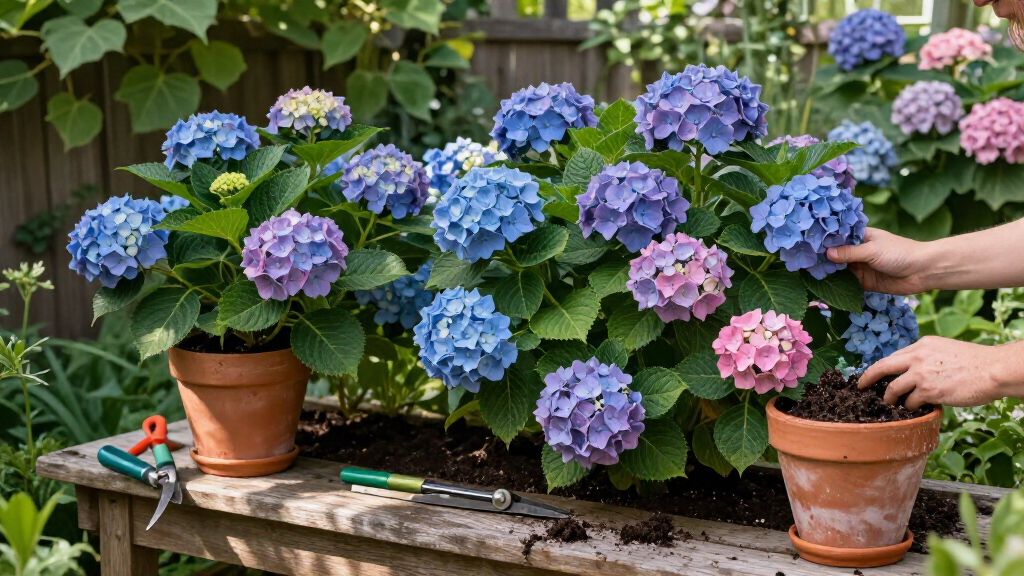
I ranked these options by how well they match the promise of colorful, dependable blooms, giving weight to flowering potential, clarity of plant identity, and the usefulness of the growth habit for a home garden. Named shrubs with specific growth or bloom traits placed ahead of generic color-labeled live plants when they offered buyers more predictable expectations. I also weighed the size at purchase, since a larger nursery shrub can provide a more immediate garden presence, while smaller plants may be easier to place but take longer to establish.
The ranking also reflects tradeoffs: color control, mature size, bloom timing, and care demands all affect whether a hydrangea is a good fit. I did not treat a vivid color name as a guarantee, since some hydrangea colors vary with growing conditions and cultivar. Seeds rank lower because they require more patience and leave more uncertainty about the finished plant. These recommendations should be matched to local climate, light, soil, and the seller’s plant-care details rather than treated as identical performers in every garden.
| hydrangea plants for colorful reliable bloom | Sunlight exposure |
|---|---|
| French Hydrangea Live Plant | Full sun |
| First Editions Spring Sizzle H | — |
| Pink-to-Red Oakleaf Hydrangea | Full sun |
| Vanilla Strawberry Hydrangea S | — |
| Deep Purple Blue Hydrangea Liv | Full sun listed; description calls for filtered shade |
| Blue Hydrangea Live Plant | Full sun to partial shade |
| 150+ Mixed-Color Hydrangea See | Full sun |
| Proven Winners Fairytrail Brid | — |
| Endless Summer BloomStruck Big | — |
| Pink | — |
| Blue Hydrangea Live Plant | Full sun |
| Proven Winners Let’s Dance Sky | — |
Factors to Consider When Choosing 12 Best Hydrangea Plants For Colorful Reliable Blooms
Choosing a hydrangea is less about picking the prettiest flower photo and more about matching a plant’s growth pattern and bloom needs to your space. I would compare plant type, mature size, color expectations, and establishment time before deciding which option belongs in your garden.
Match the Plant Type to Your Climate and Garden Conditions
Hydrangea types do not all respond to winter and summer in the same way, so start by identifying the plant type rather than relying on a color label. Bigleaf hydrangeas, such as BloomStruck, can offer repeat-bloom potential, but their performance may depend on winter protection and local conditions. Oakleaf hydrangeas bring a different form and seasonal character, making the pink-to-red oakleaf plant a choice for gardeners who want more than a classic mophead look. Check the plant’s hardiness guidance against your location and ask whether it blooms on old wood, new wood, or both. A plant that fits your climate is more likely to flower dependably than one chosen only for its pictured color. If your winters are harsh or summers are hot, prioritize locally suitable cultivars and planting advice over broad marketing claims.
Treat Blue and Pink as Possible Outcomes, Not Fixed Guarantees
Blue, pink, and purple hydrangea colors can depend on soil conditions as well as cultivar, so a plant sold by color may not keep that exact shade in every garden. Some color shifts can be influenced by soil chemistry, but changes take time and are not equally effective for every plant. Before buying a blue-labeled hydrangea, find out whether its variety can produce blue flowers and what soil conditions it needs. Avoid making rapid or repeated amendments based on a single season’s blooms; test soil first and follow measured guidance. If you want changing colors without relying on soil adjustment, Vanilla Strawberry is a more direct route to a seasonal color progression. Choose a named cultivar when predictable characteristics matter more than chasing a particular shade.
Plan for Mature Width, Not Just the Pot Size
A compact nursery pot does not mean the mature shrub will stay small, and hydrangeas planted too close together can crowd paths, windows, and neighboring plants. Check the expected mature height and spread before deciding where a plant will go, then leave enough room for airflow and future growth. This matters especially when comparing small starter plants with the 2- and 3-gallon shrubs: container size describes the purchase, not the plant’s permanent footprint. Fairytrail Bride’s distinct trailing habit may serve a different spot from an upright shrub, but its eventual size still needs checking. For a container garden, confirm that the chosen variety can be maintained in a pot and plan for regular watering. A well-placed plant is easier to care for and less likely to need disruptive pruning later.
Choose Between Immediate Impact and Lower-Cost Patience
Larger nursery shrubs generally give a garden a fuller starting point, while small live plants need time to build roots and branching before they make a strong display. Seeds demand still more patience and introduce uncertainty around germination, flower color, and the time before mature blooms appear. That does not make seeds a poor choice for every gardener; they may suit someone who enjoys raising plants and is comfortable with variable results. If you want flowers sooner, a named, established shrub is usually the more direct path, though it needs enough space and careful establishment. Compare the supplied plant size and shipping season with your planting window, not just the product name. Paying more for a developed plant makes sense when immediate garden presence matters, but not when you are happy to wait and tend a starter.
Prune According to Blooming Habit
Incorrect pruning can remove flower buds, which is a common reason a healthy hydrangea produces few blooms. Different types flower on different growth, so identify the cultivar and its pruning guidance before cutting. If the label or seller information is unclear, avoid hard pruning until you confirm whether the plant sets buds on old wood or new wood. Deadheading and removing damaged stems are not the same as cutting back the whole shrub. Gardeners who want minimal guesswork should favor clear cultivar information and keep pruning light until the plant is established. A good pruning plan can protect the bloom potential that made the plant appealing in the first place.
Check Planting Season, Water, and Establishment Needs
Hydrangeas need consistent moisture while establishing, but poorly drained soil can create problems of its own. Choose a planting spot with suitable light for the specific variety and soil that drains while retaining some moisture. Water deeply after planting and monitor the root zone during dry spells rather than assuming frequent shallow watering is enough. Newly shipped or small plants can be more vulnerable to heat and drying than an established shrub, so give them a gentler start. Follow the seller’s directions for unpacking, planting, and acclimation, especially if the plant arrives outside your usual planting season. Strong establishment improves the odds of healthy growth, though it cannot make every cultivar bloom the same way in every climate.
Frequently Asked Questions
Which hydrangea in this roundup is the best choice if I want repeat blooms?
The Endless Summer BloomStruck Bigleaf Hydrangea is the clearest pick here for gardeners seeking repeat-bloom potential. That potential is not a promise of continuous flowers in every location; climate, winter conditions, light, water, and plant maturity all play a part. Check its local hardiness and pruning guidance before buying, since protecting flower buds can affect the display. If repeat flowering matters more than changing flower color, it is a more targeted choice than Vanilla Strawberry. Give a newly planted shrub time to establish before judging its full bloom pattern.
Can I make one of the blue hydrangeas stay blue?
You may be able to encourage blue flowers on a suitable hydrangea, but a blue product label does not guarantee the same shade in every soil. The plant’s variety and soil chemistry both matter, and any adjustment can take time. Test your soil before adding amendments, then follow locally appropriate directions rather than applying products by guesswork. If the plant’s identity or color response is unclear, ask the seller for cultivar and care details. Gardeners who prefer less color management may find a naturally changing selection such as Vanilla Strawberry a better match.
Should I buy a small live plant, a larger shrub, or hydrangea seeds?
Choose based on how soon you want a visible shrub and how much uncertainty you are willing to accept. The 2- and 3-gallon named shrubs provide a more developed starting point than the small 6–12-inch plants, while seeds require the most time and patience. A smaller live plant can be easier to fit into a tight planting plan, but it may take longer to fill the space and flower strongly. The mixed-color seed packet is best suited to gardeners who enjoy growing plants from the beginning and accept variable results. For a more predictable named cultivar and a quicker garden presence, select a nursery-grown shrub.
Which option makes the most sense for a small garden or container?
Fairytrail Bride is the lineup’s most distinctive choice for a different, potentially more flexible growth habit, but confirm its mature dimensions and container suitability before planting. Do not assume that a small shipping pot indicates a compact mature shrub; several small live plants can grow substantially larger. For containers, consider the eventual root space, drainage, watering frequency, and whether you can move or protect the pot in winter. A compact location may also call for more frequent watering than an in-ground bed. If the seller does not provide mature size and care details, request them before ordering.
Why might a hydrangea grow leaves but produce few flowers?
Limited flowering can result from pruning at the wrong time, winter damage to buds, unsuitable light, stress during establishment, or a mismatch between the cultivar and local conditions. Avoid cutting a shrub back until you know whether it blooms on old wood, new wood, or both. Check that it receives the light recommended for its type and gets steady moisture without sitting in waterlogged soil. A young plant may also need time to establish before it produces a full display. If the problem continues, review the cultivar’s care instructions and local growing guidance rather than adding fertilizer or pruning more aggressively.
Conclusion
For the strongest all-around match to colorful, reliable blooms, I would start with Endless Summer BloomStruck, especially if repeat-bloom potential is the priority. Choose Vanilla Strawberry as the best pick for a changing flower palette, and consider a larger named shrub such as the 3-gallon option when you want a more developed starting point. Fairytrail Bride is the best fit for gardeners seeking a distinct habit, while a small live plant suits buyers willing to wait for it to fill out. The seed packet is the value-minded choice for patient growers who accept more uncertainty, not for anyone seeking a quick, predictable display. For beginners, I would favor a clearly identified nursery-grown shrub with care instructions over seeds or a color-labeled plant with limited cultivar details. Match your final choice to local hardiness, available space, and pruning needs for the best chance of a lasting flower show.
Halloween Picks
halloween
As an affiliate, we earn on qualifying purchases.