Each week, inspect your hydroponic system for pests, cleaning containers and removing debris to prevent infestations. Check water pH and EC levels, adjusting nutrients as needed for ideal growth. Examine pumps, tubing, and air stones to guarantee proper functioning, and clean any algae or clogs. Maintain system cleanliness and monitor plant health for signs of stress. Keeping up with these tasks helps your system run smoothly—stay tuned to learn more about maintaining your setup effectively.
Key Takeaways
- Conduct weekly pest inspections and promptly address any infestations using gentle methods like neem oil or beneficial insects.
- Test and adjust water pH and EC levels to maintain optimal nutrient availability for plant health.
- Inspect and clean system components, including pumps, tubing, and reservoirs, to prevent clogs and contamination.
- Check for signs of plant stress, such as yellowing or stunted growth, and take corrective actions as needed.
- Maintain cleanliness by removing debris, sanitizing containers, and documenting maintenance activities for system longevity.

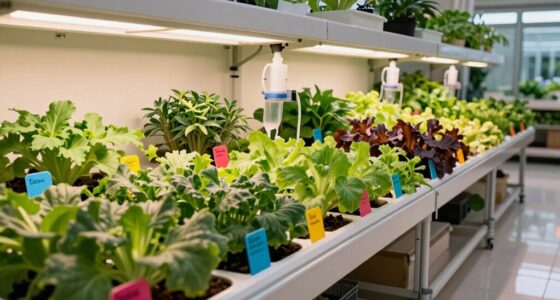
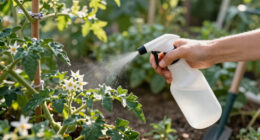
Maintaining a healthy hydroponic system requires regular attention, especially on a weekly basis. One of your top priorities is pest control. Even in controlled environments, pests can invade your system and threaten your crops. Each week, take time to inspect your plants thoroughly. Look for signs of pests like aphids, spider mites, or fungus gnats. If you spot any, address the problem immediately to prevent it from spreading. Use gentle but effective methods such as neem oil sprays or introducing beneficial insects like ladybugs. Maintaining cleanliness around your setup also plays a *vital* role in pest control. Remove any dead or decaying plant material, and keep the area free of weeds or debris that could harbor pests. Regularly check your growing containers, lids, and the surrounding environment to catch issues early. Proper sanitation helps prevent contamination and supports a healthy growing environment.
Another *key* aspect of your weekly routine is nutrient balancing. Your plants rely on a precise mix of nutrients dissolved in your hydroponic solution to grow *efficiently*. Over time, nutrient levels can become unbalanced, leading to deficiencies or toxicities that stunt plant growth. Each week, test your water’s pH and electrical conductivity (EC) to *guarantee* your nutrient solution remains within the ideal range for your crops. Adjust the pH if it drifts outside the recommended window—typically between 5.5 and 6.5—since this impacts nutrient availability. Add nutrients as needed to replenish what your plants have absorbed, making sure to follow your specific nutrient schedule. Keep records of your adjustments to track trends and prevent recurring issues.
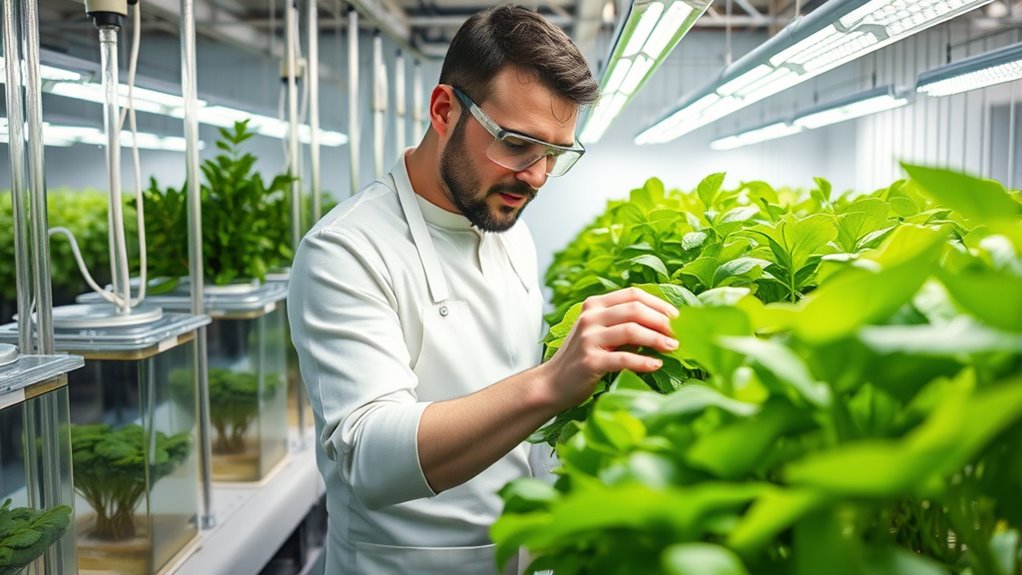
You should also monitor your system’s overall health during this weekly checkup. Inspect the pumps, tubing, and air stones for clogs or malfunction. *Verify* your reservoir isn’t running low or contaminated. Clean the nutrient solution if you notice any cloudiness or algae growth, which can indicate imbalances or contamination. Proper aeration is *essential*, so verify that your air pumps are functioning correctly to supply oxygen to your roots. Additionally, observe your plants frequently—look for signs of stress, such as yellowing leaves or stunted growth, which might indicate underlying problems in pest presence or nutrient imbalance. Address these quickly to keep your plants healthy and thriving.
Incorporating these routine checks into your weekly maintenance schedule keeps your hydroponic system running smoothly. By staying vigilant with pest control and nutrient balancing, you reduce the risk of major issues developing. This proactive approach *guarantees* your plants get what they need to grow strong, healthy, and productive. Regularly cleaning and inspecting your system not only prevents problems but also extends the lifespan of your equipment. Over time, this consistency pays off with better yields, healthier plants, and peace of mind knowing your hydroponic garden is well-maintained. Additionally, understanding the impact of contrast ratio on your system’s performance can help you optimize your setup for better visual monitoring and plant health.

VIVOSUN Digital pH and TDS Meter Kits, 0.01pH High Accuracy Pen Type pH Meter ± 2% Readout Accuracy 3-in-1 TDS EC Temperature Meter for Hydroponics, Pool and Aquarium, Yellow Blue, UL Certified
Application: Great for all home and laboratory TDS & pH testing applications including aquariums, swimming pools
As an affiliate, we earn on qualifying purchases.
As an affiliate, we earn on qualifying purchases.
Frequently Asked Questions
How Often Should I Replace Nutrients in My Hydroponic System?
You should plan to refresh your nutrients on a regular basis, typically every 1 to 2 weeks, to guarantee your plants receive ideal nourishment. This nutrient resupply helps prevent imbalances and keeps your system running smoothly. Follow a consistent replacement schedule, monitoring plant health and solution clarity, to maintain a healthy environment. Regular nutrient replacement not only promotes growth but also minimizes the risk of deficiencies and buildup.
What Are Signs of Nutrient Deficiencies in Hydroponic Plants?
You’ll notice nutrient deficiencies in your hydroponic plants through signs like plant discoloration, such as yellowing leaves, and poor growth. Root rot may also develop, showing up as dark, mushy roots and foul odors. These issues indicate your plants aren’t getting enough or the right balance of nutrients. To fix this, check your nutrient levels regularly and adjust as needed, ensuring your plants stay healthy and vigorous.
How Do I Prevent Algae Growth in My Hydroponic Setup?
To prevent algae growth in your hydroponic setup, you should focus on algae prevention by controlling light exposure and maintaining a clean environment. Use opaque or covered containers to block light from reaching the nutrient solution, and avoid excessive lighting hours. Regularly clean your system to remove algae spores, and ensure proper lighting control to limit algae development, keeping your plants healthy and free of unwanted algae.
What Tools Are Essential for Weekly Hydroponic System Maintenance?
To keep your hydroponic system healthy, you’ll need essential tools like pH testing kits to monitor acidity levels and cleaning brushes to scrub away algae and residues. These tools help you promptly pinpoint pH problems and prevent buildup. With these must-have methods, you maintain a pristine, productive environment that promotes plant prosperity. Regularly using these reliable tools guarantees your system runs smoothly, supporting your green thumb’s growth goals.
How Can I Troubleshoot Ph Fluctuations Effectively?
To troubleshoot pH fluctuations effectively, you should first perform pH calibration regularly with fresh buffer solutions to make certain your meter’s accuracy. Check your nutrient solution for contamination or imbalance, and adjust pH levels gradually. Monitor your system closely, noting any patterns or changes. Consistently calibrating your pH meter and using reliable buffer solutions help maintain stable pH levels, making your hydroponic system healthier and more productive.

EZTOCH Hydroponic pH EC Meter, Water pH TDS PPM Meter with Simultaneous Display for Reservoir Nutrient Solution, pH EC Meter for Water Hydroponic DWC System Setup, Measure Conductivity for Aquaponics
Simultaneously display pH EC Temp or pH ppm Temp: This pH tester can display the measured values of…
As an affiliate, we earn on qualifying purchases.
As an affiliate, we earn on qualifying purchases.
Conclusion
By sticking to this weekly hydroponic maintenance routine, you’ll keep your plants thriving and your system running smoothly. Regular checks prevent issues before they escalate, saving you time and frustration—like a seasoned gardener tending to their Eden. Remember, consistency is key, even if it feels like you’re channeling a bit of old-world diligence. Embrace the process, and you’ll enjoy bountiful harvests that make your efforts truly worthwhile.
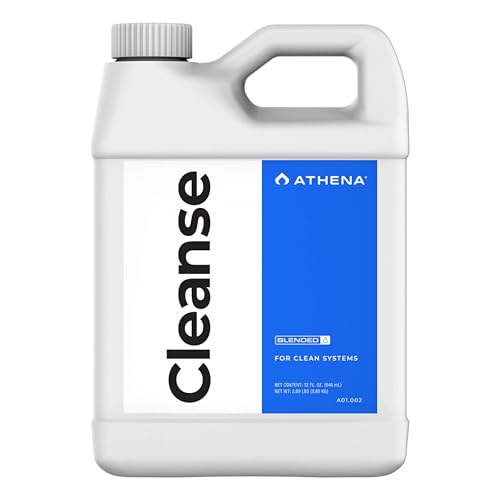
Athena Blended Cleanse | Plant-Safe System Cleaner for Hydroponics | Descaler Solution & Irrigation Line Cleaner | 32 Oz
Plant-Safe Descaling Solution for All Growth Stages: Non-toxic cleaning formula safe to use during vegetative or flowering phases…
As an affiliate, we earn on qualifying purchases.
As an affiliate, we earn on qualifying purchases.

Farming with Native Beneficial Insects: Ecological Pest Control Solutions
Storey publishing
As an affiliate, we earn on qualifying purchases.
As an affiliate, we earn on qualifying purchases.