To avoid overcrowding in your smart garden, check if your plants have enough space to grow comfortably. Make certain you’re following species-specific spacing guidelines, like giving leafy greens just a few inches and larger plants up to 24 inches. Use container sizes that match each plant’s mature root system, and consider automated sensors that alert you if plants get crowded. Keep an eye on your garden’s layout—there’s more to discover for healthier, more productive growth.
Key Takeaways
- Measure plant spacing regularly to ensure they follow species-specific recommendations and avoid overcrowding.
- Use automated sensors to monitor plant growth and receive alerts when plants need more space.
- Adjust container sizes as plants mature to prevent root-bound conditions and promote healthy development.
- Keep airflow unobstructed by maintaining proper distance between plants, reducing disease risk.
- Plan your garden layout considering mature plant size and spacing needs for optimal resource access.

Efficient space management is vital for maximizing the productivity and health of your smart garden. When you’re growing multiple plants, understanding the importance of proper plant spacing and container sizing can make all the difference. If you crowd your plants too closely, they’ll compete for sunlight, nutrients, and water, which can stunt growth and increase vulnerability to pests and diseases. Conversely, giving each plant enough room allows for better airflow and access to resources, leading to healthier, more robust growth.
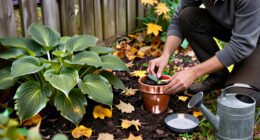
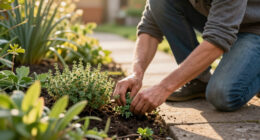
Start by paying close attention to plant spacing guidelines specific to each species you’re cultivating. Some plants thrive with minimal space, while others need more room to spread out. By following these recommendations, you prevent overcrowding that can hinder growth. For example, leafy greens like lettuce may need only a few inches between plants, but sprawling plants like tomatoes require more space—sometimes up to 24 inches apart. When planning your garden layout, consider the mature size of each plant, ensuring they have ample room to expand without encroaching on neighboring plants. Over time, this strategic spacing fosters a balanced ecosystem within your garden, reducing the risk of disease transmission and encouraging better pollination.
Pay close attention to plant-specific spacing guidelines to promote healthy growth and prevent overcrowding.
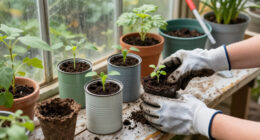
Container sizing plays a vital role in space management, especially if you’re using containers rather than traditional beds. Choosing the right container size ensures your plants have enough room for roots to grow and access nutrients efficiently. If you select a container that’s too small, your plants may become root-bound, stunting growth and making them more susceptible to stress. On the other hand, overly large containers can be wasteful and take up unnecessary space. To avoid these issues, match the container size to the mature root system of each plant. For instance, herbs like basil thrive in containers around 12 inches wide, while larger vegetables such as peppers or eggplants need containers of at least 18-24 inches in diameter. Proper container sizing also facilitates better drainage and prevents waterlogging, which can damage plant roots. Additionally, understanding plant growth and development can help you anticipate how much space each plant will need over time, ensuring your garden remains well-organized and efficient.
In your smart garden, technology can assist with space management. Automated sensors and app alerts can notify you if a plant is outgrowing its container or if spacing between plants becomes problematic. Use these tools to optimize your layout continually, adjusting as plants grow and seasons change. Remember, effective space management isn’t just about fitting as many plants as possible; it’s about creating an environment where each plant can thrive. By paying attention to plant spacing and container sizing, you set yourself up for a productive, healthy garden that makes the most of your available space.
smart garden plant spacing sensors
As an affiliate, we earn on qualifying purchases.
As an affiliate, we earn on qualifying purchases.
Frequently Asked Questions
How Do I Prioritize Plants for Limited Space?
When prioritizing plants for limited space, consider their growth patterns and plant spacing needs. You should place faster-growing or taller plants where they won’t overshadow smaller ones, and group plants with similar spacing requirements together. Focus on your favorite or most useful plants first, then fill gaps with companion plants. This approach guarantees healthy growth, maximizes space, and keeps your smart garden organized and thriving.
Can Smart Garden Tech Help Prevent Overcrowding?
Imagine your smart garden sensing when plants need more space or better companions. Smart garden tech, with features like vertical gardening and companion planting, actively helps prevent overcrowding by optimizing plant placement. It adjusts watering, lighting, and spacing automatically, making sure each plant has room to thrive. This technology keeps your garden organized, healthy, and productive, so you enjoy lush growth without the hassle of manual planning or overcrowding issues.
What Are Signs My Garden Is Overcrowded?
You notice your plants are crowded when they start competing for resources, with leaves overlapping or stems tangled. Poor plant spacing hampers airflow, increasing disease risk. If your garden layout feels cramped, and plants are visibly struggling, it’s a clear sign. Regularly evaluating your space helps prevent overcrowding, ensuring each plant has enough room to grow. Smart garden tech can assist by alerting you when plant spacing needs adjusting.
How Often Should I Reassess Space Allocation?
You should reassess your space allocation every few months, especially as your plants grow. Regularly monitoring plant growth helps you identify overcrowding, which can hinder healthy development and complicate pest control. By staying vigilant and adjusting plant placement as needed, you guarantee ideal growth conditions, reduce pests, and maintain a balanced, thriving garden. Consistent evaluation keeps your smart garden productive and healthy over time.
Are There Space-Saving Plant Varieties Recommended?
Think of your garden as a crowded room—every inch counts. You can save space with vertical gardening, stacking plants upwards instead of outwards. Companion planting also helps, pairing plants that thrive together and make efficient use of space. These strategies maximize your garden’s potential, helping you grow more in less space. So, go vertical and pair wisely to keep your garden lively without feeling cramped!
As an affiliate, we earn on qualifying purchases.
Conclusion
By now, you see how smart space management turns your garden into a well-orchestrated symphony rather than a chaotic jumble. When you give each plant its rightful place, your garden flourishes like a well-tended orchestra hitting every note perfectly. So, keep an eye on overcrowding, plan thoughtfully, and let your garden breathe easy. After all, a tidy garden is like a happy home—full of life and room to grow.
garden container size for vegetables
As an affiliate, we earn on qualifying purchases.
As an affiliate, we earn on qualifying purchases.
As an affiliate, we earn on qualifying purchases.