Starting your spring harvest in April with a thorough cleaning helps create a healthy, pest-free environment for your plants to thrive. Removing debris, weeds, and old plant material clears hiding spots for pests and diseases, while testing and amending soil guarantees strong growth. Sanitizing your tools prevents the spread of fungi or bacteria. By focusing on garden cleanliness now, you’ll set the stage for better yields and stronger plants later—discover more tips to boost your garden’s success.

Get garden gear delivered free with Prime
- Fast, free delivery on millions of items
- Prime Video, Amazon Music and more included
- Member-only deals all year
Key Takeaways
- Proper cleaning reduces pest habitats and disease spread, ensuring healthier plants for a successful spring harvest.
- Clearing debris and weeds prevents plant competition and supports optimal growth conditions early in the season.
- Soil testing and amendments improve fertility, leading to stronger, more productive plants for harvest.
- Sanitizing tools prevents the transfer of pests and pathogens, safeguarding your garden’s health.
- Maintaining overall garden cleanliness early on makes problem detection easier and promotes a resilient, bountiful harvest.

Are you ready to refresh your space for the Spring Harvest? Before you plant the first seed or turn over the soil, you need to focus on the foundation of a successful garden: cleaning and preparation. This first step isn’t just about tidying up; it’s about creating an environment where your plants can thrive and resist threats like garden pests. When you start with better cleaning, you’re setting your garden up for a bountiful harvest later in the season.
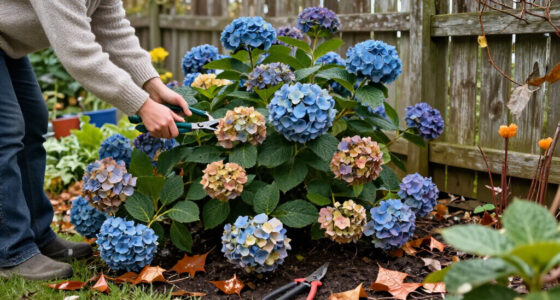
Begin by clearing out any debris, old plant material, and weeds from last year’s garden beds. Leftover plant matter and weeds can harbor garden pests and diseases, which can quickly spread to your new crops. Removing these pests early prevents infestations that could stunt your plants’ growth or cause them to fail altogether. It’s a simple but vital step that stops problems before they even begin, saving you time and frustration down the line.
Next, take a good look at your soil. Soil preparation is key to healthy plants, and it starts with cleaning. Test your soil’s pH and nutrient levels to determine what amendments might be necessary. Once you’ve identified deficiencies, you can add compost, organic matter, or specific nutrients to create a fertile, balanced foundation. Healthy soil not only boosts plant growth but also helps your garden resist pests naturally. For example, rich, well-drained soil makes it harder for pests like root maggots or fungi to take hold. Incorporating soil testing into your routine ensures you’re addressing the specific needs of your garden for optimal growth. Additionally, understanding your soil’s composition allows you to make more targeted improvements, leading to a healthier and more resilient garden. Regular soil testing, as part of your overall garden maintenance, can help you adapt your approach throughout the season. Furthermore, utilizing soil amendments based on testing results can significantly improve your garden’s health and productivity. Incorporating healthy soil practices can further enhance the overall vitality and pest resistance of your garden.
While you’re at it, consider sanitizing your gardening tools. Dirty tools can transfer pests, bacteria, and fungi from one part of your garden to another. Disinfecting your pruners, trowels, and watering cans with a solution of bleach or alcohol minimizes this risk. Clean tools also work more efficiently, making your task of soil preparation smoother and more effective.
Finally, think about the overall cleanliness of your garden area. Remove any clutter, old pots, or fallen leaves that could hide pests or serve as breeding grounds for insects and diseases. By maintaining a tidy space, you make it easier to spot problems early and ensure your plants have a clean, safe environment to grow in. When you start your Spring Harvest with thorough cleaning and soil preparation, you’re not just tidying up—you’re actively building a resilient, productive garden that can stand up to pests and flourish throughout the season.
Products Worth Considering

EGO POWER+ String Trimmer, Battery Powered, 16 Trimmer for Weeds and Grass with POWERLOAD, LINE IQ, Telescopic Carbon Fiber Shaft, Battery a

Rachio 3 Smart Sprinkler Controller, 8-Zone

EGO Power+ ST1511T 15-Inch Cordless String Trimmer with Battery and Charger
As an affiliate, we earn on qualifying purchases.
Frequently Asked Questions
How Often Should I Schedule Spring Cleaning During Harvest Season?
You should schedule spring cleaning during harvest season at least once every few weeks. Regular cleaning helps maintain soil health, preventing the buildup of pests and disease. By staying proactive, you guarantee your equipment stays in top condition, and pest control remains effective. Consistent cleaning also promotes better crop yields, keeps your harvest healthy, and reduces the risk of contamination, making your harvest season more productive and successful.
What Eco-Friendly Cleaning Products Are Best for Farm Equipment?
You should choose eco-friendly cleaning products like biodegradable solutions and plant-based cleaners for your farm equipment. These options effectively remove dirt and grease while being gentle on the environment. Biodegradable solutions break down naturally, reducing pollution, while plant-based cleaners are free from harsh chemicals. Using these products helps protect your land, water, and crops, ensuring a safer, sustainable farming operation without compromising cleaning power.
How Can Cleaning Improve Crop Yield During Spring?
Cleaning your equipment and workspace improves crop yield by promoting soil health and pest control. When you remove debris, residue, and pests, you reduce disease risks and create a healthier environment for your crops to grow. Proper cleaning also enhances equipment efficiency, ensuring better planting and harvesting. By prioritizing cleanliness in spring, you set the stage for stronger, healthier crops, maximizing your harvest potential and boosting overall farm productivity.
Are There Specific Cleaning Techniques for Delicate Harvest Tools?
Did you know that using gentle scrubbing can extend the lifespan of delicate equipment by up to 30%? For your delicate harvest tools, focus on gentle scrubbing with soft brushes or cloths to prevent damage. Avoid harsh chemicals and abrasive materials, which can harm sensitive surfaces. Regular, gentle cleaning guarantees your tools stay functional and efficient, helping you get the best yield during spring harvest without risking costly repairs or replacements.
When Is the Optimal Time for Deep Cleaning Before Harvest Begins?
You should deep clean your tools and equipment in early spring, ideally before soil preparation begins. This timing guarantees you remove any residues, pests, or contaminants that could affect your harvest. Deep cleaning promotes pest prevention and maintains hygiene, helping protect your crops. By tackling cleaning early, you set a solid foundation for a healthy, productive season, guaranteeing your tools are ready for the upcoming planting and harvesting activities.
Conclusion
By starting your spring cleaning now, you’re setting the stage for a successful harvest. Imagine your fields, spotless and ready—just like a pristine kitchen before cooking. Did you know that thorough cleaning can boost crop yields by up to 20%? That’s like turning a small garden into a lush, abundant paradise. So, roll up your sleeves and clean with purpose—your upcoming harvest depends on it, and better cleaning today promises a bountiful tomorrow.