
TL;DR

Get garden gear delivered free with Prime
- Fast, free delivery on millions of items
- Prime Video, Amazon Music and more included
- Member-only deals all year
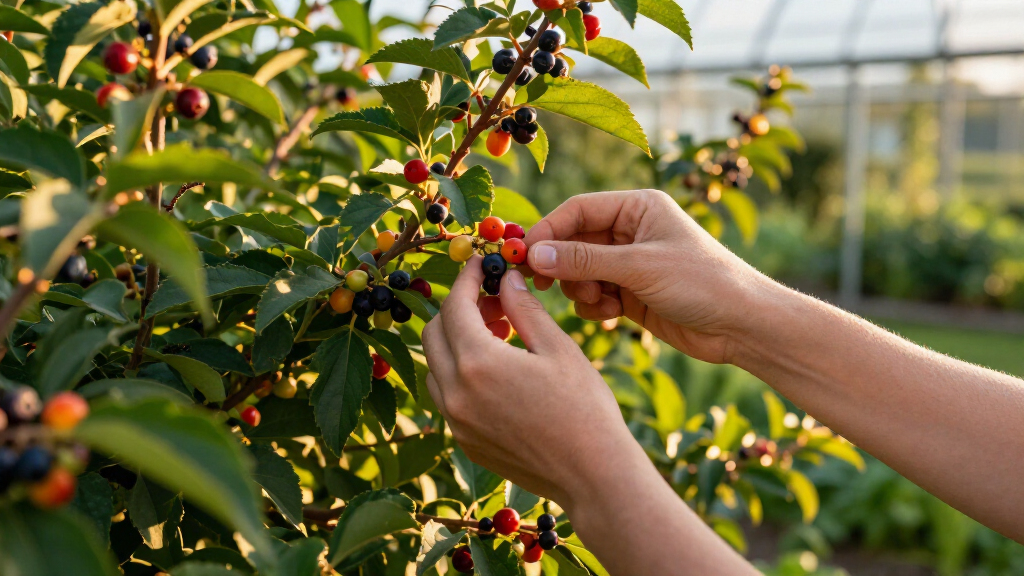
A berry-covered shrub is attracting growing interest as a visually appealing alternative to privet in gardens. While its popularity is rising, detailed information about its cultivation and suitability remains limited. This trend signals a shift toward more colorful, low-maintenance hedging options.
A berry-covered shrub is gaining attention among gardeners and landscapers as a potential attractive alternative to privet. The trend appears to be driven by growing interest in colorful, low-maintenance hedging options, although detailed information about the plant remains limited. The spike in search activity suggests that many are considering this shrub for future planting projects.
The plant in question is described as a shrub with dense foliage covered in vibrant berries, which could provide a visually striking alternative to traditional privet hedges. While specific species are not yet confirmed, reports indicate that interest in this shrub has surged recently, possibly fueled by social media and gardening forums discussing its aesthetic appeal.
Experts note that the plant’s berry coverage offers a seasonal color boost, and its potential for easy maintenance could make it appealing to homeowners and landscapers seeking sustainable, attractive options. However, detailed horticultural data, such as growth habits, climate suitability, and pest resistance, are not yet widely available.
Sources suggest that this trend is in early stages, with many garden enthusiasts sharing images and initial impressions online. The trend’s origin appears unconfirmed, but the rising search interest indicates a possible shift toward more colorful, berry-bearing shrubs as alternatives to traditional hedging plants.
Potential Impact on Garden Plant Choices
This emerging trend could influence future garden planting decisions by encouraging the adoption of more colorful, visually appealing shrubs. If further research confirms its adaptability and low maintenance, the berry-covered shrub could become a popular choice for sustainable landscaping, reducing reliance on traditional hedges like privet that often require regular trimming and maintenance.
Additionally, the plant’s seasonal berries may attract wildlife, offering ecological benefits alongside aesthetic appeal. The trend reflects a broader movement toward more diverse, visually engaging, and environmentally friendly garden plants.
As an affiliate, we earn on qualifying purchases.
Growing Interest in Alternative Hedging Plants
Interest in alternative hedging and landscaping plants has been increasing as gardeners seek low-maintenance, attractive options that suit urban and suburban environments. Privet, a common hedge plant, has faced criticism due to its invasive potential and high maintenance needs. As a result, gardeners and landscapers are exploring other options, including native shrubs, flowering hedges, and berry-bearing plants.
The recent spike in search interest for this berry-covered shrub aligns with a broader trend of seeking more sustainable and visually diverse garden plants. While specific species are not yet confirmed, the trend is notable because it suggests a shift in preferences toward plants that combine beauty with ecological value.
Historical context shows that garden trends often shift towards plants that offer both aesthetic appeal and environmental benefits, especially as climate considerations and invasive species concerns grow.
As an affiliate, we earn on qualifying purchases.
Unconfirmed Details and Plant Identification
It is not yet clear which specific species of shrub is attracting interest, nor is there confirmed information about its cultivation requirements, climate adaptability, or ecological impact. The trend appears to be based on early social media and search interest signals, with no official horticultural studies or plant releases confirmed at this stage.
Further investigation is needed to verify the plant’s identity and assess its long-term viability as a garden shrub.
As an affiliate, we earn on qualifying purchases.
Monitoring Trends and Confirming Plant Details
Researchers and horticulturists are expected to monitor this trend closely, with potential for detailed studies on the shrub’s growth habits, ecological benefits, and maintenance needs. Garden centers and nurseries may begin offering the plant if demand continues to grow, and social media discussions will likely provide more insights into its popularity and performance.
In the coming months, more concrete information about the plant’s species, cultivation tips, and ecological value should emerge, helping gardeners decide whether to adopt this berry-covered shrub as a mainstream alternative to privet.
As an affiliate, we earn on qualifying purchases.
Key Questions
What species of shrub is being referred to as the berry-covered alternative?
The specific species has not yet been confirmed. The trend appears to be based on early interest signals, and further identification is expected as more information becomes available.
Is this shrub suitable for all climates?
It is too early to determine the plant’s climate adaptability. More horticultural data is needed before recommendations can be made for different regions.
Can this shrub replace privet in traditional hedges?
While initial interest is high, it remains unconfirmed whether the shrub can match privet’s growth habits, density, and maintenance needs. More research is required.
What are the ecological benefits of this berry-covered shrub?
If suitable for local environments, the berries could attract wildlife such as birds and insects, providing ecological value alongside aesthetic appeal.
When will more detailed information about this plant be available?
Expect updates as horticultural studies and plant releases are conducted and shared by experts and nurseries over the coming months.
Source: rss
Fall Picks
fall essentials
As an affiliate, we earn on qualifying purchases.