TL;DR
Gardeners can plant several spring-flowering bulbs in November, including tulips, crocus, hyacinths and Dutch iris, provided the ground is not frozen or waterlogged. The guidance recommends planting bulbs at a depth about three times their height, with good drainage to reduce rot; gardeners in colder USDA zones can use containers in a sheltered spot.
Several spring-flowering bulbs, including tulips, crocus, hyacinths and Dutch iris, can still be planted in November if the soil is not frozen or waterlogged, according to a Gardening Know How guide. The advice offers gardeners a late-fall opportunity to prepare for spring color, while emphasizing drainage and a sheltered container option in colder USDA zones.

Get garden gear delivered free with Prime
- Fast, free delivery on millions of items
- Prime Video, Amazon Music and more included
- Member-only deals all year
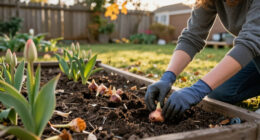
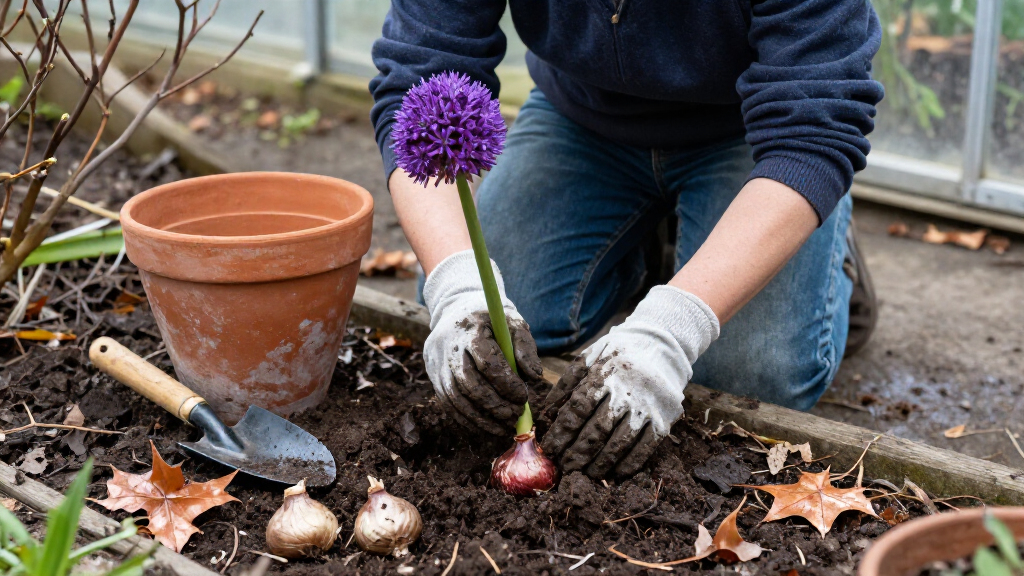
The guide recommends planting bulbs at a depth roughly three times the bulb’s height. It says late planting can work while the ground remains workable, but does not provide a specific cutoff date or temperature for each bulb type. Local soil and weather conditions therefore matter more than the month alone.
Good drainage is described as the main precaution against bulbs rotting before they establish roots. The guide suggests placing about an inch of grit at the base of each planting hole. It names horticultural grit and crushed-granite poultry grit as possible materials, including CZ Grain Chicken Grit as a product example available from Walmart.
For gardeners in colder USDA zones who have already passed their first frost date, the guide recommends planting bulbs in a container kept in a sheltered spot. It also warns that squirrels may dig up tulip bulbs, though it does not provide a specific protection method. It says bulbs may return in subsequent years when drainage is suitable, but gives no guarantees for particular varieties or conditions.
Last-Minute Bulbs For Spring Color
Several spring-flowering bulbs can still go in during November while the ground remains workable. Local soil and weather determine whether planting is suitable.
Bulbs to plant
The guide lists four options for a late-fall start.
Check the ground first
- Soil is not frozen
- Ground is not waterlogged
- Water drains well
- For colder USDA zones
- After the first frost date
- Keep it in a sheltered spot
Plant for healthy roots
Drainage helps reduce the risk of bulbs rotting before they establish.
Add about an inch of grit at the base.
Plant about three times the bulb’s height deep.
The guide gives no universal cutoff date or temperature.
What to keep in mind
Workable soil matters
November is an opportunity, not a guarantee. Soil and weather vary by location.
Tulips may attract squirrels
The guide notes squirrels may dig them up but gives no specific protection method.
A Late Chance for Spring Color
November planting can help gardeners who missed the earlier fall window still prepare beds and containers for spring blooms. The practical value is conditional: soil must remain unfrozen, and excess water can undermine the planting. Checking the garden’s drainage before buying or planting bulbs can help avoid losing them to rot.
The advice also gives gardeners in colder areas an alternative to putting bulbs directly into exposed ground. Containers in a sheltered location may make late planting possible, though the guide does not specify how sheltered the spot should be or how containers should be managed through winter. The suggested varieties span several familiar spring flowers, while claims about returning year after year depend on growing conditions and bulb type.
Products Worth Considering

Blackstone 2363 20 x 14-Inch Camping Griddle

Greenworks 40V Brushless Electric Leaf Blower with 4.0 Ah Battery and Charger

IDEALHOUSE 6 x 9 ft Polycarbonate Greenhouse with Lockable Door, Adjustable Roof Vent, and Gutters
As an affiliate, we earn on qualifying purchases.
Planting Before Winter Sets In
Spring-flowering bulbs are generally planted in fall so they can establish before flowering the following season. This guide focuses on what remains feasible in November, rather than setting a universal calendar deadline. The deciding conditions it names are whether the soil is frozen or waterlogged and, for colder USDA zones, whether the first frost has already passed.
The guide presents tulips, crocus, hyacinths and Dutch iris as options and points to newer flower shapes and color combinations as a reason to revisit bulb choices. It mentions double-petalled tulips resembling peonies and fragrant hyacinths in dramatic colors, but does not identify specific cultivars. It also cites prices starting at 35 cents per bulb; that figure is presented without a retailer, location, date of pricing or comparison basis, so it should not be treated as a current universal price.
“As long as your ground isn’t frozen or waterlogged, all these beauties can be planted now.”
— Gardening Know How guide
Local Conditions Set the Limits
The guidance does not give variety-specific planting windows, regional temperature thresholds or advice for every USDA zone. It is also unclear how long bulbs can remain viable after planting in unusually cold, wet or mild conditions. Gardeners should not assume that every bulb listed will perform identically in every climate or soil.
The cited price of 35 cents per bulb is not tied to a named seller or a dated price check, and the product example for poultry grit is not a recommendation based on a comparison of materials. The guide likewise does not detail how to deter squirrels or how to care for containers during winter. Those points remain dependent on local experience and product instructions.
Check Soil Before Planting
Before planting, gardeners can check whether the ground is workable and drains rather than holding standing water. If conditions are suitable, follow the recommended depth of about three bulb heights and provide drainage at the base of the hole. Where the ground is frozen or local conditions are too cold for in-ground planting, the guide’s alternative is a container in a sheltered spot.
After planting, the next milestone is spring growth, but the guide does not specify when flowers should appear or promise a result. Gardeners will need to monitor the bulbs through winter and judge performance by their local weather, soil and variety. The article’s advice is a late-season option, not a guarantee that planting in November will succeed everywhere.
Source: rss
Key Questions
Which spring bulbs can be planted in November?
The guide lists tulips, crocus, hyacinths and Dutch iris. Whether planting is suitable depends on local conditions, especially whether the ground is frozen or waterlogged.
How deep should November-planted bulbs go?
The guide recommends a planting depth of about three times the bulb’s height. It does not give a separate depth for each variety.
What should gardeners do if the soil is frozen?
The guide says gardeners in colder USDA zones who are past their first frost date can plant bulbs in a container in a sheltered spot. It does not provide detailed instructions for overwintering those containers.
How can gardeners reduce the risk of bulbs rotting?
Prioritize good drainage. The guide suggests adding about an inch of grit at the base of the planting hole, while cautioning that waterlogged ground is unsuitable.
Source: gardeningknowhow.com