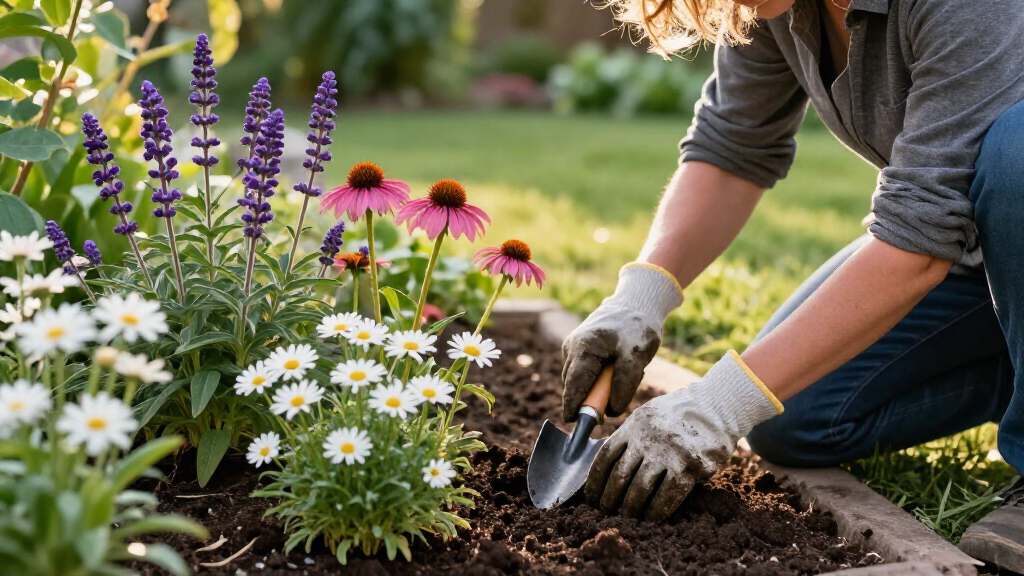

The best flowering garden border plants depend on your light, desired height, and how quickly you want a planted edge to fill in. I rank Purple Sweet Alyssum Seeds, Royal Carpet Variety as the best overall for its low, spreading habit, while 2,000 Purple Aubrieta Seeds suit sunny edges and Votaniki Bluebird Aster offers a perennial option without starting from seed. The main tradeoff is between low ground-covering flowers, taller blooms that add vertical color, and plants suited to shade. Seed counts alone do not predict coverage: germination, spacing, and growing conditions matter too. Read on for the full breakdown and a guide to matching each pick to your border.

Get garden gear delivered free with Prime
- Fast, free delivery on millions of items
- Prime Video, Amazon Music and more included
- Member-only deals all year
Complete the kit


Key Takeaways
- Low-growing sweet alyssum leads this lineup for edging: the Royal Carpet option pairs a compact habit with a clear border role, while the larger-count mixes may suit broader sowing plans better.
- Seed quantity is not the same as usable coverage: the 8,000-plus and 5,000-seed alyssum packs offer many seeds, but buyers still need to check sowing rates and plan for germination and thinning.
- Plant form changes the effort involved: most picks are seeds, while the Votaniki aster arrives as a bare-root perennial plant, making it a distinct choice for gardeners seeking a different starting point.
- Height and light needs separate the options: hollyhocks and asters can bring more vertical presence, while alyssum and aubrieta fit lower edges; hosta seeds are the shade-focused choice in a mostly flowering, sun-oriented lineup.
- Two forget-me-not options serve different scale needs: the 6,000-seed pack favors larger sowing areas, while the 100-piece listing may suit a more limited planting plan, subject to the seller’s instructions.
| Mixed-Color Hollyhock Seeds, 1,000 Pieces |  | Best for Vertical Border Height | Plant type: Biennial flower | Seed quantity: 1,000 pieces | Flower color: Mixed | VIEW LATEST PRICE | See Our Full Breakdown |
| 210+ Hosta Seeds for Shade Gardens |  | Best for Shady Borders | Plant type: Perennial hosta | Seed count: 210+ | Sunlight exposure: Partial shade | VIEW LATEST PRICE | See Our Full Breakdown |
| ZEshops Double Hollyhock Seeds, 100 Count |  | Best for Cottage-Style Borders | Seed count: 100 | Flower type: Double-flowered | Plant height: Up to 6 feet | VIEW LATEST PRICE | See Our Full Breakdown |
| Purple Sweet Alyssum Seeds, Royal Carpet Variety (1 Pack) |  | Best for Fragrant Border Edging | Variety: Sweet Royal Carpet | Seed type: Heirloom, open-pollinated, non-GMO | Seed treatment: Untreated | VIEW LATEST PRICE | See Our Full Breakdown |
| 8000+ Purple & White Sweet Alyssum Seeds (Lobularia Maritima) |  | Best for Broad Ground-Cover Planting | Plant name: Lobularia maritima | Seed count: 8,000+ | Color: Purple and white | VIEW LATEST PRICE | See Our Full Breakdown |
| Forget-Me-Not Flower Seeds, 6,000 Seeds |  | Best for Shady Border Edges | Seed count: 6,000 | Plant height: 6–12 inches | Flower color: Blue with yellow centers | VIEW LATEST PRICE | See Our Full Breakdown |
| 2,000 Purple Aubrieta (Rock Cress) Flower Seeds |  | Best for Sunny Slopes and Wall Edges | Seed count: 2,000 | Flower color: Purple | Expected height: About 6 inches | VIEW LATEST PRICE | See Our Full Breakdown |
| Mixrug Mixed Perennial Chrysanthemum Seeds, 507+ Seeds |  | Best for Mixed Fall Border Color | Seed count: 507+ | Plant type: Perennial chrysanthemum | Flower color: Mixed | VIEW LATEST PRICE | See Our Full Breakdown |
| 5,000 Royal Carpet Sweet Alyssum Heirloom Flower Seeds |  | Best for a Low, Long-Blooming Border Carpet | Seed quantity: 5,000 | Plant: Sweet alyssum (Lobularia maritima) | Flower color: Purple | VIEW LATEST PRICE | See Our Full Breakdown |
| Votaniki Aster Bluebird Bare Root Perennial Plant, Pack of 1 |  | Best for Tall Late-Season Border Structure | Plant type: Perennial | Root type: Bare root, No. 1 size | Quantity: 1 | VIEW LATEST PRICE | See Our Full Breakdown |
| 900 Painted Daisy Seeds, Mixed Colors |  | Best for Colorful, Cuttable Borders | Seed quantity: 900 | Plant type: Painted daisy (Chrysanthemum carinatum) | Flower color: Mixed | VIEW LATEST PRICE | See Our Full Breakdown |
| Forget-Me-Not Seeds – 100 Pcs Blue Perennial Flower Seed, Low Growing, Self-Sowing, Ideal for Garden Borders, Containers, and Ground Cover |  | Best for Self-Sowing Blue Color | Seed quantity: 100 | Flower color: Blue | Expected bloom period: Late spring to early summer | VIEW LATEST PRICE | See Our Full Breakdown |
| Sow Right Seeds White Carpet of Snow Sweet Alyssum Seeds |  | Best Low-Growing Border Edging | Plant: Sweet alyssum (Lobularia maritima) | Seed quantity: At least 400 mg (about 1,100 seeds) | Flower color: White | VIEW LATEST PRICE | See Our Full Breakdown |
| flowering garden border plant | Flower color | USDA hardiness zones |
|---|---|---|
| Mixed-Color Hollyhock Seeds | Mixed | — |
| 210+ Hosta Seeds for Shade Gar | — | — |
| ZEshops Double Hollyhock Seeds | — | 3–10 |
| Purple Sweet Alyssum Seeds | — | — |
| 8000+ Purple & White Sweet Aly | — | — |
| Forget-Me-Not Flower Seeds | Blue with yellow centers | — |
| 2,000 Purple Aubrieta | Purple | 3–10 |
| Mixrug Mixed Perennial Chrysan | Mixed | — |
| 5,000 Royal Carpet Sweet Alyss | Purple | 1–12 |
| Votaniki Aster Bluebird Bare R | Lavender blue | 4–9 |
| 900 Painted Daisy Seeds | Mixed | 3–9 |
| Forget-Me-Not Seeds | Blue | 1–12 |
| Sow Right Seeds White Carpet o | White | 5–9 |
More Details on Our Top Picks
Mixed-Color Hollyhock Seeds, 1,000 Pieces
For a border that needs height behind shorter flowers, these mixed-color hollyhocks offer a different effect from the low carpets of Purple Sweet Alyssum Seeds, Royal Carpet Variety. Their 5–8-foot flower spikes can frame a fence or wall, and the blooms add cut-flower options while attracting pollinators. The 1,000-seed quantity suits gardeners planning a broad display, though it does not guarantee a particular number of successful plants. Hollyhocks need full sun, fertile well-drained soil, and regular moisture as they grow; tall stems may also need bamboo support. Unlike alyssum, this is a biennial choice, so the timing and continuity of flowers can differ from a low-growing seasonal border. Bloom form varies too, ranging from double to single.
Pros:- Tall flower spikes add a strong vertical layer behind shorter border plants.
- Mixed colors and blooms suitable for cutting add variety beyond the garden bed.
- Flowers attract hummingbirds, bees, and butterflies.
- The large seed quantity can suit broad planting plans.
Cons:- Full sun and regular growing-season watering are needed.
- Tall stems may lodge and need bamboo support.
- As a biennial, flowering timing may not provide a dependable display in the first season, and bloom form varies.
Best for: Gardeners with sunny fences or deep borders who want tall, pollinator-attracting flowers and are willing to support long stems.
Not ideal for: Small borders, shaded sites, or buyers seeking a uniformly low edge or consistent double blooms.
- Plant type:Biennial flower
- Seed quantity:1,000 pieces
- Flower color:Mixed
- Mature height:5–8 feet
- Sunlight:Full sun; 6–8 hours of direct sunlight daily
- Soil:Fertile, well-drained
- Blooming period:Summer
- Hardiness zone:3–9
Our verdict“Choose these hollyhocks for a sunny, spacious border where height matters more than a compact or uniform flower display.”
210+ Hosta Seeds for Shade Gardens
Most seed picks in this group favor sunny, flowering edges; these hosta seeds fill a different gap by targeting partial shade. That makes them a more relevant choice for shaded beds than the full-sun Mixed-Color Hollyhock Seeds, though hostas are better known for their foliage than for a continuous floral carpet. The listing describes a perennial blue hosta that can work in beds, containers, or as ground cover, with flowers that attract bees and butterflies. Its low-maintenance and drought-tolerant qualities apply once plants are established, not during the early growing stage. Seed growing also asks for patience compared with sowing low-growing sweet alyssum for a seasonal border effect. Choose this option for shade coverage and perennial structure, not if your main goal is abundant color from flowers.
Pros:- Targets partial-shade areas that many flowering border seeds do not suit.
- Perennial plants can provide lasting structure once established.
- Can be used in beds, containers, or as ground cover.
- Flowers are described as attracting bees and butterflies.
Cons:- Partial shade is required, so it is a poor match for open, sunny borders.
- Drought tolerance is described only after establishment.
- The listing emphasizes foliage and does not specify flower color, height, or bloom period.
Best for: Gardeners filling partial-shade beds or containers who value perennial foliage and can wait for seed-grown plants to establish.
Not ideal for: Buyers seeking a fast, flower-heavy sunny border or plants for exposed full-sun locations.
- Plant type:Perennial hosta
- Seed count:210+
- Sunlight exposure:Partial shade
- Color:Blue
- Growing location:Outdoor
- Uses:Containers, flower beds, or ground cover
- Material feature:GMO-free
Our verdict“Pick these hostas when shade coverage and perennial foliage matter more than a strong, specified flower display.”
ZEshops Double Hollyhock Seeds, 100 Count
These seeds are a more focused alternative to the 1,000-piece Mixed-Color Hollyhock Seeds: the 100-count pack is aimed at a smaller planting plan, and the listing specifically describes double-flowered blooms for a cottage-style look. At up to 6 feet, the plants still need room at the back of a border, so they are not a compact edging choice. Full sun, loam, and regular watering suit gardeners ready to tend taller flowers; the listed hardiness range of zones 3–10 is broad, but flowering time depends on the seed line and sowing date. Compared with the mixed hollyhock pack, this offers a clearer flower-form expectation, while still leaving some uncertainty about when blooms arrive.
Pros:- Double-flowered blooms suit a layered cottage-garden border.
- Up to 6 feet tall, providing vertical interest behind shorter plants.
- Listed for USDA hardiness zones 3–10.
- A 100-seed pack fits a more limited planting plan than the 1,000-piece hollyhock option.
Cons:- Needs full sun and regular watering.
- Mature stems require generous space in the border.
- Flowering time depends on seed line and sowing date.
Best for: Cottage-garden growers who want a smaller quantity of tall, double-flowered hollyhocks for a sunny border.
Not ideal for: Gardeners with narrow beds, limited sun, or a need for predictable first-season flowering.
- Seed count:100
- Flower type:Double-flowered
- Plant height:Up to 6 feet
- Sunlight exposure:Full sun
- Soil type:Loam
- Expected bloom period:Spring to fall
- USDA hardiness zones:3–10
- Material feature:Heirloom
Our verdict“Choose this pack for a sunny cottage border where double blooms and a smaller seed quantity matter more than compact growth or fixed bloom timing.”
Purple Sweet Alyssum Seeds, Royal Carpet Variety (1 Pack)
For the front of a border, Royal Carpet sweet alyssum is a more suitable scale than either tall hollyhock pick. Its roughly 6-inch, fragrant growth can soften bed edges, fill containers, and draw bees and butterflies without blocking plants behind it. The purple flowers are listed for spring through fall, and the plants may self-seed, giving this option a longer seasonal role than a single flush of color. Compared with the 8000+ Purple & White Sweet Alyssum Seeds, this pack does not specify a large seed count, but it does provide clearer guidance on variety, height, and germination: press seeds onto the soil surface because they need light. It is frost-sensitive, so do not treat it as a reliably perennial border plant.
Pros:- Low, approximately 6-inch growth suits the front of a border.
- Fragrant blooms attract bees and butterflies.
- Listed to bloom from spring through fall and may self-seed.
- Heirloom, open-pollinated, untreated seed.
Cons:- Frost-sensitive and typically grown as a cool-season annual.
- Seeds need light to germinate, so they must be pressed onto the soil surface.
- Even moisture is needed during germination.
Best for: Gardeners seeking a fragrant, low purple edge for sunny-to-partly-shaded beds or containers, with time to surface-sow carefully.
Not ideal for: Buyers wanting a frost-hardy perennial or anyone who needs seeds that can be covered during sowing.
- Variety:Sweet Royal Carpet
- Seed type:Heirloom, open-pollinated, non-GMO
- Seed treatment:Untreated
- Color:Purple
- Expected plant height:6 inches
- Sunlight:Full sun to part shade
- Blooming period:Spring to fall
- USDA hardiness zone:4–9
Our verdict“Choose Royal Carpet for a fragrant, low purple border edge if you can surface-sow it and accept seasonal rather than dependable perennial growth.”
8000+ Purple & White Sweet Alyssum Seeds (Lobularia Maritima)
When the goal is to cover a broad border edge, this mix stands apart from the single-pack Royal Carpet alyssum through its stated 8,000+ seed count and purple-and-white flowers. Sweet alyssum’s low, fragrant growth suits borders, containers, and rock gardens, while its blooms attract pollinators. The larger quantity may help gardeners plan more extensive sowing, but seed count alone does not promise a particular coverage area or successful germination. The listing gives fewer growing specifics than Royal Carpet: it names full sun to partial shade but does not provide mature height, bloom timing, or a hardiness range. Like that comparator, these seeds need light and consistent moisture to sprout, so careful surface sowing is part of the job. A QR-linked care guide may help newer seed growers.
Pros:- The stated 8,000+ seed count suits plans for broad sowing.
- Purple-and-white flowers offer a mixed-color carpet effect.
- Fragrant blooms attract bees and butterflies.
- A QR code links to planting and care guidance.
Cons:- Seeds need light to germinate and should not be covered.
- Consistent moisture is needed during sprouting.
- The listing does not specify mature height, bloom period, or hardiness zone.
Best for: Gardeners planning broad, low-growing purple-and-white coverage across sunny-to-partly-shaded borders, rock gardens, or containers.
Not ideal for: Buyers who need a stated plant height, bloom schedule, or hardiness range before choosing a border plant.
- Plant name:Lobularia maritima
- Seed count:8,000+
- Color:Purple and white
- Sunlight exposure:Full sun to partial shade
- Uses:Borders, containers, and rock gardens
- Growth habit:Low-growing, fragrant flowers
- Germination requirement:Light; surface sow without covering
- Care guide:QR code links to planting and care instructions
Our verdict“Pick this mix for a large, low purple-and-white sowing area if you are comfortable with surface sowing and less detailed growth specifications.”
Forget-Me-Not Flower Seeds, 6,000 Seeds
Forget-me-nots suit low, spring color in partly shaded borders, where their 6–12-inch height keeps taller plants visible behind them. Blue flowers with yellow centers bloom from spring into summer, and the plants can attract bees and butterflies during that early stretch. Compared with Royal Carpet Sweet Alyssum, this seed mix tolerates partial shade, while alyssum offers a longer stated bloom window and a shorter, denser carpet. The 6,000-seed quantity can cover a broad area, but it also calls for space and a plan for sowing rather than a few precise planting spots. Choose a location with moist, well-drained soil; drought-prone or waterlogged edges are a poor fit. These are best for seasonal color, not a border that needs flowers through fall.
Pros:- Partial-shade tolerance gives more placement options than full-sun aubrieta
- Blue flowers with yellow centers add a distinct spring border color
- Attracts bees and butterflies
- Large seed count can cover a wider bed or border
Cons:- Needs moist, well-drained soil rather than persistently dry conditions
- Blooming is limited to spring and summer
- The large seed quantity may be excessive for a small border
Best for: Gardeners filling broad, partly shaded border edges who want low blue spring flowers and can keep soil moderately moist
Not ideal for: Gardeners seeking a compact, long-season display or working with dry soil, since flowering is seasonal and plants prefer consistent moisture
- Seed count:6,000
- Plant height:6–12 inches
- Flower color:Blue with yellow centers
- Blooming period:Spring to summer
- Sun exposure:Partial shade to sun
- Planting period:Fall or early spring
- Germination time:10–20 days
- Hardiness zones:3–9
Our verdict“Choose these for a broad, partly shaded border that needs low blue spring color, but skip them if you want flowers into fall.”
2,000 Purple Aubrieta (Rock Cress) Flower Seeds
Aubrieta is the lineup’s slope-and-rock-garden specialist: its roughly 6-inch growth is suited to edging, walls, and ground cover where a taller plant would obscure stonework. Its purple blooms arrive from spring to summer, and the description also notes drought tolerance and deer resistance. Compared with the Forget-Me-Not Flower Seeds, this pick is more purpose-built for sunny, leaner sites, while forget-me-nots handle partial shade. The tradeoff is that aubrieta’s stated growing conditions call for full sun, so it is not the flexible choice for a mixed-light border. Seeds germinate in about 10–14 days at 60–65°F soil temperature, but young plants still need moderate watering; drought tolerance does not mean they can be neglected during establishment.
Pros:- Low, approximately 6-inch growth suits border fronts and stone features
- Can cover ground on slopes and help limit erosion
- Described as drought tolerant and deer resistant
- Includes a step-by-step growing guide
Cons:- Full sun is required for the described growing conditions
- Moderate watering is still needed, particularly while plants establish
- Blooming is listed from spring to summer rather than as a long-season display
Best for: Gardeners with a sunny slope, rock garden, or retaining-wall edge who want low purple cover and can water during establishment
Not ideal for: Gardeners with shaded borders or sites that cannot provide full sun, since the described conditions favor a sunny position
- Seed count:2,000
- Flower color:Purple
- Expected height:About 6 inches
- Blooming period:Spring to summer
- Sunlight exposure:Full sun
- USDA hardiness zones:3–10
- Germination time:10–14 days
- Germination soil temperature:60–65°F
Our verdict“Pick aubrieta for a sunny, rocky edge where spreading low cover matters more than shade tolerance or fall flowers.”
Mixrug Mixed Perennial Chrysanthemum Seeds, 507+ Seeds
This chrysanthemum mix is the choice for varied flower forms and a fuller fall display, rather than a uniform low edging plant. The heirloom mix may produce decorative, pompon, daisy, and quill blooms, giving a border more visual variety than the single-color carpet of Royal Carpet Sweet Alyssum. It is also described as perennial and suited to borders, containers, and cut flowers, so it can serve several roles in a sunny garden. The tradeoff is less predictability: mixed seeds can produce different forms and colors, and the supplied hardiness information conflicts, listing zones 4–9 in the description but Zone 6 in the specifications. Full sun and regular watering are requested, making this a weaker match for dry, low-maintenance edges.
Pros:- Mixed seeds may produce several flower forms and colors
- Perennial habit is described as returning in later years
- Can be used in borders, containers, and bouquets
- Fall flowering adds color beyond spring-blooming ground covers
Cons:- Full sun and regular watering narrow its fit for dry or partly shaded borders
- Mixed seed results make the final colors and flower forms less predictable
- Hardiness information conflicts between zones 4–9 and Zone 6
Best for: Gardeners with a sunny, regularly watered border who want varied chrysanthemum forms for fall color and cut flowers
Not ideal for: Gardeners who need a predictable flower color, a low edging plant, or clear hardiness guidance for a borderline climate
- Seed count:507+
- Plant type:Perennial chrysanthemum
- Flower color:Mixed
- Blooming period:Fall, spring
- Planting period:Spring
- Sunlight:Full sun
- Soil type:Loam
- Hardiness information:Zones 4–9 in description; Zone 6 in specifications
Our verdict“Choose this mix for a sunny border where varied fall flowers and cutting potential matter more than uniformity or low water needs.”
5,000 Royal Carpet Sweet Alyssum Heirloom Flower Seeds
Royal Carpet sweet alyssum is the strongest fit here for a low border carpet with an extended bloom season: plants reach about 4 inches and are described as flowering from late spring through early fall. That gives it more stated seasonal coverage than the spring-to-summer Forget-Me-Not Flower Seeds, while its purple, fragrant blooms attract bees and butterflies. It also tolerates full sun to partial sun, which helps when a border gets some afternoon shade. The main planting detail is easy to miss: the seeds need light to germinate, so press them onto the soil surface instead of covering them. Keep the surface lightly moist as they sprout. This is a better edging choice than the taller Aster Bluebird, but it will not provide that plant’s upright structure or late-fall height.
Pros:- Approximately 4-inch growth creates a low border-front carpet
- Blooming is listed from late spring through early fall
- Fragrant flowers attract bees and butterflies
- Grows in full sun to partial sun and is listed for zones 1–12
Cons:- Seeds need light to germinate and should not be covered
- Soil surface must stay lightly moist during germination
- Low growth cannot provide the vertical structure of taller border plants
Best for: Gardeners who want fragrant, very low purple edging with a long bloom window and can sow seeds on the soil surface
Not ideal for: Gardeners seeking tall structure, late-fall flowers, or a sowing method that buries seeds beneath the soil
- Seed quantity:5,000
- Plant:Sweet alyssum (Lobularia maritima)
- Flower color:Purple
- Expected height:4 inches
- Bloom season:Spring to fall
- Sunlight:Full sun to partial sun
- USDA hardiness zones:1–12
- Planting method:Press seeds onto the soil surface; light is needed for germination
Our verdict“Choose Royal Carpet for fragrant, low purple edging with a long stated bloom season, provided you can surface-sow and keep seeds moist.”
Votaniki Aster Bluebird Bare Root Perennial Plant, Pack of 1
Aster Bluebird fills the border role that the seed-grown carpets cannot: height and late-season color. Its lavender-blue daisy-like clusters bloom from late summer through late fall, while stems can reach 48 inches and give the back of a sunny bed a more defined outline. Compared with the approximately 4-inch Royal Carpet Sweet Alyssum, this bare-root perennial supplies vertical structure and a later display, but it is sold as one plant rather than a large seed quantity. It also needs more room, with about 20 inches of spacing, so it is not a close-packed edging choice. Plant in spring at 2–3 inches deep and provide moderate moisture as it establishes. Its tolerance for normal or clay soils offers flexibility, though the site still needs good drainage.
Pros:- Late summer through late fall flowering extends border interest
- Growth up to 48 inches adds vertical structure
- Attracts butterflies and other beneficial insects
- Listed for normal and clay soils
Cons:- One bare-root plant offers less immediate coverage than the seed packets
- Needs moderate moisture while establishing
- Requires a sunny, well-drained site and about 20 inches of spacing
Best for: Gardeners planting the back of a sunny border who want one tall perennial for lavender-blue late-season flowers and pollinator activity
Not ideal for: Gardeners seeking a low front-edge ground cover, a dense planting from one package, or flowers in spring and early summer
- Plant type:Perennial
- Root type:Bare root, No. 1 size
- Quantity:1
- Flower color:Lavender blue
- Bloom period:Late summer to late fall
- Expected height:Up to 48 inches
- USDA hardiness zones:4–9
- Planting depth and spacing:2–3 inches deep; about 20 inches apart
Our verdict“Choose Aster Bluebird for a sunny border’s back row when late-season height matters more than quick, low ground cover.”
900 Painted Daisy Seeds, Mixed Colors
For a border that needs upright color with more visual detail than a simple carpet of flowers, I’d choose these mixed painted daisies. Their ringed centers add pattern, while the expected 24-inch height gives them more presence than the low-growing White Carpet of Snow Sweet Alyssum. Summer-to-fall bloom timing can also extend color later into the season than the forget-me-nots in this lineup, which flower mainly from late spring to early summer. The 900 open-pollinated, GMO-free seeds offer room to sow across a longer bed or share with containers, and the flowers can be cut for arrangements. The tradeoff is extra establishment work: seedlings need thinning to 12 inches apart, and the plants call for well-draining soil and moderate watering. Choose another option if a tidy, low edging plant is the priority.
Pros:- Mixed blooms have distinctive rings around their centers.
- Expected 24-inch height adds a taller layer than low-growing alyssum.
- Summer-to-fall flowering can keep a border colorful later in the season.
- Open-pollinated, GMO-free seeds suit gardeners who value those seed traits.
Cons:- Seedlings need thinning to 12 inches apart.
- Well-draining soil and moderate watering are needed for good growth.
Best for: Gardeners filling a sunny-to-partly shaded border who want mixed-color, mid-height flowers for pollinators and cutting.
Not ideal for: Gardeners seeking a low, close-packed edging or minimal seedling care; these daisies need thinning and regular attention to drainage and watering.
- Seed quantity:900
- Plant type:Painted daisy (Chrysanthemum carinatum)
- Flower color:Mixed
- Expected bloom period:Summer to fall
- Expected plant height:24 inches
- Sunlight exposure:Partial shade
- USDA hardiness zones:3–9
- Soil and moisture:Well-draining garden soil; moderate watering
- Seed features:Open-pollinated and GMO-free
Our verdict“Pick these painted daisies for a taller, cut-flower-friendly border with mixed seasonal color, but skip them if you want a low-maintenance ground-hugging edge.”
Forget-Me-Not Seeds – 100 Pcs Blue Perennial Flower Seed, Low Growing, Self-Sowing, Ideal for Garden Borders, Containers, and Ground Cover
I’d give these forget-me-nots the edge when the goal is a recurring sweep of classic blue flowers rather than a one-season display. They bloom from late spring to early summer, earlier than the summer-to-fall painted daisies, and their self-sowing habit can renew the patch without resowing each year. That makes them a useful choice for filling a border or softening the ground around other plants. Compared with White Carpet of Snow Sweet Alyssum, they offer a taller form at about 16 inches and a different color, but they won’t create the same low, fragrant carpet. Self-seeding can also become a drawback if you need a sharply defined edge, and regular watering is required; drought can reduce performance. The packet has 100 seeds, so it suits a contained patch better than a very long border.
Pros:- Blue flowers bring a distinct color to a border.
- Self-sowing can renew the display in later seasons.
- Blooms from late spring to early summer, before the painted daisies’ main season.
- Listed for USDA hardiness zones 1–12.
Cons:- Self-seeding may spread beyond the intended planting area.
- Regular watering is needed, and drought can limit performance.
- The 100-seed packet may be limiting for a large border.
Best for: Gardeners who want an early-season blue border patch that can reseed itself and have space to manage spreading.
Not ideal for: Gardeners who need tightly controlled planting boundaries, have dry conditions, or want enough seed for a long continuous border.
- Seed quantity:100
- Flower color:Blue
- Expected bloom period:Late spring to early summer
- Expected plant height:16 inches
- Sunlight exposure:Full sun
- USDA hardiness zones:1–12
- Planting period:Spring or fall
- Soil and moisture:Loam; regular watering
- Seed features:GMO-free and heirloom
Our verdict“Choose these forget-me-nots for a naturally renewing blue patch, provided you can keep their self-sown seedlings in bounds.”
Sow Right Seeds White Carpet of Snow Sweet Alyssum Seeds
For the front edge of a flower bed, this sweet alyssum is the most purpose-built choice in this group. Its 3–8-inch height and 10–12-inch spread suit a low border or ground-cover strip, unlike the taller painted daisies and 16-inch forget-me-nots. The fragrant white flowers add a softer, more continuous look, and the packet contains about 1,100 seeds—ample for sowing a broader patch. Germination is listed at 5–14 days, with plants reaching maturity in 50–60 days, giving growers useful planning guidance. It also has indoor and outdoor growing options, though indoor starts need sufficient light. This is not the pick for anyone wanting a tall focal layer or a broad range of colors; its appeal is a compact white edging, and regular watering remains part of the routine.
Pros:- Low 3–8-inch growth suits the front of a border.
- Fragrant white blooms attract bees and butterflies.
- About 1,100 seeds can cover a larger planting area than the 100-seed forget-me-not packet.
- Includes growing instructions and can be grown indoors or outdoors.
Cons:- Regular watering is required.
- Indoor growing needs sufficient light.
- White flowers and a low habit are less suited to gardeners seeking height or varied color.
Best for: Gardeners creating a low white border, ground-cover strip, or fragrant front edge who want a large seed quantity and clear sowing guidance.
Not ideal for: Gardeners seeking tall flowers, a mixed-color display, or a border plant that can be left without regular watering.
- Plant:Sweet alyssum (Lobularia maritima)
- Seed quantity:At least 400 mg (about 1,100 seeds)
- Flower color:White
- Plant height and spread:3–8 inches tall; 10–12 inches spread
- Germination time:5–14 days
- Plant spacing and depth:6–8 inches apart; 1/16 inch deep
- Days to maturity:50–60 days
- USDA hardiness zones:5–9
- Sunlight and watering:Full sun; partial shade noted in planting instructions; regular watering
Our verdict“Choose this sweet alyssum for a fragrant, low white border edge, but pick painted daisies or forget-me-nots if you want more height.”
How We Picked
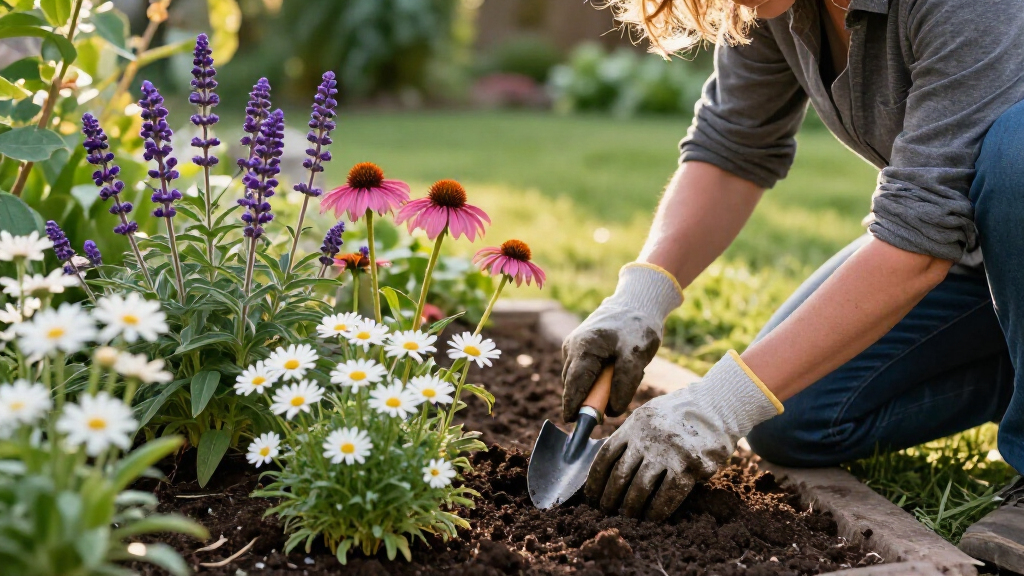
I compared the 13 listings as border-plant choices, not simply as seed-count offers. The main criteria were likely border fit based on the plant’s stated habit, the type of starting material, the range of uses suggested by the listing, and how clearly a buyer could match the option to a sunny, shaded, low, or taller edge. I also weighed practical tradeoffs such as uncertainty around germination, the planning demands of large seed packs, and the difference between seed packets and a bare-root plant.
The ranking favors options with a clear role in a flowering border and useful distinctions from the rest of the lineup. Low-growing alyssum ranks highly because it directly suits edging; aubrieta and asters offer different forms and planting roles. Large counts do not automatically outrank smaller or more specialized choices, since the best fit depends on site conditions and intended coverage. Hosta seeds remain a niche pick for shade rather than a leading flowering-border choice, and repeated varieties are separated by their listed color, count, or format rather than treated as interchangeable.
| flowering garden border plant | Flower color |
|---|---|
| Mixed-Color Hollyhock Seeds | Mixed |
| 210+ Hosta Seeds for Shade Gar | — |
| ZEshops Double Hollyhock Seeds | — |
| Purple Sweet Alyssum Seeds | — |
| 8000+ Purple & White Sweet Aly | — |
| Forget-Me-Not Flower Seeds | Blue with yellow centers |
| 2,000 Purple Aubrieta | Purple |
| Mixrug Mixed Perennial Chrysan | Mixed |
| 5,000 Royal Carpet Sweet Alyss | Purple |
| Votaniki Aster Bluebird Bare R | Lavender blue |
| 900 Painted Daisy Seeds | Mixed |
| Forget-Me-Not Seeds | Blue |
| Sow Right Seeds White Carpet o | White |
Factors to Consider When Choosing Best Flowering Garden Border Plants
Before choosing a packet, I would plan the border as a planting area rather than shop by seed count alone. These broader checks help prevent a mismatch between the plant, the site, and the amount of upkeep you want.
Match Light and Soil to the Actual Site
Track how many hours of direct sun each part of the border receives before selecting plants. A bed under trees or beside a north-facing wall can behave very differently from an exposed, sunny strip, even within the same garden. Check the seller’s growing directions for light, moisture, and soil rather than assuming that all flowering seeds share the same needs. A common mistake is to buy one mix for a long border with changing conditions; split the planting into zones if the light varies. This can mean choosing fewer varieties, but it reduces the chance of a patchy result. Where conditions are uncertain, start with a small area before sowing a full run.
Plan Border Height and Sightlines
A border should fit the view from both sides: taller plants often work toward the back, while low-growing flowers can mark a path or soften the front edge. Check expected mature height and spread on the full product listing, since those details are not equally clear in the names provided here. Avoid putting a tall variety where it will block shorter flowers or a window view. Mixing heights can add depth, but too many competing forms may make a narrow strip feel crowded. If the border sits beside a walkway, prioritize plants that stay within the space you can maintain. Leave room for growth instead of sowing every seed at once.
Read Seed Counts as Potential, Not a Coverage Promise
A large seed count may be useful for a long edge, repeated sowings, or a larger garden, but it does not guarantee a dense flowering display. Germination rates, sowing depth, spacing, and local growing conditions all affect how many plants establish. Compare the stated seed count with the recommended sowing rate and the area you intend to cover. Buying an oversized pack can create storage and sowing challenges if you only need a short border. Conversely, a small pack may not stretch as far as expected when plants are spaced for airflow or later growth. Follow packet guidance and keep a measured section for any second sowing.
Choose Between Seed Starting and a More Established Start
Seeds usually give a broader range of varieties and can be sown across larger areas, but they ask for patience and attention during establishment. A bare-root perennial plant starts from a different point in the growing process, though it still needs suitable planting conditions and care after arrival. Do not assume that a bare-root listing means instant flowers or a seed packet guarantees blooms in a particular season. Check planting windows, expected flowering time, and delivery or sowing instructions before ordering. If you are new to gardening, a small trial area can reveal whether you can manage the germination and early-care stage. Gardeners seeking a finished-looking edge quickly may prefer to explore established plants at a local nursery, even if that means fewer choices.
Balance Flowering Color With Seasonal Continuity
One flowering variety may provide a strong color moment without keeping the border attractive for the whole growing season. Check the expected bloom period for each selection and avoid relying on seed count or a color name to infer how long flowers last. Pairing plants with different flowering windows can spread interest, while repeating one variety creates a more unified edge. The tradeoff is that a mixed planting needs more planning and may look less consistent than a single-color border. If continuous bloom matters, verify timing and local performance from the seller or regional growing guidance. Keep a simple planting record so later additions can fill gaps rather than duplicate the same flowering period.
Factor Maintenance and Spread Into the Layout
Ask how much watering, thinning, deadheading, and reseeding you are comfortable doing before choosing a border plant. Self-sowing or spreading varieties can help fill gaps, but they may also move beyond the edge you intended. A tidy formal border may call for controlled spacing and regular cleanup, while a looser garden can accommodate plants that naturalize. Check whether the species is suitable for your region and whether local guidance flags any concerns about spread. Starting with a contained section is a sensible way to learn how a plant behaves in your soil. The lowest-maintenance option is not always the one with the most seeds; it is the one that fits the space and your routine.
Frequently Asked Questions
Which option is the best starting point for a low garden border?
I would start by comparing the Royal Carpet sweet alyssum listing with the white Carpet of Snow option, since both names signal a low, edging-oriented use. Choose between them by color preference, packet instructions, and the area you need to sow rather than assuming their performance is identical. Aubrieta is another low-edge candidate, but its listed role and growing requirements should be checked against your site. Confirm mature spread before planting beside a narrow path. If you are unsure how much coverage you need, sow a short test strip first.
Should I choose the largest seed pack for a long border?
Not automatically. A high count can be useful across a large area, but it does not tell you how much ground the seeds will cover at the recommended spacing or how many will germinate. Look for the packet’s sowing rate, germination information, and storage guidance, then compare those details with your measured border. Smaller, targeted packs can reduce waste if you are planting only a narrow edge. For a long border, it may also help to sow in sections so you can judge establishment before using the full quantity.
Can I combine several of these plants in the same border?
Yes, but group plants by compatible light, soil, moisture, and mature size rather than mixing them at random. A low edging flower can sit in front of a taller variety if the taller plant will not shade it or crowd the path. Hosta is the shade-oriented listing here, so it may belong in a different section from sun-loving choices rather than in one uniform planting. Check bloom timing too, since a combination can look sparse if all varieties flower at different times. Sketching the border and labeling sections helps keep a mixed planting manageable.
Are seeds or the bare-root aster a better choice if I want flowers sooner?
The bare-root aster is a different starting format from the seed listings, but that alone does not promise immediate blooms. Its establishment and flowering schedule depend on planting time, growing conditions, and the seller’s instructions. Seeds may take longer to establish and can require more early care, though they provide more options for filling a wider area. Check the expected bloom period and planting guidance for the aster before treating it as a shortcut. If timing matters, ask the seller what stage the plant ships in and what flowering to expect in its first season.
Which pick makes sense for a shaded border?
The 210-plus hosta seed listing is the lineup’s clearest shade-oriented option, but it should not be chosen just because the bed receives little sun. Confirm its light and growing requirements, including whether the site has deep shade or filtered light, and check that the listing suits your climate. The other listed flowers may need more sun, so verify each variety’s instructions before combining them in a shaded bed. If flowers are the main goal, look for regionally recommended shade-blooming plants as well; this roundup has limited shade-specific variety. A small trial planting can help you assess the site before committing to a large area.
Conclusion
For most buyers planning a low, flowering edge, I would choose Purple Sweet Alyssum Seeds, Royal Carpet Variety as the best overall because its stated role aligns directly with border use. For a larger sowing plan, the 8,000-plus Purple & White Sweet Alyssum listing is my value-oriented pick by quantity, provided its sowing directions and your garden size make that count practical. Beginners should start with a small, clearly defined section of white Carpet of Snow sweet alyssum rather than scattering a large pack across an entire bed. For a premium-style alternative in plant form, choose the Votaniki Bluebird Aster bare-root perennial if its growing needs fit your site; it offers a different starting format, not a guarantee of faster flowers. For a sunny, low edge, compare aubrieta; for shade, investigate the hosta seeds and confirm whether the flowering effect meets your goal. My final choice would be guided by the garden’s conditions first, then height, color, and packet size.