TL;DR
Sweet box (Sarcococca) is an evergreen shrub that can grow in a container and flower in winter, producing a scent often compared with vanilla and jasmine. It prefers partial or full shade, a sheltered position, well-draining pots and moisture-retentive compost; container plants need watering when the compost begins to dry.
Sweet box (Sarcococca), an evergreen shrub with small winter flowers and a scent often compared with vanilla and jasmine, is recommended as a long-lasting festive container plant in a Gardening Know How feature. Unlike a poinsettia grown mainly for seasonal color, sweet box can keep its foliage through the year and grow in partial or full shade, though the feature advises gardeners to pay attention to watering when it is planted in a pot.

Get garden gear delivered free with Prime
- Fast, free delivery on millions of items
- Prime Video, Amazon Music and more included
- Member-only deals all year
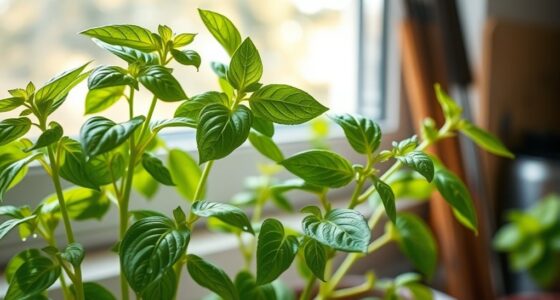
According to the Gardening Know How feature, the shrub’s glossy evergreen leaves provide year-round greenery, while its creamy-white flowers typically appear in winter, often tucked beneath the foliage. The blooms may be easy to miss visually, but their fragrance can be noticeable nearby and, on a still winter day, may carry through a garden. The feature describes the scent as a blend of vanilla and jasmine; how strongly it is perceived will depend on conditions and planting location.
The feature describes sweet box as slow-growing, which can make it suitable for a long-term container display rather than a plant that needs frequent reshaping. Some varieties can eventually become substantial shrubs, so gardeners should check a variety’s expected mature size before choosing a pot or a permanent spot. After flowering, some types may also produce ornamental berries that mature from red to dark purple or black, depending on species and variety.
For container growing, the feature recommends a pot with drainage holes and a moisture-retentive potting mix. Place it somewhere sheltered in partial or full shade, then water when the compost begins to dry. Container plants can need more frequent attention than plants in the ground, particularly during dry spells. A light trim after flowering can help maintain a neat outline; the feature does not call for routine heavy pruning.
Grow sweet box for winter fragrance
Sweet box (Sarcococca) pairs evergreen foliage with small winter flowers and a scent often compared with vanilla and jasmine. It can grow in a container in a sheltered, shady spot.
Why choose sweet box?
Its lasting greenery and winter scent offer a different kind of festive display.
Green through the year
Glossy evergreen leaves keep the container display going beyond winter flowering.
Small, scented flowers
Creamy-white blooms may be tucked beneath the foliage; their fragrance can carry nearby on a still day.
Plan for the long term
Check the selected variety’s mature size before choosing a pot or permanent spot.
Set up the container
Match the plant to its location and give excess water a way to drain.
Place sweet box in partial or full shade.
Choose a container with drainage holes and moisture-retentive potting mix.
Use the plant label and regional guidance for mature size and local conditions.
Keep moisture in balance
Container plants may need closer attention than sweet box growing in the ground.
- Check the compost regularly.
- Water when it begins to dry, especially during dry spells.
- Give a light trim if needed to maintain a neat outline.
- The guidance does not call for routine heavy pruning.
A Festive Plant That Lasts
As presented in the Gardening Know How feature, sweet box offers gardeners a different kind of seasonal display: winter fragrance and lasting foliage rather than conspicuous colored bracts. That can be useful for a shaded entrance or patio where a container plant is wanted beyond the holiday period. Its flowers also appear when many gardens have fewer blooms, giving the plant a seasonal role without limiting its appeal to a few weeks.
The feature’s comparison with poinsettias is about different strengths, not a replacement rule. Poinsettias remain a familiar choice for bright indoor holiday color, while sweet box is an outdoor shrub suited to sheltered, shaded conditions. Sweet box may be a longer-term investment, but it is not maintenance-free: pot drainage, moisture and the plant’s eventual size still matter.
Products Worth Considering

Greenworks 24V Cordless Brushless Leaf Blower, 515 CFM, 130 MPH, with 5.0Ah Battery and Charger

EGO Power+ SNT2122 21-Inch Single-Stage Snow Blower with Two 4.0Ah Batteries and 320W Charger

EAGLE PEAK 12 x 8 ft Walk-In Pop-Up Greenhouse with Support Pole
As an affiliate, we earn on qualifying purchases.
How Sweet Box Differs From Poinsettias
Poinsettias are commonly grown indoors in the United States and are valued for colorful red, pink or white bracts. They need warmth, bright indirect light and careful watering. Their display can fade after the holidays, although it is possible to keep a poinsettia growing and encourage color in a later year with additional care.
Sweet box is a shrub, not a seasonal flowering plant, and its evergreen foliage remains after the winter bloom has passed. The Gardening Know How feature presents it as an option for gardeners with shady areas and a suitable outdoor container location. The guidance names Sarcococca generally and mentions Sweet & Lo™ Sweet Box and ‘Fragrant Valley’ as examples, but does not provide a detailed comparison of their growth, hardiness or scent.
Variety And Growing Conditions
The Gardening Know How feature does not specify a growing zone, exact temperature limits, pot dimensions or a fixed watering schedule. Those details can vary with species, variety, local climate and container conditions, so gardeners should check plant labels and regional growing guidance before buying. The reported fragrance is descriptive rather than a measured guarantee; its strength may vary with weather and proximity.
The feature also does not establish how large each named variety will become in a particular container or how reliably it will produce berries. The berry colors are described as varying by species and variety, rather than as a feature guaranteed for every sweet box plant. No specific product trial or expert quotation accompanies the growing recommendations.
Choosing And Caring For A Plant
Based on the Gardening Know How guidance, gardeners considering sweet box should start by matching the plant to a sheltered, shaded location and checking the selected variety’s mature size. Choose a container with drainage, fill it with moisture-retentive potting mix, and monitor the compost so it does not dry out, especially during dry weather. After winter flowering, assess whether a light trim is needed to keep the shrub’s shape.
The feature gives no calendar for planting, pruning or feeding and does not identify a next formal update. Practical results will depend on the chosen variety and local conditions; the key ongoing task for a container-grown shrub is to monitor moisture and allow excess water to drain.
Source: Gardening Know How
Key Questions
What is sweet box?
Sweet box is the common name used in the Gardening Know How feature for evergreen shrubs in the genus Sarcococca. They have glossy foliage and small winter flowers.
Does sweet box really smell like vanilla?
The Gardening Know How feature describes its winter flowers as having a vanilla-and-jasmine-like fragrance. Scent strength can vary, and the guidance does not promise the same intensity in every garden.
Can sweet box grow in a container?
Yes. The feature says its slow growth can suit long-term container planting. Use a pot with drainage holes and moisture-retentive potting mix, and check the variety’s expected mature size.
How much sun does sweet box need?
The Gardening Know How growing guidance recommends a sheltered position in partial or full shade. It does not specify hardiness zones or precise temperature limits.
How often should I water container-grown sweet box?
The feature advises watering when the potting compost begins to dry. Check it more closely during dry spells, since container plants may need more attention than plants growing in the ground.
Source: gardeningknowhow.com