
TL;DR
Jumping worms, an invasive species from Japan, are rapidly spreading across the U.S., harming soil health and native ecosystems. Experts recommend identification and removal strategies to control their spread.
Invasive jumping worms are increasingly being found in gardens across the United States, posing a threat to native soil ecosystems and plant health, according to recent reports from Michigan State University.
Jumping worms, native to Japan, have been identified in multiple U.S. states, with their presence confirmed through soil and mulch inspections. They are distinguishable by their snake-like movements, glossy skin, and flat clitellum, which differs from native earthworms.
These worms disrupt soil structure and nutrient cycling by consuming leaf litter and organic matter, producing surface castings that impair soil fertility and water retention. Unlike native worms, they lack natural predators, allowing their populations to grow rapidly, which can lead to significant ecological damage.
Detection methods include inspecting damp, shady areas, scratching soil, or using mustard powder to provoke surface emergence. If infestation is confirmed, control options such as solarization and tilling are recommended to reduce populations. Reporting sightings to regional invasive species networks is encouraged to track spread.
Impacts on Soil Ecosystems and Native Wildlife
The spread of jumping worms threatens soil health by disrupting nutrient cycles and reducing fertility, which can negatively impact native plants, insects, and ground-nesting birds. Their rapid reproduction and lack of predators make them difficult to control, raising concerns about long-term ecological consequences and the potential for further invasive species colonization.
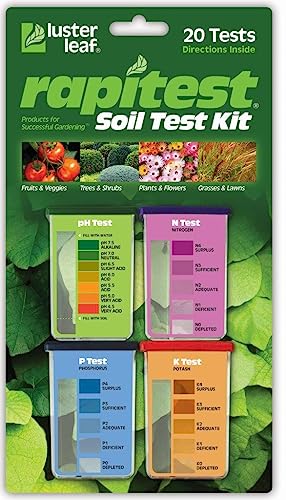
Rapitest Soil Test Kit for Gardens, Vegetables, Flowers and Lawns. USA designed and assembled soil tester completely, quickly and accurately measures/analyzes soil pH acidity and garden nutrients.
Quick, at home results for Soil pH, Nitrogen, Phosphorous and Potash Innovative and inexpensive soil test kit features…
As an affiliate, we earn on qualifying purchases.
As an affiliate, we earn on qualifying purchases.
Invasive Species Spread and Identification Methods
Jumping worms have been identified in the U.S. for several years, originating from Japan. Their spread has been linked to the movement of contaminated soil, mulch, and plant material. Recent reports indicate an acceleration in their distribution, prompting increased awareness and identification efforts among gardeners and environmental agencies.
Identification involves looking for their distinctive movement, flat clitellum, and surface castings. The use of mustard solution provides a quick method for detection, prompting immediate reporting to authorities for containment.
“Jumping worms can alter soil characteristics and disrupt native ecosystems, making early detection and removal vital.”
— an anonymous researcher

The Ultimate Guide to Soil: The Real Dirt on Cultivating Crops, Compost, and a Healthier Home (Permaculture Gardener Book 3)
As an affiliate, we earn on qualifying purchases.
As an affiliate, we earn on qualifying purchases.
Unclear Extent of Spread and Long-term Impact
It is still unclear how widespread the jumping worm infestation will become across different regions, and the long-term ecological impacts are not yet fully understood. Research is ongoing to determine the full extent of damage and the most effective control measures.

BARAYSTUS Rotary Cultivator Garden Tool, Adjustable Hand Tiller, Long Handle Cultivator for Aerating, Planting and Mixing Soil or Reseeding Grass
【Rotary Tiller Garden Tool】: The rotary cultivator tool has a unique star-shaped head, practical rolling mechanism, flexible and…
As an affiliate, we earn on qualifying purchases.
As an affiliate, we earn on qualifying purchases.
Monitoring, Reporting, and Developing Control Strategies
Authorities and researchers will continue to monitor the spread of jumping worms, encouraging gardeners to report sightings. Development of more effective control methods and public awareness campaigns are expected to follow, aiming to limit their ecological impact.

Diatomaceous Earth Food Grade & Peppermint Powder for Crawling Insect and Pest Control – 1 lb
Natural and Effective Formula – Crafted from 100% pure diatomaceous earth and peppermint oil, ensuring safe and effective…
As an affiliate, we earn on qualifying purchases.
As an affiliate, we earn on qualifying purchases.
Key Questions
How can I identify jumping worms in my garden?
Look for worms with snake-like movements, a glossy surface, a flat clitellum, and surface castings resembling coffee grounds. Using mustard solution can also provoke worms to surface for easier detection.
What should I do if I find jumping worms in my yard?
Report the infestation to your regional invasive species network. You can also try control methods such as solarization or tilling the soil to reduce their numbers. Dispose of worms by placing them in sealed bags or containers with vinegar or alcohol.
Are jumping worms harmful to my plants?
Yes, they can damage plant roots and disrupt soil health, making it harder for native plants to thrive. Their activity can also lead to soil erosion and reduced fertility.
Can jumping worms be completely eradicated?
Complete eradication is challenging due to their rapid reproduction and surface-casting behavior. Early detection and management are critical to controlling their spread.
How do jumping worms spread to new areas?
The worms are often transported via contaminated soil, mulch, or plant materials moved by humans. Proper inspection and cleaning of garden supplies can help prevent further spread.
Source: Family Handyman