
TL;DR
Many tomato gardeners notice flowers on their plants but no fruit forming. This article explains common causes and practical solutions to improve fruit production before the growing season ends.
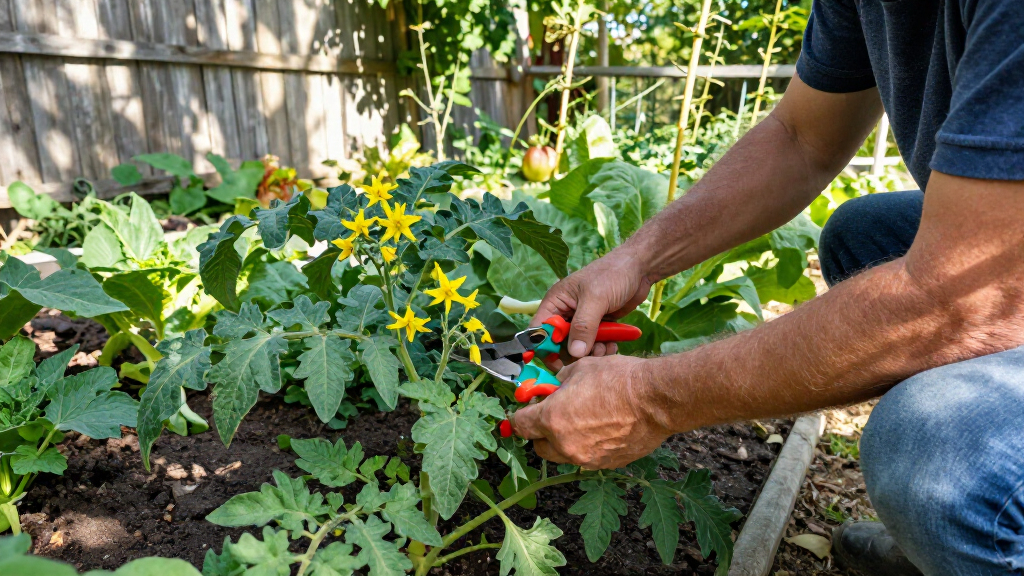
Many tomato growers are seeing their plants produce flowers without developing into fruit, a common issue as the season progresses. Pruning tomatoes can help improve airflow and fruit production. This phenomenon can be frustrating, especially when the growing season is nearing its end. Experts confirm that environmental stresses, improper watering, and nutrient imbalances are primary causes, and there are actionable steps gardeners can take now to improve fruit set before the season concludes. For timely advice, see what to do with tomatoes in July.
Tomato plants often produce flowers that fail to turn into fruit due to several factors. Pruning can help mitigate some of these issues. According to horticulturists, key causes include high temperatures, inconsistent watering, and nutrient deficiencies. Dr. Susan Miller, a plant scientist at the University of California, states, “When temperatures exceed 85°F during the day or 70°F at night, pollination and fruit development can be severely impacted.” Gardeners also report that irregular watering causes stress, leading to flower drop. Additionally, a lack of essential nutrients, particularly calcium and potassium, can hinder fruit formation.
To address these issues, experts recommend maintaining consistent watering routines, avoiding water stress, and providing balanced fertilization. Using mulch helps retain soil moisture, while applying a fertilizer high in potassium can encourage flowering and fruiting. If high temperatures are unavoidable, providing shade during the hottest part of the day can help reduce heat stress. Some gardeners have also found success with foliar sprays containing calcium or potassium to support fruit development.
Impacts of Flowering but No Fruit on Tomato Yields
This issue directly affects the harvest potential of homegrown tomatoes, which is especially critical as the season winds down. If unresolved, gardeners risk losing the remaining fruiting window, resulting in fewer or no tomatoes at harvest. Understanding and addressing the causes can help maximize yield and reduce disappointment for growers eager to enjoy fresh tomatoes before the season ends. Additionally, these insights are valuable for commercial growers aiming to optimize late-season production.
tomato plant fertilizer potassium calcium
As an affiliate, we earn on qualifying purchases.
As an affiliate, we earn on qualifying purchases.
Common Causes of Flower Drop and No Fruit in Tomatoes
Tomato plants naturally produce flowers as part of their reproductive cycle. However, environmental and cultural stresses can disrupt pollination and fruit set. High temperatures, especially above 85°F during the day or 70°F at night, are known to impair pollen viability, according to agricultural extension services. Inconsistent watering causes stress that prompts plants to shed flowers prematurely. Nutrient imbalances, particularly deficiencies in calcium and potassium, can also inhibit the development of healthy fruit. These problems often become more pronounced as the season progresses and environmental conditions fluctuate.
Historically, gardeners have faced similar issues during hot, dry summers or in regions with variable weather patterns, making timely intervention essential for successful late-season harvesting.
“”High temperatures during flowering can drastically reduce pollination success, leading to many flowers dropping without setting fruit.””
— Dr. Susan Miller, University of California
As an affiliate, we earn on qualifying purchases.
Unclear Factors in Flower Drop and Fruit Development
While environmental stresses are well-documented causes, it is still unclear why some tomato varieties are more resilient than others in setting fruit under similar conditions. The precise role of pollinator activity, local microclimates, and specific soil health factors remains under study. Additionally, the effectiveness of certain foliar sprays or supplements in late-season fruiting support requires further validation through field trials.
As an affiliate, we earn on qualifying purchases.
Recommended Actions for Gardeners Before Season Ends
Gardeners should focus on maintaining consistent watering, providing shade during peak heat, and applying balanced fertilizers rich in potassium and calcium. Monitoring environmental conditions and adjusting care routines accordingly can improve fruit set. Experts suggest that if fruiting improves, harvests can still be maximized in the remaining weeks of the season. Continued research and sharing of practical experiences will help refine these strategies.
As an affiliate, we earn on qualifying purchases.
Key Questions
Why are my tomato flowers dropping without forming fruit?
This often results from environmental stresses like high temperatures, inconsistent watering, or nutrient deficiencies that interfere with pollination and fruit development.
Can I still get tomatoes from my plants this season?
Yes, by addressing stress factors such as providing shade, maintaining even watering, and fertilizing appropriately, you can encourage fruiting before the season ends.
What nutrients should I add to improve fruit set?
Focus on fertilizers high in potassium and calcium, which support flowering and fruit development. Foliar sprays can also be beneficial if used correctly.
How can I protect my plants from heat stress?
Providing shade during the hottest parts of the day and mulching to retain soil moisture can help reduce heat stress and improve pollination success.
Are certain tomato varieties more resistant to flower drop?
Some varieties are better adapted to hot or variable conditions, but ongoing research is needed to identify the most resilient types for late-season fruiting.
Source: rss