

TL;DR
Experts recommend five key strategies—maintaining short grass, creating physical barriers, planting tick-repelling plants, using natural repellents, and managing wildlife—to prevent ticks from inhabiting your yard. These methods are supported by landscaping and pest control professionals and are essential for reducing the risk of tick-borne diseases.
Experts recommend five proven methods to prevent ticks from inhabiting residential yards, helping homeowners reduce the risk of tick-borne illnesses. These strategies are supported by landscaping and pest control professionals and are especially relevant during peak tick season from late spring through early fall.
According to landscaping expert Scott McLeod, maintaining a well-kept yard by mowing regularly, trimming shrubs, and removing leaf litter diminishes tick habitats. Creating physical barriers such as wood chips or gravel between wooded areas and lawns can further deter ticks from migrating into play zones. Planting tick-repelling herbs like rosemary, lavender, and marigolds along pathways adds a natural defense, while natural sprays containing cedar or eucalyptus oils can repel ticks when applied regularly. These combined measures significantly reduce the likelihood of ticks settling in your yard, lowering the risk of disease transmission.
Experts emphasize that these methods are most effective when used together, as ticks are adaptable and can find shelter in various environments. The advice is grounded in current pest control research and landscaping practices aimed at making yards less attractive to ticks, which are spreading into new regions across the US.
Why Yard Prevention Matters for Public Health
Implementing these expert-recommended yard management strategies is crucial for reducing exposure to ticks and the risk of illnesses such as Lyme disease. As tick populations expand into new areas, homeowners must adopt effective prevention techniques to protect themselves, their families, and pets. These methods offer practical, environmentally friendly options to minimize tick habitats, ultimately contributing to community health and safety.

Wondercide – Flea & Tick Yard Spray with Natural Essential Oils – 32 oz
- Kills and repels bugs: Natural essential oils pest protection
- Ready-to-use spray: Pre-mixed, attach to garden hose
- Large coverage area: Treats up to 5,000 sq ft
As an affiliate, we earn on qualifying purchases.
As an affiliate, we earn on qualifying purchases.
Growing Spread of Ticks and Seasonal Risks
Tick populations are increasing across the US, especially in the Northeast, Mid-Atlantic, and Upper Midwest, with several species expanding into new areas. Peak tick season occurs from late spring through early fall, coinciding with increased outdoor activity. Experts stress that yard maintenance, landscaping, and natural repellents are vital in reducing tick habitats and preventing human and pet encounters. Previous efforts have focused on chemical treatments, but integrated landscape management is gaining recognition for its sustainability and effectiveness.
“Regular mowing, trimming shrubs, and removing leaf litter are crucial for reducing tick habitats.”
— Scott McLeod, landscaping expert
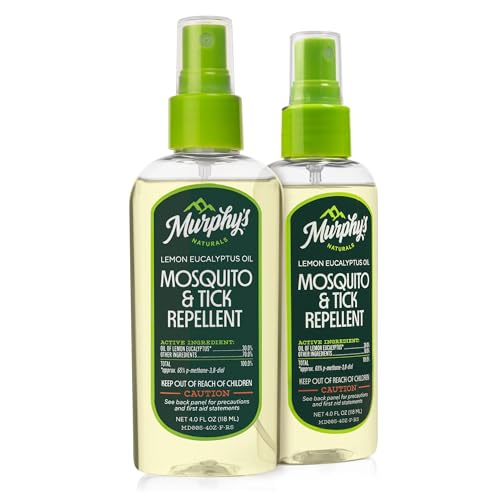
Murphy's Naturals Mosquito & Tick Bug Repellent Spray, 4 fl oz (Pack of 2)
- Contains 30% Lemon Eucalyptus Oil: Provides up to 6 hours mosquito protection
- Long-lasting Tick Defense: Offers up to 4 hours tick protection
- DEET-Free and Picaridin-Free: Dependable outdoor coverage without harsh chemicals
As an affiliate, we earn on qualifying purchases.
As an affiliate, we earn on qualifying purchases.
Unconfirmed Aspects of Long-Term Effectiveness
While these methods are supported by experts, long-term studies comparing their effectiveness against chemical treatments are still limited. The durability of natural repellents and physical barriers under various weather conditions remains uncertain, and more research is needed to establish standardized guidelines for widespread adoption.

In This Together: A PBS American Portrait Story
As an affiliate, we earn on qualifying purchases.
As an affiliate, we earn on qualifying purchases.
Next Steps for Homeowners and Researchers
Homeowners are encouraged to implement these strategies this season and monitor their effectiveness. Researchers are expected to conduct further studies to quantify long-term impacts and optimize integrated pest management approaches. Public health agencies may also update guidelines as new data emerge, emphasizing sustainable and effective tick prevention methods.
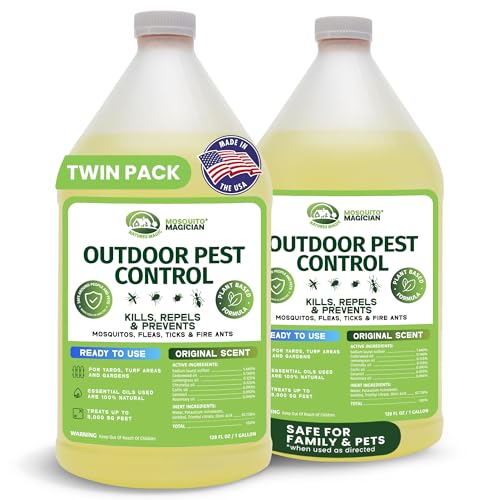
Mosquito Magician Ready-to-Use Mosquito Yard Spray 2 Gal (original scent) – Kills Mosquitoes, Fleas & Fire Ants, Repels & Prevents Ticks – Essential Oil Formula for Sprayers, Foggers & Misting Systems
- Effective Pest Control: Kills mosquitoes, fleas, and fire ants
- Large Coverage Area: Treats up to 10,000 sq ft
- Easy to Apply: Suitable for sprayers, foggers, and misting systems
As an affiliate, we earn on qualifying purchases.
As an affiliate, we earn on qualifying purchases.
Key Questions
Are natural repellents enough to prevent tick bites?
Natural repellents can help reduce tick activity but are most effective when combined with other strategies such as yard maintenance and physical barriers.
How often should I reapply natural tick repellents?
Reapplication is recommended every few days, especially after rain or heavy dew, to maintain effectiveness.
Can I use chemical treatments instead of natural methods?
Chemical treatments are available and effective but may have environmental impacts. Combining them with natural methods can provide comprehensive protection.
What time of year is most critical for tick prevention?
Peak tick season occurs from late spring through early fall, making this period especially important for preventive measures.
Are ticks spreading into new regions?
Yes, several tick species are expanding their range into new areas across the US, increasing the importance of yard prevention efforts nationwide.
Source: Homes & Gardens