Hydroponic bookshelf gardens look innovative and stylish, transforming empty shelves into vibrant greenery. However, they demand consistent maintenance, like adjusting water levels, cleaning equipment, and monitoring plant health, which can be time-consuming and costly. Their fixed design limits plant flexibility and can become a hassle if plants die or need replanting. If you’re curious about balancing style with practicality, exploring these tradeoffs further will give you valuable insights.
Key Takeaways
- They offer a sleek, modern aesthetic but require consistent technical maintenance and monitoring.
- Limited flexibility makes plant rearrangement or replacement challenging once system is set up.
- Ongoing costs for equipment, nutrients, and repairs can outweigh aesthetic benefits over time.
- Plants are less resilient, needing regular care to prevent issues like algae or disease.
- Best suited for dedicated enthusiasts willing to invest time and effort into upkeep.

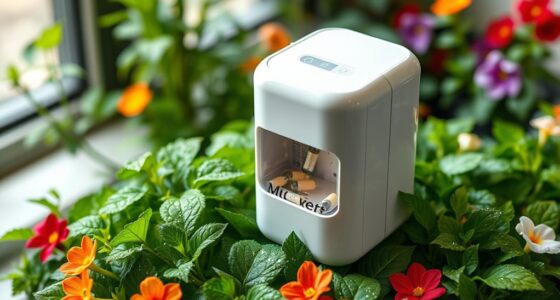
Imagine transforming your empty bookshelf into a vibrant, living garden with hydroponic bookshelf gardens. At first glance, it’s a clever idea—an innovative way to combine decor and productivity, bringing greenery directly into your living space without the mess of soil. The allure lies in how seamlessly these gardens blend into your home’s aesthetic; plants grow along your shelves, adding color and freshness without clutter. This aesthetic integration makes your space feel lively and modern, turning a simple piece of furniture into a focal point. It’s perfect if you want to showcase your love for plants while keeping things sleek and tidy.
Transform your bookshelf into a sleek, vibrant garden blending decor and greenery effortlessly.
However, beneath that appealing surface, there are maintenance challenges you need to deliberate. Hydroponic systems require consistent care—monitoring water levels, nutrient solutions, and system functionality. Unlike traditional gardening, where plants can often recover on their own, hydroponic setups demand regular attention to keep plants healthy. If you neglect these details, plants can quickly suffer from nutrient deficiencies, algae growth, or waterborne diseases. You might find yourself spending more time troubleshooting technical issues than simply watering and pruning plants in traditional pots. Plus, the pumps, filters, and reservoirs must be kept clean to prevent blockages or malfunctions, which can become tedious over time. Additionally, because hydroponic systems rely on controlled environmental conditions, maintaining optimal settings may require some technical knowledge and adjustments. Proper monitoring and maintenance are essential to prevent system failures and ensure your garden’s longevity, which can be daunting for beginners. Understanding hydroponic technology can help you better anticipate the challenges involved and prepare accordingly. Moreover, the cost of setup and maintenance can be significant, especially if you’re investing in high-quality equipment to ensure reliable operation. Furthermore, staying informed about industry insights can help you optimize your system and troubleshoot common issues more effectively.
Another aspect to consider is that the sleek appearance of a hydroponic bookshelf can be deceptive. It’s designed for aesthetics, but this often means sacrificing some of the flexibility you’d have with traditional containers. You can’t just transplant or change plants as freely, especially if the system is tightly integrated into the shelving. If one plant outgrows its space or withers unexpectedly, replacing or adjusting it isn’t always straightforward. This rigidity can turn into a maintenance challenge, especially if you’re not prepared for the technical upkeep or if you prefer a more hands-off approach to gardening.
While hydroponic bookshelf gardens seem clever and stylish, they demand a level of commitment that might surprise you. The aesthetic integration certainly adds a modern touch, but it comes with ongoing maintenance challenges that can quickly become burdensome. If you’re someone who enjoys the routine and problem-solving aspects of gardening, you might find the system rewarding. But if you prefer low-maintenance greenery, these gardens could end up more frustrating than fulfilling. Before diving in, weigh the visual benefits against the practical effort required to keep your mini indoor garden thriving.
As an affiliate, we earn on qualifying purchases.
Frequently Asked Questions
How Much Maintenance Do Hydroponic Bookshelf Gardens Require?
You’ll find that hydroponic bookshelf gardens require moderate maintenance to preserve their aesthetic appeal and support plant diversity. You’ll need to regularly check water levels, guarantee nutrient solutions are fresh, and clean the system to prevent algae or pests. While they’re relatively low effort compared to traditional gardening, consistent attention keeps your garden thriving, beautiful, and diverse, making it a rewarding addition to your space without too much hassle.
What Is the Initial Cost of Setting up One?
You’ll probably spend around $200 to $500 on a hydroponic bookshelf garden, which seems like a steal for such aesthetic appeal. Ironically, though, that initial cost often masks the ongoing expenses of maintaining the system’s health and nutrient solutions. While it looks sleek and cost-efficient long-term, your wallet might feel the pinch upfront—making the “smart” garden a little more of an investment than it first appears.
Are They Suitable for All Types of Plants?
Hydroponic bookshelf gardens aren’t suitable for all plant types, especially those requiring diverse soil conditions. They excel with leafy greens and herbs but limit plant diversity due to their soil dependency. You’ll find some plants thrive, while others struggle without traditional soil. If you want a broad variety, consider whether hydroponic setups meet your needs, keeping in mind their limitations with certain plants.
How Much Space Do They Need Indoors?
You’ll find that these gardens don’t take up much space, making them highly space-efficient indoors. Their aesthetic appeal enhances your decor without cluttering your room, blending functionality with style. While they’re compact, they still provide enough room for a variety of plants, allowing you to enjoy fresh herbs or greenery without sacrificing valuable space. So, if you’re after a sleek, efficient way to grow indoors, these gardens fit perfectly.
Do They Use More Electricity Than Traditional Gardens?
Hydroponic bookshelf gardens generally use less electricity than traditional outdoor gardens because they rely on more efficient systems like LED grow lights and automated watering. Their energy consumption is optimized for power efficiency, meaning you don’t need to worry about high energy bills. While they do require some power, they’re designed to minimize energy use, making them a sustainable, space-saving alternative that still produces fresh herbs and greens indoors.

Ahopegarden Indoor Garden Hydroponics Growing System: 10 Pods Plant Germination Kit Herb Vegetable Growth Lamp Countertop with LED Grow Light – Hydrophonic Planter Grower Harvest Lettuce
- High Planting Efficiency: Faster, healthier growth with hydroponic system
- 10 Pods & Water Level Window: Includes 10 planting stations and water indicator
- Dual Growing Modes: Switch between vegetable and flower/fruit lighting
As an affiliate, we earn on qualifying purchases.
As an affiliate, we earn on qualifying purchases.
Conclusion
While hydroponic bookshelf gardens seem like a clever way to grow fresh herbs and greens, remember that every silver lining has its cloud. You might enjoy the convenience and style they bring, but be prepared for ongoing maintenance and costs. As the saying goes, “Don’t judge a book by its cover,” and the same applies here. Weigh the benefits against the tradeoffs carefully before diving into this innovative, yet demanding, gardening trend.
hydroponic nutrient solution for indoor plants
As an affiliate, we earn on qualifying purchases.
As an affiliate, we earn on qualifying purchases.
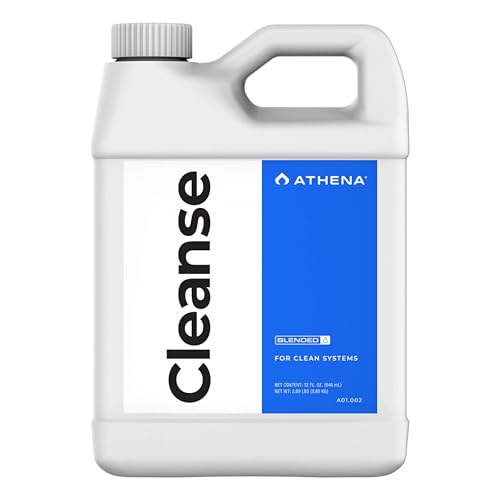
Athena Blended Cleanse | Plant-Safe System Cleaner for Hydroponics | Descaler Solution & Irrigation Line Cleaner | 32 Oz
- Plant-Safe Descaling Solution: Safe for all growth stages
- Prevents System Blockages: Breaks down scale and residue
- Maintains Irrigation Efficiency: Reduces mineral buildup and clogging
As an affiliate, we earn on qualifying purchases.
As an affiliate, we earn on qualifying purchases.