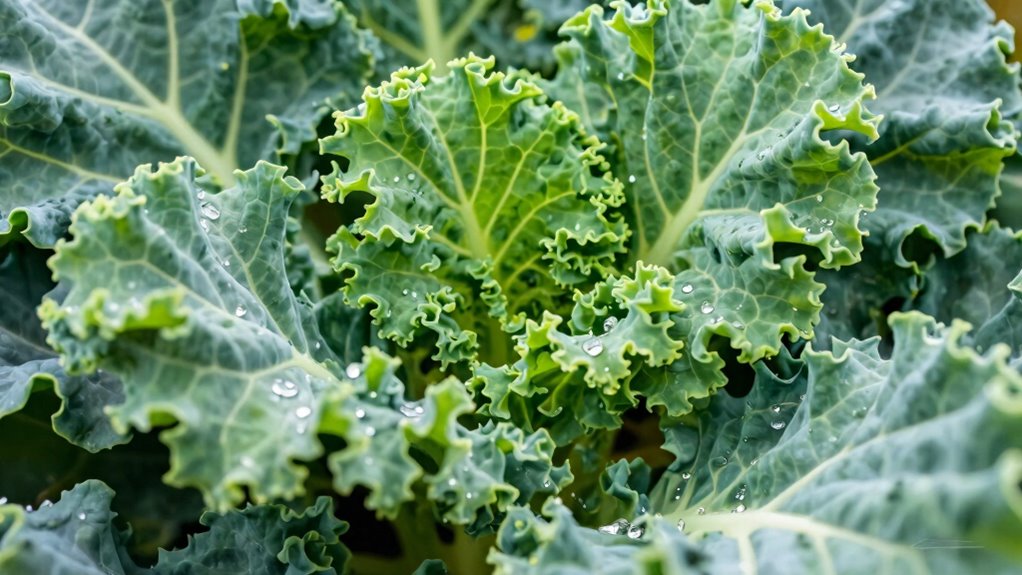

Harvesting kale when it’s young makes its leaves taste better because they’re milder and less bitter. Young leaves are tenderer, making them more enjoyable and easier to chew, especially in salads and smoothies. Plus, they contain more nutrients, so you get more health benefits. As the plant matures, leaves become tougher and more bitter. To discover even more about the benefits of harvesting kale early, keep exploring the details.

Get garden gear delivered free with Prime
- Fast, free delivery on millions of items
- Prime Video, Amazon Music and more included
- Member-only deals all year
Key Takeaways
- Younger kale leaves have a milder, more delicate flavor compared to the bitterness of mature leaves.
- Early harvest preserves the tender, crisp texture that enhances taste.
- Immature leaves contain higher levels of natural sugars, making them sweeter and more palatable.
- Tender leaves develop fewer bitter compounds, resulting in a more enjoyable flavor.
- Harvesting early prevents the development of tougher, more bitter textures in mature leaves.
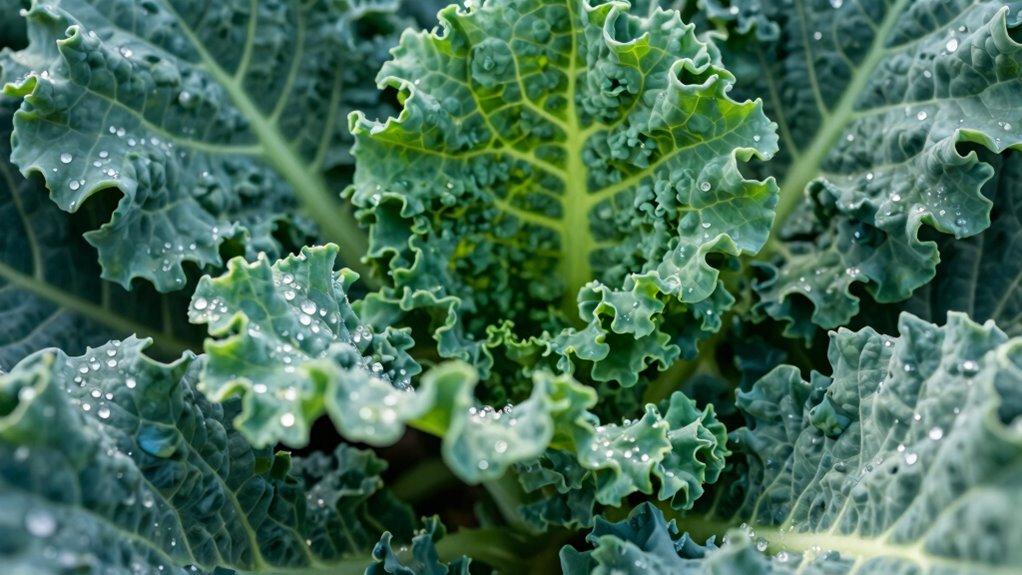
Many gardeners discover that kale tastes best when harvested young, as its tender leaves pack a milder, more delicate flavor. When you pick kale early in its growth cycle, you’re not just enjoying a better taste—you’re also accessing its peak nutrient content. Young kale leaves tend to have higher levels of vitamins A, C, and K, as well as antioxidants that support your immune system. These nutrients are most concentrated when the plant is still young and actively growing, which means harvesting at this stage gives you a more nutritious, health-boosting vegetable. Plus, young kale leaves are easier to digest, making them a popular choice for salads, smoothies, and light sautés.
Another reason to harvest kale early is its pest resistance. When the leaves are small and tender, they’re less attractive to pests like aphids and caterpillars. As the plant matures, it develops more complex and tougher leaves that can be more appealing to pests seeking a substantial meal. By harvesting early, you reduce the risk of pest infestation spreading throughout your garden. This proactive approach helps keep your kale healthy without resorting to chemical pesticides, preserving your garden’s ecological balance. Additionally, young kale leaves are less likely to have damage or holes, ensuring your harvest looks fresh and appealing.
Timing your harvest correctly also enhances the overall quality of your kale. When you pick the leaves young and tender, they maintain a crisp texture and vibrant color, which improves both their flavor and visual appeal. As kale matures, the leaves tend to become tougher and more bitter, especially if left on the plant for too long. This bitterness can overshadow the delicate flavor that makes kale so enjoyable when it’s young. Harvesting early allows you to enjoy a sweeter, more tender vegetable that’s perfect for a variety of dishes. It also encourages the plant to continue producing new, fresh leaves, giving you a continuous supply of nutritious greens. Recognizing the importance of plant growth stages helps you determine the optimal time for harvesting to maximize flavor, nutrition, and pest resistance. Understanding the growth cycle of kale is essential for timing your harvest to ensure the best quality.
organic kale seeds for home gardening
As an affiliate, we earn on qualifying purchases.
As an affiliate, we earn on qualifying purchases.
Frequently Asked Questions
How Do I Know the Optimal Age to Harvest Kale?
You know the ideal age to harvest kale by observing its growth rate and timing. Typically, you should pick kale when the leaves are about 8-10 inches tall and before they become too mature, which can make them tougher and bitter. Regularly check your plants, and harvest when the leaves are tender, vibrant, and at their peak flavor. This guarantees you enjoy the best taste and quality from your kale.
Does Harvesting Young Kale Affect Its Nutrient Content?
Harvesting young kale is like catching a rainbow—vibrant and full of promise. It slightly reduces pest resistance but boosts nutrient content because the plant’s energy is focused on leaf development rather than extensive root growth. Younger leaves retain more vitamins and antioxidants, making them healthier for you. So, by picking early, you’re ensuring better flavor and nutrient density, turning your garden harvest into a nourishing treasure chest.
Can Harvesting Early Improve Kale’s Flavor for Cooking?
Yes, harvesting kale early can improve its flavor for cooking. With ideal harvest timing, you’ll notice a more tender, milder taste, thanks to flavor enhancement from younger leaves. When you pick kale at the right stage, the leaves haven’t developed the bitterness that often comes with maturity. So, by timing your harvest carefully, you guarantee your kale tastes fresher and more vibrant, perfect for enhancing your dishes.
How Often Should I Harvest Kale During Its Growth?
You should harvest kale every few weeks during its growth, typically when the leaves reach about 8-10 inches tall. Regular harvesting encourages new growth and keeps your plant healthy. Use effective farming techniques to manage pests, preventing damage that can hinder growth. Avoid overharvesting, which stresses the plant. Consistent, careful harvesting guarantees a steady supply of tender, flavorful leaves while maintaining overall plant vigor.
Is There a Difference in Taste Between Different Kale Varieties When Young?
You’ll notice that different kale cultivars offer distinct flavor profiles when young, from milder to more peppery tastes. While some varieties like curly kale tend to be bolder, others like Lacinato (dinosaur kale) are more delicate. These cultivar differences influence taste, making some more enjoyable at a young stage. So, experiment with varieties to find the flavor profile that suits your palate best when harvesting young leaves.
As an affiliate, we earn on qualifying purchases.
Conclusion
So, next time you pick kale, consider harvesting it younger for a sweeter, milder taste. Studies show that younger leaves contain higher levels of natural sugars and fewer bitter compounds, making your dishes more enjoyable. Remarkably, kale is one of the fastest-growing leafy greens, reaching harvest size in just about 25 days. By harvesting early, you not only enjoy better flavor but also maximize your crop’s potential. Give it a try—you might never go back to mature leaves!
As an affiliate, we earn on qualifying purchases.
As an affiliate, we earn on qualifying purchases.
Fall yard work Picks
leaf blowers
As an affiliate, we earn on qualifying purchases.