
TL;DR
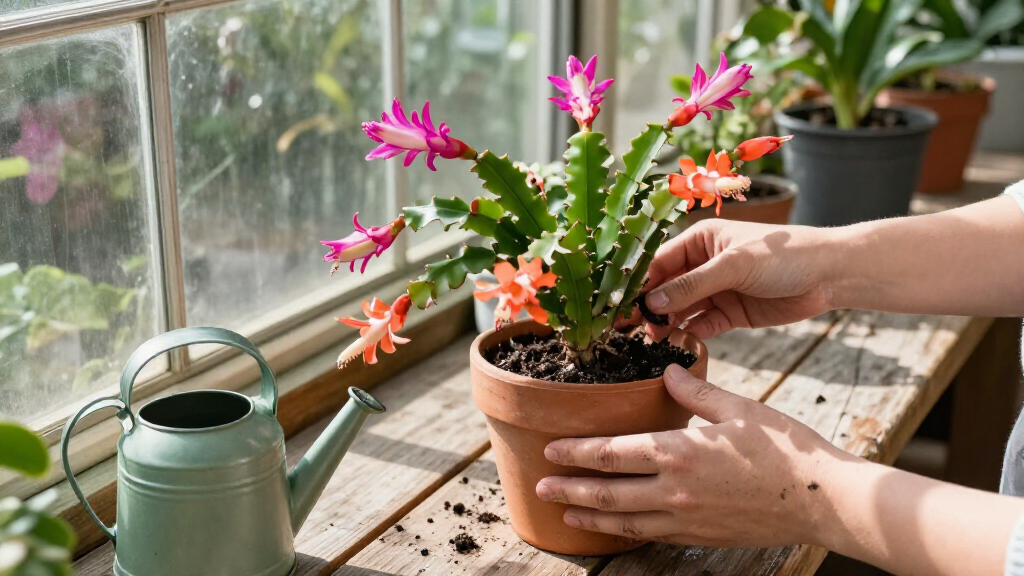
Flaming Katy (Kalanchoe blossfeldiana) is a flowering succulent that can bring festive color indoors, with blooms that may last for several weeks. It prefers bright indirect light, warm indoor temperatures and careful watering, and can be kept as a houseplant after flowering.
Flaming Katy (Kalanchoe blossfeldiana) is a flowering succulent that can provide weeks of indoor color during the holiday season and continue growing after its flowers fade, according to a seasonal gardening guide. The plant is being presented as an alternative to poinsettias for people seeking festive blooms without treating the purchase as a short-lived decoration.

Get garden gear delivered free with Prime
- Fast, free delivery on millions of items
- Prime Video, Amazon Music and more included
- Member-only deals all year
Flaming Katy is a tender perennial succulent, rather than a plant that must be discarded when its holiday display ends. Its fleshy leaves store water, helping it tolerate occasional dry spells, and it can be kept as a foliage houseplant after flowering. With suitable conditions, it may grow on and flower again, though the guide does not promise a particular schedule or guarantee a repeat bloom.
The plant is sold in several flower colors, including red, pink, orange, yellow and white. Red is a popular choice for Christmas, while its clusters of flowers can remain in bloom for several weeks or sometimes longer. Bloom duration depends on the variety and growing conditions, so the timing will vary from plant to plant.
For indoor care, the guide recommends a bright position with indirect light; some gentle morning sun is generally acceptable. It gives a preferred temperature range of about 60–75°F (16–24°C) and says average indoor humidity is suitable. Watering should be restrained: avoid keeping the plant too wet or leaving it in a decorative outer pot without adequate drainage. Removing individual faded flower clusters can keep the plant tidy, but the guide says elaborate pruning and constant feeding are not needed during bloom.
Grow festive color that can last
Flaming Katy brings colorful blooms indoors for several weeks and can keep growing after the flowers fade.
A festive alternative
Kalanchoe blossfeldiana is a tender perennial succulent, not just a short-lived holiday decoration.
Choose your blooms
Flowers come in red, pink, orange, yellow and white. Red is a popular Christmas choice.
Keep it growing
It can remain indoors as a foliage houseplant after flowering. Another display is possible, but not guaranteed.
Set up the right spot
Bright, indirect light and average indoor humidity suit this flowering succulent.
Choose an indoor position with indirect light; gentle morning sun is generally fine.
Aim for the suggested 60–75°F range.
Avoid soggy soil and make sure excess water can drain away.
Flaming Katy and poinsettias
Both can bring holiday color indoors, but their care challenges differ.
- Water-storing leaves can tolerate occasional dry spells.
- Can continue growing after its flowers fade.
- Still needs careful watering and suitable conditions.
- Can react poorly to cold drafts and sudden temperature changes.
- May drop leaves in response to those conditions.
- Neither option suits every home.
Keep care simple
Small habits help protect the plant through flowering and afterward.
- Use a pot with adequate drainage, including inside decorative containers.
- Remove faded flower clusters if you want to keep the plant tidy.
- Expect bloom length and any rebloom to vary with the plant and its growing conditions.
A Holiday Plant That Can Last
For households choosing seasonal decorations, Flaming Katy offers a way to bring flower color indoors while keeping the plant after the display has passed. Its water-storing leaves and straightforward light and temperature needs may suit people who want a flowering houseplant but do not want to manage frequent watering or special humidity.
That does not mean the plant is maintenance-free. Overwatering remains a risk, particularly when a plant sits in a decorative container that traps water. Its ability to bloom for weeks is also not a fixed guarantee: variety and growing conditions affect how long flowers last. The useful distinction is that it can be maintained beyond its first flowering, rather than being limited to a single holiday display.
Products Worth Considering

Husqvarna Automower 550 Commercial Robotic Lawn Mower

Rachio 3 Smart Sprinkler Controller, 16-Zone

Blackstone 2363 20 x 14-Inch Camping Griddle
As an affiliate, we earn on qualifying purchases.
How It Differs From Poinsettias
Poinsettias remain a familiar Christmas plant, but the gardening guide notes that they can react poorly to cold drafts and sudden temperature changes, sometimes dropping leaves. It also identifies overwatering and pots without proper drainage as common problems for holiday houseplants. Flaming Katy is offered as another option, not as a replacement that suits every home.
The comparison is mainly about care and longevity. Flaming Katy’s succulent leaves store water, and its flowering period can extend for weeks. It still needs an appropriate indoor spot and careful watering, while a second flowering requires suitable conditions after the first display. The guidance does not provide a specific method or schedule for inducing rebloom.
Bloom Length and Rebloom Vary
The guidance does not specify how many weeks a particular Flaming Katy will flower, or how likely a plant is to bloom again in a home. It says duration depends on variety and growing conditions and that suitable care can support continued growth and another display; it does not give a guaranteed rebloom date or step-by-step schedule.
It also offers no comparison based on trials or measured care requirements between Flaming Katy and poinsettias. The claims about ease and longevity are presented as gardening guidance, not as quantified results. Buyers should check that the plant is healthy and that its pot allows excess water to drain.
Care After the Flowers Fade
Once flowering finishes, the plant can remain indoors as a foliage houseplant. Keep it in bright, indirect light, maintain warm conditions within the suggested range, and water carefully rather than allowing it to sit in excess water. During flowering, remove faded clusters if desired; the guide does not call for complicated pruning or constant feeding.
Whether and when it produces another flush of flowers will depend on the plant and its growing conditions, and no definite timetable is provided. For now, the practical next step is to treat Flaming Katy as a continuing houseplant rather than discard it when its holiday blooms fade.
Source: rss
Key Questions
What is Flaming Katy?
Flaming Katy is the common name used for Kalanchoe blossfeldiana, a tender perennial succulent grown for its clusters of colorful flowers.
How long can Flaming Katy stay in bloom?
A healthy plant may flower for several weeks or longer. The exact duration varies with the variety and growing conditions.
How much light does it need indoors?
Place it in bright, indirect light. The gardening guide says some gentle morning sunshine is generally welcome.
Can Flaming Katy be kept after Christmas?
Yes. It can continue growing as a foliage houseplant after flowering. Suitable care may allow it to flower again, but the timing and outcome are not guaranteed.
How should I avoid overwatering it?
Water carefully and do not leave the plant sitting in trapped water. Use a pot with adequate drainage, especially if placing it inside a decorative container.
Source: gardeningknowhow.com