TL;DR
Houseplants may drop leaves in November as shorter days reduce available light and indoor temperature changes stress plants. Check light, drafts and heater exposure, then make gradual adjustments; pests, watering problems and other causes can also contribute.
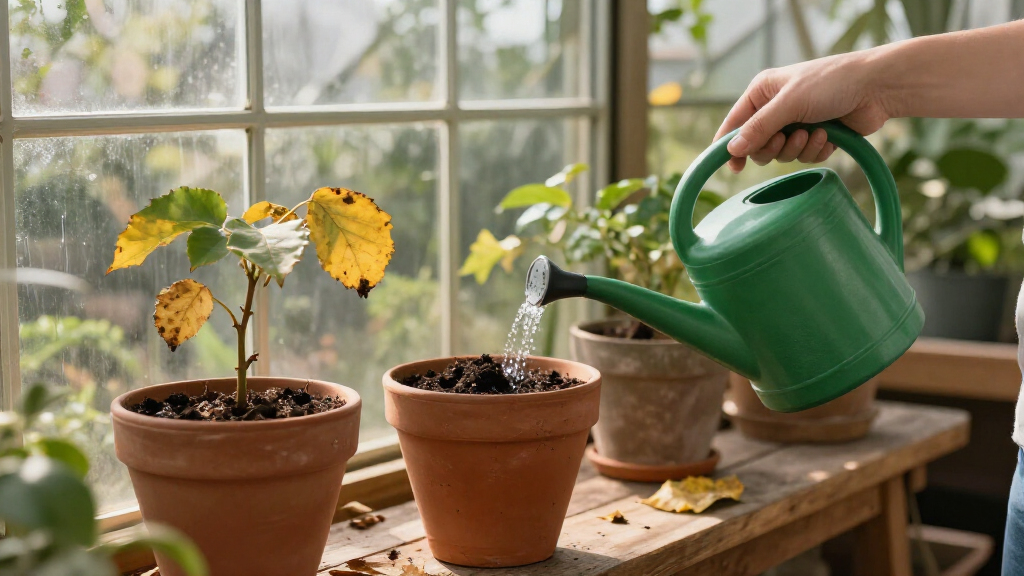
Shorter days and cooler, fluctuating indoor temperatures can contribute to houseplant leaf drop in November, according to seasonal care guidance from Homes & Gardens. The report recommends checking a plant’s light and surroundings before changing its care, since drafts, heaters and other issues can add stress; leaf loss does not by itself identify the cause.

Get garden gear delivered free with Prime
- Fast, free delivery on millions of items
- Prime Video, Amazon Music and more included
- Member-only deals all year
As daylight decreases, plants may receive less light indoors, limiting the energy they can produce through photosynthesis. The guidance says this can slow growth and make it harder for a plant to maintain existing foliage. How much light a plant needs varies by type, so the general suggestion that many houseplants need at least eight hours of bright light should not be treated as a universal requirement.
Temperature changes can compound the problem. Cold drafts, cold windows and indoor heating may create conditions that are difficult for tropical houseplants, which often prefer more consistent warmth. The report says these conditions can affect water uptake and contribute to discolored or drooping leaves as well as leaf loss.
Its first recommended step is to inspect the plant’s environment: note its light exposure and check whether it sits near a draft, cold window or heater. Depending on the plant’s needs, owners can move it closer to a bright window or use a grow light where daylight is insufficient. Turning a plant periodically can help expose different sides to light, while gently cleaning dusty leaves can improve the light reaching their surfaces.
Help houseplants recover when shorter days bring leaf drop
Lower light and changing indoor temperatures can stress some plants in November. Leaf drop is a symptom, so check the plant’s conditions and needs before changing its care.
Check the environment first
Review the plant’s light and surroundings before making gradual adjustments.
Check whether the plant gets enough light for its species. Consider a brighter spot or grow light if needed.
Look for cold drafts, chilly windows and direct heater exposure.
Change the plant’s position or light, then observe its leaves and surroundings.
Seasonal stress has several triggers
Shorter days and fluctuating indoor temperatures may contribute to leaf loss, but they do not establish the cause.
Less daylight
Reduced light can limit energy production and slow growth. Light needs vary by plant.
Changing conditions
Drafts, cold windows and nearby heaters may stress plants that prefer consistent warmth.
Check beyond the season
Pests and care mistakes can also cause leaf drop. The symptom alone is not a diagnosis.
Keep care plant-specific
Use general guidance as a reference, then check the needs of the plant you are growing.
- Look for pests and drafts.
- Check whether the soil is too wet or dry.
- Use a thermometer if room temperature is uncertain.
- Avoid overwatering during winter.
- Keep plants away from direct heater exposure.
- Remove dead leaves, but avoid pruning more than a third.
Small Changes Can Reduce Plant Stress
Leaf drop can be worrying, but it is a symptom rather than a diagnosis. Checking conditions before taking action can help owners avoid responding to seasonal changes with an adjustment that creates another problem, such as placing a plant too close to a heat source or watering it more than it needs.
The practical value of the advice is its focus on gradual, plant-specific care. More light may help one plant, while another may be suited to lower-light conditions. A thermometer can help track room temperature, but the report’s suggested range of 65–75°F is a general reference, not a rule for every species. Plant owners should check the needs of the specific plant they are growing.
Keeping leaves and the surrounding environment under observation can also help distinguish a seasonal change from a problem that needs further attention. The guidance advises checking regularly for pests and avoiding overwatering during winter care. That matters because adding water without checking the soil and plant’s needs may not address light or temperature stress.
Products Worth Considering

Solo Stove Pi Prime Propane Pizza Oven

Greenworks 40V Cordless Chainsaw Kit with 12-Inch Bar, 2Ah Battery and Charger

Blackstone 2363 20 x 14-Inch Camping Griddle
As an affiliate, we earn on qualifying purchases.
Why November Can Challenge Indoor Plants
The advice addresses a seasonal shift: as fall moves toward winter, days get shorter and indoor conditions can change with heating use and colder weather. Homes may offer less natural light than in brighter months, while warmth from radiators or other heaters can make nearby air drier. At the same time, drafts and cold windows may expose plants to abrupt temperature changes.
The report notes that pests and common care mistakes can also cause leaves to fall. That means the arrival of November alone does not establish why a plant is losing foliage. The suggested assessment begins with the growing environment, but owners should also look for other signs of trouble and consider the plant’s usual requirements.
Recommended environmental adjustments include keeping plants away from cold drafts and direct heater exposure. The report also suggests insulating a pot with breathable material if a room is too chilly, and using a pebble humidity tray to raise humidity around a plant in dry indoor air. These are options, not guarantees that a plant will recover.
Leaf Loss Has More Than One Cause
The cause of any individual plant’s leaf drop remains uncertain without details about its species, care history and growing conditions. The guidance identifies low light and temperature fluctuations as common seasonal contributors, but also mentions pests and care mistakes. It does not provide diagnostic criteria for distinguishing among them.
The report does not cite controlled research or quantify how often fall conditions cause leaf loss, and it does not promise that any particular adjustment will restore a plant. Its temperature range is a general guideline, while light and warmth requirements differ among plants. If the plant continues to decline after its conditions are reviewed, the available guidance does not specify a diagnosis or treatment.
Monitor Conditions Through Winter
After adjusting a plant’s position or light, owners can monitor its leaves and surroundings rather than making several major changes at once. Check for drafts, heater exposure, pests and signs that the soil is too wet or dry, and use a thermometer if room temperatures are uncertain. Keep watering in line with the plant’s needs, since the report cautions against overwatering during winter.
Remove dead leaves if needed, but avoid pruning more than a third of the plant, according to the guidance. Because recovery depends on the plant and the underlying cause, the next step is continued observation through the colder months and further attention to species-specific care needs if decline persists.
Source: rss
Key Questions
Why might a houseplant drop leaves in November?
Lower light and changing temperatures can stress some houseplants as days shorten. Drafts, heating, pests and care mistakes may also contribute, so leaf drop alone does not reveal the cause.
Should I move a plant closer to a window?
That may help if the plant needs more light, but check its specific requirements first. A bright location should not expose it to cold window drafts or an abrupt temperature change.
Can a grow light help with seasonal leaf drop?
A grow light may supplement daylight where natural light is insufficient. The right amount of light depends on the plant, and the report does not say a grow light will resolve leaf drop caused by other issues.
How much should I prune from a struggling plant?
The guidance recommends removing dead leaves but cautions against pruning more than one-third of the plant, which may cause further stress.
What should I check if leaf drop continues?
Review light, drafts, heater exposure, watering and signs of pests, while comparing conditions with the plant’s species-specific needs. The available guidance does not identify a single diagnosis for persistent leaf loss.
Source: homesandgardens.com