If you’re searching for the best kumquat tree varieties, the decision comes down to three things: how fast you want fruit, how much space you have, and whether you prefer sweet or tart. The Grafted Nagami Kumquat Tree (Potted Semi-Dwarf, 3–4 ft) stands out as the best overall pick because it combines a proven rootstock with a mature size that fruits quickly. For sweeter, fresh-eating fruit, the Meiwa Sweet Kumquat Tree (3-Gallon Pot) is a close runner-up, while the Nagami Kumquat Starter Plant offers the most budget-friendly entry point for patient gardeners. The main tradeoffs in this category are grafted trees versus seedlings, pot size versus root establishment, and tart versus sweet flavor profiles. Keep reading for the full breakdown of all 15 options and which one fits your growing situation.

Get garden gear delivered free with Prime
- Fast, free delivery on millions of items
- Prime Video, Amazon Music and more included
- Member-only deals all year
Complete the kit


Key Takeaways
- Grafted kumquat trees consistently fruit 1–2 years sooner than seedlings, making them the right choice for anyone who wants a harvest within this decade.
- Meiwa varieties are noticeably sweeter and better for eating fresh off the tree, while Nagami delivers the classic tart punch that preserves and marmalade recipes demand.
- Container size at purchase matters more than tree height: a 3-gallon pot establishes faster and survives transplant shock better than a 1-gallon or bare-root starter.
- Cold hardiness separates the two main species: Nagami tolerates down to about 20°F, while Meiwa is more sensitive and needs protection below freezing.
- Starter plants and seedlings cost far less upfront but demand 3–5 years of patience before the first fruit — the real price is time, not money.
- Semi-dwarf and grafted trees are the safest bet for beginners because they skip the seedling’s juvenile phase and produce true-to-type fruit.
| Grafted Nagami Kumquat Tree, Potted Semi-Dwarf, 3–4 Feet Tall |  | Best Overall for Immediate Fruiting | Variety: Nagami Sour Kumquat | Plant Type: Grafted Semi-Dwarf Citrus | Height: 3–4 Feet | VIEW LATEST PRICE | See Our Full Breakdown |
| Meiwa Kumquat Tree, 1–2 Feet Tall, 1-Gallon Pot |  | Best for Cold Tolerance | Variety: Meiwa Kumquat | Height: 1–2 Feet | Pot Size: 1 Gallon | VIEW LATEST PRICE | See Our Full Breakdown |
| Meiwa Sweet Kumquat Tree, 3-Gallon Pot |  | Best for Sweet Fruit Lovers | Variety: Meiwa Sweet Kumquat | Pot Size: 3 Gallons | Cold Tolerance: Down to 20°F | VIEW LATEST PRICE | See Our Full Breakdown |
| Nagami Kumquat Starter Plant (Fortunella margarita), 3–5 Inches |  | Best Value for Patient Growers | Variety: Nagami (Fortunella margarita) | Height: 3–5 Inches | Time to Fruit: ~3 Years | VIEW LATEST PRICE | See Our Full Breakdown |
| Nagami Kumquat Starter Plants, Two Seedlings |  | Best for Propagation Projects | Variety: Nagami Kumquat | Quantity: 2 Seedlings | Height: 3–5 Inches | VIEW LATEST PRICE | See Our Full Breakdown |
| Grafted Kumquat Tree Live Plant, 13–22 Inches Tall |  | Best for Indoor Growers | Brand: Via Citrus | Plant type: Fruit tree | Height: 13–22 inches | VIEW LATEST PRICE | See Our Full Breakdown |
| Meiwa Kumquat Tree, 2–3 ft Tall, in 3-Gallon Pot |  | Best Balanced Choice | Plant variety: Meiwa kumquat | Height: 2–3 ft | Container size: 3 gallons | VIEW LATEST PRICE | See Our Full Breakdown |
| Nagami Kumquat Fruit Seeds for Planting, Heirloom Non-GMO Dwarf Citrus |  | Best for Patient Gardeners | Seed quantity: 10+ seeds | Plant type: Nagami kumquat (Fortunella margarita) | Growth habit: Dwarf and slow-growing | VIEW LATEST PRICE | See Our Full Breakdown |
| Live Meiwa Kumquat Tree in 3-Gallon Pot |  | Best for Immediate Harvest | Brand: GINGERGLOW | Plant Type: Meiwa Kumquat Tree | Container Size: 3 Gallon | VIEW LATEST PRICE | See Our Full Breakdown |
| Meiwa Kumquat Tree, 1–2 ft Tall, 1-Gallon Pot |  | Best Starter Option | Plant type: Meiwa kumquat tree | Height at delivery: 1–2 feet | Container size: 1 gallon | VIEW LATEST PRICE | See Our Full Breakdown |
| Nagami Kumquat Tree Starter Plant, 6–10 Inches |  | Best for Patient Growers | Variety: Nagami kumquat (Fortunella margarita) | Plant Height: 6–10 inches | Mature Height: 15 feet | VIEW LATEST PRICE | See Our Full Breakdown |
| Sweet Kumquat Tree Live – 1-2 ft Tall, 1 Gallon Pot |  | Best for Quick Fruiting | Height: 1-2 ft | Pot Size: 1 Gallon | Sunlight: Full Sun | VIEW LATEST PRICE | See Our Full Breakdown |
| Meiwa Kumquat Tree, 1–2 Feet Tall |  | Best for Container Stability | Variety: Meiwa kumquat | Height: 1–2 feet | Pot Size: 5 gallons | VIEW LATEST PRICE | See Our Full Breakdown |
| Nagami Kumquat Live Seedling, 2–5 Inches Tall |  | Best for Indoor Starters | Variety: Nagami kumquat (Fortunella margarita) | Height: 2–5 inches | Usage: Indoor and outdoor | VIEW LATEST PRICE | See Our Full Breakdown |
| Sweet Meiwa Kumquat Live Tree, 1–2 ft Tall, 1-Gallon Pot |  | Best for Aesthetic Appeal | Type: Live Meiwa kumquat tree | Height: 1–2 ft | Pot Size: 1 gallon | VIEW LATEST PRICE | See Our Full Breakdown |
| kumquat tree varietie | Sunlight | Height | Variety |
|---|---|---|---|
| Grafted Nagami Kumquat Tree | Full to Partial Sun | 3–4 Feet | Nagami Sour Kumquat |
| Meiwa Kumquat Tree | Full Sun | 1–2 Feet | Meiwa Kumquat |
| Meiwa Sweet Kumquat Tree | Full Sun | — | Meiwa Sweet Kumquat |
| Nagami Kumquat Starter Plant | Partial Sun | 3–5 Inches | Nagami (Fortunella margarita) |
| Nagami Kumquat Starter Plants | Partial Sun | 3–5 Inches | Nagami Kumquat |
| Grafted Kumquat Tree Live Plan | — | 13–22 inches | — |
| Meiwa Kumquat Tree | Full sun | 2–3 ft | — |
| Nagami Kumquat Fruit Seeds for | — | — | — |
| Live Meiwa Kumquat Tree in 3-G | — | — | — |
| Meiwa Kumquat Tree | — | — | — |
| Nagami Kumquat Tree Starter Pl | Partial sun | — | Nagami kumquat (Fortunella margarita) |
| Sweet Kumquat Tree Live | Full Sun | 1-2 ft | — |
| Meiwa Kumquat Tree | Full sun | 1–2 feet | Meiwa kumquat |
| Nagami Kumquat Live Seedling | Full sun | 2–5 inches | Nagami kumquat (Fortunella margarita) |
| Sweet Meiwa Kumquat Live Tree | Full sun | 1–2 ft | — |
More Details on Our Top Picks
Grafted Nagami Kumquat Tree, Potted Semi-Dwarf, 3–4 Feet Tall
This grafted Nagami stands out because it arrives 3–4 feet tall and ready to produce fruit much sooner than seed-grown options. Unlike the Nagami Kumquat Starter Plant which takes years to mature, this semi-dwarf tree offers immediate ornamental value and faster harvests. The grafting process ensures the fruit retains the sweet-tart balance characteristic of the Nagami variety, whereas seedlings can sometimes revert to wild traits. However, the larger size means it requires more space and careful handling during shipping. It is ideal for those who want a substantial presence on their patio without waiting five years for a single fruit.
Pros:- Arrives large enough to look mature and potentially fruit within the first season
- Grafted rootstock ensures consistent Nagami flavor profile
- Self-pollinating nature simplifies the growing process
- Glossy foliage provides year-round visual appeal
Cons:- Significantly more expensive than starter seedlings
- Heavier pot makes moving it indoors for winter more difficult
- Requires strict frost protection below 28°F
Best for: Homeowners with a sunny patio who want a substantial, fruit-bearing tree immediately.
Not ideal for: Beginners with limited space or those unwilling to manage a larger, heavier container.
- Variety:Nagami Sour Kumquat
- Plant Type:Grafted Semi-Dwarf Citrus
- Height:3–4 Feet
- Pot Size:5 Gallons
- USDA Zone:8–11
- Sunlight:Full to Partial Sun
- Pollination:Self-Pollinating
Our verdict“Choose this tree if you want a mature-looking citrus plant that produces edible fruit quickly.”
Meiwa Kumquat Tree, 1–2 Feet Tall, 1-Gallon Pot
If you live in a marginal growing zone, this Meiwa kumquat is a stronger contender than the Nagami varieties due to its higher cold tolerance. While the Meiwa Sweet Kumquat Tree (3-Gallon) is hardier to 20°F, this 1-gallon version is described as cold tolerant for zones 8–10, making it a safer bet for unpredictable winters. The Meiwa variety is naturally sweeter and less acidic than Nagami, appealing to those who dislike the sour kick of traditional kumquats. The tradeoff is the small initial size; at 1–2 feet, it looks like a shrub rather than a tree, requiring patience to develop a substantial canopy.
Pros:- Naturally sweeter fruit compared to tart Nagami varieties
- Better cold tolerance than standard kumquat trees
- Small pot size allows for easy indoor wintering
- Produces fragrant white flowers in spring
Cons:- Very small at arrival (1–2 feet) requires significant growth time
- Shipping restrictions exclude California
- May need repotting sooner due to small root volume
Best for: Gardeners in USDA Zone 8 or 9 who need extra cold hardiness.
Not ideal for: Those wanting a sweet variety who cannot ship to California.
- Variety:Meiwa Kumquat
- Height:1–2 Feet
- Pot Size:1 Gallon
- USDA Zone:8–10
- Fruit Ripening:Late Winter to Early Spring
- Sunlight:Full Sun
- Shipping Restriction:No California
Our verdict“This is the safest choice for sweet fruit in cooler climates, provided you have patience for its small starting size.”
Meiwa Sweet Kumquat Tree, 3-Gallon Pot
For those who find the Nagami Kumquat Tree too acidic, this Meiwa variety offers a milder, sweeter eating experience. The 3-gallon pot provides a better root foundation than the 1-gallon Meiwa options, allowing for slightly faster establishment. It is notably hardy down to 20°F once established, surpassing the cold tolerance of the Nagami varieties. However, the shipping restrictions are severe, excluding California, Hawaii, and Alaska, which limits its availability. This tree is a balance between the immediate gratification of larger trees and the hardiness of the Meiwa species, though it lacks the ‘ready-to-harvest’ size of the 3-4 foot grafted Nagami.
Pros:- Sweeter, less acidic fruit profile than Nagami
- High cold tolerance down to 20°F when established
- 3-gallon pot offers better root development than 1-gallon starters
- Evergreen foliage maintains visual appeal year-round
Cons:- Cannot ship to California, Hawaii, or Alaska
- Requires full sun for optimal sweetness
- Slower to fruit than grafted semi-dwarfs
Best for: Consumers who prefer sweet kumquats and live in zones 8–11 (excluding CA/HI/AK).
Not ideal for: Buyers in California, Hawaii, or Alaska due to shipping restrictions.
- Variety:Meiwa Sweet Kumquat
- Pot Size:3 Gallons
- Cold Tolerance:Down to 20°F
- USDA Zone:8–11
- Sunlight:Full Sun
- Fruit Type:Round, Orange, Edible Peel
- Shipping Restriction:No CA, HI, AK
Our verdict“Pick this if you prioritize flavor sweetness over immediate fruiting and live in a compatible shipping zone.”
Nagami Kumquat Starter Plant (Fortunella margarita), 3–5 Inches
This starter plant is the most affordable entry point into kumquat growing, costing a fraction of the Grafted Nagami Tree. At only 3–5 inches tall, it is essentially a seedling that requires years of care before producing fruit. The benefit is the ability to shape the tree from the ground up and the lower risk if the plant fails to survive its first winter. While it lacks the immediate ornamental impact of larger trees, it is drought-tolerant and resistant to pests, making it forgiving for experimental gardeners. It is strictly for those willing to wait approximately three years for the first harvest.
Pros:- Very low cost compared to grafted trees
- Drought-tolerant once established
- Pest and disease resistant
- Allows for custom pruning and shaping from the start
Cons:- Takes approximately 3 years to produce fruit
- Very small size (3–5 inches) requires careful protection
- Indoor growing requires supplemental grow lights
Best for: Budget-conscious gardeners willing to wait years for fruit.
Not ideal for: Anyone expecting fruit within the first two growing seasons.
- Variety:Nagami (Fortunella margarita)
- Height:3–5 Inches
- Time to Fruit:~3 Years
- Propagation:Seed-Grown
- USDA Zone:8–11
- Sunlight:Partial Sun
- Brand:Gerald Winters and Son
Our verdict“Buy this only if you are patient and want to cultivate a kumquat tree from a tiny seedling at a low cost.”
Nagami Kumquat Starter Plants, Two Seedlings
Similar to the single starter plant, this option includes two seedlings in one pot, offering a hedge against loss or the ability to separate them later. Compared to the Meiwa Kumquat Tree, these are much less developed and will not fruit for several years. This is not a choice for immediate gratification but rather for those interested in propagation or wanting backup plants. The drought tolerance and pest resistance are consistent with other Nagami varieties, but the small size demands meticulous watering and light management. It is a gamble that pays off only for gardeners with the space and time to nurture two small plants.
Pros:- Two plants in one purchase offer insurance against failure
- Can be separated into individual pots for multiple trees
- Drought-tolerant and pest-resistant
- Low entry cost for multiple plants
Cons:- Both seedlings are tiny (3–5 inches) and fragile
- Long wait time (3+ years) for fruit
- Requires grow lights for indoor wintering
Best for: Gardeners who want backup plants or to practice propagation techniques.
Not ideal for: Those with limited space who only need one tree.
- Variety:Nagami Kumquat
- Quantity:2 Seedlings
- Height:3–5 Inches
- Time to Fruit:~3 Years
- USDA Zone:8–11
- Sunlight:Partial Sun
- Brand:Gerald Winters and Son
Our verdict“Choose this two-pack if you want to increase your odds of success or plan to grow multiple kumquat trees from seed.”
Grafted Kumquat Tree Live Plant, 13–22 Inches Tall
This compact grafted tree stands out for growers limited to indoor spaces or small balconies. Unlike the larger Meiwa options, its 13–22 inch height fits easily on windowsills while still delivering fruit. The Volkameriana rootstock provides vigor, helping it adapt to container life better than seed-grown alternatives. However, the strict full sun requirement can be a challenge indoors, where light intensity often falls short of outdoor levels. Compared to the Meiwa Kumquat Tree, this variety is smaller and less ornamental but offers a quicker path to fruiting due to grafting. It is a practical choice for those prioritizing size over maximum sweetness or cold hardiness.Pros:- Grafted onto strong Volkameriana rootstock
- Compact size suits small-space gardens
- Can be grown indoors or outdoors
Cons:- Requires full sun, difficult to achieve indoors
- Shipping is unavailable to several states and U.S. territories
Best for: Apartment dwellers with sunny south-facing windows who need a fruit tree that stays under two feet tall.
Not ideal for: Outdoor growers in cooler climates who want a larger, more cold-tolerant tree.
- Brand:Via Citrus
- Plant type:Fruit tree
- Height:13–22 inches
- Rootstock:Volkameriana
- Indoor/outdoor use:Indoor and outdoor
- Expected blooming period:Summer to fall
- Sunlight exposure:Full sun
Our verdict“Choose this if you need a small, grafted tree for indoor cultivation and have ample sunlight.”
Meiwa Kumquat Tree, 2–3 ft Tall, in 3-Gallon Pot
This established Meiwa tree offers a sweet spot between size and maturity. At 2–3 feet, it is more substantial than the Grafted Kumquat Tree but less imposing than full-sized specimens. The 3-gallon pot allows for immediate planting or continued container growth. Its cold tolerance to 20°F makes it more resilient than many tropical citrus varieties. While it shares the sweet-peel trait with the Meiwa Kumquat Tree in 3-Gallon Pot, this listing emphasizes the established root system and visible fruiting potential. The tradeoff is a higher initial cost and shipping restrictions, but the reduced wait time for harvest justifies it for impatient growers.Pros:- Compact growth suits patios and container gardens
- Evergreen foliage and fragrant white blossoms
- Sweet fruit can be eaten whole, including the peel
- More cold-tolerant than most citrus varieties
Cons:- Requires full sun and moderate watering
- Not shipped to California, Hawaii, or Alaska
Best for: Home gardeners who want a mature, fruit-bearing tree without waiting years for it to grow.
Not ideal for: Buyers in California, Hawaii, or Alaska due to shipping restrictions.
- Plant variety:Meiwa kumquat
- Height:2–3 ft
- Container size:3 gallons
- Sunlight:Full sun
- Watering:Moderate
- Cold tolerance:Down to 20°F once established
- Expected bloom period:Spring to summer
Our verdict“Ideal for those who want a ready-to-enjoy Meiwa tree with established roots and fruit.”
Nagami Kumquat Fruit Seeds for Planting, Heirloom Non-GMO Dwarf Citrus
Unlike the Live Meiwa Kumquat Tree, which offers immediate results, these Nagami seeds are for those who enjoy the process of growing from scratch. The heirloom, non-GMO nature appeals to purists, and the dwarf habit makes it suitable for bonsai. However, the 5–10 year wait for fruit is a significant drawback compared to grafted trees like the Grafted Kumquat Tree. Germination can also be irregular, requiring patience and careful moisture control. This option is best viewed as a long-term project rather than a quick solution for fruit production. It offers ornamental value early on, but the payoff is distant.Pros:- Compact growth suits containers and small spaces
- Can be trained as a bonsai
- Glossy foliage, fragrant flowers, and ornamental fruit
Cons:- Germination may be slow and irregular
- Seed-grown trees can take 5–10 years or longer to produce fruit
- Requires protection from hard freezes in colder climates
Best for: Hobbyist gardeners and bonsai enthusiasts who prioritize the growing journey over quick fruit production.
Not ideal for: Anyone expecting fruit within the first few years or who struggles with seed germination.
- Seed quantity:10+ seeds
- Plant type:Nagami kumquat (Fortunella margarita)
- Growth habit:Dwarf and slow-growing
- Indoor/outdoor use:Indoor and outdoor
- Sunlight exposure:Full sun, 6–8 hours daily
- Time to fruit:Typically 5–10 years or more from seed
- Material features:GMO-free, heirloom, organic
Our verdict“Select these seeds if you are willing to wait years for fruit in exchange for a rewarding growing project.”
Live Meiwa Kumquat Tree in 3-Gallon Pot
This established Meiwa tree distinguishes itself by arriving with visible fruit, a feature not guaranteed with all live trees. Compared to the Meiwa Kumquat Tree, 1–2 ft Tall, this 3-gallon specimen is more developed and likely to fruit sooner. The thick, sugary peel is a hallmark of the Meiwa variety, offering superior eating quality over the tart Nagami types. Its compact, dwarf-like growth makes it manageable for small patios. While it shares shipping restrictions with other Meiwa options, the immediate reward of harvesting homegrown kumquats makes it a compelling choice for those who want results this season.Pros:- Exceptionally sweet flesh and peel, allowing the whole fruit to be eaten
- Arrives with a strong root system and visible fruit, reducing wait time for harvest
- Compact, dwarf-like size is perfect for containers, patios, and small spaces
- More cold-tolerant than most citrus varieties, surviving down to 20°F
Cons:- Cannot be shipped to California, Hawaii, or Alaska
- Requires full sun exposure for optimal growth
Best for: Growers who want to harvest kumquats immediately upon arrival or very soon after.
Not ideal for: Buyers in California, Hawaii, or Alaska where shipping is prohibited.
- Brand:GINGERGLOW
- Plant Type:Meiwa Kumquat Tree
- Container Size:3 Gallon
- Sunlight Exposure:Full Sun
- Moisture Needs:Moderate Watering
- Blooming Period:Spring to Summer
- Cold Hardiness:Down to 20°F
Our verdict“Pick this tree if you want a mature Meiwa with fruit already forming for instant gratification.”
Meiwa Kumquat Tree, 1–2 ft Tall, 1-Gallon Pot
This young Meiwa tree is a more affordable entry point compared to the 3-Gallon Meiwa options. At 1–2 feet, it is easier to ship and transplant, though it requires more time to mature. The 1-gallon pot means it will need repotting sooner than its larger counterparts. While it shares the sweet-peel characteristics of other Meiwas, it lacks the immediate fruiting potential of the established trees. It is a good choice for those who want to shape the tree’s growth from an early stage. However, the wait for fruit is longer, and the smaller root ball requires careful watering to prevent stress.Pros:- Fragrant white spring flowers
- Can be grown in containers and pruned to stay smaller
- Suitable for indoor or outdoor use
Cons:- Listed as cold tolerant only in USDA zones 8–11
- Requires full sun and well-drained soil
- Cannot be shipped to California
Best for: Budget-conscious growers or those who want to train a young tree from an early stage.
Not ideal for: Anyone wanting immediate fruit or who dislikes frequent repotting.
- Plant type:Meiwa kumquat tree
- Height at delivery:1–2 feet
- Container size:1 gallon
- Expected mature height:10–15 feet; listed as 10 feet in product specifications
- USDA hardiness zones:8–11
- Sunlight exposure:Full sun
- Expected blooming period:Spring
Our verdict“Choose this starter tree if you are patient and want to nurture a Meiwa from a young age.”
Nagami Kumquat Tree Starter Plant, 6–10 Inches
This Nagami Kumquat Tree Starter Plant is an excellent choice for gardeners who want to start from scratch without breaking the bank. Unlike the Sweet Kumquat Tree Live – 1-2 ft Tall, which offers a head start on maturity, this seed-grown option requires patience, potentially taking three years to produce fruit. However, the tradeoff is a more robust root system that often adapts better to local conditions over time. I find this variety particularly appealing for its drought tolerance and noted resistance to common pests, making it a lower-stress option for those who might forget to water regularly. While it arrives small at 6–10 inches, its potential to reach 15 feet makes it a serious long-term investment for outdoor growers in zones 8–11.
Pros:- Highly drought-tolerant once established
- Resistant to common pests and diseases
- Can be grown indoors with proper lighting
- Arrives with protective bubble wrap for safe transit
Cons:- Takes approximately three years to fruit
- Indoor growing requires specific UV lighting
- Arrives very small compared to grafted options
Best for: Gardeners in USDA zones 8–11 who have patience and want a resilient, drought-tolerant tree that will eventually reach full size.
Not ideal for: Impatient gardeners or those in colder climates who need fruit sooner and prefer a larger starter plant.
- Variety:Nagami kumquat (Fortunella margarita)
- Plant Height:6–10 inches
- Mature Height:15 feet
- Time to Fruit:Approximately 3 years
- USDA Zones:8–11
- Sunlight:Partial sun
Our verdict“Choose this if you value a resilient, low-maintenance tree and don’t mind waiting a few years for your first harvest.”
Sweet Kumquat Tree Live – 1-2 ft Tall, 1 Gallon Pot
This Sweet Kumquat Tree strikes a balance between size and affordability, arriving in a 1-gallon pot ready for immediate planting. Compared to the Meiwa Kumquat Tree, 1–2 Feet Tall in a 5-gallon pot, this option is more budget-friendly but requires more careful initial watering due to the smaller root ball. It is a quick grower that produces notably sweet fruit, making it ideal for those who want edible results without the multi-year wait associated with seedlings. However, it demands full sun and well-drained soil, limiting its suitability for darker patios. While it lacks the established root mass of larger potted trees, its low maintenance needs make it a practical entry point for container gardening in warm climates.
Pros:- Fast growth rate
- Produces sweet fruit
- Low maintenance requirements
- Suitable for container gardening
Cons:- Restricted shipping to California
- Requires full sun exposure
- Smaller root ball requires consistent watering
Best for: Home gardeners with sunny spots who want a faster-growing tree with minimal initial upkeep.
Not ideal for: Those in shaded gardens or California, where shipping restrictions apply.
- Height:1-2 ft
- Pot Size:1 Gallon
- Sunlight:Full Sun
- USDA Zones:9-11
- Watering:Moderate
- Special Features:Low Maintenance
Our verdict“A solid, fast-growing option for sunny patios, though the smaller pot size demands attentive watering in the first year.”
Meiwa Kumquat Tree, 1–2 Feet Tall
Arriving in a 5-gallon pot, this Meiwa Kumquat Tree offers significantly more root stability than the Sweet Kumquat Tree Live – 1-2 ft Tall in a 1-gallon container. The larger soil volume acts as a buffer against drying out, which is a critical advantage for busy owners or those in hot, dry climates. This variety is prized for its soft, edible peel and sweet flesh, making it a superior choice for eating fresh off the branch. While it shares the same full sun requirement and California shipping restrictions as its smaller counterparts, the added cost buys you a plant that is less prone to transplant shock and better equipped to handle the stress of moving between indoor and outdoor locations.
Pros:- Large pot size buffers against drying out
- Sweet fruit with soft, edible peel
- Compact growth suits patios and balconies
- Reduced transplant shock risk
Cons:- Does not ship to California
- Requires full sun for optimal fruiting
- Heavier and harder to move than 1-gallon options
Best for: Container gardeners who want a more forgiving root system and prefer the sweeter Meiwa variety.
Not ideal for: Buyers in California or those with limited space for a 5-gallon pot footprint.
- Variety:Meiwa kumquat
- Height:1–2 feet
- Pot Size:5 gallons
- Sunlight:Full sun
- USDA Zones:9–11
- Fruit Type:Sweet with edible peel
Our verdict“The larger pot makes this the most beginner-friendly container option, offering a safety net against underwatering.”
Nagami Kumquat Live Seedling, 2–5 Inches Tall
This Nagami Kumquat Live Seedling is the smallest option in the lineup, arriving at just 2–5 inches tall. It is distinct from the Nagami Kumquat Tree Starter Plant, 6–10 Inches in that it is significantly more fragile and requires intense care to establish. However, its tiny footprint makes it ideal for windowsill propagation or starting in a nursery pot before transplanting. The tree produces fragrant white blossoms and edible fruit, but you must provide full sun and protection from drafts. I recommend this only for those who enjoy the nurturing process of raising a plant from a very early stage, as it lacks the immediate visual impact or fruiting potential of larger trees.
Pros:- Extremely compact size for small spaces
- Includes winter shipping insulation
- Fragrant spring blossoms
- Edible fruit and peel
Cons:- Very small size requires careful handling
- Long wait time for maturity and fruit
- Requires full sun exposure
Best for: Enthusiasts who enjoy nurturing plants from a tiny seedling stage and have controlled indoor environments.
Not ideal for: Those wanting immediate landscaping impact or fruit production within a year or two.
- Variety:Nagami kumquat (Fortunella margarita)
- Height:2–5 inches
- Usage:Indoor and outdoor
- Sunlight:Full sun
- Care Level:Low maintenance once established
- Winter Shipping:Insulation wrap included
Our verdict“A charming but demanding starter for dedicated plant parents who have the space and patience to nurture a tiny seedling.”
Sweet Meiwa Kumquat Live Tree, 1–2 ft Tall, 1-Gallon Pot
Similar in size and price to the Sweet Kumquat Tree Live – 1-2 ft Tall, this Sweet Meiwa Kumquat Live Tree distinguishes itself with glossy dark green foliage that enhances its ornamental value. It is a strong performer for patios and balconies, offering the same sweet, edible fruit as its counterparts but with a visually striking appearance even when not in bloom. The care instructions are straightforward: allow the top inch of soil to dry between waterings to prevent root rot, a common issue in container citrus. While it shares the California shipping restriction and need for full sun, its aesthetic qualities make it a better fit for those who want a tree that looks as good as it tastes.
Pros:- Glossy, attractive foliage
- Fragrant white flowers
- Compact size for balconies
- Sweet, edible fruit
Cons:- Does not ship to California
- Limited to USDA zones 9–11
- Requires regular watering schedule
Best for: Urban gardeners who prioritize ornamental foliage and sweet fruit for small patio spaces.
Not ideal for: Buyers in California or those who cannot provide consistent full-sun exposure.
- Type:Live Meiwa kumquat tree
- Height:1–2 ft
- Pot Size:1 gallon
- Sunlight:Full sun
- USDA Zones:9–11
- Watering:Moderate; top inch dry
Our verdict“Choose this variety if you want a dual-purpose tree that serves as both a decorative plant and a source of sweet citrus.”
How We Picked
To rank these 15 kumquat tree varieties, I evaluated each option against five buyer-relevant criteria: fruit quality (sweetness, texture, and seediness), time to first harvest (grafted vs. seedling), cold hardiness (which matters if you live outside Zone 9), container readiness (pot size and root establishment), and overall value (what you actually get for the price). I also weighed the practical differences between growing from seed versus buying a grafted tree, since that single choice determines your patience level and success rate.
The ranking logic prioritizes trees that produce fruit fastest and with the least risk. Grafted, semi-dwarf trees in larger pots rank higher because they skip the juvenile phase and establish quickly. Seedlings and starter plants rank lower only because they delay gratification — not because they’re poor plants. I also separated the two main species, Nagami and Meiwa, so you can choose by flavor preference rather than just price. The final order reflects a balance of speed, reliability, and ease of care for the average home grower.
| kumquat tree varietie | Variety | Sunlight |
|---|---|---|
| Grafted Nagami Kumquat Tree | Nagami Sour Kumquat | Full to Partial Sun |
| Meiwa Kumquat Tree | Meiwa Kumquat | Full Sun |
| Meiwa Sweet Kumquat Tree | Meiwa Sweet Kumquat | Full Sun |
| Nagami Kumquat Starter Plant | Nagami (Fortunella margarita) | Partial Sun |
| Nagami Kumquat Starter Plants | Nagami Kumquat | Partial Sun |
| Grafted Kumquat Tree Live Plan | — | — |
| Meiwa Kumquat Tree | — | Full sun |
| Nagami Kumquat Fruit Seeds for | — | — |
| Live Meiwa Kumquat Tree in 3-G | — | — |
| Meiwa Kumquat Tree | — | — |
| Nagami Kumquat Tree Starter Pl | Nagami kumquat (Fortunella margarita) | Partial sun |
| Sweet Kumquat Tree Live | — | Full Sun |
| Meiwa Kumquat Tree | Meiwa kumquat | Full sun |
| Nagami Kumquat Live Seedling | Nagami kumquat (Fortunella margarita) | Full sun |
| Sweet Meiwa Kumquat Live Tree | — | Full sun |
Factors to Consider When Choosing Best Kumquat Tree Varieties
Beyond the individual reviews, there are several broader considerations that separate a successful kumquat purchase from a regretful one. These factors apply to every tree on this list, and understanding them will help you avoid common mistakes.
Grafted vs. Seedling: The Patience Test
The single biggest decision is whether to buy a grafted tree or grow from a seedling. Grafted trees are cloned onto rootstock, which means they skip the juvenile phase and start fruiting in 1–2 years. Seedlings, whether they come as tiny starter plants or bare seeds, take 5–7 years to mature and may produce fruit that varies from the parent. If you want kumquats within a reasonable timeframe, grafted is the way to go. If you’re on a tight budget and enjoy the journey, a seedling can be rewarding — just know you’re committing to a long wait.
Sweet Meiwa vs. Tart Nagami: Know Your Flavor
Kumquats split into two flavor camps. Nagami is the classic oval kumquat with a tart, tangy pulp and a sweet rind — ideal for marmalades, preserves, and cocktails. Meiwa is rounder, sweeter, and less acidic, making it the favorite for eating fresh out of hand. If you plan to use kumquats in cooking, Nagami’s tartness balances sugar well. If you want a snack you can pop in your mouth, Meiwa is the better choice. Some gardeners grow both, but if you only have room for one, let your intended use decide.
Pot Size and Root Establishment Matter More Than Height
When comparing trees, don’t fixate on the listed height. A 3-gallon pot with a 1–2 foot tree establishes faster than a 1-gallon pot with a 3-foot tree because the root system has more room to grow. Larger pots also buffer against temperature swings and drought. For container growing, always choose the biggest pot size you can afford — it reduces transplant shock and gives the tree a head start. If you’re planting in the ground, a smaller pot is fine, but for patio or indoor growing, go bigger.
Cold Hardiness: Know Your Zone
Kumquats are the most cold-hardy of all citrus, but there’s variation between varieties. Nagami can survive down to about 20°F, while Meiwa is more tender and may suffer damage below freezing. If you live in Zone 8b or colder, you’ll need to protect your tree with frost cloth, move it indoors, or grow it in a container that can be brought inside. Check your USDA zone before buying — a tree that survives your winters is worth more than a cheaper one that dies in January.
Time to First Fruit: What Are You Willing to Wait?
This roundup includes everything from mature grafted trees to tiny seedlings. The tradeoff is simple: larger, grafted trees produce fruit within a year or two, but cost more upfront. Seedlings and starter plants are cheaper but require 3–5 years of watering, feeding, and waiting. If you’re buying for a child or as a long-term project, the wait is fine. If you want to taste your own kumquats next season, invest in a grafted semi-dwarf.
Container vs. In-Ground: Match the Tree to Your Space
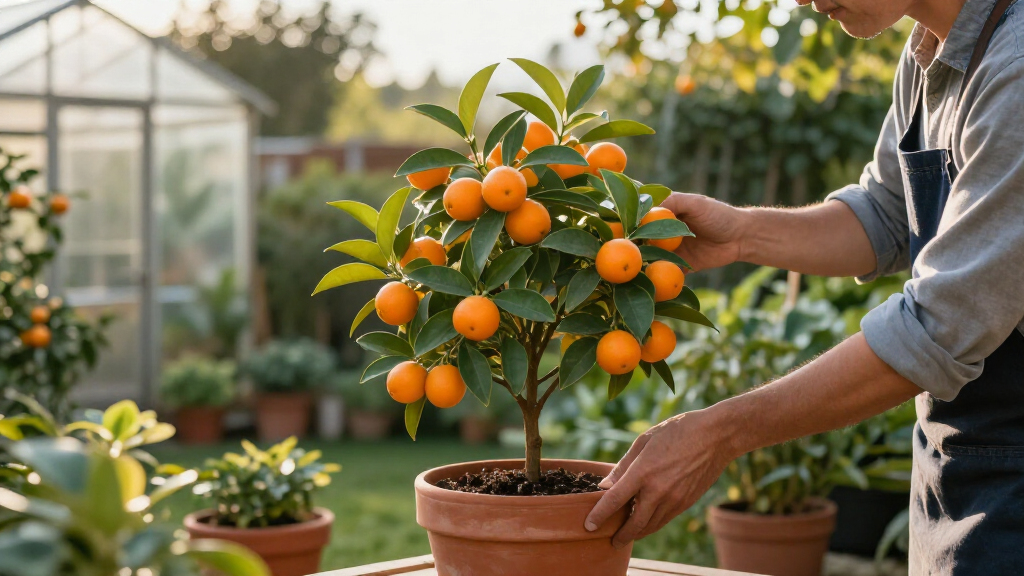
Kumquats grow well in containers, but not all varieties are equally suited. Semi-dwarf and grafted trees are bred for compact growth, making them ideal for pots on patios or balconies. Seedlings may grow taller and more vigorously, requiring more pruning. If you plan to keep your tree in a pot permanently, choose a grafted semi-dwarf with a 3-gallon pot or larger. If you have garden space, any of these trees can go in the ground, but remember that in-ground trees grow larger and need more room.
Frequently Asked Questions
Which kumquat variety is sweeter: Meiwa or Nagami?
Meiwa is the sweeter of the two, with a higher sugar-to-acid ratio and a rounder, juicier flesh that can be eaten whole without puckering. Nagami has a classic tart bite that makes it better for cooking, preserves, and marmalade. If you want to snack on kumquats straight from the tree, choose a Meiwa variety like the one in a 3-gallon pot. If you’re planning to make marmalade or use them in savory dishes, Nagami’s acidity will balance better. Some growers plant both to get the best of both worlds.
How long does it take for a kumquat tree to produce fruit?
Grafted trees, like the Grafted Nagami in a 3–4 foot size, typically produce fruit within 1–2 years of planting because they’re already mature enough to flower. Seedlings and starter plants, on the other hand, need 5–7 years before they reach fruiting age. The pot size also plays a role — a tree in a 3-gallon pot will fruit sooner than one in a 1-gallon pot because the roots have more room to establish. If you want fruit quickly, avoid seeds and tiny seedlings unless you’re prepared for a long wait.
Can I grow a kumquat tree indoors or in a container?
Yes, kumquats are among the best citrus for container growing, and several options on this list are specifically suited for pots. Choose a grafted semi-dwarf variety in a 3-gallon pot, like the Meiwa or Nagami options, and ensure the container has good drainage. Indoors, place the tree near a south-facing window with at least 6 hours of direct sunlight, or supplement with a grow light. In winter, move the container to a protected area if temperatures drop below freezing. Container-grown kumquats stay smaller but still produce full-sized fruit.
What is the most cold-hardy kumquat variety?
Nagami kumquats are the most cold-hardy, tolerating temperatures down to about 20°F once established. Meiwa is slightly less cold-tolerant and may need protection below freezing. If you live in Zone 8b or colder, a Nagami variety is your safest bet for outdoor planting, but you’ll still need to provide frost protection during hard freezes. For colder climates, consider growing in a container that can be moved indoors or into a garage. The Grafted Nagami Semi-Dwarf is a strong choice for cold regions because its rootstock adds resilience.
Is it better to buy a grafted tree or grow from seed?
Grafted trees are the better choice for almost everyone because they produce fruit faster, are true to type, and are usually grown on hardy rootstock. Seeds can be fun and cheap, but they take years to mature and may not produce fruit identical to the parent. The only reason to choose seeds is if you’re on a very tight budget or want to enjoy the long process of growing from scratch. For most home gardeners, the extra cost of a grafted tree pays off in saved time and guaranteed quality.
Conclusion
After comparing all 15 kumquat tree varieties, the right choice depends on your goals. For the best overall pick, the Grafted Nagami Kumquat Tree (Potted Semi-Dwarf, 3–4 ft) offers the fastest path to fruit, proven cold hardiness, and a classic tart flavor that works in the kitchen. If you want the best value and don’t mind a short wait, the Meiwa Sweet Kumquat Tree (3-Gallon Pot) delivers sweeter fruit at a reasonable price for the pot size. For the best premium experience, look for a larger, well-established Meiwa in a 3-gallon pot — it will fruit sooner and produce more. Beginners should start with a grafted semi-dwarf in a 3-gallon pot to avoid the frustration of slow-growing seedlings. If you have a specific need like container growing or cold climates, choose a Nagami variety for hardiness or a compact grafted tree for patio life. Skip the seeds and tiny seedlings unless you’re in it for the long haul.