If you’re seeking the best self-seeding flower seeds, this guide is for you. The Outsidepride Dame’s Rocket stands out as the overall top choice for its ease of naturalization and vibrant blooms. The Wildflower Seeds Bulk Mix is a great budget pick offering a wide variety of flowers for diverse garden needs. However, choosing the right seeds involves tradeoffs: some options prioritize variety over predictability, while others focus on specific pollinators or bloom times. Keep reading for a detailed breakdown of each product and what makes them suitable for different gardening goals.
Complete the kit


Key Takeaways
- Top-ranked options balance seed quality, germination rates, and ease of naturalization for reliable self-seeding.
- Variety is key; mixes often support pollinators but may introduce less control over which flowers return each year.
- Pre-packaged mixes save time but can vary in seed purity and bloom consistency compared to bulk options.
- Many top picks are native or non-GMO to promote sustainable gardening and healthier ecosystems.
- Choosing the right seed depends on your garden size, preferred flower types, and patience for naturalization over time.




More Details on Our Top Picks
Outsidepride Sahara Rudbeckia Seeds – 50 Pcs
This selection stands out for its vibrant, long-lasting blooms that attract pollinators, making it ideal for gardeners seeking continuous color with minimal effort. Compared with the Burpee Wildflower Mix, Sahara Rudbeckia is more drought-tolerant and suited for soil stabilization, though it requires full sun and is an annual—necessitating replanting each year. Its self-seeding nature ensures ongoing growth, but its dependence on full sun can limit placement options. The low-maintenance, erosion-control qualities make it perfect for wildlife gardens, especially in drier climates. However, its annual cycle means it won’t return without replanting each season, which might be a drawback for those seeking perennial solutions.
Pros:- Vibrant, long-lasting blooms attract pollinators
- Drought-tolerant and low-maintenance
- Effective for erosion control and soil stabilization
Cons:- Requires full sun for optimal growth
- Annual plant, needs replanting each year
Best for: Gardeners wanting vibrant, pollinator-friendly flowers with minimal upkeep and erosion control needs.
Not ideal for: Plant enthusiasts seeking perennial, low-replanting solutions or partial shade gardens.
- Quantity:50 Pcs
- Plant Height:20 Inches
- Expected Blooming Period:Summer to Fall
- Sunlight Exposure:Full Sun
- USDA Hardiness Zone:4-9
- Soil Type:Loam
- Soil Moisture Needs:Little To No Watering
- Planting Period:Spring
- Expected Planting Rate:1/2 oz per 1,000 sq ft or 2 lbs per acre
Our verdict“This option suits those wanting a reliable, colorful annual that supports pollinators and soil health, with some replanting effort each year.”
Outsidepride Dame’s Rocket Flower Seeds – 5000 Pcs, Perennial Wildflower for Pollinator Gardens
This package offers an abundance of 5,000 seeds, making it ideal for extensive planting in wildflower or pollinator gardens. Compared with the Wildflower Seeds Bulk Mix, Dame’s Rocket is more fragrant and blooms earlier, from May to August, but it’s a short-lived perennial—meaning replanting may be necessary over time. Its adaptability to various soil types and climates makes it a flexible choice for many gardeners. While its large seed quantity ensures extensive coverage, its blooming period is relatively brief, and it prefers partial sun, which could be limiting in full-sun gardens. Its easy growth and fragrant flowers make it perfect for adding scent and color to sizable areas.
Pros:- Large quantity of seeds for extensive coverage
- Attracts pollinators and adds fragrance
- Easy to grow and adaptable to various soils
Cons:- Short-lived perennial, may require replanting
- Limited blooming window from May to August
Best for: Gardeners planting large, wildflower or pollinator beds who want a fragrant, easy-to-grow perennial.
Not ideal for: Beginners seeking long-term perennial solutions, as Dame’s Rocket may need replanting and has a limited lifespan.
- Expected Blooming Period:Spring
- Sunlight Exposure:Partial Sun
- USDA Hardiness Zone:3
- Expected Plant Height:4 Feet
- Soil Type:Sandy Soil
- Moisture Needs:Little To No Watering
Our verdict“Best suited for those looking to quickly establish a large, fragrant wildflower garden with annual replanting in mind.”
Wildflower Seeds Bulk Mix – 24 Varieties, Non-GMO, Perennial Flowers for Pollinator Gardens, 3 oz
This mix includes 24 perennial wildflower varieties, making it ideal for creating a diverse, naturalistic garden that attracts a broad range of pollinators. Compared with the Burpee Wildflower Mix, this Seed Mix offers more variety and a higher germination rate, especially appealing to gardeners seeking ecological benefits and wildlife support. Its non-GMO status reassures those cautious about seed origin and compatibility. While it provides a vibrant, low-maintenance planting, it requires outdoor space and patience for full blooms to develop. Some varieties may need specific soil conditions, but overall, this mix offers a rich, sustainable planting option for those prioritizing biodiversity.
Pros:- Includes 24 diverse perennial wildflowers
- High germination rate with non-GMO seeds
- Attracts pollinators and supports biodiversity
Cons:- Requires outdoor space and patience for full blooms
- Some varieties may need specific soil conditions
Best for: Eco-conscious gardeners wanting a diverse, perennial wildflower garden that supports local wildlife.
Not ideal for: Urban gardeners with limited outdoor space or those seeking quick, uniform blooms.
- Seeds Quantity:90,000+ seeds (3 oz)
- Varieties:24
- Germination Rate:High
- GMO Status:Non-GMO
- Suitable For:Meadows, cottage gardens, containers
- Planting Season:Spring through fall
- Drought Tolerance:Yes
Our verdict“Ideal for those seeking a sustainable, biodiverse wildflower garden that blooms year after year, with some initial patience required.”
CarpetC 2000+ Larkspur Seeds for Planting – Tall Spikes of Colorful Blooms, Self-Seeding Annual, Rocket Larkspur Delphinium consolida, Non-GMO Heirloom for Cut Flowers & Cottage Gardens
This collection produces tall, vibrant spikes reaching 2-4 feet, perfect for creating striking vertical accents and cut flower arrangements. Compared with the Wildflower Seeds Bulk Mix, Larkspur offers more height and a focused color impact, ideal for cottage gardens and naturalized areas. Its self-seeding nature ensures ongoing blooms without replanting, but it requires cold stratification—pre-sowing refrigeration—for best germination, which can be a hassle for some gardeners. As an annual, it blooms only in summer, and its need for specific sowing conditions might challenge beginners. Nonetheless, its eye-catching spikes make it a favorite for adding height and color to garden borders or floral arrangements.
Pros:- Tall, colorful flower spikes attract pollinators
- Self-seeding and low-maintenance
- Versatile for cut flowers and garden borders
Cons:- Requires cold refrigeration before sowing
- Annual plant, needs replanting each year
Best for: Gardeners wanting tall, colorful flowers for cut arrangements and vertical garden accents, especially in cottage or natural gardens.
Not ideal for: Beginners or those seeking perennial solutions, since it is an annual and needs pre-sowing cold treatment.
- Color:Larkspur
- Expected Blooming Period:Summer
- Sunlight Exposure:Full sun to Partial shade
- Soil Type:Loam
- Soil Moisture Needs:Moderate Watering
- Height:2-4 Feet
- Plant Type:Annual
- Number of Seeds:2000
- Additional Features:Deer Resistant, Drought Tolerant, Extended Bloom Time
Our verdict“Best suited for gardeners seeking a tall, vibrant annual for striking displays and cut flowers, with some initial sowing prep involved.”
Burpee Wildflower 25,000 Bulk Seed Mix, 18 Varieties of Non-GMO Perennial Flowers for Pollinator Garden
This extensive mix covers up to 1,000 square feet with 18 wildflower varieties, making it ideal for gardeners aiming to establish a vibrant, multi-season pollinator habitat. Compared with the Wildflower Seeds Bulk Mix, this Burpee blend emphasizes larger area coverage and includes more perennial options, though germination might vary based on soil conditions. Its ease of sowing and broad adaptability make it a popular choice for large projects, but it requires sunny conditions for optimal growth and patience as perennials establish. The diversity ensures continuous blooms from spring through fall, supporting bees, butterflies, and hummingbirds across seasons.
Pros:- Covers large areas with 25,000 seeds
- Includes 18 diverse perennial varieties
- Supports pollinators from spring to fall
Cons:- Germination rates can vary depending on conditions
- Perennials may take time to fully establish
Best for: Large-scale wildflower projects and pollinator gardens needing ongoing, colorful blooms across multiple seasons.
Not ideal for: Urban gardeners with limited outdoor space or those seeking quick, uniform flowering beds.
- Varieties Included:18
- Seeds Count:25,000
- Coverage Area:Up to 1,000 sq ft
- Seed Type:Perennial, Non-GMO
- Suitable Soil:Most soil types
- Planting Time:After heavy frost
Our verdict“Perfect for gardeners planning a large, biodiverse, and multi-season pollinator garden with patience for full establishment.”
Delphinium Seeds 2000 Pcs – Mixed Colors, Tall, Heat & Drought Tolerant, Self-Seeding Perennial Wildflowers for Flower Arrangements & Pollinator Gardens
This package of delphinium seeds stands out for creating tall, colorful displays that enhance both garden beauty and pollinator support. Compared with the bulk wildflower mix, these seeds produce striking vertical interest, making them ideal for focal points. They are highly adaptable to various climates, especially in zones 3-9, but require regular watering, which can be a drawback in drought-prone areas. Their self-seeding nature means they can naturalize over time, though this may lead to spreading beyond desired borders. Their drought tolerance and pollinator attraction make them a reliable choice for gardeners seeking ecological benefits along with visual appeal.
Pros:- Vibrant, colorful blooms that add visual focal points
- Tall growth up to 36 inches enhances garden structure
- Drought and heat tolerant, suitable for various climates
- Attracts bees and butterflies, supporting local pollinator populations
Cons:- Requires regular watering for consistent growth
- Self-seeding can lead to unintended spread in the garden
Best for: Gardeners wanting a show-stopping perennial that supports pollinators and adds vertical dimension
Not ideal for: Gardeners seeking low-maintenance, self-contained flower beds with minimal watering needs
- Quantity:2000 pcs
- Colors:Mixed
- Plant Height:36 inches
- Tolerance:Heat & Drought Tolerant
- Growth Habit:Self-Seeding Perennial
- Blooming Period:Summer
Our verdict“This pick is best for those looking for tall, striking flowers that support pollinators and thrive in diverse climates, accepting some watering needs and potential spread.”
Heirloom California Poppy Seeds – 4000pcs Non-GMO, Self-Seeding, Adaptable Flowers for Garden
Offering a large quantity of 4,000 seeds, these California poppy seeds deliver vibrant, long-lasting blooms that brighten garden borders or wildflower meadows. Compared to the more specialized delphinium, these poppies are easier to grow and require less attention, making them well-suited for low-maintenance gardens. Their self-seeding characteristic ensures continuous color year after year, but gardeners should be aware that germination can take some time and spreading may occur in areas where it’s not desired. Their adaptability and natural beauty make them an excellent choice for those seeking extensive coverage without fuss.
Pros:- Large seed quantity for extensive planting
- Non-GMO heirloom for natural, vibrant flowers
- Self-seeding for ongoing blooms without replanting
- Highly adaptable to different soils and climates
Cons:- Germination may take time, delaying blooms
- Self-seeding can lead to spontaneous spreading
Best for: Budget-conscious gardeners wanting abundant, low-effort color across large garden spaces
Not ideal for: Gardeners seeking tall, structural flowers or precise border plants
- Seed Count:4000 pcs
- Material:Non-GMO seeds
- Growth Habit:Self-seeding, adaptable
- Usage:Indoor and outdoor
- Weight:0.03 Pounds
Our verdict“Ideal for gardeners wanting a prolific, easy-to-maintain display of bright blooms with minimal fuss and costs.”
200,000+ Wildflower Seeds Bulk (4oz) – 16 Varieties Perennial & Annual Mix for Pollinator Gardens
This bulk wildflower seed mix provides over 200,000 seeds across 16 diverse varieties, making it perfect for creating expansive pollinator-friendly areas. Compared with the individual-focused delphinium or poppy options, this mix offers rapid coverage and a broad spectrum of blooms from spring to fall, attracting bees, butterflies, and hummingbirds alike. Its fast germination, typically within 7-20 days, and suitability for zones 3-9 make it versatile. However, some taller varieties may require staking, and the wide range of species can lead to uneven growth if not managed properly. This mix suits those seeking a quick, colorful habitat for pollinators over large areas.
Pros:- Huge quantity of seeds for extensive planting
- Diverse varieties attract multiple pollinators
- Fast germination and long bloom season
- Resealable packaging maintains seed freshness
Cons:- Tall varieties may need staking or support
- Requires full sun for best results
- Growth may be uneven due to variety differences
Best for: Community gardens, school projects, or large property owners aiming to support pollinators with minimal effort
Not ideal for: Small garden beds where targeted planting of specific flowers is desired
- Quantity:200,000+ seeds
- Varieties:16
- Type:Perennial & Annual Mix
- Coverage:Generous
- Germination Time:7-20 days
Our verdict“Best suited for large-scale projects prioritizing quick, colorful, pollinator-attracting coverage with minimal effort.”
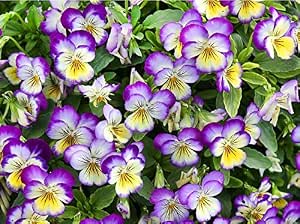
100 Viola Johnny Jump-Up Flower Seeds Heartsease Purple-Yellow
The Viola Johnny Jump-Up seeds produce charming purple and yellow blooms that add delicate color to garden beds and containers. Compared with the taller delphinium or wildflower mixes, these are compact, growing only 5-6 inches tall, making them ideal for borders or container gardening. They are self-seeding but require specific soil temperatures (around 70°F) for reliable germination, which can limit their success in cooler or fluctuating conditions. Starting indoors ensures better results, but patience is needed as germination can be slow. This variety suits gardeners seeking a decorative touch with a manageable size and color contrast.
Pros:- Vivid purple and yellow blooms add cheerful color
- Compact size fits well in small gardens or containers
- Self-seeding for ongoing decoration
- Decorative and versatile for garden beds
Cons:- Requires specific soil temperature for germination
- Needs indoor starting for best success
- Sensitive to temperature fluctuations
Best for: Gardeners wanting a charming, low-growing flower for borders or containers, willing to start indoors
Not ideal for: Large-scale planting or gardeners seeking tall, dramatic flowers
- Color:Purple-Yellow
- Height:5-6 inches
- Type:Self-seeding Biennial
- Soil Temperature:70°F
- Soil Type:Rich, well-drained
- pH Range:5.8 – 6.8
Our verdict“Suitable for small-scale, decorative planting where gardeners are prepared to manage soil and starting conditions carefully.”
Groundio Wildflower Seeds Mix – 25,000+ Seeds, 24 Varieties for Hummingbirds and Butterflies, 1 Oz
This wildflower seed mix includes over 25,000 seeds across 24 varieties, designed for fast, colorful coverage that attracts hummingbirds, butterflies, and bees. Compared with the larger bulk options, this mix offers a curated selection aimed at quick results and high pollinator appeal. Its germination time of just 5-10 days makes it suitable for spring and summer planting, and the seeds are packaged in a waterproof, resealable pouch that maintains freshness. Some taller varieties may require staking, and growth can be uneven depending on the climate. This mix is perfect for gardeners wanting vibrant, pollinator-friendly patches in smaller areas or as a gift for enthusiasts.
Pros:- High seed count ensures quick, dense coverage
- Diverse varieties attract multiple pollinators
- Fast germination supports season-long blooms
- Waterproof packaging preserves seed quality
Cons:- Some taller flowers may need staking
- Coverage area limited to about 194 sq ft
- Growth and flowering depend on climate conditions
Best for: Small to medium gardens or balcony projects seeking rapid, colorful pollinator habitat
Not ideal for: Large-scale meadow projects where larger quantities are needed without specific variety control
- Seed Count:25,000+ seeds
- Varieties:24
- Coverage Area:194 sq ft
- Germination Time:5-10 days
- Flowering Time:35-75 days
Our verdict“Ideal for gardeners seeking quick, colorful pollinator gardens in smaller spaces with minimal hassle.”
Outsidepride Gloriosa Daisy Rudbeckia Seeds – 5000 Pcs Perennial Flower Seeds for Pollinator Gardens & Erosion Control
This seed pack stands out for its vibrant, long-lasting blooms that attract pollinators, making it ideal for gardeners seeking a low-effort, eco-friendly addition. Compared with the Seed Needs Hummingbird and Butterfly Mix, these Rudbeckia seeds are more specialized in erosion control and soil stabilization, which makes them perfect for slopes or degraded areas. However, they require full sun to perform well and may spread aggressively due to their self-seeding nature, which could be a concern for small or contained gardens. This pick makes the most sense for those prioritizing drought-tolerance and soil health over tight seed control or a broad flower palette.
Pros:- Vibrant, long-lasting blooms that attract pollinators
- Drought-tolerant and low-maintenance
- Supports soil stabilization and erosion control
- Self-seeding for continuous growth
Cons:- Requires full sun for best performance
- May spread aggressively due to self-seeding
- Limited details on soil preference, which could affect growth
Best for: Gardeners looking to create a hardy, pollinator-friendly landscape that doubles as erosion control in full sun areas.
Not ideal for: Urban gardeners with limited space or those preferring non-spreading annuals, as these seeds can self-seed prolifically and require full sun.
- Item Weight:0.05 Pounds
- Unit Count:5000
- Color:Gloriosa
- Expected Blooming Period:Summer to Winter
- Sunlight Exposure:Full Sun
- USDA Hardiness Zone:3
- Expected Plant Height:30 Inches
- Soil Type:Loam
- Soil Moisture Needs:Little To No Watering
Our verdict“This is an excellent choice for gardeners wanting a durable, pollinator-friendly perennial that stabilizes soil and requires minimal watering.”
Seed Needs Flower Seeds Hummingbird and Butterfly Mix 1 Ounce Bulk Pack
This mix makes the most sense for gardeners who want a colorful, easy-to-establish garden attracting a variety of pollinators, including hummingbirds, butterflies, and bees. Unlike the more specialized Rudbeckia seeds, this vibrant blend offers a broad palette of annuals and perennials, ensuring continuous bloom throughout the growing season. Its simplicity in planting and minimal effort for germination makes it ideal for beginners or those wanting quick results. However, it requires proper sunlight and watering, and some seeds might not germinate if conditions aren’t ideal, which could lead to uneven coverage. Compared to the 25-variety wildflower mix, this is a more targeted option for immediate pollinator attraction.
Pros:- Vibrant mix of flowers that attract pollinators
- Easy to grow from seed with minimal effort
- Bulk quantity offers good value and sharing potential
- Non-GMO and heirloom seeds
Cons:- Requires proper sunlight and watering for best results
- Some seeds may not germinate if conditions are poor
- Less diversity compared to larger wildflower mixes
Best for: Beginners seeking a straightforward, colorful pollinator garden with minimal fuss and quick results.
Not ideal for: Experienced gardeners wanting a highly diverse or long-term wildflower meadow, as their germination might be less predictable and less varied than larger mixes.
- Quantity:1 Ounce
- Seed Types:Wildflower, Annual, Perennial
- Attracts:Butterflies, Hummingbirds, Bees
- Packaging:Tear and moisture resistant
Our verdict“This seed pack is perfect for gardeners wanting quick, colorful, and pollinator-friendly blooms with minimal complication.”
100,000+ Wildflower Seeds Bulk (4oz) – 25 Varieties Annual & Perennial Mix, Pollinator-Friendly Garden Seeds
This extensive mix makes the most sense for serious gardeners or community projects aiming for a vibrant, year-round display that supports ecosystem health. Compared with the Seed Needs Hummingbird and Butterfly Mix, this 25-variety collection offers broader biodiversity and resilience, making it ideal for large gardens or wildflower meadows. Its diverse mix ensures blooms throughout the season and attracts a wide range of pollinators. On the downside, germination times can vary, and it demands sunny, well-drained soil for best results. The generous 4 oz package also makes it a good gift for passionate gardeners wanting to create a large, sustainable habitat.
Pros:- Diverse mix of 25 wildflower varieties for continuous blooms
- Attracts beneficial pollinators like bees, butterflies, and hummingbirds
- Easy to grow, drought-tolerant, adaptable to various soils
- Premium resealable packaging suitable as a gift
Cons:- Germination time may vary depending on conditions
- Requires sunny, well-drained soil for optimal growth
- Large seed amount may be excessive for small gardens
Best for: Experienced gardeners and landscapers seeking a highly diverse, pollinator-attracting wildflower meadow with year-round appeal.
Not ideal for: Small gardens or container planting, as the large seed quantity and diversity might be overwhelming or unnecessary in limited spaces.
- Weight:4 oz
- Varieties:25
- Type:Annual & Perennial Mix
- Usage:Outdoor
- Blooming Period:Year Round
- Sunlight Exposure:Full Sun
- Materials & Care:Heirloom
Our verdict“This mix best suits passionate gardeners aiming to establish a large, resilient, and pollinator-friendly wildflower habitat with year-round color.”
How We Picked
Our evaluation focused on seed quality, germination success, ease of naturalization, and overall value. We examined product descriptions, customer reviews, and seed composition to determine reliability and diversity. Priority was given to options that support pollinators, are non-GMO, and are suited to different climates and garden conditions. The ranking reflects a balance between affordability, performance, and versatility, aiming to suit both novice and experienced gardeners seeking self-sowing plants that return year after year.Factors to Consider When Choosing Best Self-seeding Flower Seeds
When selecting self-seeding flower seeds, it’s important to consider several factors that influence how well they perform in your garden. Understanding these can help prevent common mistakes like overbuying or choosing seeds unsuitable for your climate. The right choice depends on your goals—whether you want a wildflower meadow, pollinator support, or low-maintenance borders. Below, I cover key considerations to help you make an informed decision.Seed Variety and Bloom Type
Choosing a mix or specific flower type impacts the garden’s look and ecological benefits. Mixes can offer a broad spectrum of colors and attract various pollinators, but may result in less predictable flower return. If you prefer a specific flower, select seeds designed for that purpose, keeping in mind that some may not self-seed as reliably. Consider your aesthetic preferences and ecological goals when deciding between single-species seeds or diverse mixes.
Native and Non-GMO Seeds
Opting for native or non-GMO seeds tends to promote healthier ecosystems and reduces risks of invasive spread. Native seeds are adapted to your climate and soil, often establishing more quickly and reliably. Non-GMO options typically avoid genetic modifications that could affect germination or growth. Investing in quality seeds with these traits can lead to a more successful, sustainable garden with self-sowing plants that thrive naturally.
Seed Purity and Germination Rate
High seed purity and germination rates increase the likelihood of successful self-seeding and vibrant blooms. Lower-quality seeds may produce inconsistent results or require more replanting. Reading customer reviews and product specs can provide insight into seed viability. For best results, choose reputable brands that provide detailed germination information and have a track record of reliable performance.
Climate Compatibility
Not all flower seeds perform equally across different climates. Consider your USDA hardiness zone and local rainfall patterns. Drought-tolerant and heat-resistant seeds are better suited for warmer areas, while moisture-loving varieties thrive in cooler, wetter conditions. Matching seed choices to your environment enhances self-seeding success and reduces the need for extra care or replanting.
Longevity and Maintenance
Some seeds are designed to self-seed annually, while others can persist for multiple years. Think about how much maintenance you’re willing to do; mixes that self-seed reliably over several seasons reduce planting effort. However, overly vigorous self-seeders may become invasive or crowd out other plants if not managed properly. Balance your desire for low-maintenance with the need to control spread and maintain garden aesthetics.
Frequently Asked Questions
Will self-seeding flower seeds spread uncontrollably in my garden?
While many self-seeding seeds are designed to naturalize and return year after year, their spread can vary depending on the species and local conditions. Some plants, like poppies or rudbeckias, tend to stay relatively contained, especially if you manage seed dispersal annually. Others, like wildflowers or certain mixes, might spread more vigorously, which can be beneficial or problematic depending on your goals. Proper garden planning and occasional management help keep self-seeding under control while enjoying naturalized beauty.
Are mixed wildflower seeds better than single-species seeds for self-seeding gardens?
Mixes often provide a broader range of colors and ecological benefits, attracting diverse pollinators and supporting biodiversity. However, they can also introduce variability in bloom times and seedling vigor, making garden planning more unpredictable. Single-species seeds tend to self-seed more reliably if they are well-suited to your climate, offering more control over which flowers return. Your choice depends on whether you value diversity over predictability or vice versa.
How long does it take for self-seeding flowers to establish and bloom?
The time frame varies by species, but most self-seeding flowers typically germinate within a few weeks after planting and may bloom in their first or second year. Certain hardy perennials, like rudbeckias, can self-seed and bloom the following season, while annual mixes might require replanting or naturalization over multiple seasons. Patience is usually necessary, especially for native or less-common varieties, but the reward is a natural, self-sustaining garden.
Can I start self-seeding flowers indoors before planting outside?
Starting self-seeding flowers indoors is generally not necessary since they are designed to spread naturally in the garden. However, if you want to give seedlings a head start, choose hardy varieties that tolerate transplanting and grow them in containers with good drainage. Keep in mind that many self-seeders prefer direct sowing into prepared soil to mimic their natural dispersal. Starting indoors might offer some control, but it can also restrict natural seed spread, which is central to their appeal.
What is the best time of year to plant self-seeding flower seeds?
The ideal planting time depends on your climate and the species involved. Most self-seeding flowers are best sown in early spring after the danger of frost has passed, allowing plants to establish and self-seed throughout the growing season. In milder climates, fall sowing can also work, as seeds will overwinter and germinate in early spring. Always check specific planting instructions for your chosen varieties to ensure successful naturalization.