Choosing the right aeroponic cloning machine for large-scale propagation requires balancing capacity, ease of use, and reliability. For 2026, the Oxyclone OX20SYS stands out as a highly capable option with 20 sites and advanced aeration features, making it ideal for serious growers. While it offers impressive yield potential, its size and complexity might be overkill for small operations. To help you decide, I’ll compare it with other top contenders, highlighting key differences, tradeoffs, and who each model is best suited for.
Key Takeaways
- The Oxyclone OX20SYS offers a large capacity with 20 sites, suitable for commercial or large hobby growers.
- Capacity is a key factor; larger systems like the OXYclone handle more clones but require more space and maintenance.
- Aeration efficiency impacts rooting success; systems with advanced oxygenation features tend to produce faster, healthier roots.
- Ease of setup and durability vary; heavy-duty plastic and simple design make some units more reliable long-term.
- Price and complexity correlate; bigger systems often cost more and need more technical know-how.
| Oxyclone OX20SYS 20 Site, Compact Recirculating Cloning Propagation System, Heavy Yields |  | Best Overall for Large Capacity and Reliability | Water Capacity: 1.75 gallons | Number of Sites: 20 | Pump Power: 160 GPH | VIEW LATEST PRICE | See Our Full Breakdown |
More Details on Our Top Picks
Oxyclone OX20SYS 20 Site, Compact Recirculating Cloning Propagation System, Heavy Yields
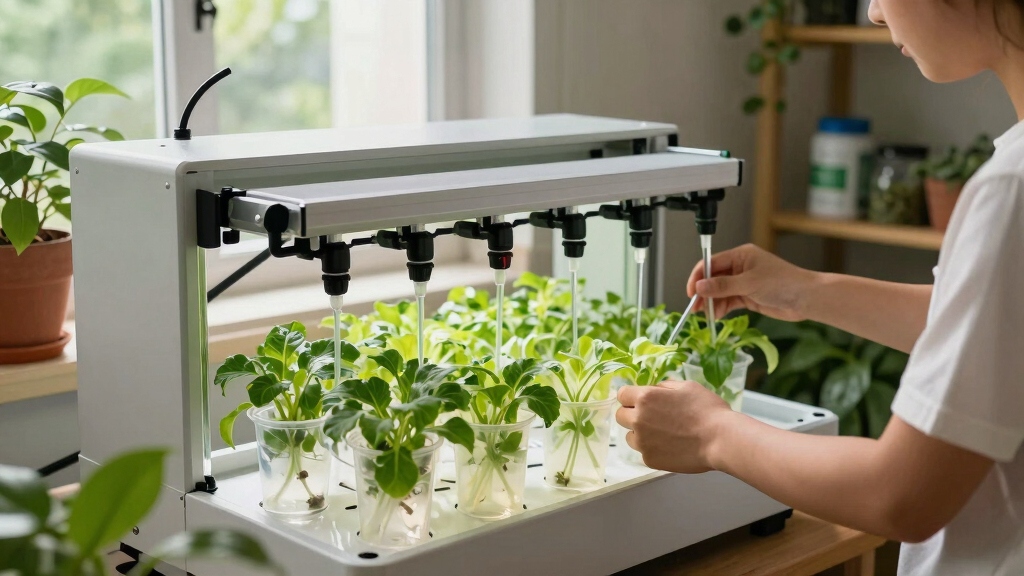
The Oxyclone OX20SYS stands out for its robust 20-site capacity, making it ideal for commercial growers or dedicated hobbyists. It features advanced aeration with a Venturi valve and a powerful submersible pump, ensuring excellent oxygenation—key for fast, healthy root development. Compared with smaller systems, this model handles more clones without sacrificing oxygen quality. However, its size and complexity mean it requires more space and some familiarity with aeroponic systems. The sturdy BPA-free construction promises durability, but the initial setup can be slightly more involved.
Pros:- High capacity of 20 sites for large-scale propagation
- Excellent oxygenation ensures healthy roots
- Heavy-duty, BPA-free plastic construction
- Includes comprehensive kit with pumps, tubing, and aeration accessories
Cons:- Requires more space and setup time
- Higher price point compared to smaller systems
- Slightly heavier and bulkier for portability
Best for: Serious growers needing high capacity and reliable performance
Not ideal for: Small hobbyists or growers with limited space
- Water Capacity:1.75 gallons
- Number of Sites:20
- Pump Power:160 GPH
- Voltage:120V
- Material:BPA-free plastic
- Dimensions:13.8 x 10.8 x 6.3 inches
Bottom line: This system delivers the capacity and aeration performance needed for large-scale cloning, making it a top choice for professional growers willing to invest.
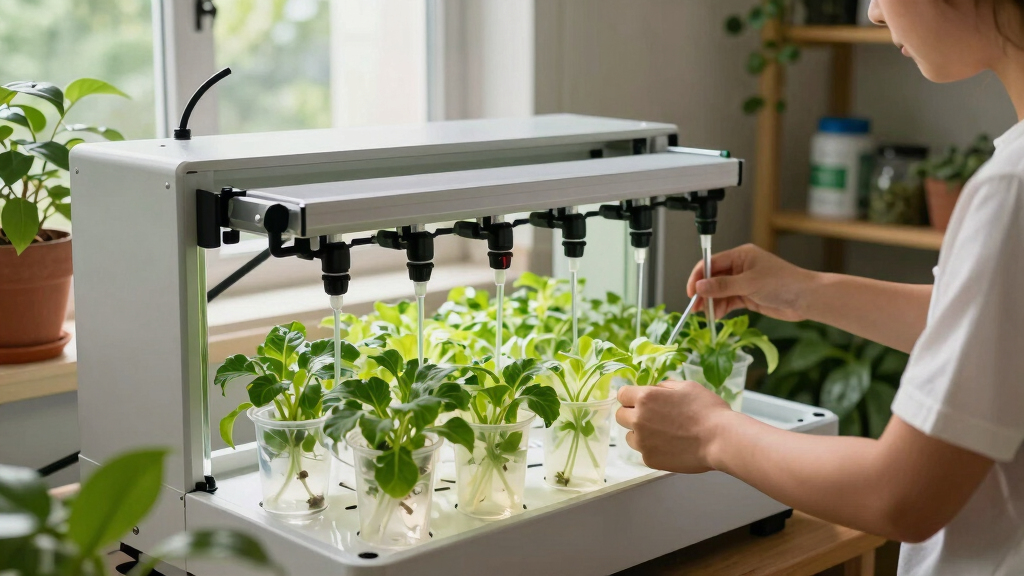
How We Picked
To select the best large-capacity aeroponic cloning machines, I focused on models that combine high clone capacity, robust aeration features, and user reviews. I compared technical specs, ease of use, build quality, and customer feedback. Priority was given to systems with proven performance in large-scale environments, balancing cost with durability. I eliminated overly complex or small-capacity options, emphasizing solutions suitable for serious growers requiring consistent, high-yield cloning.
Factors to Consider When Choosing Best Aeroponic Cloning Machine Large Capacity
When selecting a large-capacity aeroponic cloning machine, the key factors include capacity, aeration quality, ease of maintenance, and build durability. Bigger systems can support more clones simultaneously, but they also demand more space and investment. Understanding how these features translate into real-world results helps you choose a system that matches your scale and expertise.
Capacity and Scalability
Determine how many clones you need to produce at once. Large systems like the Oxyclone OX20SYS handle 20 sites, ideal for commercial or intensive hobby setups. Smaller systems might only support 10 or fewer sites, which could limit your growth potential but save space and cost.
Aeration and Root Development
Good oxygenation is vital for rapid root growth. Look for systems with features like Venturi valves, air stones, or powerful pumps. Systems with superior aeration tend to produce healthier roots faster, but they can be more complex or expensive.
Build Quality and Ease of Maintenance
Heavy-duty plastics and simple designs improve longevity and ease of cleaning. Some systems include all-in-one kits, reducing setup complexity, while others require additional accessories. Consider your technical comfort level and the environmental conditions of your grow space.
Cost and Space Requirements
High-capacity systems cost more and need more room. Balance your budget with your available space and your future growth plans. Investing in a slightly larger system might be worthwhile if you anticipate scaling up quickly.
Frequently Asked Questions
What is the ideal capacity for a large-scale aeroponic cloning machine?
The ideal capacity depends on your operation size. For commercial or large hobbyist growers, systems supporting 15-20 clones or more are ideal, providing enough throughput for efficient scaling. Smaller setups might suffice for personal use or limited production but won’t meet high-volume needs.
How does aeration affect cloning success in these systems?
Aeration directly influences root health and growth speed. Superior aeration ensures roots are oxygen-rich, reducing the risk of rot or poor development. Systems with features like Venturi valves or high-output air pumps tend to produce faster, healthier roots, which is crucial in large-capacity setups where bulk production matters most.
Are larger systems more difficult to maintain?
Generally, yes. Bigger systems often have more parts, such as additional tubing or pumps, which can complicate cleaning and maintenance. However, models designed with user-friendly features and durable materials can mitigate these issues, making upkeep manageable even at high capacities.
Can I expand my cloning capacity later if I start small?
Many growers prefer modular systems or adding extra units over time. While some larger systems are designed for scalability, most require dedicated space and upfront investment. Carefully consider your long-term growth plans before choosing a system, as seamless expansion may not always be possible without replacing or upgrading your setup.
What are the main tradeoffs when choosing a large-capacity aeroponic cloning machine?
The primary tradeoffs involve size, cost, and complexity. Larger systems support more clones but need more space and higher initial investment. They also tend to require more technical knowledge for setup and maintenance. Balancing capacity with your space constraints and skill level is key to making the right choice.
Conclusion
If you operate on a commercial scale or require a high volume of clones regularly, investing in the Oxyclone OX20SYS makes the most sense, thanks to its capacity and aeration quality. Hobbyists with limited space or lower cloning needs should consider smaller, simpler systems. For those planning to scale up quickly, choosing a system with modular features or upgrade options can save time and money in the long run. Ultimately, matching capacity with your operational demands and technical comfort will lead to the best results.