Choosing the best banana plants for gardens depends on your climate, space, and growing goals. The best overall pick is the Dwarf Cavendish Banana Tree, known for its manageable size and reliable fruiting. For cold climates, the Greenwood Nursery Musa Basjoo stands out as a hardy option, while the California Gold Banana offers an excellent choice for those seeking super cold tolerance. The main tradeoffs involve balancing size, hardiness, and yield potential. Continue reading for a detailed breakdown to find the perfect fit for your garden.
Open a free Amazon Business account
Business pricing, bulk buying and tax-exempt orders.
Create a free accountAs an affiliate, we earn on qualifying purchases.
Complete the kit


Key Takeaways
- Hardiness and climate adaptability are the most decisive factors in selecting banana plants for outdoor gardens.
- Dwarf varieties provide easier maintenance and manageability for small to medium spaces.
- Cold-hardy options like Musa Basjoo expand growing zones but may produce less fruit or require special care.
- Bulk sets and starter plants offer cost savings but may require more patience and care to establish.
- Choosing the right banana plant depends on balancing size, fruiting expectations, and local climate conditions.


| banana plants for garden | Plant Type |
|---|---|
| Dwarf Cavendish Banana Tree | Dwarf Cavendish Banana |
| Dwarf Cavendish Banana Plants | — |
| Gran Nain Banana Tree | — |
| Banana Plants Double | Dwarf Cavendish mutation |
| Banana Trees Grand Nain | Banana Tree |
| Greenwood Nursery Live Perenni | Deciduous |
| Generic Namwah Banana Tree | Dwarf Banana Tree |
| California Gold Banana Plant | — |
| Dwarf Cavendish Banana Tree Li | Musa Dwarf Cavendish |
More Details on Our Top Picks
Dwarf Cavendish Banana Tree (4 Pack) Live Banana Plants for Sale
This set of four Dwarf Cavendish banana plants stands out for combining ease of care with the reward of edible fruit, making it a top pick for home gardeners seeking a tropical vibe without extensive effort. Compared to the Gran Nain pack, these are slightly smaller and more manageable for casual gardeners, though they may take longer to fruit. Their lush foliage instantly adds a tropical touch, and the plants can produce fruit in suitable climates or indoors. The main tradeoff is that they require a warm environment or indoor care in cooler zones, which might be a challenge for some. Overall, this set offers a well-balanced mix of aesthetics and functionality, ideal for gardeners prioritizing ease and edible yields.
Pros:- Easy to grow and maintain
- Produces fresh, edible bananas
- Enhances garden aesthetics with lush, tropical foliage
- Promotes sustainability and self-sufficiency
Cons:- Requires warm climate or indoor care in cooler areas
- Longer time to fruit compared to commercial bananas
Best for: Home gardeners wanting an easy-to-maintain, edible banana plant kit for landscape or indoor use
Not ideal for: Gardeners in cooler climates expecting quick fruiting or who prefer cold-hardy varieties
- Pack Size:4 plants
- Plant Type:Dwarf Cavendish Banana
- Use:Edible fruit, ornamental
Our verdict“This set offers a strong balance of ease, aesthetic appeal, and edible production for dedicated home growers in suitable climates.”
Dwarf Cavendish Banana Plants – Set of 4
This set of four Dwarf Cavendish banana plants offers a straightforward starting point for new gardeners, with plants shipped small—3 to 6 inches tall—and ready for organic potting soil. Compared with the larger, more mature Grand Nain plants, these are less intimidating to handle initially and ideal for indoor or patio cultivation. However, their small size means they will need time and proper care to reach fruiting maturity, which might not satisfy those seeking quick results. The plants’ compact size makes them suitable for limited spaces, but they demand patience and attentive care to thrive.
Pros:- Includes four healthy young plants
- Compact size suitable for small spaces
- Easy to start with organic potting soil
- Good choice for beginners
Cons:- Plants are small and need time to mature
- Require proper care and patience for fruiting
Best for: Beginner gardeners interested in starting banana cultivation with limited space and patience for growth
Not ideal for: Gardeners seeking immediate fruit production or large outdoor plants from the start
- Number of Plants:4
- Plant Height:3-6 inches
- Pot Size:2 inches
Our verdict“Ideal for beginners willing to nurture small plants into fruit-bearing trees over time, especially in limited spaces.”
Gran Nain Banana Tree (Grand Nain) Live Plant – Musa acuminata – 2-Pack
The Gran Nain Banana Trees in this 2-pack are ideal for gardeners seeking mature, lush greenery that can reach 8 to 10 feet outdoors. Compared with smaller or dwarf varieties like the Dwarf Cavendish options, these deliver a more substantial tropical presence and larger harvest potential. They require well-drained, rich soil and warm temperatures above 35°F, which makes them better suited for outdoor zones 8-11. The tradeoffs include the need for space and ongoing fertilization, which might be challenging for smaller gardens or indoor setups. For those with outdoor room, these trees offer a vibrant, fruit-producing landscape feature.
Pros:- Suitable for outdoor, large-scale planting
- Adds lush greenery and tropical appeal
- Produces abundant, edible bananas with proper care
- Generates a substantial backyard tropical effect
Cons:- Requires warm temperatures and space
- Needs regular fertilization and care
- Mature height can be difficult in limited space
Best for: Gardeners with outdoor space in warm zones seeking a mature, high-yield banana plant
Not ideal for: Indoor gardeners or those in cooler climates who cannot provide the necessary outdoor conditions
- Mature Height:8-10 feet
- Zone:8-11
- Plant Size upon Arrival:3-8 inches in height
- Fertilizer Ratio:3:1:6
Our verdict“Best for gardeners with outdoor room in warm zones who want a large, fruiting banana plant that makes a statement.”
Banana Plants Double (Mahoi) – Set of 4
This set of four Mahoi banana plants specializes in producing multiple large, sweet fruit heads per plant, often two or even three, making them appealing for fruit lovers. Their dwarf size—5 to 7 feet tall—coupled with wind-resistant large leaves, makes them suitable for patios or indoor gardens. Compared to the Dwarf Cavendish, these plants prioritize fruit production and resilience in wind, but they require an initial 4 to 7 weeks in pots before outdoor planting, and they need consistent moisture and organic soil. Their robust fruiting makes them a good choice for those seeking a high-yield, ornamental edible plant in smaller spaces.
Pros:- Produces multiple large, sweet fruit heads
- Dwarf size suitable for patios and indoors
- Sturdy, wind-resistant large leaves
- Good for high-yield fruit production
Cons:- Requires initial potting for 4-7 weeks
- Needs consistent moisture and organic soil
Best for: Gardeners wanting a wind-resistant, high-yield banana with large fruit in patio or indoor settings
Not ideal for: Gardeners who prefer quick results or lack the patience for initial potted care
- Number of Plants:4
- Plant Height:5-7 feet
- Plant Type:Dwarf Cavendish mutation
- Sunlight:Full sun or partial shade
- Soil pH Range:6.5-8
- Shipping Size:3-6 inches tall
Our verdict“Excellent for those seeking multiple large fruits with wind resistance in limited spaces, provided they can manage the initial setup.”
Banana Trees Grand Nain (4 Pack) | Easy to Grow Banana Plants | Edible Fruit Live Plant for Sustainable Living
The Grand Nain banana plants in this 4-pack are known for their vigorous growth and high yield, making them a practical choice for gardeners aiming for abundant fruit. Compared with the Dwarf Cavendish options, these are slightly larger and faster-growing, suitable for both indoor and outdoor spaces. They arrive healthy and ready to thrive, but still require proper care and room to grow fully outdoors. Their versatility means they can create a tropical or edible landscape easily, but they do need attentive maintenance and enough space to reach their full potential.
Pros:- High yield of sweet, flavorful bananas
- Fast-growing and vigorous
- Compact size suitable for small spaces
- Versatile for indoor or outdoor gardening
Cons:- Requires proper care and maintenance
- May need space for full growth outdoors
- Shipping conditions can impact plant health
Best for: Gardeners seeking high-yield, fast-growing banana plants for small outdoor or indoor gardens
Not ideal for: Gardeners with limited space or those expecting immediate fruiting without proper care
- Quantity:4 Pack
- Plant Type:Banana Tree
- Variety:Grand Nain
- Pot Size:2-inch
Our verdict“Ideal for gardeners wanting quick, abundant banana production in small spaces with attentive care.”
Greenwood Nursery Live Perennial Plants – Musa Basjoo Cold Hardy Banana – 2 Pint Pots
This Musa basjoo stands out for its impressive cold hardiness and tropical aesthetic, making it a top choice for gardeners in cooler climates who want an exotic look without needing a tropical climate. Compared with the California Gold plant, it reaches a taller height and offers more robust growth, but it requires winter protection below 32°F, which adds some extra care. Unlike dwarf varieties, its potential height of up to 20 feet makes it less suitable for small spaces, but it provides a dramatic focal point in suitable gardens. It blooms with yellow flowers and produces ornamental fruits, enhancing visual interest, though the fruits are inedible. If you want a hardy, fast-growing banana that can adapt to outdoor conditions in zones 5-10, this is a reliable option. It’s perfect for those willing to provide winter protection and looking for a landscape statement.
Pros:- Adds a tropical aesthetic to gardens and patios
- Cold hardy and suitable for zones 5-10
- Fast-growing with vibrant yellow flowers
Cons:- Requires winter protection below 32°F
- Flowers produce inedible ornamental fruits
- Plant height may be too large for small spaces
Best for: Gardeners in zones 5-10 seeking a tropical-looking, hardy banana for landscape or patio use
Not ideal for: Small-space gardeners or those unwilling to provide winter protection below freezing temperatures
- Category:Perennials
- Plant Type:Deciduous
- Light Requirement:Full Sun, Partial
- Soil Condition:Well Drained
- Bloom Season:Summer
- Mature Height:10 – 20ft
Our verdict“This banana is ideal for those in cooler climates wanting a large, tropical-looking plant with hardy characteristics, provided winter protection is feasible.”
Generic Namwah Banana Tree – 4-6 Inches Tall Starter Plant – Cold Hardy Banana Tree to 10°F – Dwarf Banana – Ideal for Home Gardens and Tropical Landscapes
The Namwah banana starter plant offers a quick way to grow edible bananas with minimal fuss, making it an excellent choice for beginners or gardeners with limited space. At just 4-6 inches tall, it requires patience to reach fruiting size, unlike the Greenwood Musa Basjoo, which provides immediate visual impact but isn’t edible. Its hardiness to 10°F and zone 8-11 compatibility means it’s best suited for warmer regions, limiting its appeal for colder climates. Its low-maintenance nature and compact size make it perfect for those new to tropical gardening or with limited outdoor space. However, it demands full sun and warm temperatures, and it won’t produce fruit in cooler zones, which can disappoint impatient growers expecting quick harvests. This pick makes the most sense for gardeners in suitable zones seeking a straightforward, edible banana plant.
Pros:- Produces sweet, creamy bananas suitable for eating and cooking
- Fast-growing and low-maintenance
- Ideal for warm climates and small spaces
Cons:- Limited to zones 8-11, not suitable for colder regions
- Requires full sun and warm conditions to thrive
- Small at delivery, needing time to mature
Best for: Beginners or gardeners in zones 8-11 wanting an easy-to-grow edible banana
Not ideal for: Gardening in colder zones or those seeking immediate fruit production in the first season
- Size:4-6 inches tall
- Hardiness Zone:8-11
- Temperature Tolerance:to 10°F
- Plant Type:Dwarf Banana Tree
Our verdict“This dwarf banana is best for new growers in warm zones who want a low-effort plant that eventually bears edible fruit.”
California Gold Banana Plant – Super Cold Hardy Live Plant
The California Gold Banana stands out for its compact size and exceptional cold tolerance, making it a prime pick for gardeners in zones 8 to 11 who want a tropical look without the need for warm, frost-free environments year-round. Compared to the Greenwood Musa Basjoo, it stays smaller, topping out at 5 to 7 feet, which makes it perfect for patios, balconies, or small gardens. Its ability to produce medium-sized, sweet bananas adds practical value, though fruiting can take up to 24 months, similar to other ornamental varieties. Its lush foliage and golden-yellow fruit provide a tropical vibe with less winter fuss — but in colder regions, it still needs winter protection or mulching. This is an excellent choice for those in cooler zones wanting a manageable, ornamental banana that can also bear fruit.
Pros:- Cold-hardy and suitable for cooler climates
- Compact size ideal for small gardens and containers
- Produces sweet, medium-sized bananas
Cons:- Requires protection during severe cold spells
- Fruiting may take up to 2 years
- May need mulching or wrapping in winter
Best for: Gardeners in zones 8-11 seeking a compact, cold-hardy banana with ornamental appeal
Not ideal for: Cold zone gardeners or those expecting quick fruiting within a year
- Size and Height:5 to 7 feet
- Climate Zones:8 to 11
- Fruit Size:Medium
- Fruiting Time:12 to 24 months
Our verdict“This banana offers a perfect blend of ornamental appeal and cold hardiness for smaller spaces in cooler zones, with some patience required for fruiting.”
Dwarf Cavendish Banana Tree Live Plant – 3-Pack 2” Starter Plug Musa Banana Plant for Patio or Outdoor Growing
This trio of Dwarf Cavendish banana plants offers an accessible entry point for gardeners wanting quick greenery and tropical flair. Unlike the larger Greenwood Musa Basjoo or the compact California Gold, these starter plugs are small at just 6 inches tall, requiring time and care before they reach fruiting size. They excel in container gardening and are suitable for patios, especially in zones 9-11 where warmth is consistent. Their affordability and quantity make them ideal for beginners or those who want to experiment without a large investment. However, their small size at delivery means you wait longer for a lush banana canopy and fruit production. They’re less suited for immediate fruiting or colder zones, but they provide a simple, manageable way to introduce tropical foliage and eventually edible bananas into your outdoor space.
Pros:- Includes three healthy starter plants for easy transplanting
- Compact size suitable for patios and containers
- Great for beginners learning tropical plant care
Cons:- Plants are small at delivery and require time to mature
- Requires warm climate or indoor protection for best growth
- Longer wait for fruiting and full foliage
Best for: Beginners or those wanting to start with multiple plants for container gardening in warm zones
Not ideal for: Cold climate gardeners or those expecting rapid fruiting within the first season
- Number of Plants:3
- Plant Type:Musa Dwarf Cavendish
- Size at Delivery:6 inches tall
- Container Type:Bare starter liner plugs
Our verdict“This set of starter plants is ideal for beginners wanting to gradually build a tropical banana collection in suitable climates, with patience for growth.”
How We Picked
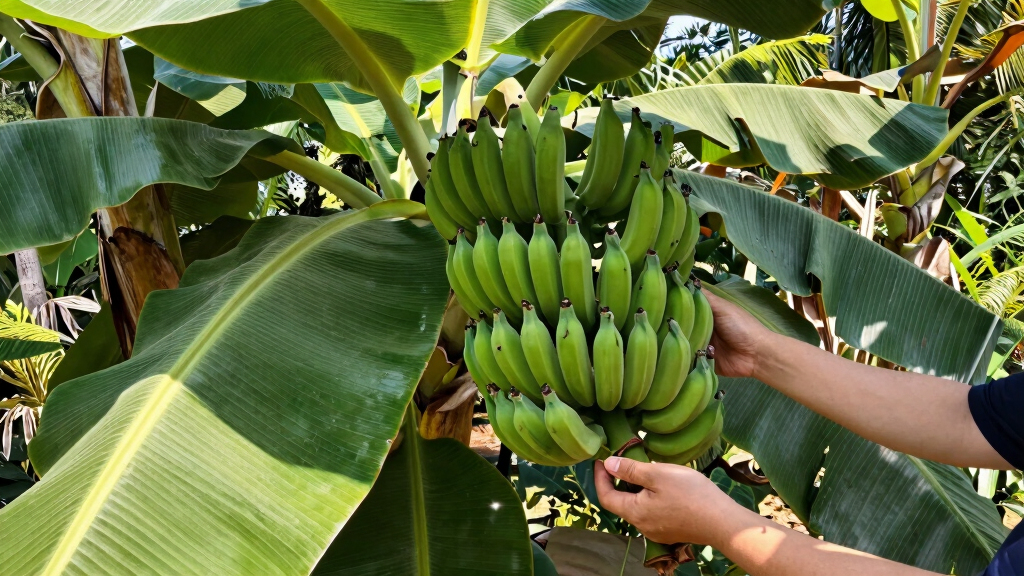
These banana plants were evaluated based on their hardiness, growth size, fruit production potential, ease of care, and overall value for garden use. We prioritized plants that are proven to grow successfully outdoors in various USDA zones, with a focus on durability and yield. The ranking reflects a combination of performance, adaptability, and customer reviews, ensuring that each option suits different gardening needs. Our goal was to identify plants that are reliable, manageable, and offer good value for home gardeners in diverse climates.| banana plants for garden | Plant Type |
|---|---|
| Dwarf Cavendish Banana Tree | Dwarf Cavendish Banana |
| Dwarf Cavendish Banana Plants | — |
| Gran Nain Banana Tree | — |
| Banana Plants Double | Dwarf Cavendish mutation |
| Banana Trees Grand Nain | Banana Tree |
| Greenwood Nursery Live Perenni | Deciduous |
| Generic Namwah Banana Tree | Dwarf Banana Tree |
| California Gold Banana Plant | — |
| Dwarf Cavendish Banana Tree Li | Musa Dwarf Cavendish |
Factors to Consider When Choosing Best Banana Plants For Gardens
When selecting the best banana plants for gardens, consider multiple factors that influence success and satisfaction. Size and growth habit determine how much space you’ll need, while climate hardiness affects whether the plant will thrive outside year-round. Fruit yield and quality are also important if you’re aiming for edible bananas. Additionally, understanding maintenance needs and cost can help you choose plants that fit your gardening experience and budget. Being aware of common pitfalls, such as overestimating mature size or underestimating cold tolerance, can save time and effort.Climate Hardiness and Zone Compatibility
Not all banana plants can survive cold winters; selecting a variety suited to your USDA zone is essential. Cold-hardy types like Musa Basjoo can withstand temperatures down to 10°F, making them suitable for northern gardens. Conversely, tropical varieties require protection in cooler zones or should be grown in containers that can be moved indoors. Overlooking hardiness can lead to plant loss, so verify your local climate conditions before purchasing.
Size and Growth Habit
Banana plants vary from compact dwarfs to large, sprawling specimens. Dwarf varieties, such as the Dwarf Cavendish, are ideal for small gardens or patio containers, offering easier management. Larger types may produce more fruit but demand more space and support structures. Measure your available garden space carefully and consider future growth to prevent overcrowding or the need for frequent pruning.
Fruit Production and Yield Expectations
If your goal is to harvest bananas, choose varieties known for reliable fruiting. Some plants, especially cold-hardy ones, may produce fewer or smaller bananas, or require specific growing conditions. Keep in mind that many banana plants take 9-15 months to bear fruit after planting, so patience is vital. Understanding the typical yield and growth timeline helps align your expectations with the plant’s capabilities.
Ease of Care and Maintenance
Beginners should favor hardy, low-maintenance varieties that resist pests and diseases. Plants like Musa Basjoo are known for minimal care needs, while others may require fertilizing, staking, or protection from cold and wind. Consider your gardening experience and time availability—more demanding plants might produce better fruit but could be less suitable if you’re new to gardening.
Cost, Bulk Purchasing, and Value
Large sets or starter plants often offer better value but may need more time to establish. Cheaper, smaller plants might require additional care and patience before they produce fruit, while premium, mature plants cost more upfront but can fruit sooner. Balance your budget with your desired outcomes and patience level to make the most cost-effective choice in the long run.
Frequently Asked Questions
Can I grow a banana plant in a container?
Yes, many dwarf varieties are suitable for container gardening, which allows you to control soil quality and protect the plant from cold. When growing in a container, choose a large pot with good drainage and use rich, well-draining soil. Regular watering and fertilization support healthy growth, and moving the container indoors during cold spells can extend your growing season. Be prepared for some maintenance, like staking or repotting, to keep the plant healthy.
What is the best way to protect my banana plant in winter?
Protection strategies depend on your climate. In colder zones, wrapping the plant with frost cloth or burlap, mulching around the base, and relocating potted plants indoors can prevent cold damage. For outdoor plants, providing windbreaks and covering with blankets or heat lamps during extreme cold snaps can help. Regularly monitoring weather forecasts and taking early action can significantly improve your plant’s chances of surviving winter.
How long does it take for a banana plant to produce fruit?
Most banana plants take approximately 9 to 15 months from planting to fruiting, depending on the variety and growing conditions. Dwarf and hardy types may produce sooner, especially if started as mature plants. Patience is necessary, as the plant needs time to establish a robust root system and develop a healthy pseudostem before flowering. Proper fertilization and water management can help speed up this process slightly, but overall, fruiting is a waiting game.
Are cold-hardy banana plants less productive?
Generally, cold-hardy banana plants tend to produce smaller or fewer bananas compared to tropical varieties, especially in cooler zones. However, many cold-tolerant types still offer a rewarding harvest for home gardeners, particularly if grown in ideal conditions. They are often more reliable in less-than-ideal climates since they require less protection and care. If your main goal is edible fruit and you live in a cooler area, choosing a hardy variety like Musa Basjoo offers a good balance of resilience and productivity.
Should I buy a set of plants or a single mature plant?
Buying a set of smaller plants can be more cost-effective and allows you to establish a more vigorous garden over time, but expect a longer wait for fruit. Single mature plants or larger starter plants produce fruit faster but come at a higher initial cost. Your choice depends on your patience, budget, and space—if you want quick results, investing in a larger, established plant might be better, while sets are ideal for long-term, budget-conscious gardening.
Conclusion
For those new to gardening or with limited space, the Dwarf Cavendish Banana Tree offers a manageable size and reliable fruiting. Gardeners in colder climates should consider the Greenwood Nursery Musa Basjoo for its impressive cold hardiness, even if it yields fewer bananas. If you want the fastest harvest and are willing to invest more upfront, a mature plant from a specialty nursery is the way to go. Seasoned growers seeking a balance of size, yield, and ease should opt for versatile, hardy varieties like the California Gold Banana. Your choice ultimately depends on your climate, space, and patience, but these options cover a broad spectrum of gardening goals.Flea & tick season Picks
flea and tick prevention
As an affiliate, we earn on qualifying purchases.