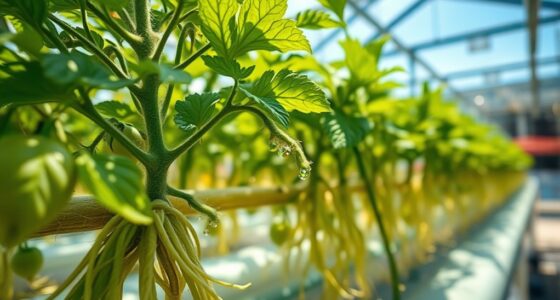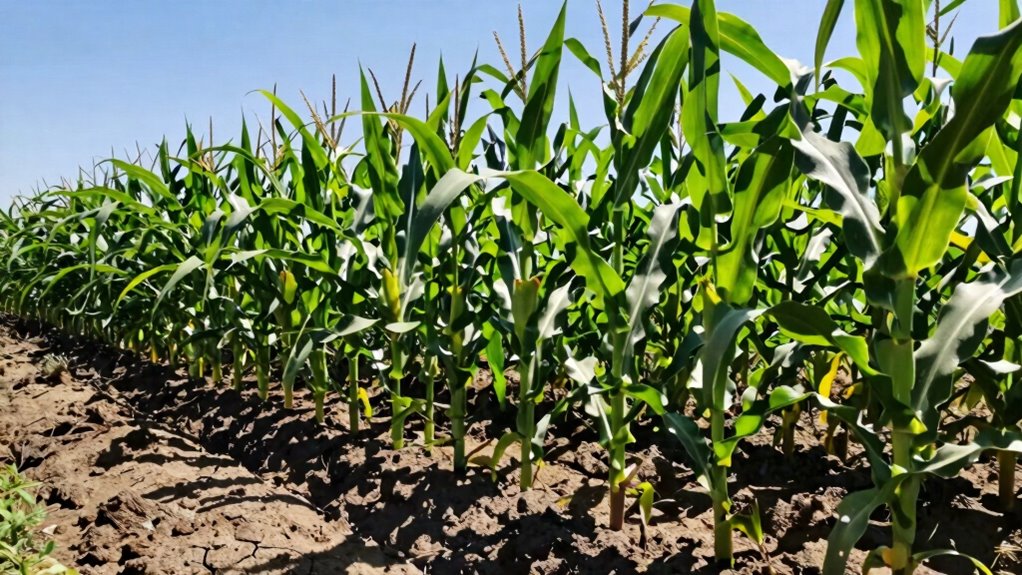

Fast-growing crops rapidly absorb nutrients like nitrogen, phosphorus, and potassium from the soil to support their quick development. This intense nutrient uptake can deplete soil fertility faster than natural processes can replenish it, especially if not managed properly. Their vigorous growth often leaves the soil less fertile for subsequent crops and increases erosion risks. To understand how to manage these challenges and protect your soil, keep exploring what sustainable farming practices can do.
Key Takeaways
- Fast-growing crops have high nutrient uptake rates, depleting soil nutrients more rapidly than slower-growing plants.
- Their rapid development shortens the growth cycle, increasing the frequency of nutrient removal from the soil.
- Quick biomass accumulation accelerates nutrient extraction, leaving less available for subsequent crops.
- Heavy nutrient absorption can outpace natural soil replenishment, leading to nutrient depletion.
- Intensive fertilization to support rapid growth can sometimes cause long-term soil nutrient imbalances.
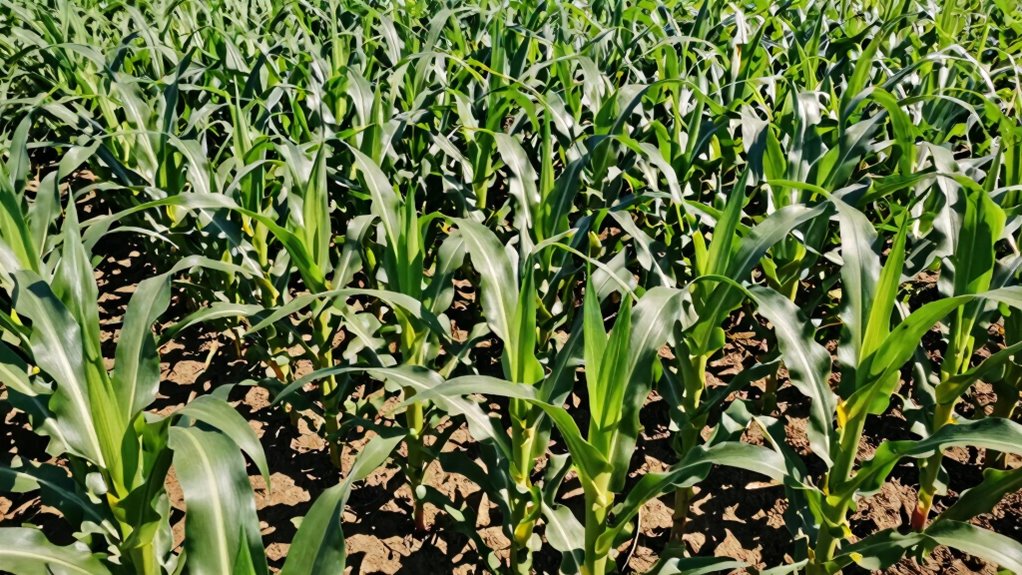
Have you ever wondered how fast-growing crops can impact soil nutrients? When you plant crops that grow quickly, they tend to absorb nutrients from the soil at a much faster rate than slower-growing plants. This rapid uptake can deplete essential nutrients like nitrogen, phosphorus, and potassium, leaving the soil less fertile than before. As a result, the plants you grow afterward might struggle to thrive unless you replenish those nutrients through fertilization. It’s a cycle that can become problematic if not managed properly because, in addition to nutrient loss, fast-growing crops can also influence soil erosion. When plants grow rapidly, their root systems sometimes don’t develop quickly enough to hold the soil in place, especially during heavy rains or strong winds. This makes the soil more vulnerable to erosion, which further strips away the topsoil—the most nutrient-rich layer—compromising future crop yields and soil health.
Moreover, the quick growth of these crops often encourages the need for intensive pest management. Because they mature faster, pests tend to be attracted and able to complete their life cycles more rapidly, increasing the risk of infestations. You might find yourself applying more pesticides or other pest control measures to keep the crops healthy, but these can have unintended effects on soil quality. Chemicals used in pest management can alter soil microbial communities, which play an essential role in nutrient cycling and maintaining soil fertility. If these microbial populations decline, the soil’s natural ability to recover nutrients diminishes, exacerbating nutrient loss issues. Additionally, managing rapidly growing crops requires careful attention to soil health, as neglecting it can lead to long-term degradation. Incorporating cover cropping and crop rotation strategies can also help to improve soil structure and microbial diversity, further supporting soil resilience. Recognizing the importance of soil conservation practices is key to maintaining sustainable crop production over time.

Rapitest Soil Test Kit for Gardens, Vegetables, Flowers and Lawns. USA designed and assembled soil tester completely, quickly and accurately measures/analyzes soil pH acidity and garden nutrients.
- Quick at-home soil pH and nutrient testing: Measures pH, Nitrogen, Phosphorous, Potash
- Includes 20 tests with all components: 5 tests each for pH, N, P, K
- Suitable for multiple garden spots: Tests soil variables across yard or garden
As an affiliate, we earn on qualifying purchases.
As an affiliate, we earn on qualifying purchases.
Frequently Asked Questions
How Can I Tell if My Soil Is Nutrient-Deficient?
You can tell if your soil is nutrient-deficient by performing soil testing and nutrient monitoring regularly. Look for signs like yellowing leaves, stunted growth, or poor yield. Soil testing kits or professional analysis reveal nutrient levels and deficiencies. Keep an eye on your plants’ health, and if you notice issues, conduct tests to identify specific lacking nutrients. This way, you can adjust fertilization accordingly and maintain healthy, productive crops.
Do All Fast-Growing Crops Deplete Nutrients at the Same Rate?
Not all fast-growing crops deplete nutrients at the same rate. Genetic factors influence their nutrient needs and how quickly they use up soil nutrients. During different growth stages, crops may demand varying amounts of nutrients—sometimes spiking during rapid growth. You should monitor these changes closely, as understanding each crop’s unique growth stages and genetic traits helps you manage fertilization better and prevent nutrient deficiencies.
Are There Specific Fertilizers Best Suited for Quick Crop Growth?
Think of fertilizers like a fast-food meal for your crops—they need quick, rich nourishment. Organic amendments like compost or manure supply essential nutrients gradually, while foliar feeding provides immediate boosts through leaf application. For quick crop growth, a balanced blend of these, especially with nitrogen-rich fertilizers, helps meet rapid demands. Using these methods guarantees your plants stay healthy and vigorous, even during their fastest growth phases.
How Does Soil pH Affect Nutrient Availability in Fast-Growing Crops?
Soil pH directly impacts nutrient availability in your fast-growing crops. When soil acidity is too high or too low, it reduces nutrient solubility, making essential nutrients less accessible to your plants. Maintaining a suitable soil pH guarantees nutrients stay dissolved and available, promoting healthy growth. Regularly testing and adjusting your soil pH helps prevent deficiencies and supports the rapid development of your crops, maximizing yields.
Can Crop Rotation Help Reduce Nutrient Depletion?
Yes, crop rotation can help reduce nutrient depletion. When you rotate crops, you break pest cycles and improve soil health. Incorporate cover cropping and organic amendments during rotations, which replenish nutrients naturally. Cover crops fix nitrogen and add organic matter, while organic amendments boost soil fertility. This sustainable approach guarantees your fast-growing crops get essential nutrients, minimizing depletion and maintaining soil productivity over time.

FoxFarm Grow Big Liquid Plant Food – 6-4-4 House Plant Fertilizer for Lush Vegetative Growth, Fast Nutrient Uptake for Roses, Tomatoes & Veggies – Quart Size Concentrate
- Promotes Plant Growth: Supports lush vegetative development
- Fast Nutrient Absorption: Ensures quick uptake of nutrients
- Versatile for Many Plants: Suitable for roses, tomatoes, and vegetables
As an affiliate, we earn on qualifying purchases.
As an affiliate, we earn on qualifying purchases.
Conclusion
Knowing that fast-growing crops can deplete soil nutrients up to 50% faster than slower-growing plants, it’s clear you need to stay vigilant. Regular soil testing and timely fertilization become essential to keep your crops healthy and productive. Don’t let this rapid nutrient consumption catch you off guard—by understanding these dynamics, you can optimize your farming practices and guarantee your crops thrive throughout the season. Keep your soil nourished, and your harvest will thank you.

TnT Seed Company Peas, Oats, Vetch Garden Cover Crop Mix Seeds for Planting – 5 lb Jug – Improves Soil Health, Weed Suppression, Nitrogen Fixation, Increases Biomass
- Package Size: 5 lb jug covers 3,000–3,750 sq ft
- Soil Health Improvement: Fixes nitrogen and enhances soil fertility
- Fast-Growing Cover Crop: Establishes quickly for spring and fall
As an affiliate, we earn on qualifying purchases.
As an affiliate, we earn on qualifying purchases.
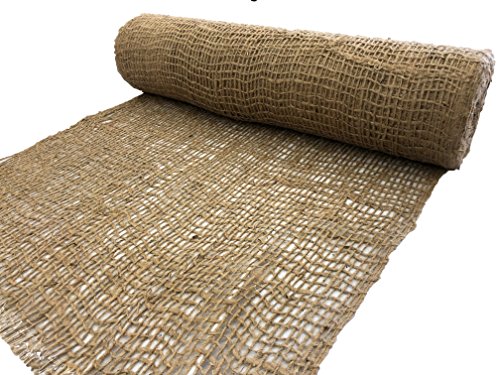
Jute Erosion Control, Soil Saver Mesh Blanket – 48" Wide x 20 Yards (60 feet Long) – 240 Sq. Ft. Coverage
- Material: Premium biodegradable jute fabric
- Width: 48 inches wide
- Length: 20 yards long
As an affiliate, we earn on qualifying purchases.
As an affiliate, we earn on qualifying purchases.