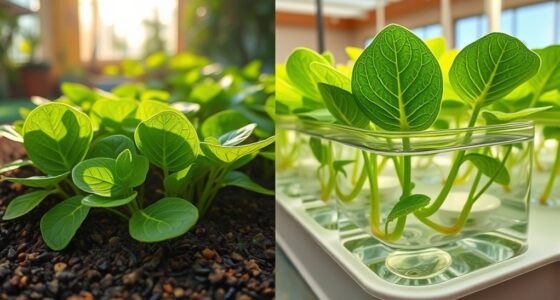
Beneficial microbes and mycorrhizae boost your hydroponic system by improving nutrient availability, promoting healthy plant growth, and making your setup more resilient. They help break down organic matter, solubilize nutrients, and fix atmospheric nitrogen, ensuring plants get what they need. Mycorrhizae form symbiotic relationships with roots, improving water and nutrient uptake. Supporting these microbial communities creates a stable, productive environment, and if you keep exploring, you’ll discover how to optimize their benefits even further.
Key Takeaways
- Beneficial microbes enhance nutrient availability, promote plant health, and suppress pathogens in hydroponic systems.
- Microbial diversity creates a resilient ecosystem, supporting stable nutrient cycling and system sustainability.
- Microbes convert nutrients into plant-absorbable forms and fix atmospheric nitrogen, ensuring consistent nutrient supply.
- Mycorrhizae form symbiotic relationships with roots, improving phosphorus and water uptake and protecting against stress.
- Maintaining microbial ecosystems through monitoring and proper conditions boosts system stability and reduces chemical reliance.
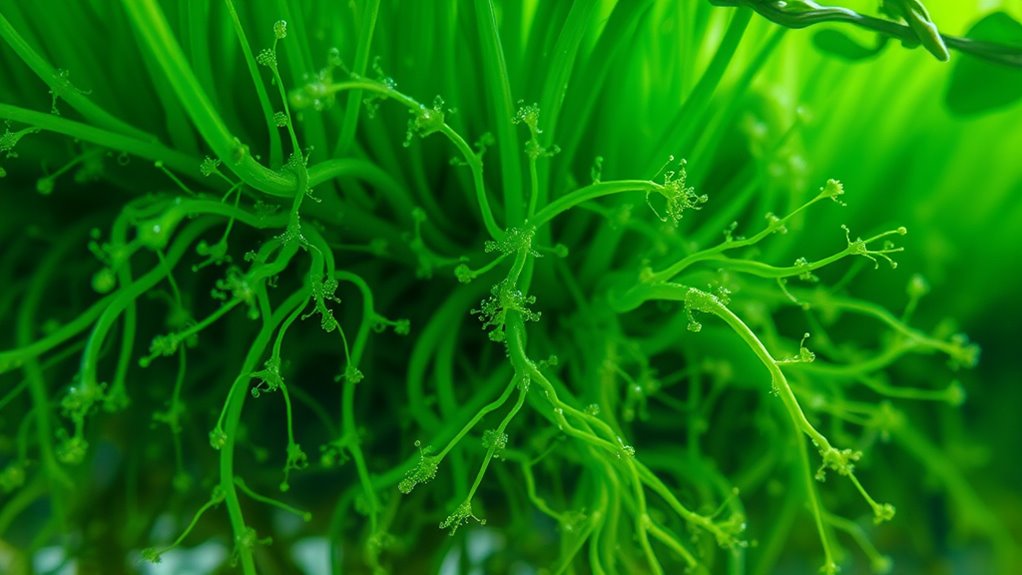
Beneficial microbes play a essential role in optimizing hydroponic systems by enhancing nutrient availability and promoting plant health. One key aspect of this is microbial diversity, which refers to the variety of beneficial microorganisms present in your system. A diverse microbial community creates a resilient environment that supports efficient nutrient cycling, guaranteeing that essential nutrients are made accessible to your plants. When you introduce beneficial microbes, you’re not just adding a single species; you’re fostering a dynamic ecosystem where different microorganisms work together to break down organic matter, solubilize nutrients, and suppress harmful pathogens. This diversity is crucial because it mirrors natural soil ecosystems, helping your hydroponic setup become more stable and productive over time.
Beneficial microbes boost hydroponic health through diverse, resilient communities that support nutrient cycling and plant growth.
In hydroponic systems, nutrient cycling is fundamental to maintaining best plant growth. Unlike soil-based systems, where microbes naturally facilitate the transformation of nutrients, hydroponics relies heavily on these microorganisms to perform similar functions. Beneficial microbes, such as certain bacteria and fungi, help convert nutrients into forms that plants can readily absorb. For example, some bacteria fix atmospheric nitrogen, making it available for plant uptake, while others break down complex organic compounds into simpler nutrients. This process not only guarantees a steady supply of essential elements but also prevents nutrient lockout and deficiencies that can stunt plant growth. By supporting robust nutrient cycling, beneficial microbes keep your hydroponic plants healthy and vigorous.
Mycorrhizae, a type of beneficial fungus, further enhance nutrient cycling by forming symbiotic relationships with plant roots. When you introduce mycorrhizal fungi into your hydroponic system, they extend your roots’ reach into the nutrient solution, increasing the surface area for absorption. This symbiosis allows for more efficient uptake of phosphorus, trace minerals, and water, especially in systems where nutrient concentrations might be low or imbalanced. Additionally, mycorrhizae help protect roots from disease and stress, creating a more resilient plant environment. Incorporating these fungi can considerably boost nutrient efficiency, leading to faster growth rates and better yields.
To make the most of beneficial microbes and mycorrhizae, you should regularly monitor your system and add microbial inoculants as needed. Maintaining proper pH levels, avoiding unnecessary chemicals, and ensuring a healthy microbial diversity will support effective nutrient cycling. When you foster a thriving microbial ecosystem, you’re essentially creating a miniature soil environment within your hydroponic setup—one that promotes plant health, increases nutrient availability, and enhances overall system stability. This approach not only improves your crop yields but also reduces the need for chemical interventions, making your hydroponic system more sustainable and productive in the long run. Inoculants and microbial diversity are key factors in achieving a successful and resilient hydroponic garden.
Frequently Asked Questions
How Do Microbes Survive in Nutrient-Rich Hydroponic Solutions?
Microbes survive in nutrient-rich hydroponic solutions by adapting quickly to their environment. They develop strategies to compete with nutrients and other microbes, ensuring their survival. You’ll notice that beneficial microbes often form biofilms, which help them stick to surfaces and better access nutrients. Their ability to adapt and compete keeps them thriving, even in nutrient-dense solutions, supporting plant health and growth efficiently.
Can Beneficial Microbes Replace Chemical Fertilizers Entirely?
You might think beneficial microbes can fully replace chemical fertilizers, but that’s not entirely true. While they enhance microbial diversity and support ecological balance, they don’t provide all essential nutrients needed for ideal plant growth. Microbes boost nutrient availability naturally, but you’ll still need to supplement with some fertilizers to guarantee your plants get everything they need. Relying solely on microbes isn’t yet a complete substitute for traditional fertilizers.
Are There Specific Microbes Best Suited for Different Hydroponic Crops?
Yes, you should consider crop-specific microbes for your hydroponic crops. Microbial selection is vital because different plants have unique nutrient needs and root environments. By choosing the right crop-specific microbes, you enhance nutrient uptake, improve plant health, and boost yields. Tailoring microbial applications ensures your hydroponic system runs efficiently, reducing the need for chemical inputs and supporting sustainable farming practices.
How Do Microbes Affect Disease Resistance in Hydroponic Plants?
Coincidentally, microbes boost your plant’s disease resistance by enhancing the soil microbiome, which directly stimulates your plant’s immune response. As beneficial microbes colonize roots, they outcompete pathogens and produce antimicrobial compounds, creating a natural barrier. This dynamic interaction strengthens your plants’ defenses, reducing disease incidence. By actively managing these microbes, you help foster a healthier, more resilient crop system that’s better equipped to fight off diseases.
What Are the Long-Term Impacts of Microbial Use in Hydroponic Systems?
Long-term microbial use in hydroponic systems promotes sustainable microbial integration, enhancing plant health and resilience over time. You’ll see improved microbial diversity maintenance, which supports nutrient cycling and disease suppression. This sustainable approach reduces chemical reliance and fosters a balanced environment. By continuously managing microbial populations, you guarantee system stability, crop productivity, and eco-friendliness, making your hydroponic setup more resilient and sustainable for future harvests.
Conclusion
Incorporating beneficial microbes and mycorrhizae into your hydroponic system can boost plant health and yield. Did you know that some microbes can increase nutrient uptake by up to 50%? By fostering these natural allies, you create a more resilient, efficient environment for your plants. Embrace these tiny helpers, and you’ll see healthier growth and better productivity—without relying solely on chemicals. It’s a simple step that can make a big difference in your hydroponic success.