TL;DR
A healthy-looking Christmas cactus may not bloom if it does not receive long, uninterrupted dark nights and cool temperatures in fall. Water stress, moving the plant after buds form and late-season fertilizer can also prevent flowers or cause buds to drop.
A Christmas cactus with no buds may be responding to its fall care rather than appearing unhealthy: a gardening guide points to nighttime light, warm nights, watering, movement and fertilizer timing as five common factors that can prevent blooms or cause buds to fall. The advice matters to people hoping for holiday flowers because bud formation depends on conditions before the holiday season, not just on keeping the plant looking green.

Get garden gear delivered free with Prime
- Fast, free delivery on millions of items
- Prime Video, Amazon Music and more included
- Member-only deals all year
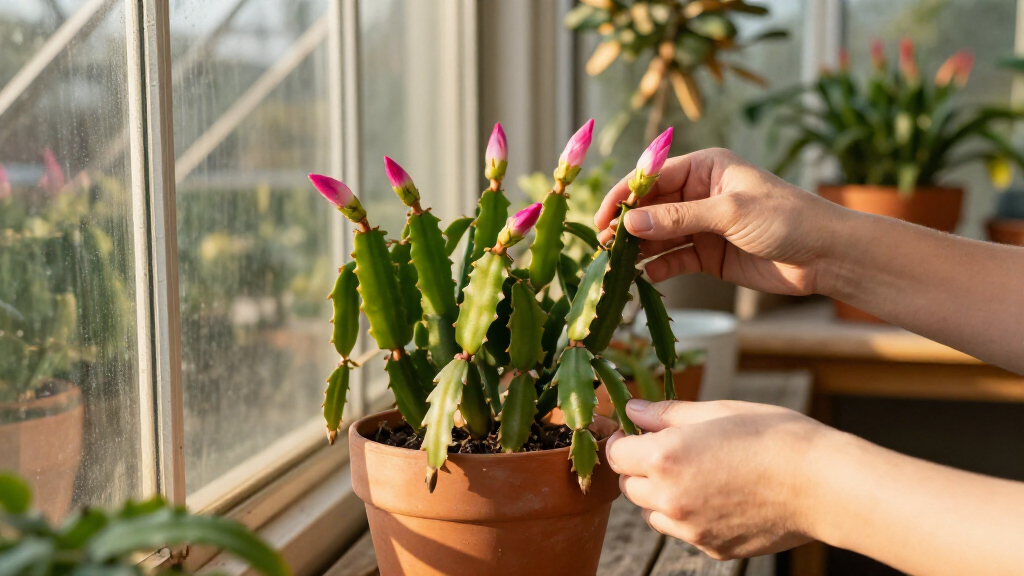
Holiday cacti form buds in response to long, dark nights and cooler temperatures. The source says plants generally need about 13 to 14 hours of uninterrupted darkness each night for six weeks or more. A lamp, hallway light or streetlight reaching the plant can interrupt that dark period. The guide suggests keeping the cactus in a genuinely dark place overnight and returning it to bright, indirect light during the day.
Nighttime warmth can also interfere with bud formation. The source recommends nights of 50°F to 59°F (10°C to 15°C), while cautioning against letting the plant get colder than 50°F (10°C). A cooler room may help during the bud-setting period, but once buds are present, keeping the plant in a stable location is advised; see how to get your Christmas cactus to bloom.
Watering should avoid both extremes: very dry potting mix can stress the plant, while persistently wet soil can damage roots. The guide recommends keeping the mix evenly moist, not soggy, and emptying the saucer after watering. It also advises against moving or rotating the plant after buds appear, since changes in light, temperature or humidity can lead to bud drop. Fertilizer is recommended during active growth from spring through late summer, with feeding stopped after September.
Why isn’t your Christmas cactus blooming? Five things to check
Fall care can affect whether holiday cacti form buds and keep them. Check the nighttime conditions, watering and routine before assuming the plant is unhealthy.
Five fall conditions to check
These are possible causes, not a diagnosis for every plant.
Block nighttime light
Lamps, hallway light or streetlights can interrupt the dark period. Give the plant darkness overnight and bright, indirect light by day.
Keep nights cool
Warm nights may interfere with bud formation. The guide recommends 50–59°F and cautions against temperatures below 50°F.
Avoid both extremes
Keep the potting mix evenly moist, not soggy, and empty the saucer after watering. Very dry mix can stress the plant; wet soil can harm roots.
Leave formed buds steady
After buds appear, avoid moving or rotating the plant. Changes in light, temperature or humidity may contribute to bud drop.
Stop feeding after September
Feed during active growth from spring through late summer. Late-season fertilizer will not create buds that have not formed.
No buds or dropped buds?
The timing can help narrow down which conditions to review.
- Review nighttime light during the fall.
- Check overnight temperatures during bud setting.
- Consider water stress or soggy soil.
- Check for a sudden change in the plant’s surroundings.
Fall Conditions Set Holiday Blooms
The timing of care matters because bud formation starts before the flowers are expected. A plant can have plump, green stems and still lack the seasonal cues needed to flower. Checking darkness and overnight temperature during the fall may help growers address the conditions linked to missing buds, while steady care after buds form can reduce the risk of losing them.
The distinction between no buds and dropped buds can help narrow down the problem. Lack of buds points toward conditions during the bud-setting period, such as interrupted darkness or warm nights. Buds that form and then fall may be associated with water stress or a sudden change in the plant’s surroundings, according to the guide. These are possible causes, not a diagnosis for every plant.
Products Worth Considering

VEVOR Walk-in Tunnel Greenhouse, 15 x 7 x 7 ft Hoop House with Watering System

Greenworks 40V Cordless Brushless Leaf Blower with 4.0Ah Battery and Charger

Greenworks 40V Cordless Chainsaw Kit with 12-Inch Bar, 2Ah Battery and Charger
As an affiliate, we earn on qualifying purchases.
How the Budding Period Works
The source describes Christmas cacti as rainforest plants native to Brazil, rather than desert cacti that are adapted to prolonged dryness. That difference helps explain why allowing the potting mix to dry out completely is not recommended during bud formation. At the same time, waterlogged soil can harm roots, so the guidance is to avoid both extremes.
The advice focuses on the period when plants set buds in fall and on the weeks after buds appear. The source does not identify a particular year, study or named horticultural authority behind the recommendations; it presents them as general gardening guidance. Its temperature and darkness figures should be understood as the guide’s recommendations rather than a guarantee that every plant will bloom on a set date.
Why a Particular Plant Failed
The source lists common causes but does not establish which one is responsible for any individual cactus. It also does not provide research citations, explain how cultivar or growing conditions may change the recommendations, or promise that correcting a problem late in the season will produce flowers in time for a specific holiday. A plant with no buds may need more time or may have experienced several unfavorable conditions.
It is also not possible from the supplied guidance to tell whether buds will recover after a move, a temperature change or watering stress. Growers should treat the suggested causes as checks rather than certainty about what happened to a particular plant.
Check Conditions and Keep Them Steady
For a plant that has not formed buds, check how much light reaches it at night and measure the room’s overnight temperature before changing its location. Keep its potting mix from becoming completely dry or staying soggy, and avoid late-season feeding. If buds are already present, choose a suitable spot away from heating vents and drafts, then leave the plant there rather than rotating or relocating it.
The next sign to watch is whether buds begin to form and remain attached. The source does not give a timetable for when a late adjustment should produce buds, so flowering by a particular date cannot be assured. After flowering ends and new growth begins, the guide says feeding can resume during the plant’s active-growth period.
Key Questions
How much darkness does a Christmas cactus need to form buds?
The supplied gardening guide recommends about 13 to 14 hours of uninterrupted darkness nightly for six weeks or more. Artificial light reaching the plant can interrupt that period.
What nighttime temperature does the guide recommend?
It recommends nights of 50°F to 59°F (10°C to 15°C) while buds are forming, and says not to let the plant drop below 50°F (10°C).
Should I move my Christmas cactus after buds appear?
The guide advises choosing its holiday location when buds appear and then leaving it there. Sudden changes in light, temperature or humidity may contribute to bud drop.
Should I fertilize a Christmas cactus in November?
No, according to the supplied guidance. It recommends feeding during active growth from spring through late summer and stopping after September; it says late feeding will not create buds that have not formed.
Source: gardeningknowhow.com