TL;DR
Traditional incandescent Christmas lights can add warmth around a potted plant during a brief cold snap when used inside a suitable cover or cold frame. LEDs generally produce too little heat, and incandescent bulbs must be kept clear of plants and coverings, with outdoor-rated equipment and electrical protection.
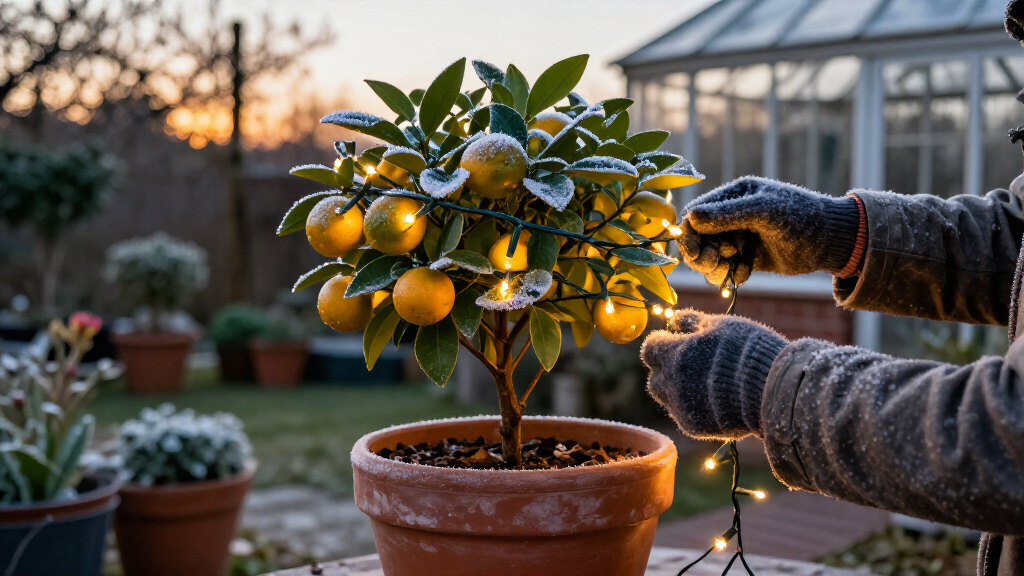
Traditional incandescent Christmas lights can add a few degrees of warmth around a potted plant during a short frost when used inside a properly supported cover or cold frame, but LED strands are unlikely to help. The method may offer an extra layer of protection for container citrus, while introducing fire and electrical risks if hot bulbs touch foliage or covering materials or if outdoor wiring is unsuitable.

Get garden gear delivered free with Prime
- Fast, free delivery on millions of items
- Prime Video, Amazon Music and more included
- Member-only deals all year
The distinction is the heat the bulbs produce. Incandescent bulbs release more heat than LEDs, which convert more of their electricity into light. The University of California Agriculture and Natural Resources advises home citrus growers to use traditional, non-LED lights for added warmth, with or without a frost blanket. That guidance does not mean any light strand or covering arrangement is safe: the bulbs must be kept clear of both the plant and the cover.
Colorado State University Extension cold-frame trials in Fort Collins found that a string of 25 mid-size C7 bulbs, suspended inside a covered frame with a space blanket over it, kept the frames warmer than the outdoor night air. The string also warmed cold corners better than a single large bulb. The source material does not provide the temperature increase or trial dates, so the result cannot be translated into a specific promise of protection for a particular garden.
For a home setup, a cold frame or mini greenhouse can create an enclosed area, but only where the lights can be suspended securely and away from plants and coverings. Use an outdoor-rated light strand and cord, connect it to a GFCI-protected outlet, and follow the manufacturer’s connection limits and safety directions. Do not use damaged strands, indoor power strips outdoors, or tape as a substitute for weatherproof electrical connections.
Could Christmas Lights Help Your Potted Plants Through a Frosty Night?
Traditional incandescent lights may add warmth around covered container plants during a brief cold snap. LEDs generally produce too little heat, and any setup must keep hot bulbs clear of plants and coverings.
Bulb type matters
The potential benefit comes from heat produced by incandescent bulbs.
May add warmth
Traditional bulbs can warm a covered space during a short frost.
Too little heat
Do not count on LED strands to protect plants from frost.
What the trials show
The result applies to a covered test setup, not every patio or plant.
- The covered frames stayed warmer than the outdoor night air.
- The string warmed cold corners better than one large bulb.
- The temperature increase and trial dates are not provided.
- Protection for a specific plant or severe freeze is not established.
Safer steps before frost
Shelter and a stable setup matter as much as added warmth.
Use a space that stays above freezing, or group outdoor pots near a wall and out of the wind.
Use outdoor-rated lights and cord, inspect for damage, and connect to a GFCI-protected outlet.
Suspend incandescent bulbs securely away from leaves and covers; follow the maker’s directions.
When a Few Degrees Can Help
Container plants can be more exposed to cold than plants growing in the ground. In particular, potted citrus roots have less surrounding soil to buffer changes in temperature. The source material says cold damage can begin around 30°F (-1°C), depending on the citrus variety and how long it is exposed; limes are generally more sensitive than mandarins. A brief frost can therefore put a container plant at risk even when a nearby in-ground tree fares better.
Lights are a possible supplement, not a substitute for moving a vulnerable plant or providing shelter. The guidance describes them as useful for short cold spells and light frost, not for weeks of hard freezes or for protecting tropical plants through prolonged severe cold. A larger pot can provide more insulation around roots, but it does not prevent freezing. The practical value depends on the plant, the length and severity of the cold, and whether the setup is both effective and safe.
The trade-off matters because the bulbs that generate more warmth also become hot enough to damage nearby materials. Clearance and secure support are part of frost protection, not optional precautions. A setup that presses a blanket against a bulb could exchange cold damage for scorched foliage, melted material, fire, or electrical injury.
Products Worth Considering

EGO POWER+ LB5302 Cordless Electric Leaf Blower Kit with 2.5Ah Battery

Orbit B-hyve XR 8-Zone Indoor/Outdoor Smart Sprinkler Controller

VEVOR Walk-in Tunnel Greenhouse, 15 x 7 x 7 ft Hoop House with Watering System
As an affiliate, we earn on qualifying purchases.
Why Bulb Type Changes the Advice
Holiday lights have been used by gardeners as a source of supplemental heat, but that practice depends on the type of bulb. C7 and C9 incandescent bulbs produce more heat per bulb than modern LEDs; traditional incandescent mini lights can also provide some warmth. Most newer decorative strands are LEDs, which are efficient at producing light but, according to the source material, do not generate enough warmth to protect a plant from frost.
The cold-frame finding is evidence of added warmth in an enclosed test setup, not a guarantee that a strand will keep every plant above a damaging temperature. Results in an exposed patio setting may differ from those inside a covered frame. The source material offers no exact temperature readings, detailed trial dates, or direct comparison across different plant species and weather conditions.
Other measures avoid adding electrical heat. The guidance recommends moving a pot into an unheated garage, shed, or enclosed porch that stays above freezing. If a plant must remain outside, placing pots together near a house wall and out of the wind can provide shelter. Watering before cold weather and insulating the pot can also help; covers should be removed during the day as appropriate, rather than left in contact with hot bulbs.
“In Fort Collins cold-frame trials, one string of 25 mid-size C7 bulbs inside a covered frame kept the frame warmer than the night outside and warmed cold corners better than a single large bulb.”
— Colorado State University Extension
Limits of the Frost-Test Evidence
The available material does not specify how many degrees the lights raised temperatures, how long the trials ran, or what the weather conditions were. It also does not establish that a given strand will keep a particular citrus variety or other potted plant above its damage threshold. Protection depends on exposure and setup, and frost damage varies with the plant and the duration of cold.
It is also unclear which specific light models meet the requirements for any one outdoor arrangement. Gardeners must check each product’s outdoor rating, condition, and manufacturer instructions rather than assume that a decorative strand is suitable. The guidance does not support using lights as a reliable solution for prolonged hard freezes.
Safer Steps Before Frost Arrives
Before a forecast cold night, check whether the plant can be moved to a sheltered space that remains above freezing. For pots staying outdoors, group them near a wall and away from wind, and consider insulating the container and using a supported frost cover. These steps can be taken without adding a heated light strand.
If incandescent lights are used as supplemental warmth, select equipment rated for outdoor use, inspect it for damaged wires or sockets, and plug it into a GFCI-protected outlet. Suspend bulbs so they cannot touch leaves or any cover, and keep the arrangement stable through the night. LED lights should not be counted on for frost protection; for severe or prolonged cold, the source guidance points gardeners toward shelter rather than relying on holiday lights.
Key Questions
Can Christmas lights keep a potted plant from freezing?
Incandescent lights may add warmth around a plant inside a supported cover or cold frame during a brief cold spell. The available information does not establish that they can prevent freezing in every setup or protect a plant through prolonged hard freezes.
Do LED Christmas lights protect plants from frost?
The guidance says LED strands produce too little heat to serve as frost protection. They should not be treated as a source of warming for a potted plant.
Which plants might benefit most?
Container citrus is a common reason gardeners try the method, because roots in pots have less surrounding soil for insulation. Sensitivity varies: the source material says limes are generally more vulnerable than mandarins and that damage can begin around 30°F (-1°C), depending on variety and exposure time.
How can I reduce fire and shock risks?
Use only outdoor-rated lights and cords, plug them into a GFCI-protected outlet, and discard damaged strands. Keep hot bulbs well away from foliage and coverings, support the cover independently, and follow the product’s instructions and limits for connecting strands.
What is a safer alternative to lights?
Move the pot to a garage, shed, or enclosed porch that stays above freezing when possible. If it must remain outdoors, shelter it from wind, group pots near a house wall, and use a supported frost cover or pot insulation.
Source: gardeningknowhow.com