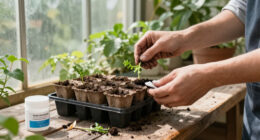
Growing hydroponic parsley is a smart way to enjoy fresh herbs indoors all year. Keep your system in a warm, consistent environment between 60-70°F, and provide 12-16 hours of light daily. Monitor the pH and nutrients regularly to boost flavor and growth. Since it’s soil-free, you’ll face fewer pests and diseases. For more tips on enhancing taste and creating delicious dishes, stick with us for all the details.

Get garden gear delivered free with Prime
- Fast, free delivery on millions of items
- Prime Video, Amazon Music and more included
- Member-only deals all year
Key Takeaways
- Maintain a temperature of 60-70°F and 12-16 hours of light daily for optimal hydroponic parsley growth.
- Use nutrient-rich water with proper pH and nutrient levels to enhance flavor and growth speed.
- Regularly monitor and adjust pH and nutrients for consistent, aromatic, and intense parsley.
- Harvest in a few weeks to enjoy fresh, flavorful herbs perfect for salads, garnishes, and cooked dishes.
- Infuse parsley into butters with butter infusers to elevate culinary creations with concentrated herbal flavor.

Growing parsley hydroponically offers an efficient and space-saving way to enjoy fresh herbs year-round. If you’re into herb cultivation, this method is perfect because it allows you to grow lush, vibrant parsley without needing a traditional garden. Indoor gardening becomes straightforward, even if you have limited space or poor outdoor conditions. With hydroponics, you skip the soil and use nutrient-rich water to feed your plants, which means you can control every aspect of their growth and guarantee they thrive.
Grow fresh, vibrant parsley indoors year-round with hydroponics—space-saving, soil-free, and easy to control.
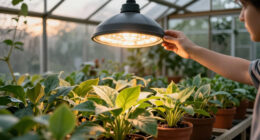
To get started with hydroponic parsley, you’ll need a few basic supplies: a container or grow tray, a water pump or aeration system, a nutrient solution formulated for herbs, and a grow light if natural sunlight isn’t enough. You don’t need a large setup—compact systems fit easily on a windowsill or a dedicated indoor gardening shelf. The key is maintaining the right environment: moderate temperature, consistent humidity, and adequate lighting. Parsley prefers temperatures between 60-70°F and needs at least 12-16 hours of light daily for ideal growth.
Herb cultivation in a hydroponic system is quite forgiving. You’ll place parsley seeds or starter plants into the system, ensuring the roots are in contact with the nutrient solution. Since there’s no soil to worry about, you avoid many common pests and diseases that can affect outdoor herb gardening. The water-based environment also means faster growth—your parsley can be ready to harvest in just a few weeks, much quicker than soil-grown counterparts.
One of the biggest advantages of indoor gardening with hydroponics is control. You can fine-tune the nutrient levels to boost flavor and vitality, which is harder outdoors where soil quality and weather fluctuate. Regular monitoring of pH and nutrient concentration ensures your parsley stays healthy and lush. Plus, since you’re growing indoors, weather won’t disrupt your herb cultivation plans, and you can harvest fresh parsley whenever you need it for cooking.
When it comes to flavor, hydroponically grown parsley tends to be more intense and aromatic because you can maximize conditions for maximum nutrient uptake. Use it fresh in salads, garnishes, or cooked dishes to elevate their flavor profile. As you gain experience, you can experiment with different lighting schedules, nutrient mixes, and growth techniques to produce even more flavorful herbs. Indoor gardening with hydroponics makes herb cultivation accessible, sustainable, and satisfying, giving you fresh, fragrant parsley right at your fingertips all year long. Additionally, understanding the role of butter infusers can elevate your culinary creations by infusing fresh herbs like parsley into flavorful butters for enhanced dishes.
Products Worth Considering

Orbit B-hyve XR 8-Zone Indoor/Outdoor Smart Sprinkler Controller

Orbit B-hyve Smart Indoor/Outdoor 12-Zone Sprinkler Controller
Orbit B-hyve XR 16-Zone Indoor/Outdoor Smart Sprinkler Timer
As an affiliate, we earn on qualifying purchases.
Frequently Asked Questions
Can Hydroponic Parsley Be Grown Indoors Year-Round?
Yes, you can grow hydroponic parsley indoors year-round. With proper indoor herb cultivation, you create an ideal environment by providing adequate light, temperature, and nutrients. This allows you to enjoy fresh parsley anytime, regardless of the season. Make certain your setup has grow lights and maintain consistent conditions for maximum growth. Year-round gardening indoors gives you continuous access to flavorful, vibrant parsley for your dishes.
What Are Common Pests Affecting Hydroponic Parsley?
You might face pests like aphids, spider mites, and whiteflies on your hydroponic parsley. To prevent these issues, practice pest prevention by keeping your growing environment clean and monitoring plants regularly. If pests appear, use organic treatments like neem oil or insecticidal soap to control them safely. Consistent prevention and natural remedies help keep your parsley healthy and pest-free without resorting to harsh chemicals.
How Do I Harvest Hydroponic Parsley Without Damaging the Plant?
You’re enthusiastic to harvest without harming your parsley, so start with gentle pruning techniques. Wait until the leaves are vibrant and the plant looks lush—this is your ideal harvest timing. Use sharp scissors or scissors to snip just above a set of leaves, avoiding the main stem. With patience and care, you’ll enjoy fresh parsley while keeping your plant healthy and thriving for future harvests.
Does Hydroponic Parsley Require Special Lighting Conditions?
Yes, hydroponic parsley benefits from special lighting conditions. You should use LED lighting with a full spectrum to mimic natural sunlight, promoting healthy growth. Make sure the light spectrum includes blue and red wavelengths, as they’re essential for photosynthesis. Keep the lights on for about 12-16 hours daily, and position them close enough to provide ample light without causing heat stress. This setup helps your parsley thrive indoors.
How Long Does It Take for Hydroponic Parsley to Mature?
You can expect your hydroponic parsley to reach maturity in about 70 to 90 days. During this growth timeline, look for maturity indicators such as lush, deep green leaves and a strong, healthy aroma. Keep an eye on the size of the plant; once it has developed several sets of leaves and looks full and vibrant, it’s ready for harvest. Proper lighting and nutrient levels help guarantee timely maturation.
Conclusion
With these hydroponic parsley tips, you’ll have a never-ending supply of fresh, vibrant herbs that can turn any dish into a culinary masterpiece. Imagine your kitchen overflowing with lush, green parsley so abundant it could feed an army! Once you master these techniques, you’ll wonder how you ever cooked without this flavorful, super-powered herb. Get ready to impress everyone with your endless, garden-fresh parsley—your taste buds will thank you for this game-changing experience!