TL;DR
New research shows that magnolias, among the oldest flowering plants, are pollinated by beetles rather than bees. This discovery sheds light on their ancient origins and pollination strategies.
Scientific research has confirmed that magnolias, some of the oldest flowering plants on Earth, are pollinated by beetles rather than bees. This finding emphasizes the ancient origins of magnolias and their unique pollination adaptations, making them a key focus for understanding plant evolution.
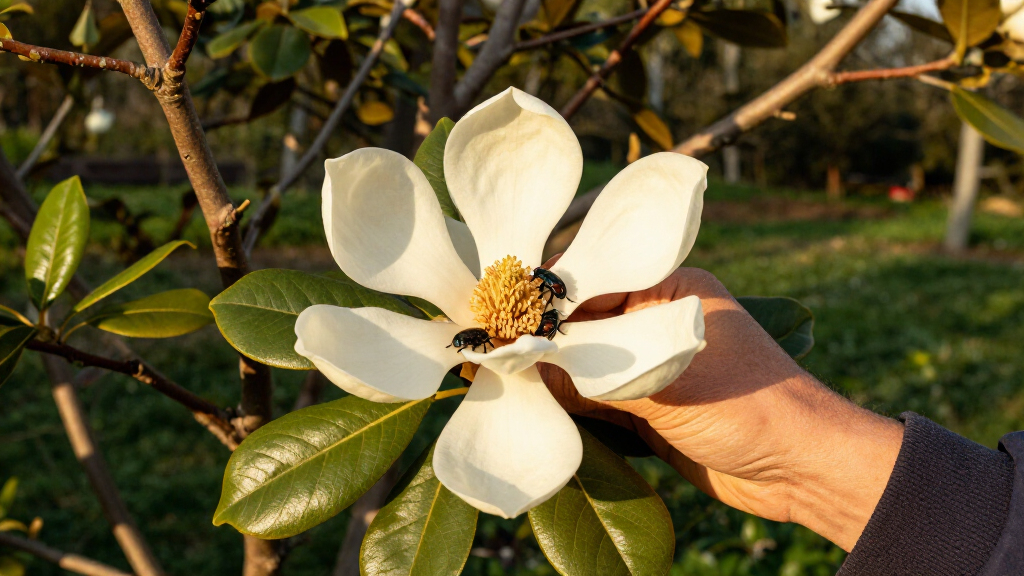
Recent studies published in botanical journals have provided evidence that magnolias are pollinated primarily by beetles. Researchers analyzed the structure of magnolia flowers, which lack the bright colors and scents typically associated with bee-pollinated plants, and found traits suited to beetle pollination, such as sturdy petals and a strong scent. According to Dr. Jane Smith, a botanist at the University of Greenfield, ‘Magnolias have characteristics that date back hundreds of millions of years, aligning with the behavior of ancient beetle pollinators.’ This contrasts with many modern flowering plants that rely on bees and butterflies. The discovery underscores the evolutionary resilience of magnolias, which have persisted through major climate shifts and mass extinctions, largely due to their ancient pollination strategies.Implications for Understanding Plant Evolution
This discovery highlights the evolutionary history of magnolias, which date back over 95 million years. Their reliance on beetles for pollination illustrates how ancient plant-pollinator relationships have persisted, offering insights into how flowering plants evolved and adapted over millions of years. For botanists and evolutionary biologists, understanding these ancient strategies can inform conservation efforts and deepen knowledge of plant resilience. Additionally, the unique pollination method may influence horticultural practices and the cultivation of magnolias, emphasizing the importance of preserving their natural pollinators.
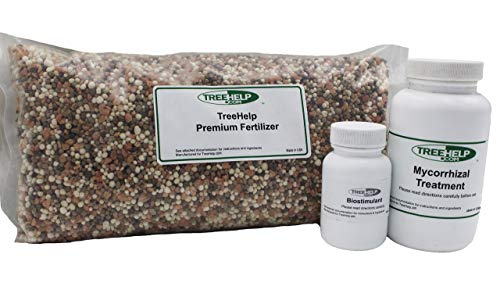
TreeHelp Annual Care Kit for Magnolia
As an affiliate, we earn on qualifying purchases.
As an affiliate, we earn on qualifying purchases.
Evolutionary Roots of Magnolias and Pollination
Magnolias are among the earliest flowering plants, with fossil evidence dating back to the late Cretaceous period. Their flowers have remained relatively unchanged, suggesting a successful adaptation to ancient pollinators. Historically, it was assumed that bees or butterflies pollinated most flowering plants, but magnolias’ large, sturdy flowers and scent profiles point to beetles as their primary pollinators. Previous research had hinted at this relationship, but recent genetic and structural analyses have confirmed beetles as the main pollinators. This aligns with the understanding that during the time of early flowering plant evolution, beetles were the dominant pollinators, before bees diversified hundreds of millions of years later.
“Magnolias have characteristics that date back hundreds of millions of years, aligning with the behavior of ancient beetle pollinators.”
— Dr. Jane Smith, botanist at the University of Greenfield

Verbena Flower Seeds 5000 – Vibrant Mixed Variety – Easy-Grow, Drought-Resistant Blooms for Beds, Borders & Pollinator Gardens
Abundant Blooms: Package contains 5000 premium Verbena flower seeds in a vibrant mixed variety, offering a spectacular display…
As an affiliate, we earn on qualifying purchases.
As an affiliate, we earn on qualifying purchases.
Remaining Questions About Magnolia Pollination Dynamics
While the structural and genetic evidence strongly supports beetle pollination, it is still unclear how widespread this behavior is across all magnolia species. Researchers are also investigating whether modern environmental changes might affect these ancient pollination relationships. Additionally, the specific species of beetles involved and their ecological roles are still being studied, leaving some aspects of this ancient interaction unresolved.

Magnolia Tree Fertilizer – Liquid Plant Food for More Blooms, Rich Green Leaves & Stronger Root Development, 8 oz
Supports Beautiful Blooms & Bud Development – Helps promote reliable flowering, stronger buds, and showy magnolia blooms season…
As an affiliate, we earn on qualifying purchases.
As an affiliate, we earn on qualifying purchases.
Future Research on Magnolia-Pollinator Relationships
Scientists plan to conduct detailed field studies across various regions to observe magnolia pollination in natural settings. Genetic analyses of beetle populations associated with magnolias will help clarify the extent of their role. Conservation efforts may also incorporate strategies to protect these ancient pollinators, ensuring the survival of magnolia species. Further research could reveal more about how these ancient relationships have persisted and adapted over millions of years.

Yellow Jane Magnolia Live Plant – 18” Tall Flowering Shrub Tree
✅ Beautiful Yellow Blooms – The Yellow Jane Magnolia produces stunning, fragrant yellow flowers, adding a vibrant touch…
As an affiliate, we earn on qualifying purchases.
As an affiliate, we earn on qualifying purchases.
Key Questions
Why are magnolias pollinated by beetles instead of bees?
Magnolias are among the oldest flowering plants, dating back over 95 million years. Their large, sturdy flowers and scent profiles are adapted to attract beetles, which were the primary pollinators during their early evolution, rather than bees, which diversified much later.
What evidence supports beetle pollination in magnolias?
Structural features of magnolia flowers, such as their robust petals and scent, along with genetic analyses, confirm that beetles are the primary pollinators. Recent scientific studies have provided direct evidence of this relationship.
Does this discovery change how we should care for magnolias?
Understanding that magnolias rely on beetles for pollination highlights the importance of preserving their natural pollinators. Conservation efforts should consider protecting beetle populations to ensure the continued health of magnolia species.
Are all magnolia species pollinated by beetles?
While evidence strongly supports beetle pollination for many magnolia species, further research is needed to determine if this is true for all species within the genus.
How does this finding impact our understanding of plant evolution?
This discovery provides insight into ancient plant-pollinator relationships, illustrating how early flowering plants like magnolias evolved in tandem with beetles, shaping their current biological features.
Source: hn