TL;DR

Get garden gear delivered free with Prime
- Fast, free delivery on millions of items
- Prime Video, Amazon Music and more included
- Member-only deals all year
Master gardener Rhonda Fleming Hayes recommends planting allium, anemone, calla lily, daffodil, fritillaria, snowdrop, grape hyacinth, Siberian squill and winter aconite in fall for spring flowers deer often avoid. She cautions that hungry deer may still eat plants labeled deer-resistant, and advises gardeners with frequent deer visits to avoid planting tulips in open beds.
Country Living has published nine fall-planted bulb recommendations from master gardener Rhonda Fleming Hayes for gardeners hoping to limit deer damage while adding spring color. The bulbs are often avoided because of their odor, taste or toxic compounds, Hayes says, but she warns that deer resistance is not a guarantee.
Hayes, author of Garden for Life: Strategies for Easier, Greener, More Joyful Gardening as We Age and writer of the Substack The Garden Buzz, says she takes deer into account when choosing spring bulbs. “I always consider deer when I plant spring-blooming bulbs. I don’t want to waste my money, time, or energy,” she says in the Country Living report.
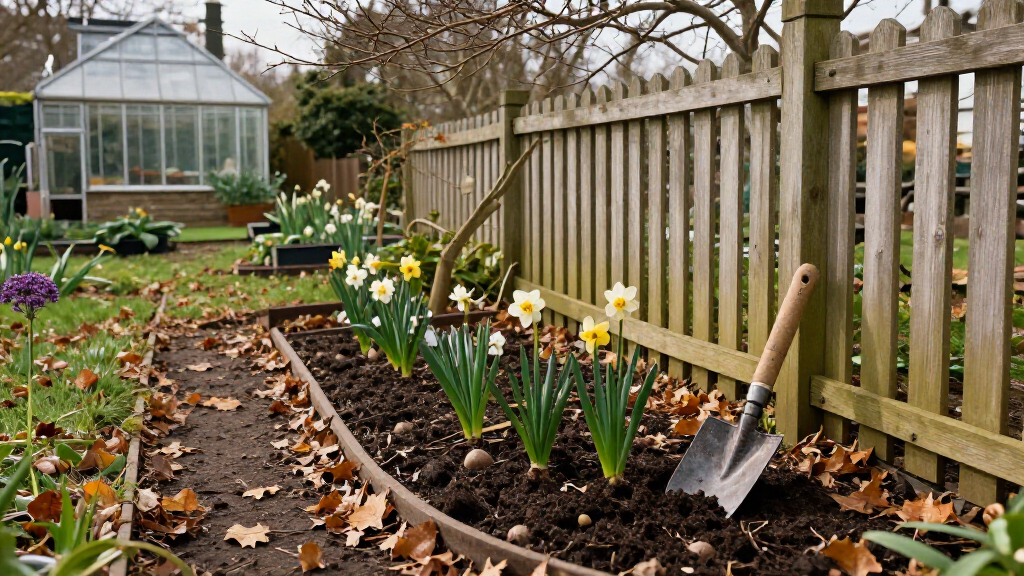
Her list includes allium, anemone (blanda), calla lily, daffodil, fritillaria, snowdrop, grape hyacinth, Siberian squill and winter aconite. The report attributes their appeal to gardeners with deer problems to different deterrents: strong or musky odors in alliums, fritillaria and grape hyacinths; bitter taste in anemones and snowdrops; and toxic compounds or alkaloids in calla lilies, daffodils, snowdrops, Siberian squill and winter aconite. These are explanations for why deer tend to avoid the plants, not a promise that they will never be eaten.
Hayes identifies tulips as a bulb to avoid where deer regularly visit. Unlike the listed plants, tulips lack the same reported toxic compounds or unpleasant flavors and aromas. For gardeners who still want to grow them, the report suggests using window boxes or containers near the house, which may make them less accessible to deer.
Choosing Bulbs Deer Often Avoid
The recommendations give gardeners a way to weigh spring color against the risk of browsing before spending time and money on fall planting. Choosing bulbs deer tend to avoid may reduce damage compared with planting a favored target such as tulips in an exposed garden bed. It does not eliminate the risk: Hayes says deer may eat resistant plants when conditions leave them with fewer food options.
The distinction matters for planning. A plant described as deer-resistant is not deer-proof, and results can vary with local conditions. Gardeners can use the list as a starting point, while treating the suggested container placement for tulips as a possible deterrent rather than a guarantee.
Products Worth Considering

Orbit B-hyve Smart Indoor/Outdoor 12-Zone Sprinkler Controller

Orbit B-hyve XR Smart Indoor/Outdoor Sprinkler Controller, 16 Zones
Orbit B-hyve XR 8-Zone Indoor/Outdoor Smart Sprinkler Controller
As an affiliate, we earn on qualifying purchases.
Why These Bulbs Make the List
Deer eat many garden plants, but Hayes says they do not eat every kind of bulb equally. The Country Living report groups her recommendations by the qualities deer may dislike: pungent or musky smells, bitter flavors and toxic compounds. The explanations differ by plant, so the list is not based on a single shared characteristic.
Hayes also places the advice in practical terms: she considers deer before planting because bulbs require an investment of time, money and effort. Tulips are a notable contrast in her guidance. They are popular for their color and ease of growth, but she says they are less suitable for gardens frequently visited by deer.
“I always consider deer when I plant spring-blooming bulbs. I don’t want to waste my money, time, or energy.”
— Rhonda Fleming Hayes, master gardener, quoted by Country Living
Deer Resistance Has Limits
The report does not provide trial results, regional comparisons or a ranking of how strongly deer avoid each bulb. It also does not quantify how often deer eat plants labeled resistant. Hayes says drought and habitat loss can affect what deer eat, but the extent of that effect will depend on local circumstances.
It is also unclear how reliably planting tulips near a house or in containers will deter deer in any particular yard. Hayes presents that placement as an option, not a guarantee. Deer behavior and garden conditions vary, so readers should not interpret the list as assurance that bulbs will remain untouched.
Plan Fall Planting With Local Conditions
Gardeners planning a spring display can use Hayes’s nine recommendations when selecting bulbs for fall planting, then consider which plants are suitable for their own site and deer pressure. Those set on growing tulips can try window boxes or containers near the house, while recognizing that the report does not promise this will prevent browsing.
The immediate next step is to choose bulbs based on both the desired flowers and the likelihood of deer visits. The Country Living report offers guidance rather than a forecast of how deer will behave in a specific garden; the outcome will become apparent as plants grow and local conditions change.
Key Questions
Which nine bulbs does Hayes recommend?
Her list is allium, anemone (blanda), calla lily, daffodil, fritillaria, snowdrop, grape hyacinth, Siberian squill and winter aconite. They are described as bulbs deer tend to avoid, not as plants deer will never eat.
Are deer-resistant bulbs deer-proof?
No. Hayes says deer may eat plants labeled resistant, including when drought or habitat loss affects available food. The recommendations may lower the risk of browsing but do not guarantee protection.
Why do deer tend to avoid these bulbs?
The report cites strong or musky odors, bitter tastes and toxic compounds as reasons deer may avoid particular bulbs. The stated reason varies by plant.
Should I plant tulips if deer visit my garden?
Hayes advises against planting tulips in areas with frequent deer visits because they lack the deterrents she identifies in the other bulbs. She suggests trying window boxes or containers near the house, but says this is a possible deterrent, not a sure solution.
Source: countryliving.com