TL;DR

Get garden gear delivered free with Prime
- Fast, free delivery on millions of items
- Prime Video, Amazon Music and more included
- Member-only deals all year
An Ideal Home report advises UK homeowners to inspect patios after storms for debris and loose paving, standing water, blocked drainage and weakened garden structures. Experts quoted in the report say prompt clearing and repairs may help prevent damage from worsening; persistent pooling may warrant a drainage assessment.
After high winds and heavy rain from Storms Austen and Boelo, an Ideal Home report advises UK homeowners to check patios for loose paving and debris, standing water, blocked drains, and damage to garden structures. Experts quoted in the report say spotting these problems early may help prevent further deterioration and reduce hazards before the next storm.
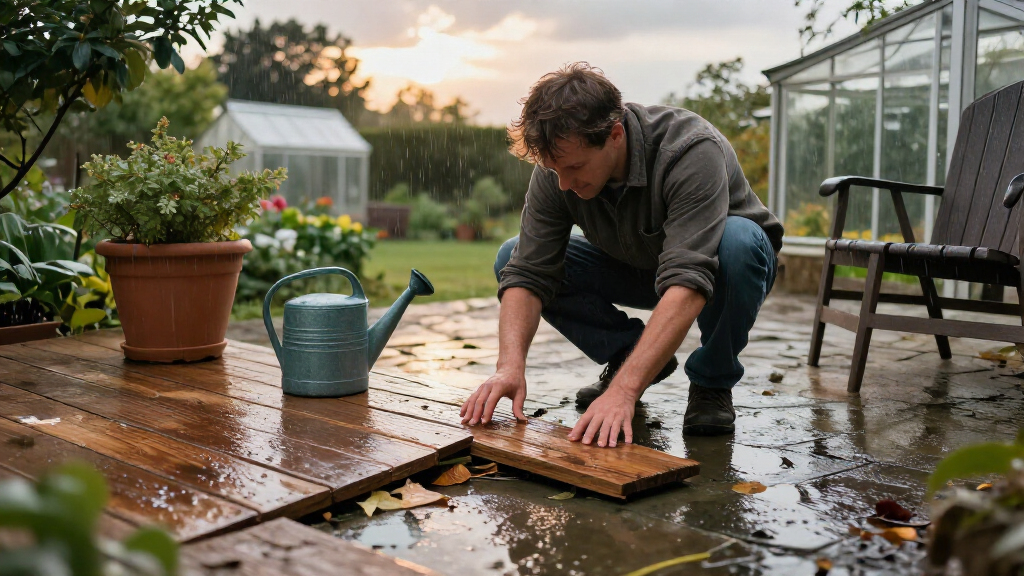
The first check is for fallen branches, broken pots, loose paving slabs and other debris that could cause trips or signal damage. Amber Tunney, a plant buyer at Cherry Lane Garden Centres, recommends inspecting paving and clearing hazards. Andrew White, an outdoor expert at Harbour Lifestyle, advises sweeping debris away and using a brush suited to the paving surface. For stubborn marks, he says to use a cleaner suitable for the material and follow its manufacturer’s instructions.
The second check is for puddles that do not drain, washed-out joints or slabs that have shifted. White says persistent standing water can weaken paving joints; if temperatures fall below freezing, expanding water may worsen existing cracks. The report suggests removing excess water where needed and watching whether it returns.
Third, inspect drainage channels and gutters for leaves and other blockages, and check whether water is gathering around walls, fences or pergola posts. White advises clearing leaves from drainage grates rather than pushing them into corners. If pooling continues after drains are cleared, he says the patio’s drainage may need assessment. Finally, examine fences, pergolas, screens and furniture for leaning posts, loose fixings, rust and split joints. The report recommends securing or protecting vulnerable items, including with suitable furniture covers.
Early Checks Can Limit Patio Damage
Storm damage is not always immediately obvious: water may remain trapped around paving, joints can wash out, and fittings may loosen under wind pressure. The four checks focus on problems that can worsen if left unattended, while also identifying immediate trip hazards and unstable structures.
For homeowners, the practical value is knowing where to look before another spell of poor weather. Clearing debris and drains is a basic first step; recurring standing water, movement in paving or structural weakness may require repair or professional assessment. The report does not quantify likely repair savings or say that every patio will suffer damage.
Products Worth Considering

Orbit B-hyve XR 8-Zone Indoor/Outdoor Smart Sprinkler Controller

Greenworks 80V Cordless Electric Leaf Blower with 2.5Ah Battery and Charger

EGO Power+ Cordless Electric Leaf Blower, 880 CFM, with Two 4.0Ah Batteries (LB8803-2)
As an affiliate, we earn on qualifying purchases.
The Report’s Four Inspection Areas
The guidance was published after a weekend of heavy rain and high winds attributed in the report to Storm Austen and Storm Boelo. Rather than documenting a particular property or verified damage total, the article gathers maintenance advice from garden and outdoor-living specialists for readers checking their own patios.
Its recommendations are limited to four areas: surface damage and debris; standing water; drainage; and garden structures. The report also mentions cleaning products, pumps, brooms and furniture covers, but its central advice is to inspect first and use products appropriate to the paving or item being treated.
“After a storm, check your patio for any damage, particularly loose paving slabs, fallen branches or broken plant pots that could be a trip hazard.”
— Amber Tunney, plant buyer at Cherry Lane Garden Centres, as quoted by Ideal Home
Damage Levels Remain Unreported
The report does not provide a survey of patio damage across the UK, a count of affected homes, or evidence that the storms caused the same problems at every property. It also gives no specific date for publication. Whether a particular patio needs repair depends on its condition, materials and drainage; the article offers inspection advice rather than a diagnosis.
It is also unclear how long standing water must remain before it indicates a drainage fault. White’s recommendation is to seek an assessment if pooling continues after drains are cleared, but the report does not set out a threshold or identify a particular contractor or repair method.
Inspect, Clear and Recheck
Homeowners can begin by removing loose debris and checking paving, joints, drains and garden structures. After clearing leaves from drainage channels, watch whether water continues to pool; persistent pooling is the report’s stated reason to consider a drainage assessment. Recheck loose or leaning items and address hazards before using the patio.
The report does not announce a follow-up inspection programme or forecast another storm. Its practical next step is preparation: deal with visible problems and protect or secure outdoor furniture and structures ahead of further adverse weather.
Key Questions
What should I check on my patio after a storm?
Check for debris and loose paving, puddles that do not drain, blocked channels or gutters, and movement or damage in fences, pergolas, screens and furniture.
Why should I check for puddles after heavy rain?
Andrew White told Ideal Home that standing water can weaken paving joints. In freezing conditions, water may expand and worsen existing cracks, according to his advice.
What should I do if water still pools after I clear the drains?
White recommends having the patio’s drainage assessed if pooling continues after blockages are cleared. The report does not specify a repair method or timeframe.
Which garden structures need inspection?
Look at fences, pergolas and screens for leaning posts, loose fixings or movement at joints. Also check metal frames for rust and wooden joints for splits, as advised by White.
Source: idealhome.co.uk