
Zoning your indoor garden by crop type helps you create tailored environments that boost growth and simplify maintenance. It allows you to optimize light, moisture, and airflow for each plant group, leading to healthier plants and higher yields. Plus, separating crops makes pest control easier and reduces chemical use. By organizing your space, you can better manage resources and monitor plant health more efficiently. Keep exploring to discover how this approach can transform your gardening success.

Get garden gear delivered free with Prime
- Fast, free delivery on millions of items
- Prime Video, Amazon Music and more included
- Member-only deals all year
Key Takeaways
- Zoning allows tailored environmental conditions, promoting healthier growth and higher yields for different crops.
- It simplifies pest management by isolating crop types, reducing infestation spread and chemical use.
- Organized zones streamline maintenance, enabling customized watering, fertilizing, and monitoring routines.
- Zoning optimizes lighting and climate control, conserving energy while supporting diverse plant needs.
- It enhances resource management and planning, making indoor gardening more efficient and sustainable.

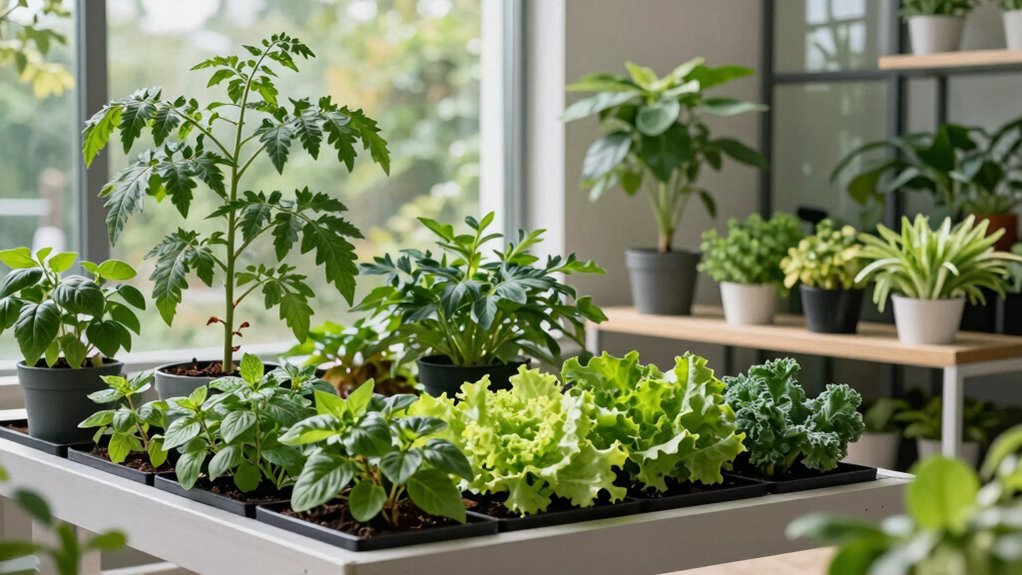
Creating an efficient indoor garden often begins with understanding how to zone your space by crop type. When you organize your garden into specific zones, you can better tailor the environment to each plant’s needs, leading to healthier growth and higher yields. Different crops have varied requirements for light, moisture, and airflow, so grouping similar plants helps you optimize these factors. For example, leafy greens thrive in low to moderate light, while fruiting plants like tomatoes need intense lighting. By designing zones based on crop type, you can focus your efforts on lighting enhancement, ensuring each zone receives the appropriate light spectrum and intensity. This targeted approach not only fosters ideal growth but also conserves energy, making your indoor garden more sustainable and cost-effective.
Zoning also plays a key role in pest control. When you separate plants by crop type, you reduce the risk of pests spreading across your entire garden. If an infestation occurs in one zone, you can isolate and treat that area without risking contamination elsewhere. For instance, pests attracted to flowering or fruiting plants can be contained more easily if those plants are grouped together in a dedicated zone. Plus, knowing the specific pests that target each crop allows you to implement precise pest control strategies, such as introducing beneficial insects or applying organic treatments. This strategic zoning minimizes the use of chemical pesticides and promotes a healthier, eco-friendly growing environment. Incorporating pest management strategies can further enhance your ability to protect your plants effectively.
Another advantage of zoning by crop type is that it streamlines your maintenance routine. When plants with similar needs are grouped together, watering, fertilizing, and pruning become more straightforward. You can develop customized schedules for each zone, ensuring that every plant gets exactly what it needs without over- or under-treating. This efficiency saves you time and effort while reducing the chances of mistakes. Additionally, when you organize your garden by crop type, monitoring plant health becomes easier. You can quickly identify issues like nutrient deficiencies or disease symptoms within specific zones, enabling prompt intervention. Employing remote monitoring tools like drones or sensors can further assist in managing larger or more complex indoor gardens efficiently. Understanding crop-specific requirements can help you optimize your climate control systems, leading to better yields and healthier plants.
Products Worth Considering

Orbit B-hyve 12-Zone Indoor/Outdoor Wi-Fi Sprinkler Controller

Orbit B-hyve XR 16-Zone Indoor/Outdoor Smart Sprinkler Controller
Orbit B-hyve XR 8-Zone Indoor/Outdoor Smart Sprinkler Controller
As an affiliate, we earn on qualifying purchases.
Frequently Asked Questions
How Does Zoning Impact Energy Consumption in Indoor Gardens?
Zoning impacts your indoor garden’s energy use by enabling lighting optimization and water management tailored to each zone. When you zone crops by type, you can adjust lighting intensity and duration specifically for each section, reducing unnecessary energy consumption. Plus, targeted water management minimizes waste, further lowering energy costs associated with water heating and circulation. Overall, zoning helps you operate more efficiently, saving energy while maintaining healthy, productive indoor gardens.
Are There Legal Regulations for Zoning Indoor Gardens by Crop Type?
Yes, there are legal regulations for zoning indoor gardens by crop type. You need to guarantee legal compliance with local zoning restrictions, which may vary depending on your area. These restrictions often specify what crops you can grow and how you can set up your indoor garden. It’s essential to research your local laws and obtain necessary permits, so you avoid legal issues and operate within zoning guidelines.
How Does Zoning Influence Pest Management Strategies?
Zoning influences pest management strategies by allowing you to implement targeted pest control methods for specific crop zones. When you zone your indoor gardens by crop type, you can focus pest control efforts, reducing chemical use and preventing cross-contamination. This approach also promotes crop diversification, which naturally disrupts pest cycles, making pest management more sustainable and efficient. Proper zoning helps you maintain healthier plants and minimizes pest-related issues across your indoor garden.
Can Zoning Improve Crop Yield Quality in Indoor Gardens?
Zoning can substantially improve crop yield quality in indoor gardens. By implementing crop rotation and ensuring soil compatibility within designated zones, you prevent nutrient depletion and soil fatigue. This targeted approach allows each zone to optimize conditions for specific crops, reducing disease risks and enhancing growth. Juxtaposing diverse zones fosters a balanced environment, leading to healthier plants and higher-quality yields, ultimately maximizing your indoor gardening success.
What Are the Initial Costs Associated With Zoning Indoor Gardens?
The initial costs of zoning indoor gardens mainly involve a thorough cost analysis and equipment setup. You’ll need to invest in different lighting, ventilation, and climate control systems tailored for each zone, which can be costly upfront. Additionally, purchasing zoning-specific equipment like sensors and controllers adds to expenses. Planning carefully helps you budget effectively, ensuring you’re prepared for these initial investments to optimize your garden’s productivity.
Conclusion
By zoning your indoor garden by crop type, you’re revealing the secret to an unstoppable, lush paradise right inside your home. Imagine transforming every corner into a thriving oasis, where veggies, herbs, and flowers flourish without fuss. This isn’t just gardening; it’s turning your space into an unstoppable green empire. Get ready to grow faster, healthier, and more bountiful than you ever thought possible—your indoor garden will become the envy of every green thumb out there!